


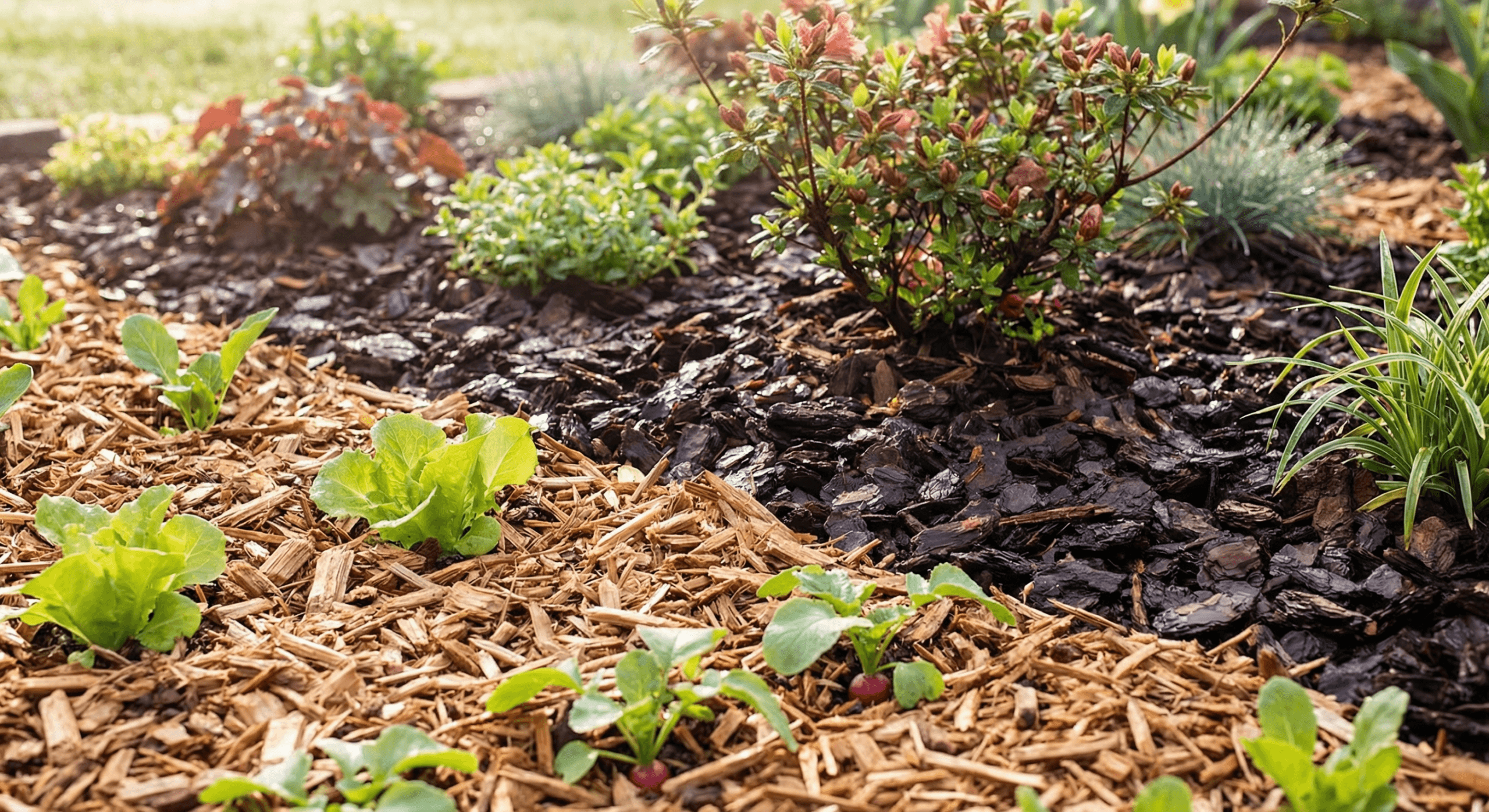
If you could do just one thing to dramatically improve your garden — not to mention reduce your workload — it would be mulching.Gardeners’ World has an excellent mulching guide that covers materials and techniques… Mulch is a layer of material applied to the soil surface around plants, RHS soil testing guide has detailed guidance on this topic.and it’s one of those deceptively simple practices that delivers enormous benefits. The RHS soil testing guide provides detailed advice on understanding your soil type… Once you start mulching consistently, you’ll never go back. In this comprehensive essential guide, we’ll cover everything you need to know.
Shop Related Products: Watering Can
For more on essential summer gardening:, see our guide.
For more on proven first-year vegetable, see our guide.
Related: Garden Planning 101: Mapping Out Your Garden Space Natural Pest Deterrents: Plants That Repel Pests
Looking for quality gardening tools and supplies? Browse our recommended garden products — hand-picked by the GardenWizz team.
Essential: Mulching: Why Mulch Is Magic
Mulch does so many things simultaneously that it’s almost ridiculous:
1.Suppresses weeds: A 3-4 inch layer of mulch blocks light from reaching weed seeds, RHS mulching advice has detailed guidance on this topic.dramatically reducing weed germination. Weeds that do emerge through mulch are easy to pull because their roots are in loose, moist soil.
2. Conserves moisture: Mulch reduces evaporation from the soil surface by up to 50%.This means less frequent watering, RHS watering guidelines has detailed guidance on this topic.happier plants during dry spells, and lower water bills.
3. Regulates soil temperature: In summer, bare soil can heat up to 100+ degrees F, damaging plant roots. Mulch keeps soil cooler. In winter, it insulates against temperature swings that cause frost heaving.
4. Improves soil as it decomposes: Organic mulches (not gravel or fabric) break down over time, adding organic matter to the soil.This improves soil structure, drainage, and fertility — essentially composting in place. RHS composting guide has detailed guidance on this topic. According to Gardeners’ World, This is one of the most rewarding skills a gardener can develop… The This process is explained in detail by the RHS composting guide, which covers everything from starting your bin to troubleshooting common problems…
5. Prevents soil erosion and crusting: Rain and watering cause bare soil to erode, crust, and splash soil-born pathogens onto plant leaves. Mulch absorbs the impact of raindrops.
6. Reduces disease: Many soil-borne fungal pathogens (like early blight on tomatoes) splash up onto leaves from bare soil. Mulch prevents this splash.
7. Keeps fruits and vegetables clean: Mulch prevents soil from splashing onto developing fruits and vegetables, keeping them cleaner and reducing rot.
Types of Organic Mulch
Straw (not hay!): Excellent for vegetable gardens. Apply 4-6 inches of straw around vegetables. It breaks down relatively quickly, adding organic matter. Straw is especially good around tomatoes and peppers. Note: use straw (grain stems, seedless) not hay (contains seeds that create weeds).
Shredded leaves: Free if you have trees! Chop or shred fallen leaves before applying. Excellent for perennial beds, around shrubs, and in the vegetable garden. Apply 3-4 inches.
Wood chips (arborist chips): The best mulch for around trees, shrubs, and perennial plants. Often free from local tree services. Apply 3-4 inches. Note: wood chips are excellent for ornamental areas but avoid mixing them into vegetable garden soil as they tie up nitrogen during decomposition.
Shredded bark: Widely available, attractive, and long-lasting. Good for ornamental beds. Apply 2-3 inches.
Compost: Dual-purpose — it mulches AND feeds the soil. Apply 1-2 inches around vegetables and flowers. Excellent around heavy feeders like tomatoes and squash.
Pine needles (pine straw): Excellent for acid-loving plants (blueberries, azaleas, rhododendrons). Breaks down slowly. Apply 3-4 inches.
Grass clippings: Use sparingly — fresh grass clippings mat down and smell. Apply in thin layers (1 inch) and let dry between applications. Never use clippings from lawns treated with herbicides or pesticides.
Types of Inorganic Mulch
Landscape fabric (weed barrier): Allows water and air to reach soil while blocking weeds. Not decorative on its own, but useful under a decorative mulch. Over time, fabric can become a barrier itself as soil accumulates on top and weeds root into it. Avoid cheap fabrics; use professional-grade geotextile if using at all.
Gravel and decorative stone: Long-lasting, requires no replenishment. Good for alpine gardens, cacti, and Mediterranean plants. Does not improve soil. Does not suppress weeds as well as Organic garden mulch sheets breaks down over time, feeding soil organisms and improving structure.
Black plastic (polyethylene): Used commercially for warming soil for heat-loving crops like melons and tomatoes. Blocks weeds and retains heat, but prevents water and air penetration and creates plastic waste. Not recommended for home gardens.
How to Mulch Correctly
Step 1: Remove existing weeds from the area.
Step 2: Water the soil thoroughly before mulching.
Step 3: Apply mulch 2-4 inches deep around established plants and transplants.
Step 4: Keep mulch 1-2 inches away from plant stems and 4-6 inches away from tree trunks. Mulch piled against plant stems and trunks causes rot and invites pests. This is called “volcano mulching” and it’s one of the most common mulching mistakes.
Step 5: Pull mulch back from directly around herbaceous plant crowns (the center of the plant where stems emerge).
Mulching Through the Seasons
Spring: Wait until soil has warmed before mulching heavily in spring. Applying deep mulch to cold, wet soil in early spring slows warming and can delay planting. Light mulching is fine. Once soil is warm (late spring in most areas), apply 3-4 inches of mulch.
Summer: Maintain mulch depth at 2-4 inches throughout the growing season. If it thins due to decomposition, add more.
Fall: Add a thick layer of mulch (4-6 inches) around perennial borders to protect roots through winter. Apply after the ground freezes — not before — to prevent rodents from nesting in the mulch during warm spells.
Overwintering: Mulch garlic, fall-planted garlic, and other fall-planted crops with a thick mulch to prevent heaving through freeze-thaw cycles.
Common Mulching Mistakes
Volcano mulching: Piling mulch against plant stems or tree trunks. Creates a moist environment that causes rot and invites boring insects. Always leave a 2-inch gap between mulch and plant stems.
Too thin: A 1-inch layer doesn’t suppress weeds effectively. Always apply 2-4 inches of mulch.
Too deep: More than 6 inches can create anaerobic conditions and prevent water penetration. Three to four inches is perfect.
Using the wrong mulch: Hay contains seeds. Fresh wood chips from certain trees (walnut, eucalyptus) can inhibit plant growth. Use quality materials.
Mulching too early in spring: In cold, wet soils, mulch can delay warming significantly. Wait until soil is warm before applying.
Mulch in the Vegetable Garden
Vegetable gardens benefit enormously from mulch:
– Straw around tomatoes, peppers, squash, and cucumbers
– Shredded leaves around brassicas and root vegetables
– Grass clippings in thin layers between rows
– Cover crops (living mulch) planted between crop rows
Apply mulch once the soil has warmed in late spring, after transplanting or when seedlings are well-established.
The Bottom Line on Mulch
Mulching is the single best investment you can make in your garden. It’s inexpensive or free, it reduces your workload dramatically, it improves your soil, it keeps plants healthy, and it makes everything look better. There is essentially no downside when applied correctly.
If you’re only going to do one thing differently in your garden this year, mulch it. Heavily. Your future self will send thanks.
Frequently Asked Questions
When is the best time to do this in the UK?
The ideal timing depends on your location and the specific task. Spring (March-May) is generally the busiest gardening season in the UK, though autumn is perfect for planting and soil improvement.
Do I need expensive equipment to get started?
No. A few quality basic tools — a trowel, hand fork, watering can, and gloves — will see you through most beginner gardening tasks.
Is this suitable for small spaces or containers?
Most gardening tasks can be adapted for small spaces. Containers, grow bags, and raised beds all work well on patios, balconies, and even windowsills.
Can beginners do this successfully?
Absolutely. UK gardens are full of challenging conditions — clay soil, shade, slugs — but beginners achieve great results every year by starting small and learning as they grow.
