


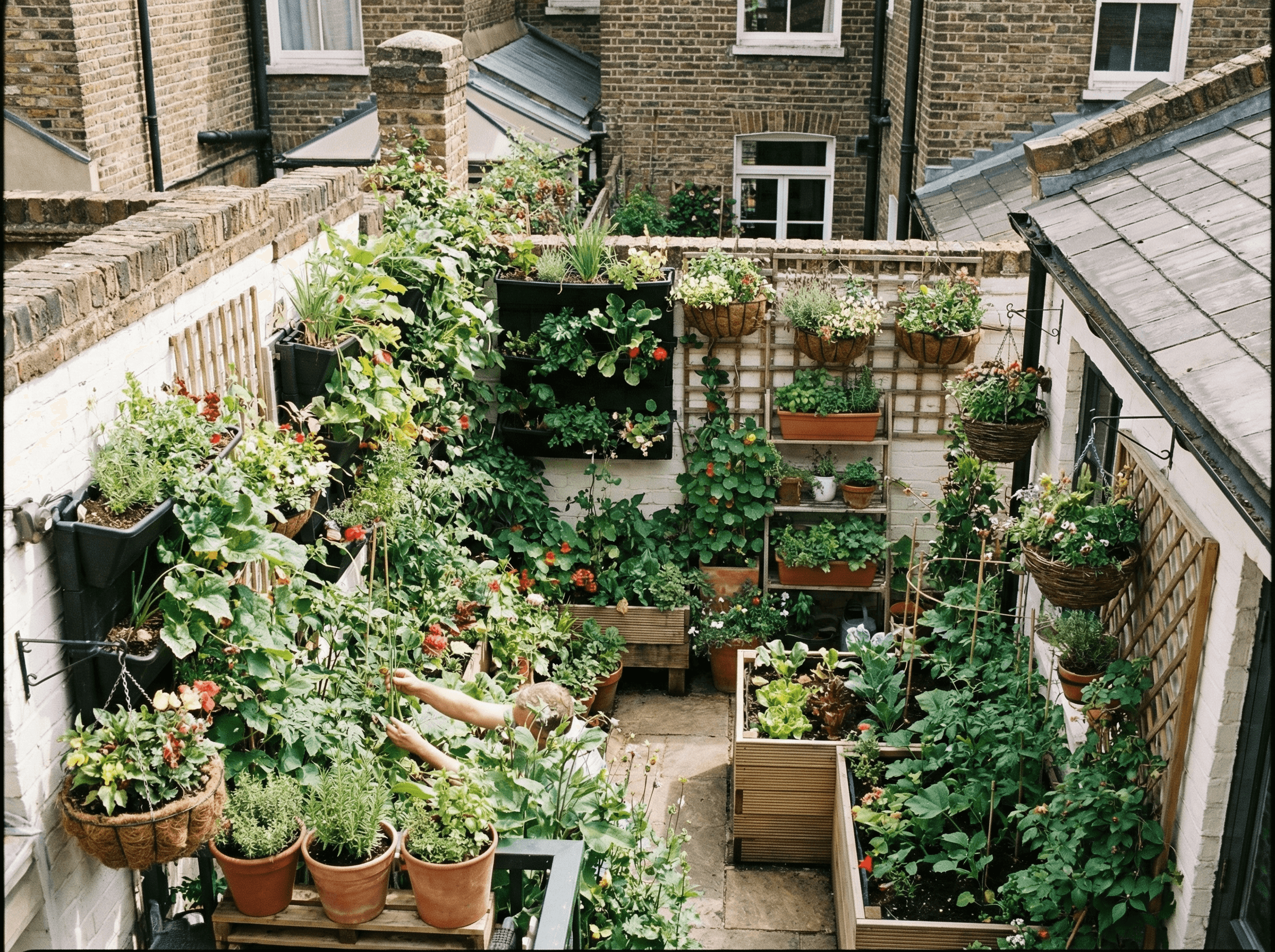
You do not need acres of land to grow a beautiful, productive garden. Whether you have a modest courtyard, a small back garden, or just a balcony, the principles of small space gardening can transform whatever you have into something green, thriving, and rewarding. In this comprehensive easy guide, we’ll cover everything you need to know.
Shop Related Products: Watering Can
For more on essential summer gardening:, see our guide.
For more on essential mulching: single, see our guide.
Related: Garden Planning 101: Mapping Out Your Garden Space Natural Pest Deterrents: Plants That Repel Pests
The key is thinking vertically, choosing the right plants, and being ruthless about what you grow. In a small space, every plant needs to earn its place.
Looking for quality gardening tools and supplies? Browse our recommended garden products — hand-picked by the GardenWizz team.
Small Space Gardening:: Easy: Small: Think Vertically First
In a small garden, the ground is at a premium. But walls, fences, and even the air above you are largely untapped resources.
Vertical planting:
– Wall-mounted planters and pocket planters turn bare walls into growing surfaces
– Trellis panels support climbing plants: RHS vertical growing guide has detailed guidance on this topic.beans, peas, cucumbers, and even small melons
– Gutter gardens mounted on fences grow herbs and salad leaves at waist height
– Hanging baskets add a whole new growing layer overhead
Raised beds:
In a small garden, raised beds are ideal for small spaces — try raised bed garden kit for easy access are particularly effective.They allow you to fill with perfect soil rather than being constrained by whatever is in your borders. RHS soil testing guide has detailed guidance on this topic. The RHS soil testing guide provides detailed advice on understanding your soil type… They also make the most of your growing area by eliminating paths — you can get much higher plant density in raised beds are ideal for small spaces — try raised bed garden kit for easy access than in open ground.
Container Gardening in Small Spaces
Containers are the small space gardener’s best friend.The RHS watering guidelines cover efficient watering techniques for gardens of all sizes. RHS watering guidelines has detailed guidance on this topic..Almost anything can be grown in a pot with the right compost and care. RHS composting guide has detailed guidance on this topic. According to Gardeners’ World, Almost is one of the most rewarding skills a gardener can develop… The Almost process is explained in detail by the RHS composting guide, which covers everything from starting your bin to troubleshooting common problems…
Best containers for small spaces:
– Grow bags — Excellent for tomatoes, courgettes, and peppers
– Deep pots — Essential for root vegetables like carrots and parsnips
– Window boxes — Perfect for herbs, lettuce, and strawberries
– Hanging bags — Great for trailing tomatoes or herbs
Container growing tips:
– Use the largest pots you can fit — small pots dry out quickly and restrict root growth
– Quality potting compost is essential; do not use garden soil in containers
– Feed and water regularly using organic fertiliser and a watering can — container plants depend entirely on you
– Group containers together to create a microclimate and reduce watering
Plants for Small Spaces
Choose compact varieties bred specifically for small-space growing. Many vegetables and flowers now come in dwarf or bush forms that produce well in limited space.
Vegetables:
– Bush tomatoes (e.g., Tumbling Tom) — Perfect for hanging baskets
– Courgettes (compact varieties) — One plant fits in a large pot
– Climbing beans — Vertical growth, minimal ground space needed
– Salad leaves — Cut-and-come-again varieties crop continuously
Flowers:
– Begonias, petunias, and calibrachoas — Trail beautifully from containers
– Pelargoniums (bedding geraniums) — Heat and drought tolerant
– Dahlias — Many compact varieties suited to pots
Climbers for small spaces:
– Sweet peas — Incredibly fragrant, climb on minimal support
– Runner beans — Productive and beautiful
– Clematis (compact varieties) — Long-flowering on a small trellis
Space-Saving Techniques
Intercropping and succession planting:
Do not let any ground sit empty. As one crop finishes, immediately plant something else. Radishes (4 weeks) can fit between slower-growing brassicas. Salad leaves slot in anywhere.
Square foot gardening:
Divide raised beds are ideal for small spaces — try raised bed garden kit for easy access or containers into 30cm squares and grow a different crop in each. This intensive method maximises every centimetre.
Edging and borders:
Even the smallest garden can have a productive border. Strawberries in a narrow strip along a fence, herbs in a narrow bed by a path.
Watering and Feeding in Small Spaces
Containers in small gardens dry out faster than you expect, especially against walls and fences. In summer, check containers daily.
A drip irrigation system with a timer takes the effort out of watering. Even a simple gravity-fed system from a water butt makes a huge difference.
Feed containers every week with liquid fertiliser once plants are established. In small beds, a top-dress with compost and occasional liquid feed keeps plants productive.
FAQ: Small Space Gardening
Can I grow vegetables in a small garden without a vegetable patch?
Absolutely. Vegetables in containers on a patio, hanging baskets, or grow bags can produce a surprising amount of food. Sweet potatoes, tomatoes, herbs, salad leaves, and strawberries all do well in containers.
How do I make the most of a north-facing small garden?
Focus on shade-tolerant crops: lettuce, spinach, chard, and herbs like mint and parsley. Add flowers that thrive in shade such as begonias and busy lizzies. Reflective surfaces (light-coloured walls or containers) maximise available light.
What is the biggest mistake small space gardeners make?
Overcrowding. It is very tempting to plant everything close together in a small space, but this creates competition, encourages disease, and often reduces rather than increases the harvest.
Is raised bed gardening better than growing in the ground for small spaces?
Raised beds are excellent for small spaces because you can fill them with perfect soil, warm them up faster in spring, and manage them more intensively. However, in-ground growing uses less water and is more resilient in dry weather.
How much food can I realistically grow in a small space?
Even a modest small garden can produce 50-100 pounds worth of fresh produce in a season with thoughtful planting. A single well-grown courgette plant produces 5-10kg of fruit in a season.
Final Thoughts
Small space gardening is not about compromise — it is about focus. When you have limited room, you tend to give plants more attention, and the results can be extraordinary. Think creatively about what you can grow vertically and in containers, choose compact varieties, and maximise every centimetre. The satisfaction of a small garden packed with productive, beautiful plants is immense.
For more on container growing, read our guide to Container Gardening. And for ideas on growing upwards, see Vertical Gardening.
Continue Reading
- 5-Step Essential Garden Tools: What Every UK Gardener Needs
- Complete Guide to Week 12 Spring Garden Jobs: May 17-23
- Complete Guide to Week 11 Spring Garden Jobs: May 10-16
- Complete Guide to Week 10 Spring Garden Jobs: May 3-9
- Complete Guide to Week 9 Spring Garden Jobs: April 26 – May 2
Frequently Asked Questions
When is the best time to do this?
The best time depends on your climate zone and what you are growing, but generally early morning or late afternoon when temperatures are cooler works best for most garden tasks.
How often should I check on my garden?
Regular attention is key — check your garden every few days during the growing season. This helps you catch problems early before they become serious.
Can beginners do this?
Absolutely! Start with a few simple tasks and build up gradually. Most garden jobs are beginner-friendly with the right guidance.
What is the most important thing to remember?
Consistency matters more than perfection. Little and often beats occasional marathon sessions. Even 10-15 minutes of daily attention yields great results.
