


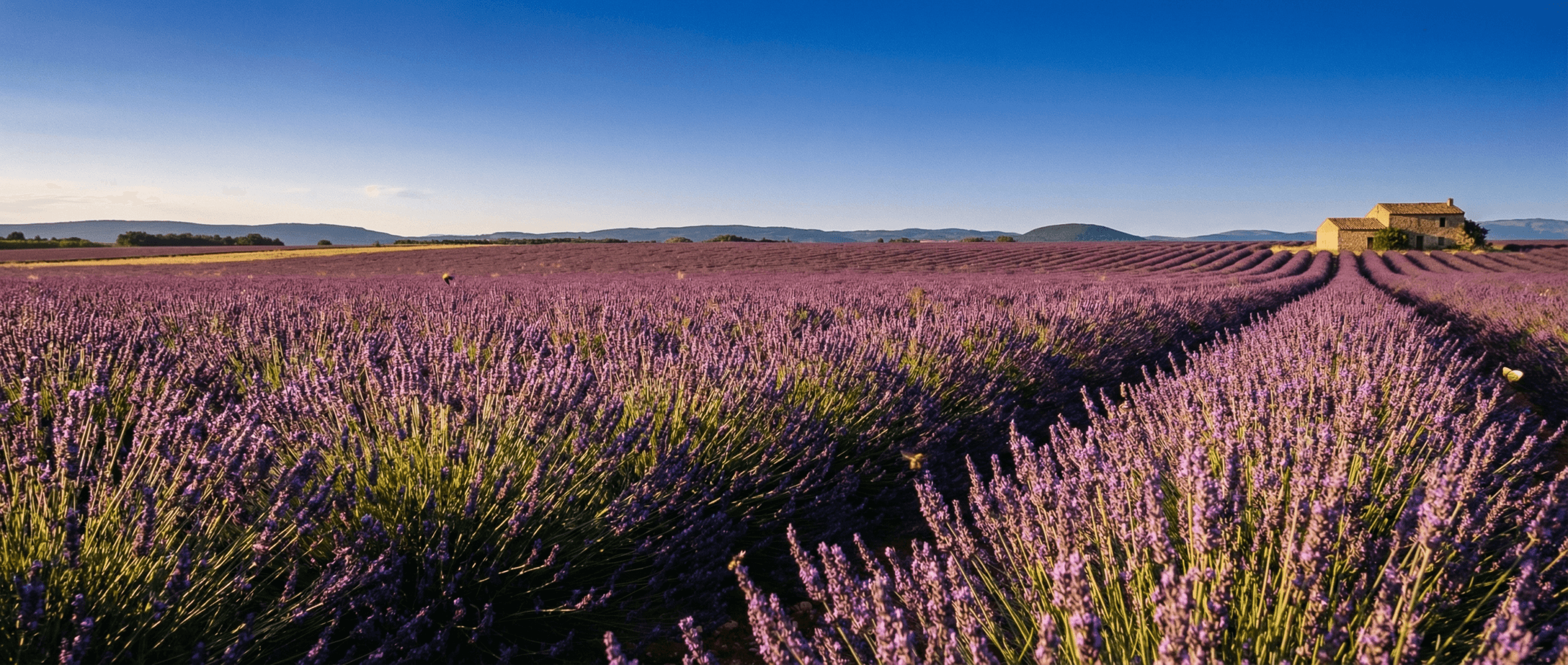
Lavender is the scent of summer.Few plants can match its extraordinary fragrance, its calming blue-purple blooms, its attractiveness to bees and butterflies, Buglife pollinator resources has detailed guidance on this topic.or its versatility in the garden and home. From the rolling purple fields of Provence to a single pot on a windowsill, lavender brings a touch of Mediterranean magic wherever it grows. In this comprehensive easy guide, we’ll cover everything you need to know.
Shop Related Products: Herb Planter • Seed Packet
For more on essential summer gardening:, see our guide.
For more on essential mulching: single, see our guide.
Related: Garden Planning 101: Mapping Out Your Garden Space Natural Pest Deterrents: Plants That Repel Pests
Growing lavender successfully in the UK is straightforward — the key is understanding what it needs and giving it to the plant without compromise.
Looking for quality gardening tools and supplies? Browse our recommended garden products — hand-picked by the GardenWizz team.
Grow Lavender: Fields: Easy: Grow: Understanding Lavender’s Needs
Lavender is native to the Mediterranean region, where it grows on dry, rocky, limestone hillsides in full sun. This heritage defines its requirements absolutely:
– Full sun: At least 6-8 hours of direct sun daily. In shade, lavender becomes leggy, sparse, and loses fragrance.
– Excellent drainage: Lavender practically hates wet soil. RHS soil testing guide has detailed guidance on this topic. The RHS soil testing guide provides detailed advice on understanding your soil type… It tolerates drought far better than damp conditions.
– Alkaline to neutral soil: It thrives on chalk and limestone. In acidic soils, add garden lime before planting.
– Low nutrients: Rich soil actually reduces lavender fragrance. Average, even poor soil is ideal.
Choosing the Right Lavender
There are several species of lavender, and choosing the right one for your climate matters.
English lavender (Lavandula angustifolia) — The classic garden lavender, with dense, fragrant flower spikes and compact growth. Hardy to around -15 degrees C. The best choice for most UK gardens and for culinary use.
French lavender (Lavandula stoechas) — Distinguished by its pineapple-shaped flower heads with distinctive bracts. Less hardy (to around -5 degrees C) and needs excellent winter drainage. Better for mild coastal gardens or containers.
Lavandin (Lavandula x intermedia) — A hybrid with longer flower spikes and more intense fragrance. Vigorous and hardy.Excellent for cutting and dried flowers. RHS plant propagation guide has detailed guidance on this topic.
Best varieties for UK gardens:
– ‘Hidcote’ (English) — Deep purple flowers, compact growth, excellent fragrance
– ‘Munstead’ (English) — Compact, reliable, good for hedging
– ‘ Gros Bleu’ (French) — Intense blue-purple, longer flowering season
– ‘Edelweiss’ (Lavandin) — White-flowered, highly fragrant
Planting Lavender
Timing: Spring or early autumn are the best planting times. Spring planting allows plants to establish before winter.
Soil preparation: On heavy clay or poorly drained soils, dig in plenty of horticultural grit and raise the planting area. Consider creating a lavender bed on a slight ridge or slope to improve drainage. Adding garden lime is beneficial on acidic soils.
Spacing: Space plants roughly 30-45cm apart, depending on the variety’s spread. Closer spacing creates a denser hedge effect.
In containers: Use a gritty, free-draining compost (add 30% grit). According to Gardeners’ World,
is one of the most rewarding skills a gardener can develop… The
process is explained in detail by the RHS composting guide, which covers everything from starting your bin to troubleshoo.The RHS watering guidelines cover efficient watering techniques for gardens of all sizes. RHS watering guidelines has detailed guidance on this topic..ting common problems… The container must have excellent drainage holes. Terracotta pots are ideal as they also help regulate soil moisture.
Growing and Caring for Lavender
Watering: Established lavender rarely needs watering. In containers, water when the soil is dry — typically once a week in summer, much less in winter. Lavender is far more likely to die from overwatering than underwatering.
Feeding: Do not feed lavender with nitrogen-rich fertilisers — this encourages sappy growth at the expense of fragrance and flowers. A light top-dressing of grit or gravel around the base of plants is beneficial — it also reflects heat onto the plant and suppresses weeds.
Pruning: This is the most important aspect of lavender care. Prune annually after flowering (typically August in the UK) using sharp secateurs. Cut back the flower stems to a compact mound of foliage, but never cut into old wood below the current year’s growth — lavender rarely regenerates from old wood.
Annual pruning keeps lavender compact and productive. Without it, plants become leggy and woody and need replacing after a few years.
Harvesting and Using Lavender
Harvesting flowers: Cut when the buds are just beginning to open — at this point, the fragrance is most concentrated. Cut in the morning after the dew has dried.
Drying lavender: Hang in small bunches in a warm, dry, dark place with good airflow. Once dry, the flowers can be stripped from the stems.
Uses of lavender:
– Fragrance: Sachets, drawer refreshers, potpourri, candles
– Culinary: Use sparingly — lavender adds a floral note to desserts, drinks, and baking
– Health: Lavender oil is renowned for its calming, sleep-promoting properties
– Garden: Lavender hedges, borders, containers; it is one of the best plants for attracting bees and butterflies
– Preservation: Lavender oil, lavender vinegar, lavender sugar
Lavender in the Garden
Lavender is extraordinarily versatile in garden design:
– Hedges: Hidcote and Munstead make excellent low hedging plants for paths and borders
– Borders: Combine with roses, salvias, and ornamental grasses for a classic cottage garden feel
– Containers: Excellent in terracotta pots on patios and terraces
– Mediterranean gardens: Natural companions with rosemary, thyme, and oregano
– Wildlife gardens: One of the best plants for attracting and supporting bees
FAQ: Growing Lavender
Can I grow lavender in the UK?
Yes — English lavender (L. angustifolia) is fully hardy across the UK. French lavender needs more protection in cold winters. Both grow well given the right conditions.
Why is my lavender dying?
The most common cause is waterlogging or heavy, poorly drained soil. Lavender needs excellent drainage — if it sits in wet soil even briefly, it quickly develops root rot. Improve drainage or move to a raised bed or container.
When should I prune lavender?
Light pruning after flowering (typically August) maintains shape and vigour. A harder prune in early spring (March) can be done to tidy leggy plants, but never cut into old grey wood.
Can I grow lavender from seed?
Yes, but it is slow and the resulting plants are variable. Seeds can be started indoors in early spring and planted out after the last frost. Named varieties should be propagated from cuttings to preserve their characteristics.
Is lavender deer and rabbit resistant?
Yes — lavender is one of the most deer and rabbit resistant plants you can grow. Its aromatic oils act as a natural deterrent.
How long does lavender live?
Most lavender plants live 5-10 years with good care and annual pruning. Without pruning, they become woody and unproductive faster. Replacing plants every 5-7 years keeps lavender displays fresh and vigorous.
Final Thoughts
Lavender is the quintessential Mediterranean garden plant — fragrant, beautiful, useful, and loved by pollinators. Give it the sun and drainage it craves, prune it faithfully each year, and it will reward you with years of gorgeous, blue-purple blooms and that unmistakable scent that says summer like nothing else.
For more on growing Mediterranean herbs, read our guide to Rosemary. And for creating productive growing spaces, see Small Space Gardening.
Continue Reading
- 5-Step Essential Garden Tools: What Every UK Gardener Needs
- Complete Guide to Week 12 Spring Garden Jobs: May 17-23
- Complete Guide to Week 11 Spring Garden Jobs: May 10-16
- Complete Guide to Week 10 Spring Garden Jobs: May 3-9
- Complete Guide to Week 9 Spring Garden Jobs: April 26 – May 2
Frequently Asked Questions
When is the best time to do this?
The best time depends on your climate zone and what you are growing, but generally early morning or late afternoon when temperatures are cooler works best for most garden tasks.
How often should I check on my garden?
Regular attention is key — check your garden every few days during the growing season. This helps you catch problems early before they become serious.
Can beginners do this?
Absolutely! Start with a few simple tasks and build up gradually. Most garden jobs are beginner-friendly with the right guidance.
What is the most important thing to remember?
Consistency matters more than perfection. Little and often beats occasional marathon sessions. Even 10-15 minutes of daily attention yields great results.
