


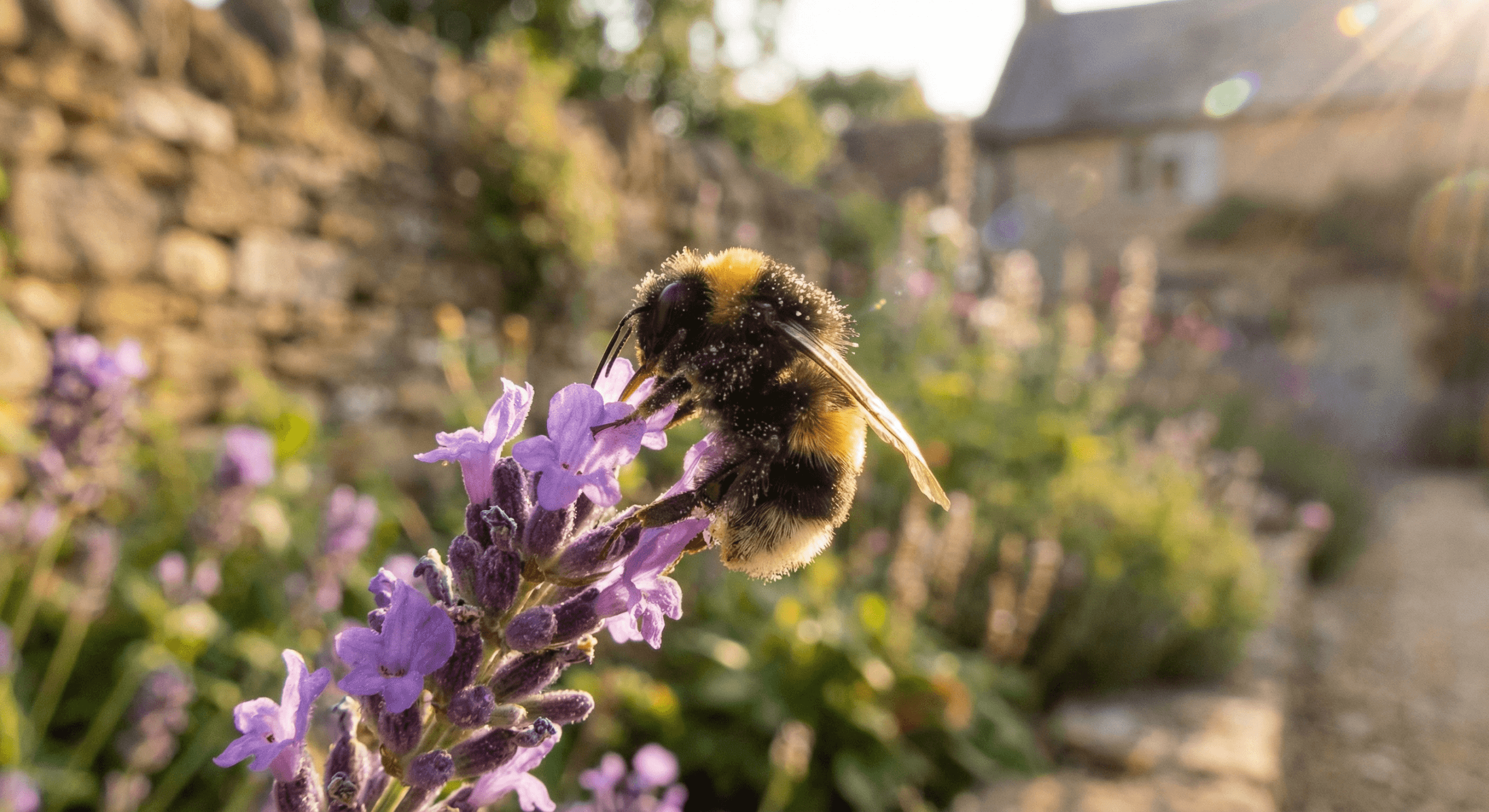
Walk through any British summer garden and you will hear them before you see them — the satisfying buzz of a bumble bee working its way from flower to flower. These small, fuzzy visitors are responsible for one out of every three bites of food we eat, yet their numbers are in steady decline across the UK. The good news? You can make a tangible difference from your own back garden by growing the right plants.
Plants Pollinators:: Why Pollinators Matter
Bees, butterflies, hoverflies, and other pollinating insects are the backbone of our food systems and wild ecosystems. Honey bees and bumble bees pollinate everything from apples and tomatoes to clover — without them, grocery shelves would look very different. Beyond food production, pollinators support biodiversity by enabling plants to reproduce, which in turn feeds birds, mammals, and countless other creatures up and down the food chain.
The UK has lost around 97% of its wildflower meadows since the 1930s, and modern intensive farming has stripped much of the countryside of the habitat these insects need. Gardens — even small urban ones — can act as vital corridors of nectar-rich habitat. Planting even a handful of bee-friendly species on a patio or balcony contributes to a network that helps pollinator populations recover.
What You Will Need
- Bee-Friendly Plants — Choose a mix of nectar-rich perennials, annuals, and shrubs that bloom from early spring through to late autumn. Look for single-flowered varieties rather than fully double blooms, which insects cannot easily access.
- Bee Hotel — A simple bee hotel on Amazon UK provides nesting habitat for solitary bees like mason bees and leafcutters. Place it in a south-facing spot, about 1m off the ground.
- Plant Food — Healthy, nectar-rich plants need good soil. Use an organic compost or a slow-release organic plant food from Amazon UK to feed your flowers through the growing season.
- Watering Can — A good-quality watering can on Amazon UK with a fine rose attachment lets you water deeply without disturbing young seedlings or visiting insects.
- Garden Hand Tools — A hand trowel, fork, and dibber make planting and maintaining your pollinator border much easier, especially when working between established plants.
Top 10 Bee-Friendly Plants for UK Gardens
- Lavender (Lavandula angustifolia) — The ultimate bee magnet. Its purple flower spikes provide copious nectar from midsummer into autumn. Thrives in full sun and well-drained soil.
- Buddleja (Buddleja davidii) — Known as the butterfly bush, but bees adore it too. Huge flower trusses in purple, pink, or white from July to September.
- Wildflower Seed Mix — A native wildflower seed mix from Amazon UK containing ox-eye daisy, red campion, and knapweed gives a natural, pollinator-dense patch.
- Verbena bonariensis — Tall, airy, and irresistible to butterflies and bees alike. Perfect for the back of a border where it self-seeds freely.
- Catmint (Nepeta x faassenii) — Violet-blue flowers from late spring right through summer. Extremely drought-tolerant once established.
- Echinacea (Echinacea purpurea) — A North American native that thrives in UK gardens. Its large, daisy-like flowers attract bumble bees with their cone-shaped centres.
- Foxglove (Digitalis purpurea) — A classic British wildflower that is brilliantly adapted for bumble bee pollination. The tubular flowers are perfectly shaped for a bee’s body.
- Hellebores (Helleborus orientalis) — One of the earliest nectar sources in the garden, flowering from late winter when few other plants are available.
- Globe Thistle (Echinops ritro) — Unusual spherical blue flowers that bees find irresistible. Adds architectural interest to the back of a border.
- Hebe (Hebe Pink Dream) — An evergreen shrub with dense spires of pink-purple flowers that bees swarm over in late summer and early autumn.
How to Plant for Pollinators
When designing your pollinator garden, think in terms of a continuous nectar calendar. Bees need food from March through to October, so aim to have something in bloom at every point in the season. Plant in groups of at least three to five of the same species — this makes it easier for insects to find and exploit a food source efficiently.
Choose a sunny, sheltered spot where possible. Most bee-friendly plants prefer full sun — at least six hours a day — as warmth helps flowers produce more nectar. Avoid using any pesticides or herbicides in your garden, as these can harm bees and other beneficial insects even in tiny doses.
Plants to Avoid
Not all flowers are equal when it comes to supporting pollinators. Avoid fully double-flowered varieties of roses, begonias, and petunias — their petals are so densely packed that insects cannot reach the nectar. Some bedding plants, particularly F1 hybrid busy lizzies (Impatiens), have been bred for colour and size rather than any ecological value. Stick to single, open-flowered varieties and you will immediately make your garden more wildlife-friendly.
Water and Shelter
Pollinators need water just like any other creature. A shallow dish filled with pebbles and water, topped up regularly, provides a safe drinking spot for bees without the risk of them drowning. Leave some areas of your garden a little wild — a log pile or undisturbed corner of compost provides overwintering habitat for many solitary bee species.
Frequently Asked Questions
Do bees only visit yellow and purple flowers?
No. While bees see ultraviolet light and are particularly attracted to blue, purple, and yellow flowers, they will happily visit white, pink, and even red blooms. Colour is just one factor — scent, shape, and nectar quality matter enormously.
Can I grow bee-friendly plants in pots?
Absolutely. Lavender, catmint, and trailing verbena all thrive in containers. Use a good-quality compost, ensure adequate drainage, and position pots in full sun.
Is it true that bumble bees are dying out?
Several UK bumble bee species have experienced significant declines in recent decades. The shrill carder bee (Bombus sylvarum) is now a UK Biodiversity Action Plan priority species. Planting diverse, nectar-rich gardens is one of the most effective ways to help them recover.
Start Your Pollinator Garden Today
Whether you have a sprawling country garden or a modest urban courtyard, you have space to support pollinators. Every lavender plant, every patch of wildflowers, and every bee hotel makes a real difference. Head to Amazon UK to pick up your bee-friendly plants, a quality watering can, and a bee hotel — your local bees will thank you for it.
Ready to get started? Browse our recommended products and start transforming your garden into a pollinator haven this season.
Related Articles
For more help with your garden, check out these related guides:
- Winter Gardening in the UK: Keeping Your Garden Alive
- Best Plants for Pollinators: Bee-Friendly Guide for UK Garde
- Beginner’s Guide to Sweet Peas
- Best Plants for Pollinators
- Herb Garden Guide
Continue Reading
- 5-Step Essential Garden Tools: What Every UK Gardener Needs
- Complete Guide to Week 12 Spring Garden Jobs: May 17-23
- Complete Guide to Week 11 Spring Garden Jobs: May 10-16
- Complete Guide to Week 10 Spring Garden Jobs: May 3-9
- Complete Guide to Week 9 Spring Garden Jobs: April 26 – May 2
Frequently Asked Questions
When is the best time to do this?
The best time depends on your climate zone and what you are growing, but generally early morning or late afternoon when temperatures are cooler works best for most garden tasks.
How often should I check on my garden?
Regular attention is key — check your garden every few days during the growing season. This helps you catch problems early before they become serious.
Can beginners do this?
Absolutely! Start with a few simple tasks and build up gradually. Most garden jobs are beginner-friendly with the right guidance.
What is the most important thing to remember?
Consistency matters more than perfection. Little and often beats occasional marathon sessions. Even 10-15 minutes of daily attention yields great results.
