


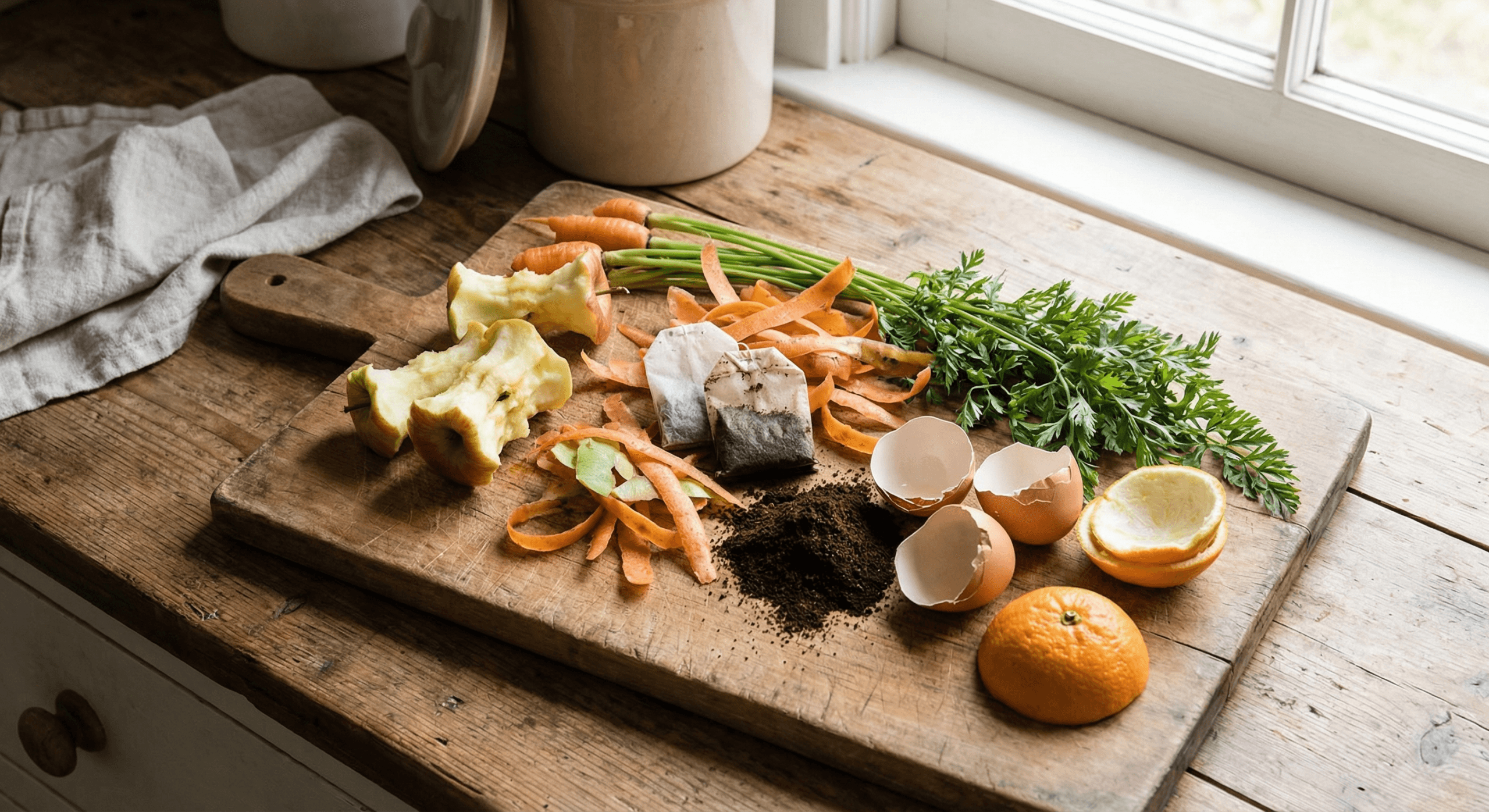
Most gardeners know the basics of composting — add your kitchen scraps and garden waste, give it time, and eventually you get compost. According to Gardeners’ World,
Most is one of the most rewarding skills a gardener can develop… The
Most process is explained in detail by the RHS composting guide, which covers everything from starting your bin to troubleshooting common problems… But moving beyond the basics means composting more of what you generate, composting it faster, and producing higher quality compost that your garden genuinely loves. In this comprehensive best guide, we’ll cover everything you need to know.
Shop Related Products: Compost Bin • Kitchen Caddy
For more on essential summer gardening:, see our guide.
For more on proven first-year vegetable, see our guide.
Related: Garden Planning 101: Mapping Out Your Garden Space Natural Pest Deterrents: Plants That Repel Pests
This guide goes further: what to compost, what to avoid, how to deal with tricky materials, and how to maximise the value of your compost.
Looking for quality gardening tools and supplies? Browse our recommended garden products — hand-picked by the GardenWizz team.
Composting Kitchen Waste:: Best: Composting: What Goes in Your Compost Bin?
The Greens (Nitrogen-Rich Materials)
These materials are moist, fast-breaking-down, and provide the nitrogen that feeds the bacteria doing the composting work.
– Fruit and vegetable scraps (everything from apple cores to carrot peelings)
– Coffee grounds and tea bags (remove staples from tea bags if possible)
– Fresh grass clippings (in thin layers — too many at once creates a slimy mat)
– Plant material (soft pruning, RHS pruning guide has detailed guidance on this topic.spent flowers, vegetable plants without disease)
– Green leaves and annual weeds (avoid perennial weed roots)
The Browns (Carbon-Rich Materials)
These are the structural materials that provide bulk, aeration, and the carbon that balances the nitrogen in greens.
– Cardboard and egg boxes (torn or shredded small)
– Newspaper (shredded, in moderation)
– Straw and hay
– Dried leaves
– Woody prunings (shredded or chipped)
– Hedge trimmings (shredded)
A Note on C:N Ratios
The ideal carbon-to-nitrogen ratio for fast, odor-free composting is roughly 25-30:1. In practice, this means adding roughly equal volumes of greens and browns — or slightly more browns. Too much nitrogen (greens) = smells. Too much carbon (browns) = slow decomposition.
The Trickier Kitchen Scraps
Coffee Filters and Tea Bags
Both are compostable, but many tea bags contain plastic (check the brand). Remove tea bags if in doubt. Coffee grounds are excellent — they are nitrogen-rich and improve the compost structure.
Fruit and Vegetable Scraps
Almost all fruit and vegetable scraps compost well. The exception is citrus peel — it is slow to decompose and can inhibit the composting process in cold conditions. If you have a hot compost system, citrus is fine; otherwise, add it sparingly or avoid it.
Cooked Food and Meat
This is where opinions differ:
Cold composting: Do not add cooked food, meat, fish, or dairy.These materials attract rats, flies, and other pests and cause strong odours in cold compost systems. RHS pest and disease guide has detailed guidance on this topic. A well-designed tumbling compost bin can help exclude pests and contain odours.
Hot composting: Meat, fish, cooked food, and small amounts of dairy can be added to a hot compost system that reaches 55-70 degrees C regularly. The heat kills pathogens and fly larvae and makes these materials safe to compost. If you are serious about composting all kitchen waste, hot composting is the answer.
Bread, Rice, and Pasta
These starchy foods break down quickly but can attract pests.In a cold compost system, RHS composting guide has detailed guidance on this topic.add sparingly or avoid. In a hot compost system, they are fine in moderation.
Onions and Garlic
These are safe to compost in small amounts in a garden compost bin. Some gardeners prefer to avoid them in worm bins (vermicomposting) as they can harm worms in high concentrations.
Beyond the Standard Bin: Bokashi
For households that generate a lot of cooked food waste, a Bokashi system is an excellent addition to standard composting.
Bokashi is a Japanese fermentation .The RHS soil testing guide provides detailed advice on understanding your soil type. RHS soil testing guide has detailed guidance on this topic..system that uses beneficial microorganisms to pickle kitchen waste, including meat, dairy, and cooked food — things that cannot go in a standard compost bin. The pickled waste can then be buried in soil or added to a compost bin, where it breaks down rapidly.
Bokashi buckets are compact and kitchen-friendly, making them ideal for flats and small spaces.
Vermicomposting (Worm Composting)
Vermicomposting uses special composting worms (Eisenia fetida, or brandling worms) to break down food waste in a contained system. Worm bins can be kept indoors or out, produce excellent compost and liquid feed, and are ideal for households that generate food waste but have limited outdoor space.
What worms eat:
– Fruit and vegetable scraps
– Coffee grounds and tea bags
– Eggshells
– Small amounts of cardboard and paper
What to avoid:
– Citrus in large quantities
– Onions and garlic (debated)
– Meat, fish, and dairy (can be added in very small amounts)
Worm compost is particularly valued for seed germination and potting compost due to its fine, crumbly textur. Gardeners’ World has an excellent mulching guide that covers materials and techniques..e and high nutrient content.
Making the Most of Your Compost
Where to Use It
– Soil improver: Fork into borders to improve structure, fertility, and water retention
– Mulch: Apply 5-8cm around established plants to suppress weeds and retain moisture
– Potting compost: Mix with perlite and/or garden soil for a custom potting mix
– Lawn top-dressing: Work into lawn aeration holes to improve soil quality
How to Know When It Is Ready
Finished compost is dark, crumbly, and earthy-smelling. You should not be able to identify any of the original materials. If you can see recognisable scraps, it is not finished yet — keep composting.
FAQ: Composting Kitchen Waste
What kitchen waste should not go in compost?
In a standard cold compost system: cooked food, meat, fish, dairy, large amounts of citrus, and oily foods. These attract pests and cause odours. Use Bokashi or hot composting if you want to process these materials.
Why does my compost smell bad?
Usually too much nitrogen (greens) or too much water. Add more browns (cardboard, dried leaves), aerate the pile by turning it, and cover if exposed to rain.
How do I compost citrus peel?
Citrus is slow to break down and contains compounds that inhibit some composting organisms. In small amounts, it is fine. In larger quantities, chop it up first or use a hot compost system.
Can I compost cardboard from pizza boxes?
Yes — remove any food scraps, tear or shred the cardboard, and add to your compost. Pizza boxes with food residue are fine but may attract pests if added in large quantities.
What is the fastest way to compost kitchen waste?
Hot composting with a good carbon-to-nitrogen ratio, regular turning, and maintained moisture can produce finished compost in 4-8 weeks. Bokashi fermentation pickles waste in 2-4 weeks, after which it needs another 1-2 months in soil to fully break down.
Can I compost in winter?
Decomposition slows significantly below about 10 degrees C, but a well-established compost bin will continue working through winter. Adding more material in winter is fine, though breakdown will be slow until spring.
Final Thoughts
Composting kitchen waste is one of the most genuinely satisfying things you can do for your garden and the environment. Every apple core, every tea bag, every carrot peel becomes something valuable — rich, dark compost that feeds your soil and grows your plants. The more of your kitchen waste you divert from landfill and into compost, the better for everyone.
For the composting basics, read our guide to Composting 101. And for more on hot vs cold composting, see our Advanced Composting guide.
Continue Reading
- 5-Step Essential Garden Tools: What Every UK Gardener Needs
- Complete Guide to Week 12 Spring Garden Jobs: May 17-23
- Complete Guide to Week 11 Spring Garden Jobs: May 10-16
- Complete Guide to Week 10 Spring Garden Jobs: May 3-9
- Complete Guide to Week 9 Spring Garden Jobs: April 26 – May 2
Frequently Asked Questions
When is the best time to do this?
The best time depends on your climate zone and what you are growing, but generally early morning or late afternoon when temperatures are cooler works best for most garden tasks.
How often should I check on my garden?
Regular attention is key — check your garden every few days during the growing season. This helps you catch problems early before they become serious.
Can beginners do this?
Absolutely! Start with a few simple tasks and build up gradually. Most garden jobs are beginner-friendly with the right guidance.
What is the most important thing to remember?
Consistency matters more than perfection. Little and often beats occasional marathon sessions. Even 10-15 minutes of daily attention yields great results.
