


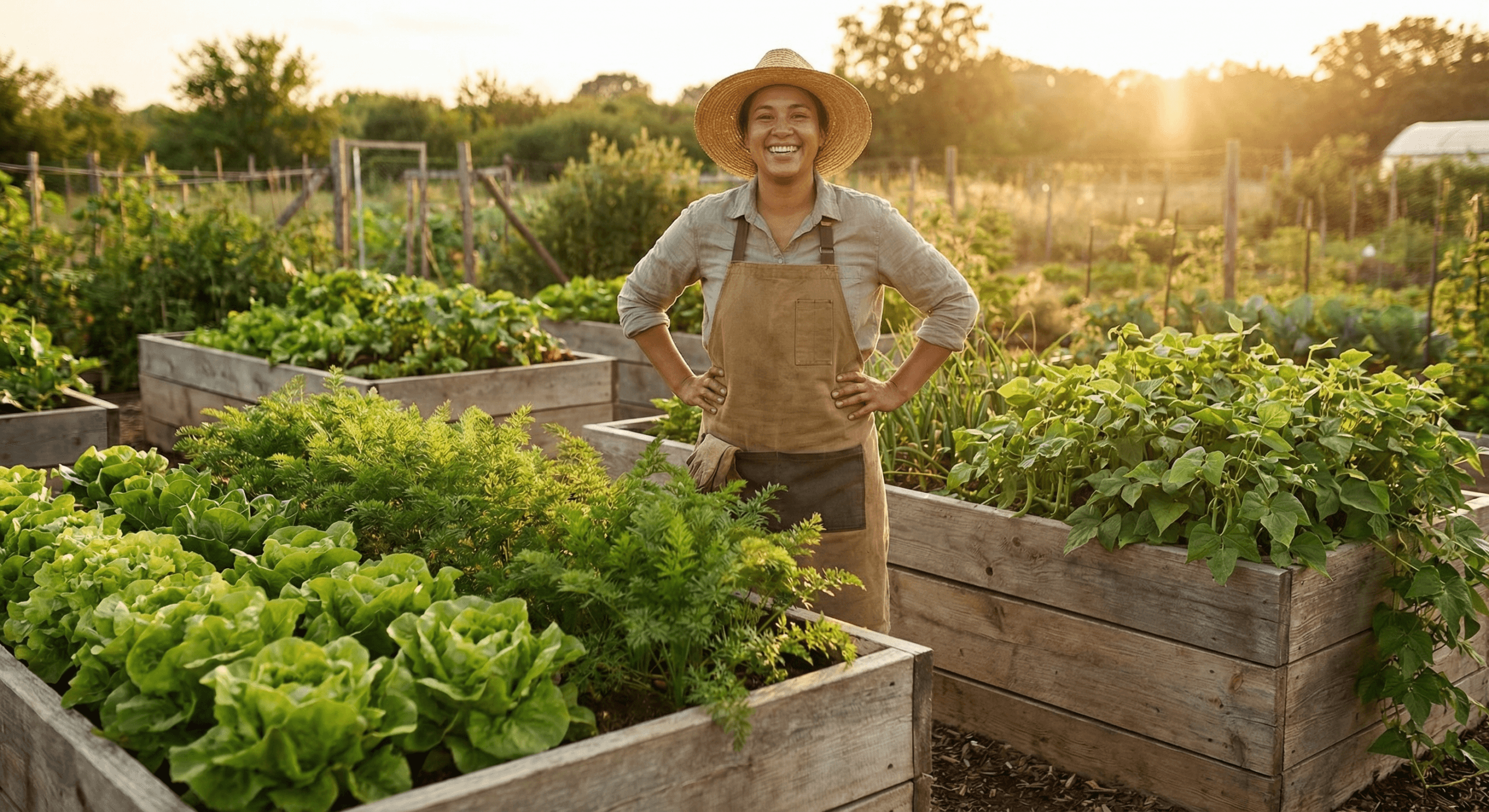
Starting your first vegetable garden is genuinely exciting — and genuinely overwhelming. There is so much to learn, and the internet is full of advice ranging from brilliant to bewildering. The good news: every experienced vegetable gardener was once a complete beginner, and the mistakes they made are entirely avoidable. This guide will help you start well. In this comprehensive firstyear guide, we’ll cover everything you need to know. In this comprehensive proven guide, we’ll cover everything you need to know.
Shop Related Products: Tomato Cage
For more on essential summer gardening:, see our guide.
For more on essential mulching: single, see our guide.
Related: Garden Planning 101: Mapping Out Your Garden Space Natural Pest Deterrents: Plants That Repel Pests
Looking for quality gardening tools and supplies? Browse our recommended garden products — hand-picked by the GardenWizz team.
First-Year Vegetable Garden:: Proven: Firstyear: Start Small: The Most Important Piece of Advice
The biggest mistake first-time vegetable gardeners make is starting too big.An enthusiastic quarter allotment feels achievable in March; by July, with weeds thriving, watering becoming a twice-daily chore, RHS watering guidelines has detailed guidance on this topic.and crops going unpicked, it becomes a source of stress rather than joy. The RHS watering guidelines cover efficient watering techniques for gardens of all sizes…
Start with what you can comfortably manage — even a 2m x 2m raised bed or a dozen containers can produce a meaningful harvest. Expand once you have got the basics cracked.
Choosing the Right Spot
Vegetables need sun. Most productive crops — tomatoes, courgettes, beans, peppers — need at least 6-8 hours of direct sunlight daily.Leafy crops (lettuce, RHS leafy crops guide has detailed guidance on this topic.spinach, kale) will tolerate somewhat less.
Check for:
– Sunlight: Watch your potential site through the day. South-facing is ideal.
– Wind exposure: Strong winds damage tall crops and dry out soil. RHS soil testing guide has detailed guidance on this topic. The RHS soil testing guide provides detailed advice on understanding your soil type… A sheltered spot is valuable.
– Water access: The further you have to carry a watering can, the less likely you are to water consistently.
– Soil condition: Is it free-draining? Waterlogged soil kills vegetables. RHS vegetables growing guide has detailed guidance on this topic. If in doubt, raised beds are a reliable solution.
Planning Your First Vegetable Garden
The Classic Beginner Crops
These vegetables are genuinely forgiving of beginner mistakes and provide rapid, satisfying rewards:
– Lettuce and salad leaves — Fast-growing (4-6 weeks), and you can pick individual leaves without harvesting the whole plant
– Radishes — Ready in as little as 4 weeks; almost impossible to fail
– French beans — Productive, easy to grow; freezing is not even necessary
– Courgettes — Invaluable first-year vegetables; each plant produces enormous quantities through summer
– Potatoes — Planted in March/April and practically foolproof; there is something magical about harvesting your first new potatoes
– Herbs — Basil, parsley, coriander, chives: easy in pots, transform your cooking
Crops to Avoid in Your First Year
Be honest about your experience level. These crops are rewarding for experienced growers but often frustrate beginners:
– Brassicas — Targeted by a remarkable number of pests; better after you have learned to manage them
– Carrots — Prone to problems in poor soil; weeds outcompete them easily
– Parsnips — Very slow to germinate (3+ weeks); weeds overwhelm them
– Leeks — Long growing season and need transplanting; better in year two
Common First-Year Mistakes
1. Planting Too Early or Too Late
Follow the seed packet instructions rather than the calendar. Cold, wet soil kills seedlings. Sowing too late means crops do not have enough warmth or time to mature.
A soil thermometer eliminates a lot of guesswork and is one of the best investments you can make.
2. Overwatering
New gardeners often overwater. Vegetables need consistent moisture but not waterlogging. Check the soil with your finger before watering — if it feels damp below the surface, leave it alone.
3. Neglecting Weeds
Weeds compete with vegetables for water, nutrients, and light. A ten-minute weed every week prevents the problem from becoming overwhelming. A Dutch hoe is the most efficient tool — a Dutch hoe for slicing through weeds — slice through emerging weed seedlings weekly and barely any will establish.
4. Sowing Too Thickly
Seed packets contain far more seed than a beginner needs. Using too many seeds creates overcrowded seedlings that compete, resulting in weak plants. Read the spacing instructions and follow them.
5. Ignoring Pests Until It Is Too Late
Check your plants every couple of days. Look under leaves for aphids, examine leaves for holes, watch for caterpillar damage. Catching problems early makes them far easier to manage.
6. Not Feeding
Container-grown vegetables in particular need regular feeding. A liquid tomato feed every couple of weeks during the growing season makes an enormous difference.
Understanding Growing Space Requirements
A common beginner mistake is underestimating how much space vegetables need:
– A single courgetge plant needs roughly 1 square metre
– A tomato plant in a grow bag needs the entire bag to itself
– Beans need rows at least 45cm apart
– A single lettuce needs 30cm — but you can intercrop with slower-growing crops
Read the seed packet before planting and respect the spacing guidance. It looks absurdly sparse when you first plant it — and that is correct.
FAQ: First-Year Vegetable Gardening
When should I start my first vegetable garden?
Start planning in winter/early spring (January-March). Sow seeds indoors from March for heat-loving crops (tomatoes, peppers) and direct sow outdoors from April onwards for hardy crops (lettuce, peas, broad beans).
Do I need raised beds?
Not necessarily — but they are helpful if your soil is poor, waterlogged, or if you want clean, defined growing areas. Containers work perfectly well for most crops.
What is the easiest vegetable to grow?
Courgettes, French beans, lettuce, radishes, and potatoes are all near-guaranteed successes for beginners.
How much can I realistically grow in my first year?
More than you expect, if you choose the right crops. In a modest 2m x 3m plot, you could realistically grow 50-100 pounds worth of fresh produce in a season.
Should I follow a crop rotation plan from year one?
It is a good idea to understand crop rotation (do not grow the same family in the same spot year after year), but it is not essential in year one. Keep simple notes of what you grew where and plan rotation for year two.
What do I need to buy for seed starting?
Trays or small pots, seed compost, labels, a watering can with a fine rose, and somewhere warm and bright (a windowsill works fine for most seeds). According to Gardeners’ World,
is one of the most rewarding skills a gardener can develop… The
process is explained in detail by the RHS composting guide, which covers everything from starting your bin to troubleshooting common problems… A heated propagator helps for heat-loving crops.
Final Thoughts
Your first year vegetable garden will be imperfect — and that is perfectly fine. You will learn more from your actual experiences than from any guide, and the satisfaction of eating your first self-grown courgette or potato is genuinely hard to describe. Start small, choose forgiving crops, visit your garden every couple of days, and enjoy the process.
For more on getting started, read our guide to Seed Starting for Beginners. And for year-round growing, check out Seasonal Gardening.
