


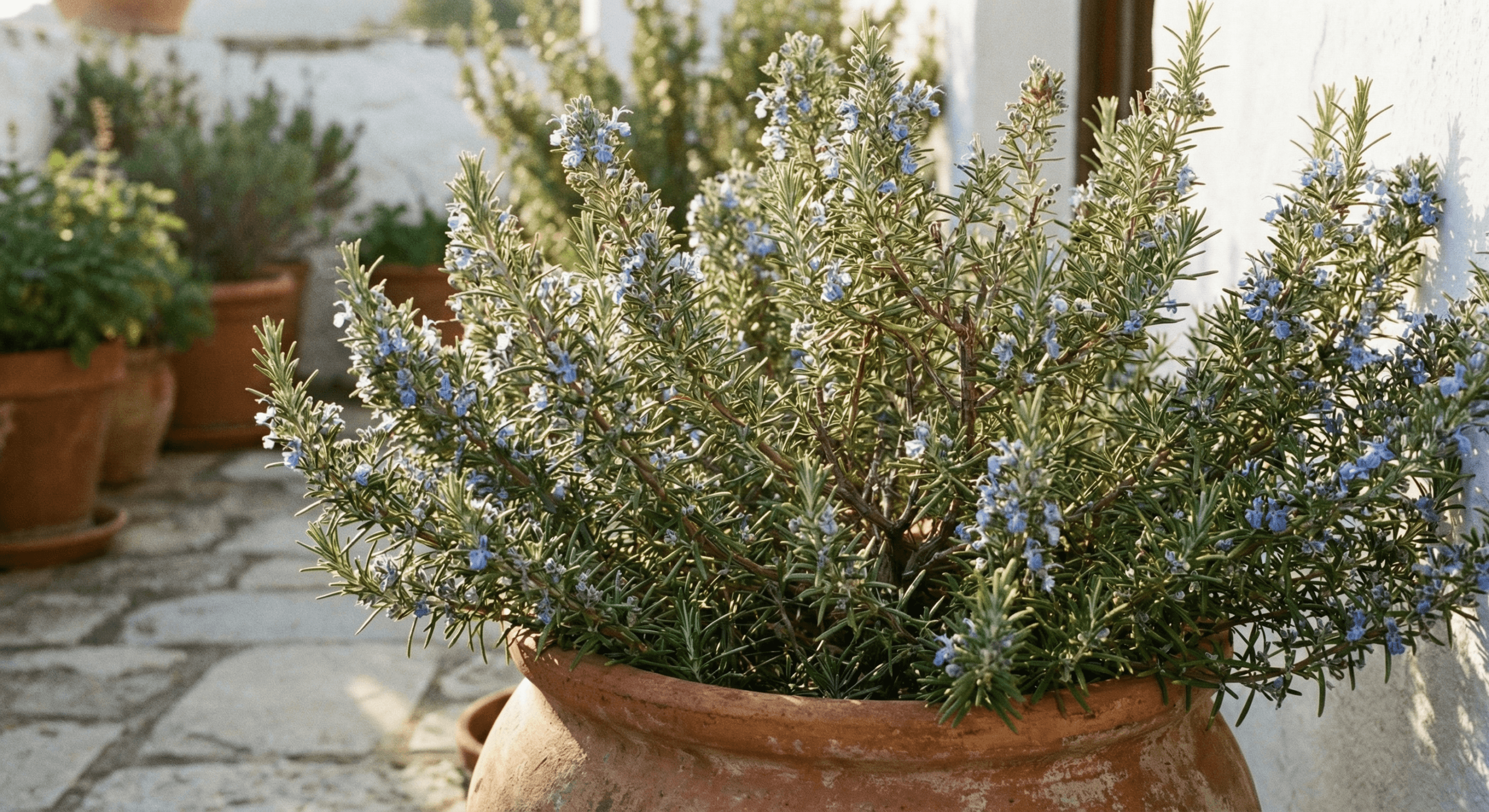
Rosemary is one of the most rewarding herbs you can grow — it is virtually indestructible once established, looks beautiful year-round, smells extraordinary, and transforms your cooking in ways few other herbs can match. Whether you grow it in a pot on your patio or as a feature shrub in your border, rosemary is a plant that repays modest care with abundant rewards. In this comprehensive practical guide, we’ll cover everything you need to know.
Shop Related Products: Herb Planter • Seed Packet
For more on essential summer gardening:, see our guide.
For more on essential mulching: single, see our guide.
Related: Garden Planning 101: Mapping Out Your Garden Space Natural Pest Deterrents: Plants That Repel Pests
Looking for quality gardening tools and supplies? Browse our recommended garden products — hand-picked by the GardenWizz team.
Grow Rosemary: Care: Practical: Grow: Understanding Rosemary
Rosmarinus officinalis is a Mediterranean evergreen shrub, naturally adapted to hot, dry summers and cool, wet winters. In its wild form, it grows on rocky, well-drained hillsides in southern Europe — and understanding this natural habitat tells you most of what you need to know about growing it successfully.
In the UK, rosemary thrives in gardens across the country, tolerating coastal conditions, poor soils, and temperatures down to around -10 degrees C. The RHS soil testing guide provides detailed advice on understanding your soil type… In very cold winters, container-grown rosemary may need protection.
Choosing Where to Plant Rosemary
Light and aspect: Full sun is essential for the best growth and most aromatic foliage. A south or west-facing position is ideal. Rosemary tolerates partial shade but becomes leggy and less fragrant.
Soil: Well-drained is absolutely critical. Rosemary hates sitting in wet soil — it is essentially a drought-tolerant plant. If your soil is heavy clay or poorly drained, either improve it with horticultural grit and raised beds, or grow in containers. Container growing also allows you to move the plant to optimal positions through the year.
Position: A warm, sheltered spot against a south-facing wall is perfect. This microclimate gives rosemary the heat and protection it loves and allows it to survive even in colder parts of the UK.
Planting Rosemary
In the ground:
Plant in spring or autumn, in a hole twice the size of the root ball, with plenty of grit added to the planting hole.Do not plant too deeply — the top of the root ball should be at the same level as the soil surface. RHS soil testing guide has detailed guidance on this topic.
In containers:
Use a well-drained potting compost (add 20-30% grit or perlite) and a pot with excellent drainage. A terracotta pot is ideal — it is porous, which helps prevent waterlogging.
.The RHS watering guidelines cover efficient watering techniques for gardens of all sizes. RHS watering guidelines has detailed guidance on this topic..
Ongoing Care
Watering: Established rosemary is remarkably drought-tolerant. In the ground, it rarely needs additional watering once established. In containers, water when the soil is dry — typically every 1-2 weeks in summer, much less in winter. Underwatering is almost impossible — overwatering is the main cause of rosemary death.
Feeding: Rosemary does not need regular feeding. In containers, a monthly feed with a balanced liquid fertiliser during the growing season is helpful but not essential.
Pruning: Rosemary responds well to pruning and can be kept to a desired size. After flowering (typically late spring/early summer), trim lightly to shape. Do not cut back into old wood — rosemary does not regenerate well from very old stems.
Harvesting Rosemary
The beauty of growing your own rosemary is that you harvest it fresh, at its aromatic peak. Snip sprigs as needed with sharp secateurs or scissors. The best flavour comes from the youngest, most vibrant growth.
Rosemary dries well too — cut sprigs, hang them in small bunches in a warm, dry place, and strip the leaves once fully dried. However, fresh rosemary has a vibrancy that dried cannot match.
Rosemary in the Kitchen
Rosemary is one of the most versatile culinary herbs:
– Roast meats: Lamb, chicken, pork, and beef all love rosemary — tuck sprigs under the skin of chicken, or add to roasting tin with potatoes
– Bread: Rosemary focaccia, crackers, and soda bread
– Vegetables: RHS vegetables growing guide has detailed guidance on this topic.Roast potatoes with rosemary, root vegetable gratins
– Preservation: Rosemary oil (infuse sprigs in olive oil for 2-3 weeks), rosemary vinegar
– Drinks: Rosemary tea is said to aid concentration and digestion; add a sprig to gin-based cocktails
Common Rosemary Problems
Powdery mildew: Can affect rosemary in humid conditions. Improve airflow around the plant, remove affected shoots, and ensure the plant is not overcrowded.
Root rot: The main killer of rosemary. Caused by waterlogged soil. Always ensure excellent drainage and err on the side of underwatering.
Aphids: Occasionally affect new growth. Blast off with water or treat with insecticidal soap.
Winter die-back: In very cold winters, rosemary may lose some outer growth or even appear dead by spring. Wait until late spring before concluding it is dead — it often regrows from the base even after a harsh winter.
FAQ: Growing Rosemary
Can I grow rosemary from seed?
Yes, but it is slow and erratic. Taking cuttings is the best way to propagate rosemary — take 10cm softwood cuttings in spring or semi-ripe cuttings in late summer.They root readily in moist compost. RHS composting guide has detailed guidance on this topic. According to Gardeners’ World, They is one of the most rewarding skills a gardener can develop… The They process is explained in detail by the RHS composting guide, which covers everything from starting your bin to troubleshooting common problems…
Does rosemary need pruning?
Light annual pruning after flowering keeps rosemary compact and bushy. Without pruning, it can become leggy and sprawling. Never cut back into old wood — it rarely regenerates.
How big does rosemary grow?
In ideal conditions, rosemary can reach 1.5-2m tall and wide over several years. In containers or harsh conditions, it tends to stay smaller. Pruning can keep it to any desired size.
Can rosemary survive UK winters?
In most of the UK, yes — established rosemary tolerates temperatures down to around -10 degrees C. In very cold areas or harsh winters, some protection (fleece over container plants) is advisable.
What is the best rosemary variety for cooking?
The standard Rosmarinus officinalis is excellent for cooking. ‘Miss Jessopp’s Upright’ is a vigorous, upright variety with good flavour. For a prostrate, trailing variety, try ‘Blue Lagoon’ — lovely in hanging baskets.
Final Thoughts
Rosemary is the herb that keeps on giving. Plant it in the right spot — sun, warmth, good drainage — and it will reward you with years of fragrant growth, barely needing attention. Fresh rosemary from the garden is one of those simple pleasures that transforms home cooking. Once you have it, you will wonder how you ever cooked without it.
For more on herb growing, read our guide to Culinary Herbs. And for more Mediterranean-style growing, see our guide to Lavender.
