


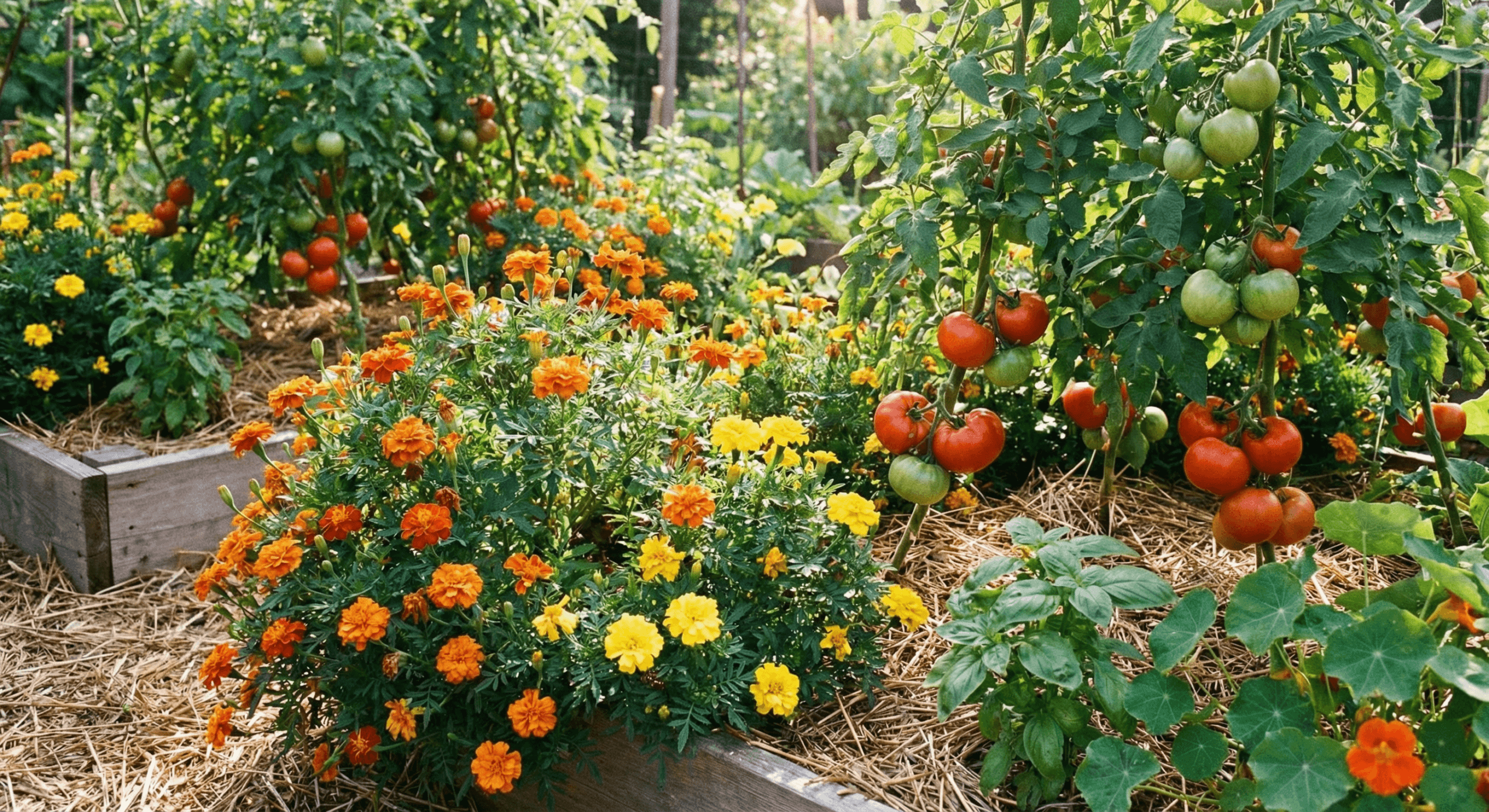
Companion planting is one of the most effective natural pest control methods available to gardeners — it costs nothing, requires no special equipment, and harnesses the natural relationships between plants to reduce pest pressure across the garden. The principle is straightforward: certain plants grown together repel, confuse, or attract the pests and beneficial insects that affect each other. Used well, companion planting can dramatically reduce the need for intervention.
Natural Pest Control:: What You’ll Need
Before you start, gather these essentials:
- French marigold seeds — French marigold seeds for companion planting
- Companion planting guide — Comprehensive companion planting guide for UK gardeners
- Organic pest spray — Organic pest spray foraphid and caterpillar control
- Gardening gloves — Durable gardening gloves for garden work
How Companion Planting Works
Companion planting works through several mechanisms. The first is pest confusion — many pest insects locate their host plants by scent. Strong-smelling plants like basil, mint, and alliums confuse these chemical signals, making it harder for pests to find their target. The second is repellent scent — some plants produce natural compounds that actively repel specific pests. French marigolds (Tagetes patula) produce thiopene compounds that repel whitefly, aphids, and nematodes. The third is trap cropping — sacrificing a less valuable plant to draw pests away from the main crop. And the fourth is beneficial insect habitat — flowers like phacelia, calendula, and dill attract predatory insects (ladybirds, lacewings, hoverflies) that eat aphids and other pests.
Classic Companion Planting Combinations That Work
Tomatoes and basil: The classic Mediterranean pairing. Basil is believed to repel aphids, whitefly, and tomato hornworm, as well as improving the flavour of tomatoes. Both plants share similar growing requirements — warmth, sun, and regular watering — making them natural companions in the kitchen and the garden.
Brassicas and aromatic herbs: Cabbage white butterflies locate brassicas (cabbage, kale, broccoli, Brussels sprouts) by scent. Planting strongly aromatic herbs — thyme, rosemary, sage, hyssop, and lavender — between brassica plants confuses the butterflies and reduces caterpillar damage. French marigolds also work well as a border planting around brassica beds.
Carrots and alliums: Carrot fly is a serious pest that lays eggs at the base of carrot plants; the larvae burrow into the roots and ruin the crop. The fly is attracted by the scent of bruised carrot foliage. Growing onions, leeks, or chives nearby masks the carrot scent and significantly reduces carrot fly damage. This is one of the most well-documented and reliable companion planting combinations.
Nasturtiums and brassicas or beans: Nasturtiums are a sacrificial trap crop for aphids — they attract blackfly and whitefly away from brassicas and beans. Plant nasturtiums at the edges of the vegetable plot or in pots nearby; the aphids colonise the nasturtiums and spare your main crop. Destroy or remove heavily infested nasturtium plants to reduce pest numbers further.
Beans and sweetcorn (the Three Sisters): An ancient combination. Beans fix nitrogen from the air and release it through their roots, feeding the nitrogen-hungry sweetcorn. The sweetcorn provides support for the climbing beans. Courgettes or squash planted at the base shade the soil, reducing water loss. The combination of three different plant structures and root depths also confuses pests.
Plants That Attract Beneficial Insects
Natural predators are the most effective form of pest control in any garden. Providing habitat and food for beneficial insects means they establish in your garden and keep pest numbers in check year after year:
- Ladybirds: Both adults and larvae are voracious aphid predators. Adult ladybirds feed on nectar and pollen, so plant dill, fennel, yarrow, and calendula to attract and sustain them.
- Lacewings: Both larvae and adults eat large numbers of aphids, scale insects, and small caterpillars. Attracted by strong-scented flowers — fennel, dill, and sweet clover are particular favourites.
- Hoverflies: Adult hoverflies feed on nectar and pollen (they need it to reproduce); their larvae are significant aphid predators. Plant umbellifers (dill, fennel, phacelia, carrot flowers left to bolt) to attract them.
- Ground beetles: Night-active predators that eat slugs, snails, and caterpillar eggs. Provide habitat with log piles, stone piles, and dense ground cover.
- Bees: Essential pollinators for vegetable and fruit crops. Even and flower-rich gardens support more bees, which in turn pollinate more crops. Lavender, borage, phacelia, and comfrey are excellent bee plants.
Plants That Repel Specific Pests
- French marigolds (Tagetes patula): Repel whitefly, aphids, and soil nematodes. Plant around tomatoes, brassicas, and beans. The roots also release substances that suppress some soil-borne diseases.
- Nasturtiums: Repel or distract aphids, whitefly, and cucumber beetles. Plant as a trap crop near vulnerable vegetables.
- Garlic and chives: Planted around roses and fruit trees, the strong scent confuses aphids and deterred some other sap-sucking insects.
- Lavender: The strong scent confuses and repels many insect pests. Planted around brassicas it reduces cabbage white damage; near roses it helps deter aphid colonies.
- Fennel and dill: Repel aphids and attract beneficial insects, but both can inhibit the growth of some plants (tomatoes in particular) so keep them at a distance.
Planning a Companion Planting Garden
The key to successful companion planting is planning before planting. Draw out your vegetable beds and consider the pest pressures each crop faces and which companion plants would help. A systematic approach is more effective than adding plants randomly.
Rotate companion combinations seasonally — don’t plant the same companions in the same place every year, as some soil-borne effects can become unbalanced. Keep notes of what worked and what didn’t — companion planting benefits from accumulated experience over seasons.
Start with the most reliable combinations (tomato and basil; carrot and alliums; brassicas and aromatic herbs) and expand your repertoire from there. Over time, you’ll develop an intuition for how plants interact in your specific garden, and companion planting will become second nature.
Limitations of Companion Planting
Companion planting is not a complete solution on its own. In a garden with heavy pest pressure, it reduces damage but may not eliminate it entirely. It works best as part of an integrated approach that includes good garden hygiene (removing pest habitats, clearing crop debris), encouraging natural predators, and the occasional targeted intervention when needed. But used consistently, companion planting significantly reduces the frequency and severity of pest problems — and is entirely free.
Frequently Asked Questions
When is the best time to do this?
The ideal time depends on your climate and the specific plants involved. Generally, early morning or late afternoon are best to avoid the heat of the day.
How often should I check on this?
Check your garden at least once a week during the growing season to catch any issues early and keep on top of tasks.
Can I do this in a container instead?
Many garden tasks can be adapted for containers. Use a good quality potting compost and ensure containers have adequate drainage holes.
What if I don’t have the right tools?
Start with the basics — a trowel, fork, gloves, and watering can will get you a long way. Add tools as you need them.
Related Articles
For more help with your garden, check out these related guides:
- Natural Pest Control: Companion Planting That Works
- Beginner’s Guide to Sweet Peas
- Best Plants for Pollinators
- Herb Garden Guide
Continue Reading
- 5-Step Essential Garden Tools: What Every UK Gardener Needs
- Complete Guide to Week 12 Spring Garden Jobs: May 17-23
- Complete Guide to Week 11 Spring Garden Jobs: May 10-16
- Complete Guide to Week 10 Spring Garden Jobs: May 3-9
- Complete Guide to Week 9 Spring Garden Jobs: April 26 – May 2
Frequently Asked Questions
When is the best time to do this?
The best time depends on your climate zone and what you are growing, but generally early morning or late afternoon when temperatures are cooler works best for most garden tasks.
How often should I check on my garden?
Regular attention is key — check your garden every few days during the growing season. This helps you catch problems early before they become serious.
Can beginners do this?
Absolutely! Start with a few simple tasks and build up gradually. Most garden jobs are beginner-friendly with the right guidance.
What is the most important thing to remember?
Consistency matters more than perfection. Little and often beats occasional marathon sessions. Even 10-15 minutes of daily attention yields great results.
