


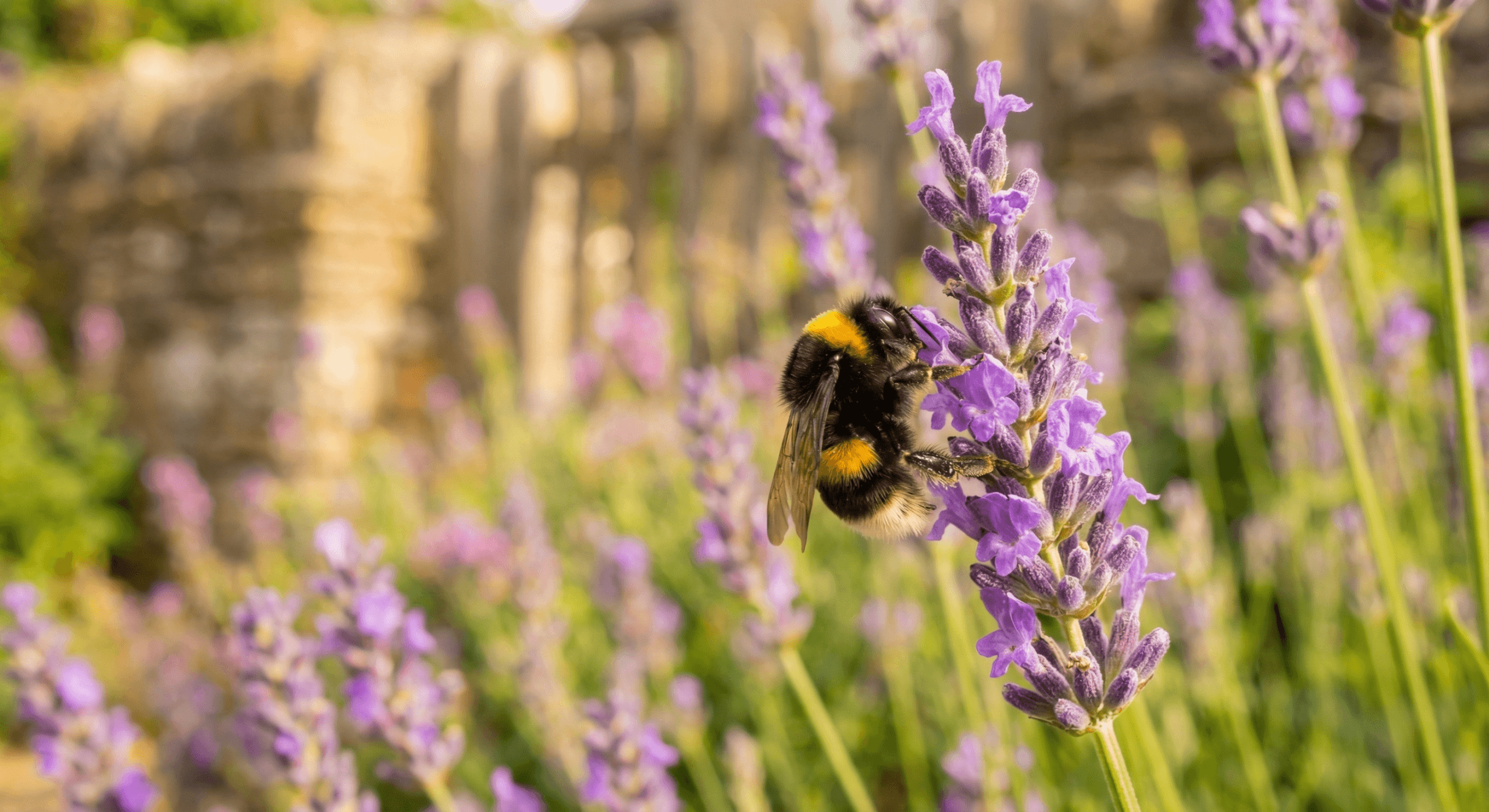
Britain’s bees are in trouble — and your garden could be part of the solution. With honeybee colonies declining across the UK, planting the right flowers is one of the most impactful things any gardener can do. This guide covers everything you need to create a garden buzzing with life from spring through to autumn.
Plants Pollinators: Bee-Friendly: What You’ll Need
Before you start planting, gather these essentials:
- Bee-friendly plants — Lavender, borage, foxglove, and hebe are excellent starting points. Browse bee plant collections on Amazon UK
- A bee hotel — Solitary bees need dry, undisturbed spaces to nest. Find bee hotels on Amazon UK
- Quality plant food — Healthy plants produce more nectar. Organic plant food on Amazon UK
- A good watering can or hose — Consistent watering is key, especially for container plants. Watering cans on Amazon UK
Top 10 Bee Plants for UK Gardens
These plants are tried-and-tested favourites among British pollinators:
- Lavender (Lavandula angustifolia) — The undisputed champion. Bees go mad for it, and it thrives in sunny UK borders.
- Borage (Borago officinalis) — The starflower. Incredible nectar producer, self-seeds readily, and flowers for months.
- Wildflower meadow mix — A blend of ox-eye daisy, red campion, and knapweed. RHS guide to wildflower meadows
- Foxglove (Digitalis purpurea) — Perfect for shady spots and beloved by bumblebees.
- Verbena bonariensis — Tall, airy, and endlessly attractive to pollinators.
- Hebe — Evergreen, late-flowering, and brilliant for late-season bees.
- Salvia (Salvia nemorosa) — Long-lasting blooms and drought-tolerant once established.
- Catmint (Nepeta x faassenii) — Fuzzy leaves, purple flowers, and bees adore it.
- Scabious — Long-flowering and excellent for butterflies too.
- Echinacea — Modern hybrids work well; leave seedheads for goldfinches in autumn.
For more plant ideas, check the Buglife Plants for Pollinators guide — a UK-specific resource backed by conservation science.
Planting for Pollinators: Timing and Technique
Success comes from stacking your blooming season. Plant a mix of early, mid, and late-season flowers:
- March–April: Crocuses, hellebores, and willow are critical early food sources for queen bumblebees emerging from hibernation.
- May–July: The main nectar flow. Lavender, borage, and meadow flowers peak here.
- August–September: Ivy, sedum, and late salvias keep colonies going into autumn.
Group plants in drifts of five or more — bees are efficient and prefer concentrated feeding zones. Avoid pesticides, especially neonicotinoids, which are linked to bee decline (Gardeners’ World).
Plants to Avoid
Not all flowers are helpful. Avoid:
- Double-flowered hybrids (they often lack pollen and nectar)
- Semi-double roses and pelargoniums
- Impatiens and begonia bedding plants
- Any plant treated with systemic pesticides
Single, open flowers are always better than ornamental doubles.
Water and Shelter
Bees need water — but they can drown easily. A shallow dish with pebbles or a bee water station gives them safe access. For shelter, leave a wild corner of your garden undisturbed: log piles, stone walls, and bare soil provide nesting sites for solitary bees. RHS wildlife gardening advice has excellent tips on creating these habitats.
Frequently Asked Questions
Do bees only visit gardens with lots of space?
No. A single window box of borage can attract dozens of bees. Every space counts.
Are bumblebees different from honeybees?
Yes. Bumblebees are robust, fuzzy, and excellent pollinators of tomatoes and soft fruit. Honeybees live in large colonies and forage further. Both benefit from the same plants.
What’s the single best plant for bees?
Lavender is the all-round winner — long-lasting, drought-tolerant, and visited by bees, butterflies, and hoverflies alike.
Can I help if I only have a balcony?
Absolutely. Potted lavender, trailing nasturtiums, and a hanging basket of petunias make a big difference.
Start Your Bee-Friendly Garden Today
You don’t need a big plot or a big budget — just the right plants and a willingness to let your garden get a little wilder. Every lavender sprig, every borage plant, every undisturbed corner is a vote for thriving pollinators.
Browse our full range of garden plants or read our guide to shade-loving plants for UK gardens for more inspiration. Happy planting!
Frequently Asked Questions
When is the best time to attract pollinators to your garden?
Plant nectar-rich flowers from early spring through to late autumn.
Do I need any special equipment?
Just plants! Avoid pesticides and provide water sources too.
Can beginners do this?
Very easy – just add some bee-friendly plants and watch them visit.
How long does it take?
Pollinators will find your garden within days to weeks of planting.
