


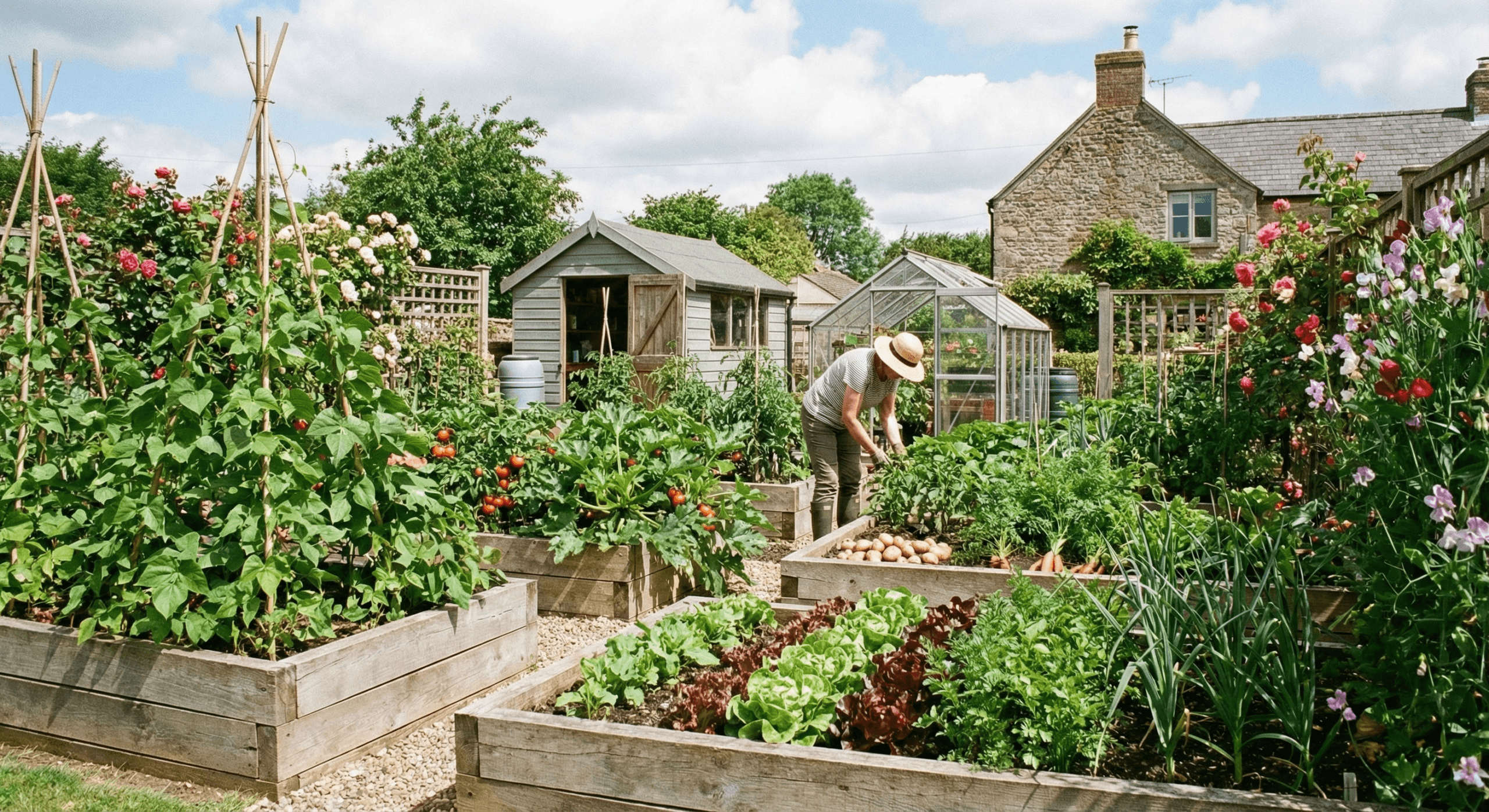
Raised beds are one of the most effective ways to maximise your growing space, improve yields, and take control of your soil conditions. Whether you’re gardening on heavy clay, a patio, or just want a more organised, productive plot, raised beds offer genuine advantages over traditional in-ground growing.
Raised Gardening: Maximise: What You’ll Need
Before you start, gather these essentials:
- Raised bed kit — Modular raised bed kit for instant installation
- Compost — Quality organic compost for raised beds
- Irrigation kit — Drip irrigation kit for consistent watering
- Plant supports — Bamboo supports and pea netting for climbers
Benefits of Raised Beds
The case for raised beds is compelling. First, they give you complete control over soil quality — you fill them with exactly the mix your crops need, rather than being at the mercy of your native soil. This is transformative on clay, chalk, or sandy soils where improving the ground would take years of work.
Second, raised beds warm up faster in spring than the surrounding ground. This means you can sow and plant earlier — a genuine advantage in the UK’s cool spring climate. Third, they improve drainage dramatically, which benefits almost all vegetable crops.
Fourth, and perhaps most importantly, raised beds transform the ergonomics of gardening. If you’ve ever struggled with bending down to ground level, raised beds bring the growing surface up to a much more comfortable height — even waist-height beds eliminate most bending.
Finally, raised beds naturally define growing areas and paths, making crop rotation easier to plan and weeds easier to manage. The contained, elevated growing area creates a psychological shift too — it feels more like a garden and less like a chore.
What to Grow in Raised Beds
Almost anything can be grown in a raised bed, but some crops particularly suit this method:
- Vegetables: Root vegetables benefit from the stone-free, well-drained soil. Leafy greens thrive with consistent moisture. Tomatoes, peppers, and aubergines love the extra warmth. Beans, peas, and brassicas all perform well.
- Herbs: Mediterranean herbs (rosemary, thyme, oregano, sage) love the sharp drainage that raised beds provide.
- Soft fruit: Strawberries, blueberries (in ericaceous compost), and raspberries all do well in raised beds.
- Flowers: Cutting garden flowers, annuals for pollinators, and even roses thrive in raised beds.
The Perfect Soil Mix
The soil mix in a raised bed is everything. You’re completely dependent on what you put in, so get this right and your beds will be productive for years.
A common recipe for vegetable raised beds is:
- 50-60% topsoil (quality screened topsoil is the foundation)
- 30-40% well-rotted organic matter (garden compost, well-rotted manure, or leaf mould)
- 10% horticultural grit or sharp sand (improves drainage and structure)
Over time, the organic matter breaks down and levels drop. Top up every autumn with fresh compost — by the following spring your beds will be ready for another season.
Watering Raised Beds
Raised beds drain faster than in-ground soil, which means they also dry out faster. This is one of their few genuine disadvantages. In summer, raised beds may need watering every day during hot weather.
Drip irrigation is the most efficient solution. A simple drip kit with a timer means consistent, targeted watering at soil level — far better than overhead sprinklers, which waste water and encourage fungal diseases. Install irrigation at planting time before plants fill out.
Mulching the surface of beds with straw, compost, or bark chips also helps significantly — it reduces surface evaporation and keeps roots cool. Aim for a 5-8cm layer.
Crop Combinations for Raised Beds
The contained space of a raised bed rewards careful planning. Companion planting — growing complementary crops together — maximises what you can fit in:
- The Three Sisters: Beans, sweetcorn, and squash grown together — the beans fix nitrogen for the others, the sweetcorn provides support, and the squash shades the soil.
- Tomatoes + basil + carrots: Classic Mediterranean trio, sharing a sunny bed with similar water needs.
- Brassicas + lavender: The strong scent of lavender confuses cabbage white butterflies, reducing caterpillar damage.
- Lettuce + radishes + spring onions: Quick crops that fill gaps while slower-growing plants establish.
Crop Rotation in Raised Beds
Crop rotation prevents the buildup of soil-borne pests and diseases and ensures nutrients are used efficiently. In raised beds, rotation is easier because each bed is clearly defined. Follow a simple four-year rotation:
- Brassicas (cabbage, broccoli, kale, Brussels sprouts) — prefer firm soil, add lime if needed
- Roots and legumes (carrots, parsnips, peas, beans) — avoid fresh manure
- Alliums and solanaceous (onions, garlic, tomatoes, potatoes) — need feeding
- Fruiting and leafy crops (courgettes, cucumbers, lettuce, spinach)
Keep a simple plan or notebook showing what was planted in each bed each year. After four years, the cycle repeats.
Getting Started
You don’t need expensive kits to start raised bed gardening. Simple timber frames, old railway sleepers, or even bricks and blocks work perfectly well. The key dimensions to aim for: no more than 1.2m wide (so you can reach the centre from either side without stepping on the soil), and as long as your space allows. Height is up to you — even 15-20cm makes a difference, but waist-height beds (60-90cm) are far more comfortable to work with if back pain is a concern.
Raised beds are one of the best investments a kitchen gardener can make. They improve drainage, extend the growing season, give you control over your soil, and make the whole experience more comfortable and organised. Start with one bed and see the difference it makes — most gardeners end up adding more.
Frequently Asked Questions
When is the best time to raised bed gardening?
Build beds in autumn or early spring. Plant from March onwards.
Do I need any special equipment?
Timber or sleepers for beds, quality compost, and mesh if pests are an issue.
Can beginners do this?
Perfect for beginners – easier to control soil quality and weeding.
How long does it take?
Building takes a weekend. Maintenance is weekly.
Related Articles
For more help with your garden, check out these related guides:
