


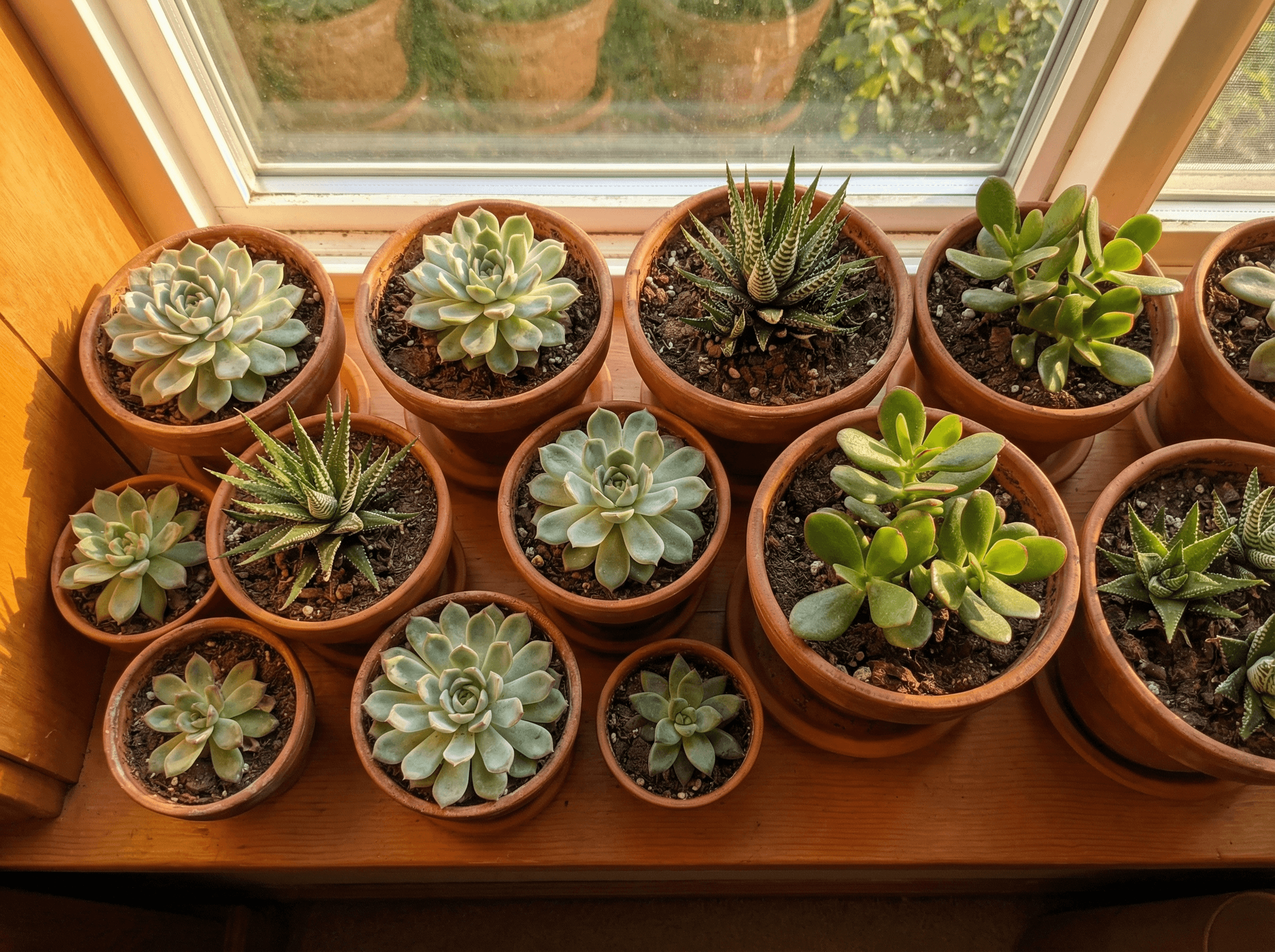
Succulents are the ultimate crowd-pleasers. They come in extraordinary shapes, vivid colours, and endlessly fascinating textures — and they’re forgiving enough to thrive even when you occasionally forget to water them.The RHS watering guidelines cover efficient watering techniques for gardens of all sizes… If you’re looking for plants that look impressive but ask very little in return, succulents are the answer. RHS watering guidelines has detailed guidance on this topic. In this comprehensive complete guide, we’ll cover everything you need to know.
Related: Garden Planning 101: Mapping Out Your Garden Space Natural Pest Deterrents: Plants That Repel Pests
For more on essential summer gardening:, see our guide.
For more on essential mulching: single, see our guide.
Looking for quality gardening tools and supplies? Browse our recommended garden products — hand-picked by the GardenWizz team.
Succulents 101: Caring: Complete: Succulents: What Makes a Succulent Different?
Succulents store water in their leaves, stems, or roots, giving them that fleshy, plump appearance we all recognise. This clever adaptation lets them survive extended periods of drought — a trait passed down from their origins in arid, rocky environments around the world.
This water-storage system is why succulents are so low-maintenance. They’re essentially built to cope with neglect. Overwatering, not underwatering, is the most common mistake gardeners make with these plants.
Popular Types of Succulents to Grow
The succulent world is vast, but some stars consistently win gardeners over:
– Echeveria — Rosette-forming, available in silver, pink, purple, and blue-green. Perfect for pots and borders.
– Sempervivum (Hens and Chicks) — Hardy rosettes that produce “chicks” around the mother plant. Great for outdoor rock gardens.
– Jade Plant (Crassula ovata) — A classic houseplant with thick, glossy leaves and tree-like structure.
– Haworthia — Small, architectural rosettes with distinctive white stripes. Tolerates lower light than most succulents.
– Sedum — Versatile and easy, ranging from ground-hugging varieties to upright specimens.
– Aeonium — Dramatic rosettes on tree-like stems, in colours from apple green to deep burgundy.
Choosing the Right Conditions
Light: Most succulents love direct sun — a south or east-facing windowsill is ideal indoors. Outdoors, they relish a sunny spot. That said, intense summer sun in very hot climates can scorch them, so some afternoon shade is welcome in these situations.
Temperature: Many succulents are frost-tender. If you grow them outdoors in containers, bring them inside before the first frost. Hardy sedums and sempervivums, however, shrug off sub-zero temperatures without complaint.
Soil and drainage: This is absolutely critical. The RHS soil testing guide provides detailed advice on understanding your soil type… Succulents hate sitting in wet soil. Use a gritty, free-draining cactus and succulent compost, or add horticultural grit to multi-purpose compost (roughly 1 part grit to 2 parts compost). Always ensure containers have drainage holes. Terracotta pots are ideal for succulents
Watering Succulents the Right Way
The number one rule: soak and dry. When you water, water thoroughly so it drains freely from the bottom.Then leave the plant alone — completely — until the soil is bone dry. RHS soil testing guide has detailed guidance on this topic. In summer, this might mean watering every 7–10 days. In winter, once a month or even less is often plenty.
Watch for signs of too much or too little water:
– Overwatering: Soft, mushy, discoloured leaves — the plant is literally rotting from the inside
– Underwatering: Wrinkled, shrivelled leaves that look slightly deflated
The good news is that underwatered succulents bounce back quickly once watered. Overwatered ones are often harder to save.
Feeding
Succulents are not hungry plants. Feed once a month during the growing season (spring and summer) with a diluted, balanced liquid fertiliser. No feeding needed in autumn and winter when growth slows.
Repotting and Propagation
Repot every 2–3 years in spring if the plant has outgrown its container — succulents actually prefer slightly snug conditions. Handle gently, as the leaves break off easily.
And here’s where succulents really shine: they propagate like champions.Simply twist off a healthy leaf, let it dry in shade for a few days until the cut end callouses over, then place it on gritty compost. RHS composting guide has detailed guidance on this topic. According to Gardeners’ World, Simply is one of the most rewarding skills a gardener can develop… The Simply process is explained in detail by the RHS composting guide, which covers everything from starting your bin to troubleshooting common problems… Keep it barely moist. Within weeks, tiny roots and a miniature plant will emerge from the leaf base. You can also propagate from stem cuttings in the same way.
Common Succulent Problems
Succulents are largely pest-free, but watch for:
– Mealybugs — Small white cottony masses in leaf joints. Treat with rubbing alcohol on a cotton bud.
– Stretching (etiolation) — Leggy, elongated growth indicates insufficient light. Move to a brighter spot.
– Rotting from the base — Usually from overwatering or poorly draining soil. Remove affected parts, let the rest dry, and repot in fresh gritty compost.
FAQ: Succulent Care
Can succulents grow indoors?
Yes! South or east-facing windowsills provide ideal conditions. Haworthia and jade plants are particularly tolerant of slightly lower light.
How often should I water indoor succulents?
When the soil is completely dry — typically every 7–14 days in summer, monthly in winter.
Do succulents need special soil?
Yes. Standard potting compost holds too much moisture. Use cactus and succulent compost or add grit for drainage.
Can I leave succulents outside in winter?
Only hardy varieties like sempervivums and certain sedums. Most tender succulents need to come indoors before frost.
Why are my succulent leaves falling off?
Often completely normal (lower leaves naturally shrivel and drop with age). If many leaves fall at once or the plant looks unhealthy, it may be overwatering or shock from a sudden environmental change.
Final Thoughts
Succulents are the perfect plants for time-poor or forgetful gardeners. Their extraordinary variety means you can build an entire collection without ever getting bored, and their forgiving nature means a forgotten watering or two won’t spell disaster. Start with a couple of easy varieties, get the watering right, and watch your succulent garden flourish.
Want to know more about bringing plants indoors? Check out our guide to Indoor Gardening: Grow Fresh Green Things All Year Round.
Continue Reading
- 5-Step Essential Garden Tools: What Every UK Gardener Needs
- Complete Guide to Week 12 Spring Garden Jobs: May 17-23
- Complete Guide to Week 11 Spring Garden Jobs: May 10-16
- Complete Guide to Week 10 Spring Garden Jobs: May 3-9
- Complete Guide to Week 9 Spring Garden Jobs: April 26 – May 2
Frequently Asked Questions
When is the best time to do this?
The best time depends on your climate zone and what you are growing, but generally early morning or late afternoon when temperatures are cooler works best for most garden tasks.
How often should I check on my garden?
Regular attention is key — check your garden every few days during the growing season. This helps you catch problems early before they become serious.
Can beginners do this?
Absolutely! Start with a few simple tasks and build up gradually. Most garden jobs are beginner-friendly with the right guidance.
What is the most important thing to remember?
Consistency matters more than perfection. Little and often beats occasional marathon sessions. Even 10-15 minutes of daily attention yields great results.
