




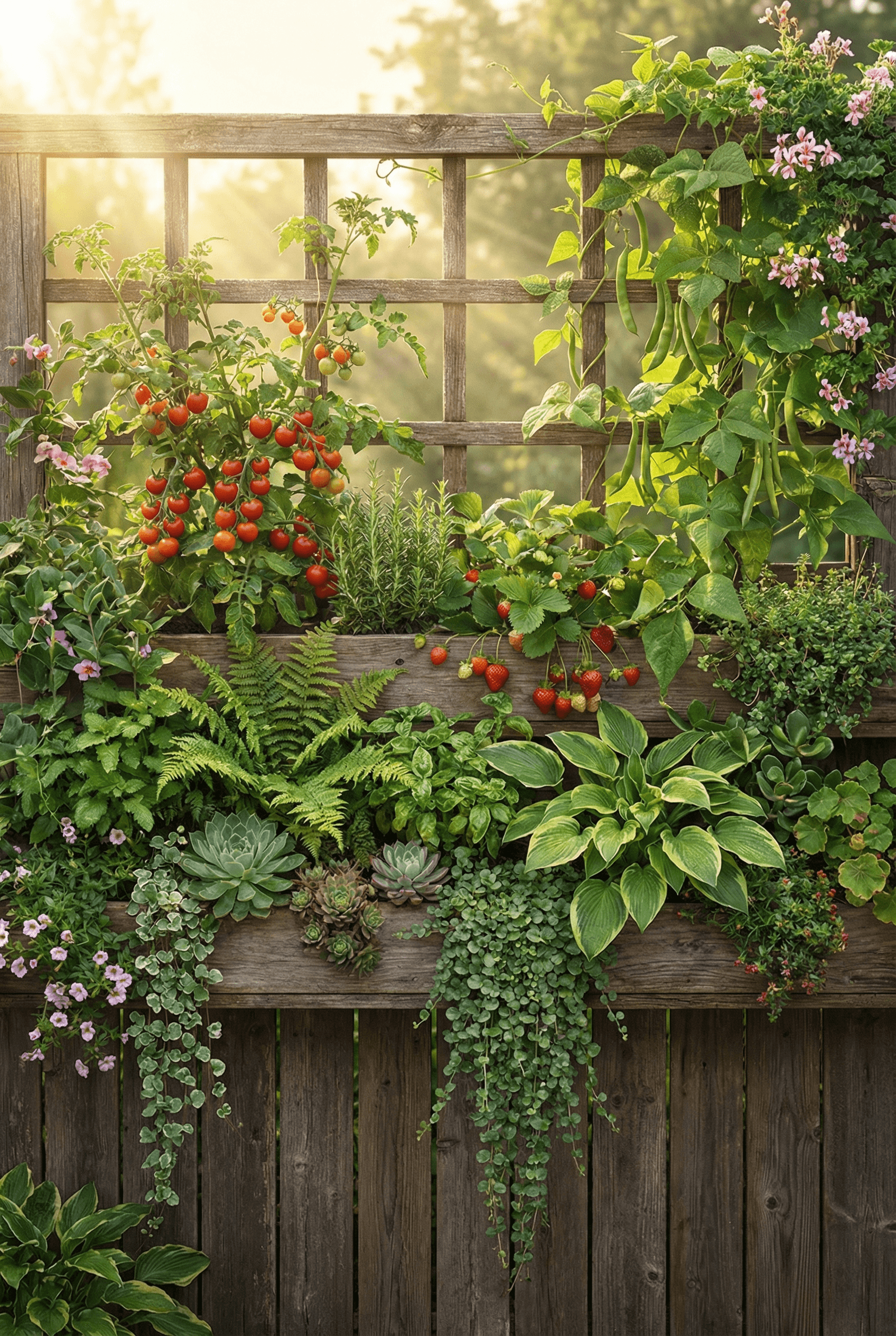
If you think you need a big backyard to grow an abundant garden, think again. Vertical gardening lets you grow more in less space using fabric grow bags and vertical pocket planter — growing plants upward on supports, walls, and structures — is one of the most productive ways to garden, and it works in spaces as small as a balcony or patio.Whether you’re growing vegetables, fruits, flowers, or herbs, Kew Gardens herb database has detailed guidance on this topic.going vertical unlocks more harvest per square foot than any other technique. In this comprehensive simple guide, we’ll cover everything you need to know.
Shop Related Products: Plant Support • Tomato Cage
For more on essential mulching: single, see our guide.
For more on proven first-year vegetable, see our guide.
Related: Garden Planning 101: Mapping Out Your Garden Space Natural Pest Deterrents: Plants That Repel Pests
Looking for quality gardening tools and supplies? Browse our recommended garden products — hand-picked by the GardenWizz team.
Simple: Why Go Vertical?
Massively increased yields: A single tomato plant grown on a stake might produce 8-10 pounds of fruit. The same plant grown on a properly supported system can produce 20+ pounds because it gets better air circulation and more sunlight.
Better air circulation: Plants grown vertically dry faster after rain and morning dew, which significantly reduces fungal disease pressure.
Easier harvesting: No more crouching and crawling through the garden.Vertical growing brings plants to a comfortable height for picking, pruning, RHS pruning guide has detailed guidance on this topic.and maintenance.
Cleaner fruits and vegetables: Melons, cucumbers, and squash grown on trellises stay cleaner and are less prone to rot because they don’t sit on the ground.
Space efficiency: Vertical growing produces up to 10 times more food per square foot than horizontal growing.
Aesthetic appeal: A well-trained vertical garden is genuinely beautiful — think of an arbor covered in climbing roses, or a wall of peas in full bloom.
Plants That Love to Climb and Cling
True climbers (attach by wrapping tendrils or stems):
– Pole beans and peas
– Cucumbers (with some guidance)
– Small melons and winter squash (need strong support)
– Grapes and kiwifruit
Vines that need tying or guidance:
– Tomatoes (indeterminate types)
– Sweet potatoes
– Malabar spinach
Climbing roses and flowering vines:
– Jasmine, clematis, honeysuckle
– Morning glories, sweet peas
Plants that naturally grow upright:
– Corn (in a block, not a vertical structure)
– Sunflowers (standalone)
Vertical Support Structures
A-frame ladders: Inexpensive to build or buy. Perfect for cucumbers, bush beans, and compact squash. Easy to move at season’s end.
Trellises: The workhorse of vertical gardening. Trellises can be:
– Flat panels (lean-to or A-frame) for beans, peas, cucumbers
– Flat panels secured to fences or walls for tomatoes, small melons
– obelisk-shaped for cucumbers and compact squash
Arbors and pergolas: These create garden architecture and support climbing plants, flowering vines, and even small fruits like grapes. Placed over walkways, they create magical garden tunnels.
Cattle panel拱形: Bend a cattle panel (4×16 foot wire mesh panel) into an arch over a garden bed.Plant tomatoes on one side, lettuce or herbs in the shaded interior, RHS leafy crops guide has detailed guidance on this topic. and you’ve created an instant productive greenhouse-like structure. RHS greenhouse gardening has detailed guidance on this topic.
Wall-mounted pockets and planters: For lettuce, herbs, and strawberries. Hang on a sunny fence or wall for a living wall of edibles.
Hanging baskets and vertical towers: Excellent for strawberries, cherry tomatoes, and trailing herbs.
Pallet gardens: Sanded and planted pallets leaned against a wall or fence, with herbs and lettuce planted in the openings.
Installing Vertical Supports
Install BEFORE planting: This seems obvious but is easily forgotten. Trellises, cages, and stakes should go in at planting time, not after plants have grown. Installing supports after risks damaging roots.
Secure supports properly: A heavy tomato plant loaded with fruit can topple a weak support. Use sturdy posts, drive them deep (18-24 inches in the ground for tall supports), and attach trellising firmly.
Consider the sun’s angle: Install north-south oriented trellises so both sides get sun exposure throughout the day.
Training and Tying Plants
Most climbing plants need some help:
– Tomatoes: Tie main stems to stakes or strings every 12 inches as they grow. Remove suckers (side shoots) for indeterminate varieties.
– Cucumbers: Guide vines onto trellises and tie occasionally. The tendrils will eventually take over the climbing.
– Pole beans: Once the lead vine reaches the top, either lower the whole plant or tip-prune to encourage branching.
– Melons and winter squash: These are heavy! Support fruit with cloth slings (old nylons or mesh bags work great) attached to the trellis.
Vertical Gardening in Small Spaces
Balconies: Use hanging planters, railing planters, and wall-mounted vertical pockets. Compact or trailing varieties of tomatoes, cucumbers, and strawberries are bred for container vertical growing.
Patios: Container gardening with obelisk supports for cucumbers and small melons. Trough planters against walls for lettuce and herbs.
Indoor spaces: Sunny windowsills, vertical hydroponic systems, and grow-light gardening carts all bring vertical growing inside.
Community garden plots: Standard plots (4×8 or 10×10) can produce remarkably high yields when vertical space is fully utilized.
The Secret of Vertical Growing: Strength
Vertical gardening lets you grow more in less space using fabric grow bags and vertical pocket planter only works if your supports can handle the load. This is especially true for heavy-fruiting plants:
– Tomato cages: Use the heaviest, strongest cages you can find or build your own from concrete reinforcing mesh.
– Stakes: Use 6-8 foot metal T-posts or wooden stakes (1×1 inch minimum) sunk 18 inches deep.
– Trellis twine: Use strong, UV-stable twine or tomato clips to attach plants.
– Melon support: Attach melons to trellis with stretchy mesh supports — fruit can get very heavy.
Growing Vertically with Containers
Even in containers, going vertical increases productivity:
– Stacking planters: Self-watering planters that stack
– Tiered planters: Terraced containers
– Hanging baskets: Multiple baskets hung at different heights
– Green walls: Pocket planters mounted on walls
Use quality potting mix (not garden soil) and water more frequently — vertical containers dry out faster than ground-level ones. The RHS watering guidelines cover efficient watering techniques for gardens of all sizes… The RHS soil testing guide provides detailed advice on understanding your soil type…
Start Your Vertical Garden Today
Vertical gardening lets you grow more in less space using fabric grow bags and vertical pocket planter is accessible to anyone, anywhere. Even a single tomato plant grown up a stake in a pot on a sunny patio is vertical gardening. Start with one structure, grow one crop up it, and see what you think.
Once you’ve experienced the ease of picking cucumbers at waist height instead of crouching on the ground, you’ll be converted for life. Go vertical — your back (and your harvest) will thank you!
Frequently Asked Questions
When is the best time to do this in the UK?
The ideal timing depends on your location and the specific task. Spring (March-May) is generally the busiest gardening season in the UK, though autumn is perfect for planting and soil improvement.
Do I need expensive equipment to get started?
No. A few quality basic tools — a trowel, hand fork, watering can, and gloves — will see you through most beginner gardening tasks.
Is this suitable for small spaces or containers?
Most gardening tasks can be adapted for small spaces. Containers, grow bags, and raised beds all work well on patios, balconies, and even windowsills.
Can beginners do this successfully?
Absolutely. UK gardens are full of challenging conditions — clay soil, shade, slugs — but beginners achieve great results every year by starting small and learning as they grow.


