




Looking for quality gardening tools and supplies? Browse our recommended garden products — hand-picked by the GardenWizz team.
Every great garden starts from the ground up — literally.If you want to grow vibrant vegetables, blooming flowers, and healthy herbs, Kew Gardens herb database has detailed guidance on this topic.the secret isn’t hidden in any fancy fertilizer bag. It’s sitting in your kitchen right now, waiting to be transformed.In this comprehensive composting guide, RHS composting guide has detailed guidance on this topic.we’ll cover everything you need to know. According to Gardeners’ World, In is one of the most rewarding skills a gardener can develop… The In process is explained in detail by the RHS composting guide, which covers everything from starting your bin to troubleshooting common problems… In this comprehensive best guide, we’ll cover everything you need to know.
Shop Related Products: Compost Bin • Kitchen Caddy
For more on proven first-year vegetable, see our guide.
For more on plant propagation: multiply, see our guide.
Related: Garden Planning 101: Mapping Out Your Garden Space Natural Pest Deterrents: Plants That Repel Pests
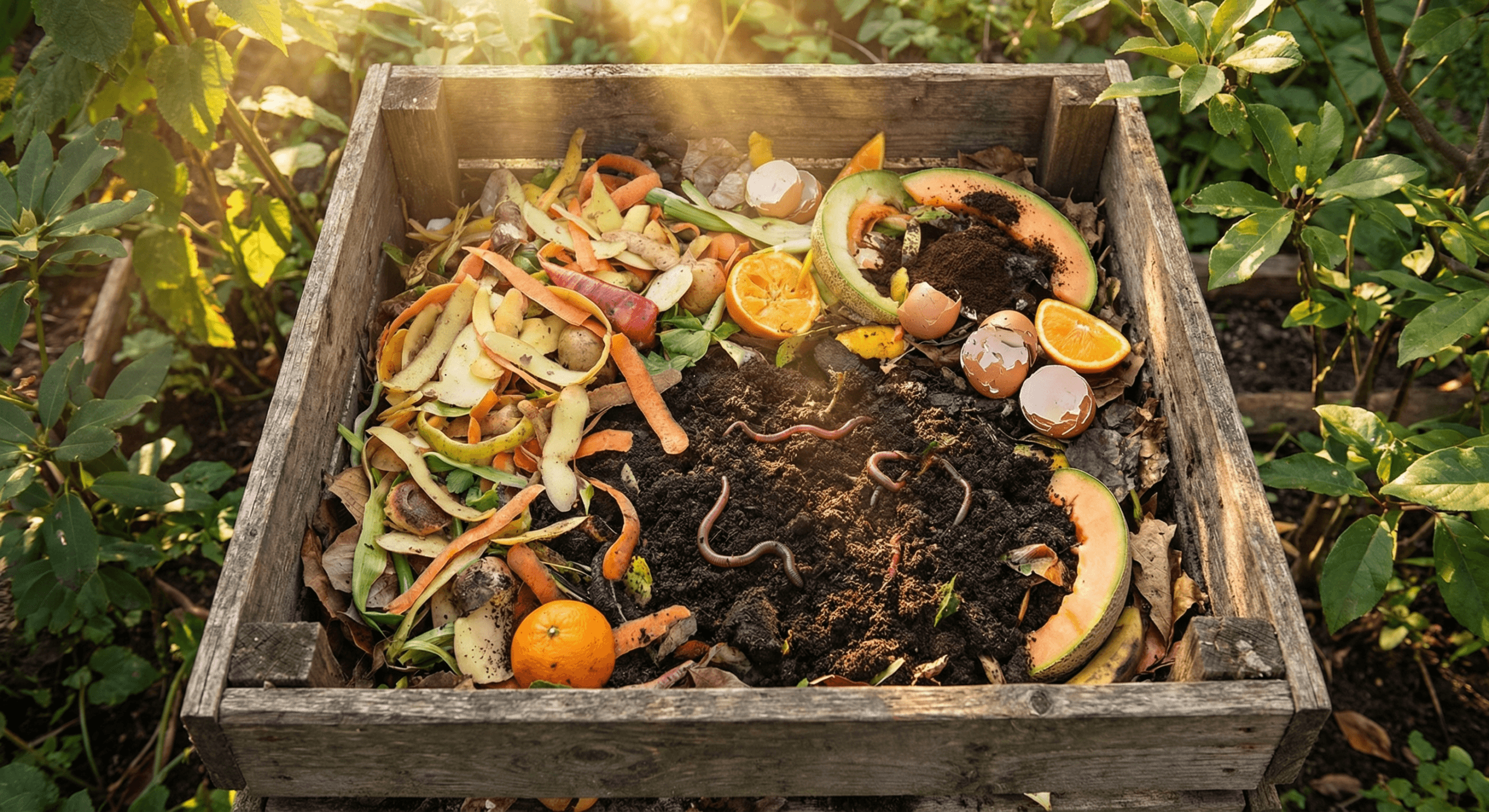
Composting is the art and science of turning organic waste into rich, dark compost bin compost everyday organic waste — from kitchen scraps to garden trimmings — that would otherwise go to landfill into rich, dark, crumbly garden compost soil amendment that your plants will absolutely love. And the best part? It’s completely free, incredibly satisfying, and one of the best things you can do for the planet.
Best: Composting: Why Compost?
Before we dive in, let’s talk about why composting matters.The RHS watering guidelines cover efficient watering techniques for gardens of all sizes. RHS watering guidelines has detailed guidance on this topic..The RHS soil testing guide provides detailed advice on understanding your soil type. RHS soil testing guide has detailed guidance on this topic.. When you throw away food scraps and yard waste, they end up in landfills where they decompose anaerobically and release methane — a greenhouse gas far more potent than carbon dioxide. By composting at home, you:
- Reduce waste — Up to 30% of what you throw away could be composted
- Feed your soil — Finished compost adds essential nutrients back into the earth
- Improve soil structure — It helps sandy soil hold water and clay soil drain better
- Skip the chemicals — Healthy soil means fewer pest and disease problems
What You Can Compost (The Greens)
Composting materials generally fall into two categories: greens and browns. Greens are nitrogen-rich materials that heat up the pile and fuel microbial activity. Think of them as the ” activating” ingredient.
- Fruit and vegetable scraps
- Coffee grounds and paper tea filters
- Fresh grass clippings
- Plant trimmings and green leaves
- Cooked food scraps (in small amounts)
What You Can Compost (The Browns)
Browns are carbon-rich materials that add bulk, absorb moisture, and balance out the nitrogen. They’re the “building blocks” of your compost pile.
- Dried leaves (the autumn harvest is perfect for this!)
- Cardboard and egg cartons (shredded)
- Newspaper (avoid glossy pages)
- Straw and hay
- Wood chips and sawdust (untreated wood only)
The Golden Ratio: 3 Browns to 1 Green
The magic ratio for happy composting is roughly 3 parts brown to 1 part green by volume. Too much nitrogen (green) and your pile gets slimy and smelly. Too much carbon (brown) and nothing breaks down. Layer them交替 as you build, and you’re off to a great start.
How to Build Your Compost Pile
Step 1: Choose Your Spot
Pick a dry, shady area close to a water source. You can use a simple heap, a wooden bin, or a purchased tumbler. Tumblers are great for small spaces and keep pests out.
Step 2: Start with a Brown Base
Lay down 4-6 inches of coarse brown material like twigs and wood chips. This allows airflow at the bottom of your pile.
Step 3: Add Greens and Browns in Layers
Add 2-4 inches of greens, then 6-8 inches of browns. Lightly moisten each layer as you go — your pile should feel like a wrung-out sponge.
Step 4: Turn It Weekly
Use a fork or compost turner to flip your pile every 7-10 days. This adds oxygen and speeds up decomposition dramatically. A well-turned pile can be ready in 2-3 months. A neglected pile? 6-12 months.
When Is Compost Ready?
Finished compost looks like rich, dark soil and smells earthy and sweet — like a forest floor. The original materials should be unrecognizable. Run it through a 1/2-inch screen to get fine, usable compost. Any remaining chunks? Feed them back into a newer pile.
Troubleshooting Common Problems
- Smells bad: Too much nitrogen — add more browns and turn it
- Pile isn’t heating up: Too dry or too small — moisten and add more material
- Pests (flies, rodents): Don’t add meat, dairy, or cooked foods — bury fruit scraps in the center
- Slow decomposition: Materials too large — chop scraps into smaller pieces
What NOT to Compost
Keep these out of your pile: meat, fish, bones, dairy, oily foods, pet waste from dogs or cats, diseased plants, and any treated or painted wood. These can attract pests, create odors, or introduce pathogens.
Composting is a journey, not a destination. Your first pile might not be perfect, and that’s completely fine. The beauty of gardening is that every season brings a new chance to try again. Start small, stay consistent, and watch your soil — and your garden — transform.
Frequently Asked Questions
When is the best time to do this in the UK?
The ideal timing depends on your location and the specific task. Spring (March-May) is generally the busiest gardening season in the UK, though autumn is perfect for planting and soil improvement.
Do I need expensive equipment to get started?
No. A few quality basic tools — a trowel, hand fork, watering can, and gloves — will see you through most beginner gardening tasks.
Is this suitable for small spaces or containers?
Most gardening tasks can be adapted for small spaces. Containers, grow bags, and raised beds all work well on patios, balconies, and even windowsills.
Can beginners do this successfully?
Absolutely. UK gardens are full of challenging conditions — clay soil, shade, slugs — but beginners achieve great results every year by starting small and learning as they grow.


