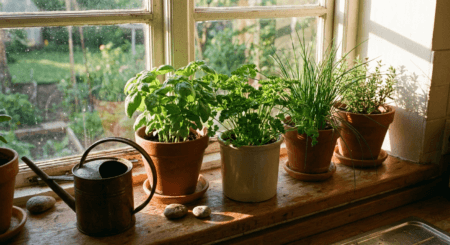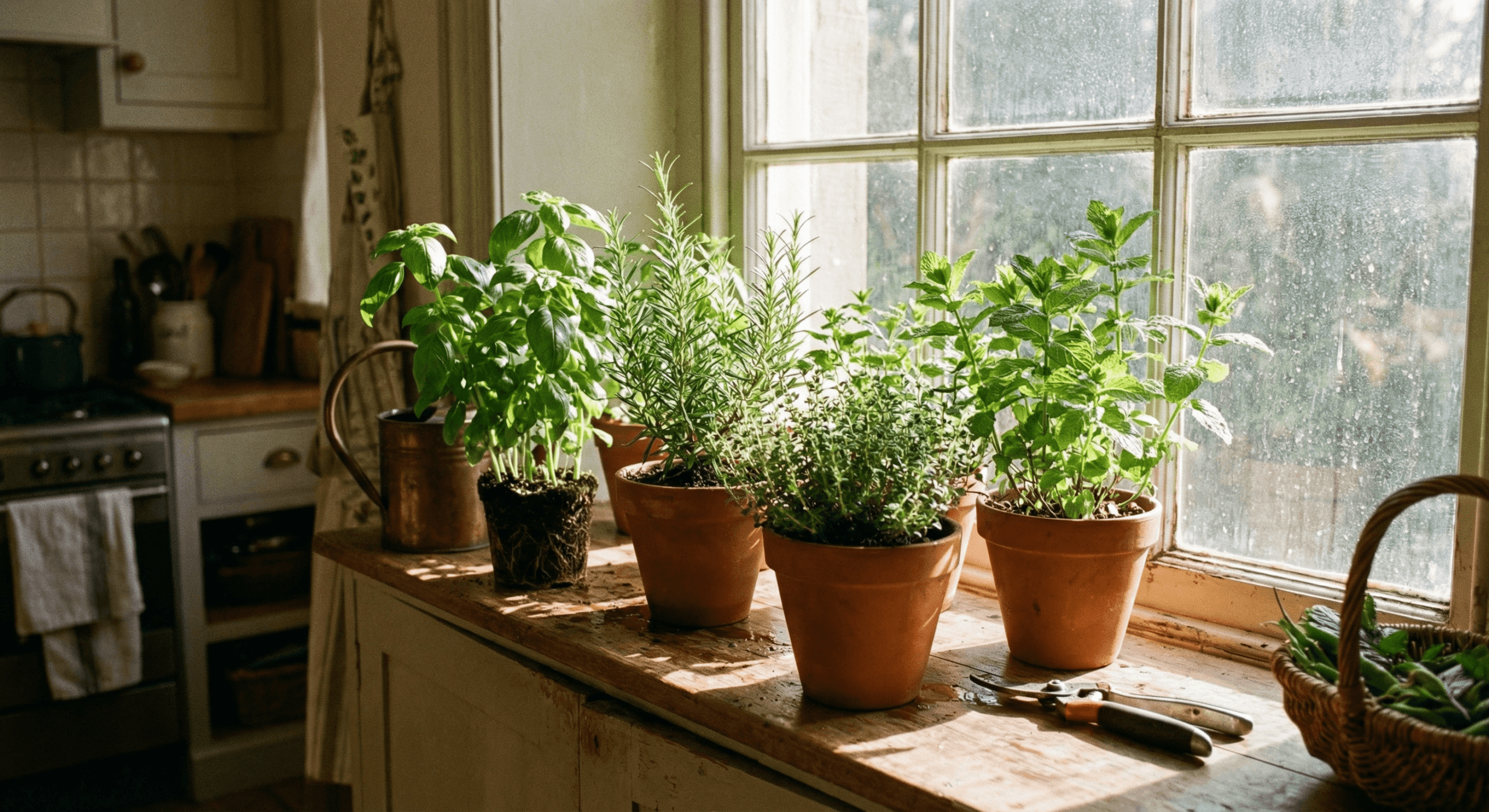
Fresh herbs are the secret weapon of every great cook — and there’s no comparison between the bright, aromatic flavors of herbs snipped minutes before use and anything from a plastic clamshell at the store.The best part? Most culinary herbs are remarkably easy to grow, Kew Gardens herb database has detailed guidance on this topic.even in small spaces. A sunny windowsill, a small raised bed, or a few containers on a patio is all you need for a continuous supply of garden-fresh flavor. In this comprehensive essential guide, we’ll cover everything you need to know.
Shop Related Products: Herb Planter • Seed Packet
For more on essential mulching: single, see our guide.
For more on proven first-year vegetable, see our guide.
Related: Garden Planning 101: Mapping Out Your Garden Space Natural Pest Deterrents: Plants That Repel Pests
Looking for quality gardening tools and supplies? Browse our recommended garden products — hand-picked by the GardenWizz team.
Culinary: Starting with the Essentials
These are the culinary workhorses that belong in every herb garden:
Basil (Ocimum basilicum): The king of summer herbs.Essential for pesto, RHS pest and disease guide has detailed guidance on this topic.Caprese salads, tomato sauces, and more. Loves heat — plant after all frost danger has passed. Pick a sunny, sheltered spot. Harvesting tip: Pinch or cut stems just above a leaf node to encourage bushy, branching growth. Never let basil flower — it signals the end of leaf production. Pinch flower buds as soon as they appear.
Cilantro/Coriander (Coriandrum sativum): Fresh, citrusy, indispensable for Mexican, Indian, and Thai cuisines. Here’s the key thing to know: cilantro bolts quickly in heat. To have a continuous supply, succession sow every 2-3 weeks from early spring through fall. In hot climates, grow it in part shade. Harvest outer leaves and stems. Let some plants go to seed — the seeds are coriander!
Parsley (Petroselinum crispum): Both curly and flat-leaf (Italian) parsley are easy to grow. Biennial, so it grows leaves the first year and flowers the second.Grows slowly from seed — soak seeds overnight before sowing to speed germination. RHS seed sowing guide has detailed guidance on this topic. Cut outer stems at the base to encourage continued production.
Mint (Mentha species): Incredibly easy — arguably too easy! Mint spreads aggressively and will take over your garden if planted in the ground. Always grow mint in containers. Spearmint and peppermint are the culinary standards.Harvest by cutting stems at the base. RHS plant propagation guide has detailed guidance on this topic. Mint is drying-friendly — dry bunches by hanging in a warm, dark, airy space.
Rosemary (Salvia rosmarinus): A Mediterranean woody perennial (zones 7-10) with fragrant, needle-like leaves. One plant provides years of harvests. Excellent for roasted meats, potatoes, and focaccia. Needs excellent drainage and full sun. Drought-tolerant once established. Harvest by cutting stems as needed — never take more than a third of the plant at once.
Thyme (Thymus vulgaris): Another Mediterranean woody perennial (zones 5-9). Small leaves packed with flavor. Creeping varieties work as groundcovers or in containers. Harvest by cutting stems — like rosemary, never take more than a third at once.
Chives (Allium schoenoprasum): Perennial herb with mild onion flavor. Produces pretty purple flowers that are also edible (and beautiful as garnish). Easy to grow from division or purchased plants. Cut leaves at the base when 6 inches or taller — regrows quickly.
Dill (Anethum graveolens): Essential for pickles, salmon, and Scandinavian cuisine. Tall, feathery plant. Direct sow in place — dill doesn’t transplant well. Succession sow every few weeks for continuous harvest. Harvest leaves (dill weed) and seed heads (dill seed) at different stages.
Growing Conditions: What Herbs Need
Most culinary herbs share similar preferences:
Sunlight: 6-8 hours of direct sun for best flavor and essential oil production. This is non-negotiable for most herbs — leggy, pale herbs are usually starving for light.
Drainage: Herbs evolved in Mediterranean conditions — lean, well-drained soil. The RHS soil testing guide provides detailed advice on understanding your soil type… Don’t over-amend with rich compost (which produces lush but flavorless growth). The RHS watering guidelines cover efficient watering techniques for gardens of all sizes.. According to Gardeners’ World, Don’t is one of the most rewarding skills a gardener can develop… The Don’t process is explained in detail by the RHS composting guide, which covers everything from starting your bin to troubleshooting common problems… A light compost top-dress is usually plenty.
Water: Let soil dry between waterings for most established herbs. Overwatering is the most common herb-growing mistake — use a watering can with a fine spout for precise watering. Water when the top inch of soil is dry.
Container Gardening for Herbs
Containers are perfect for herbs:
– Control growing conditions
– Keep aggressive spreaders (mint) contained
– Move plants to follow the sun
– Bring herbs close to the kitchen
Container tips: Use quality potting mix, not garden soil. Ensure drainage holes. Don’t oversized the pot — herbs generally prefer being slightly root-bound.
Harvesting Herbs for Maximum Freshness
The more you harvest, the more you get. Regular harvesting signals the plant to keep producing new growth.
– Leafy herbs: Cut from the top, just above a node or branching point. This encourages bushier growth.
– Woody herbs (rosemary, thyme, sage): Cut stems as needed. Never remove more than a third of the plant at once.
– Harvest timing: For maximum flavor and essential oils, harvest in the morning after dew has dried but before the sun is at its peak.
Preserving Your Herb Harvest
When you have more than you can use fresh:
Drying: Hang small bunches upside down in a dark, warm, well-ventilated space. When completely dry and brittle, strip leaves and store in airtight jars away from heat and light. Best for: rosemary, thyme, sage, oregano, dill, parsley.
Freezing: Chop and freeze in ice cube trays with olive oil or water. Pop out cubes and store in freezer bags. Best for: basil, parsley, cilantro, chives.
Herb butter: Mix chopped herbs with softened butter, form into logs in plastic wrap, refrigerate or freeze. Roll into coins for easy use.
Fresh Herb Combos to Try
– Italian: Basil, oregano, parsley, rosemary, thyme
– Mexican: Cilantro, cumin, oregano, epazote
– French: Parsley, chervil, tarragon, chives
– Thai: Thai basil, lemongrass, cilantro, mint, galangal
Growing your own culinary herbs is one of the easiest and most rewarding gardening projects. Fresh herbs at your fingertips make every meal better. Start with basil and parsley, add a few more each season, and before you know it you’ll have a full herb garden that’s the best investment you’ve ever made in your cooking.
Frequently Asked Questions
When is the best time to do this in the UK?
The ideal timing depends on your location and the specific task. Spring (March-May) is generally the busiest gardening season in the UK, though autumn is perfect for planting and soil improvement.
Do I need expensive equipment to get started?
No. A few quality basic tools — a trowel, hand fork, watering can, and gloves — will see you through most beginner gardening tasks.
Is this suitable for small spaces or containers?
Most gardening tasks can be adapted for small spaces. Containers, grow bags, and raised beds all work well on patios, balconies, and even windowsills.
Can beginners do this successfully?
Absolutely. UK gardens are full of challenging conditions — clay soil, shade, slugs — but beginners achieve great results every year by starting small and learning as they grow.