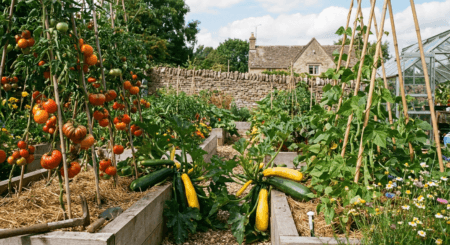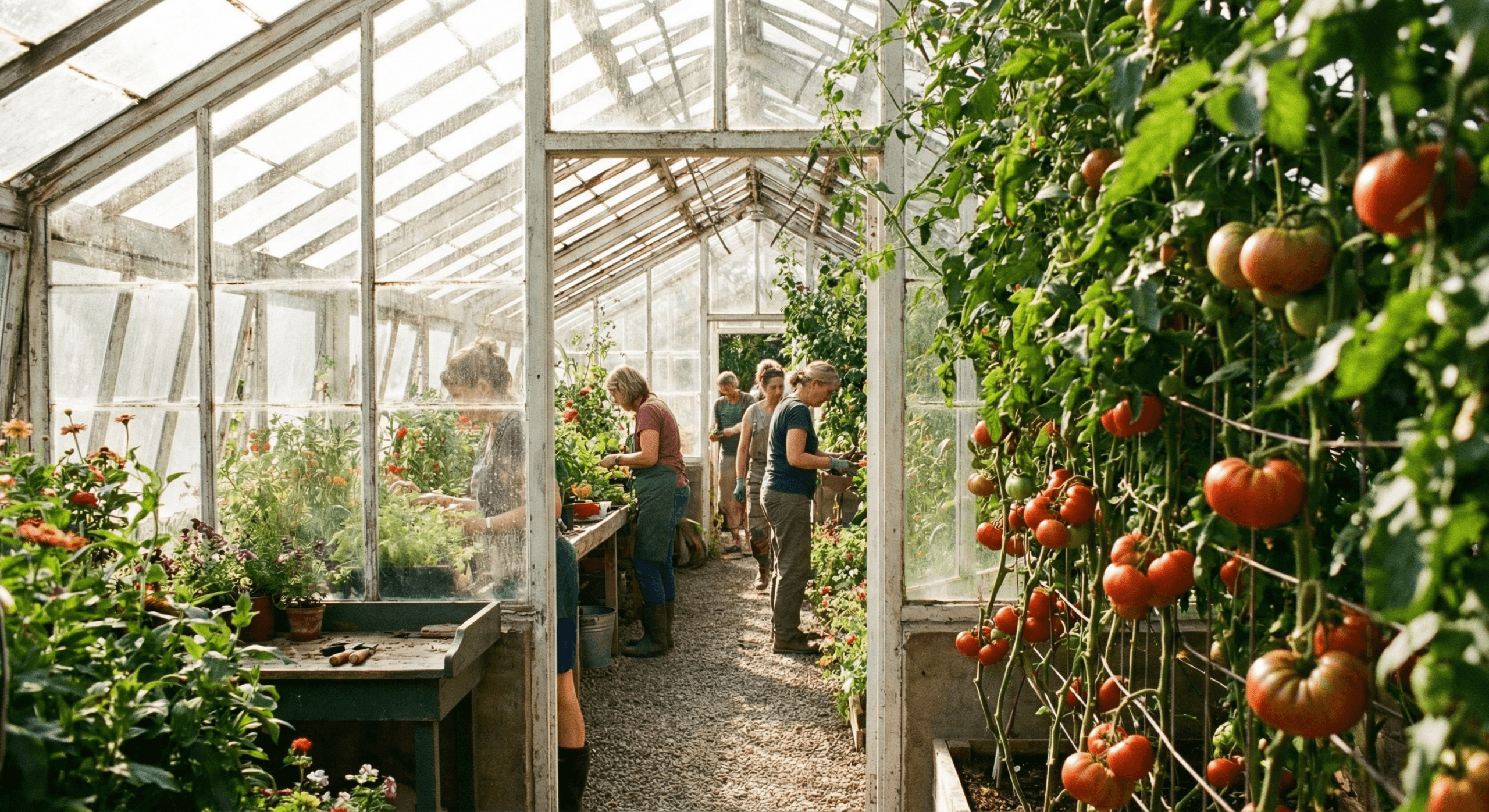
A mini greenhouse enables year-round growing and plant protection is the ultimate gardening investment — a space where you control the weather, extend your season dramatically, and grow things that simply wouldn’t survive outdoors in your climate. Whether it’s a small cold-frame-sized structure or a walk-in greenhouse you can stand up in, having a greenhouse transforms what’s possible in your garden. Here’s everything you need to know to garden successfully in a greenhouse. In this comprehensive expert guide, we’ll cover everything you need to know.
Shop Related Products: Raised Bed • Tomato Cage
For more on essential mulching: single, see our guide.
For more on proven first-year vegetable, see our guide.
Related: Garden Planning 101: Mapping Out Your Garden Space Natural Pest Deterrents: Plants That Repel Pests
Looking for quality gardening tools and supplies? Browse our recommended garden products — hand-picked by the GardenWizz team.
Expert: What Can a Greenhouse Do for You?
Start seeds early: Get a head start on the growing season by starting seeds 6-8 weeks before your last frost date. A mini greenhouse enables year-round growing and plant protection provides the warmth and light seedlings need.
Grow heat-loving crops: Tomatoes, peppers, eggplants, and cucumbers thrive in greenhouse conditions and produce far earlier and longer than outdoor-grown crops.
Overwinter tender plants: Tropical houseplants, citrus trees, geraniums, and other tender perennials can spend winter safely in a greenhouse.
Extend the season in fall: Keep producing salad greens and cool-season crops well past first frost.
Grow year-round: With supplemental heating, a greenhouse enables true year-round gardening in most climates.
Types of Greenhouses
Cold frames: The simplest and least expensive option. A bottomless box with a transparent lid that traps solar heat. Can extend the season by 4-8 weeks.Great for hardening off seedlings and overwintering cold-hardy crops. RHS winter garden tasks has detailed guidance on this topic.
Low tunnels: PVC hoops covered with plastic sheeting. Inexpensive and effective for season extension. Easy to remove and store in summer.
Mini/lean-to greenhouses: Small, freestanding structures that fit on patios or against walls. Great for beginners with limited space.
Walk-in greenhouses: Full-sized structures you can stand in. Available in polycarbonate, glass, and polyethylene. The best investment for serious year-round growing.
Heated vs. unheated: Unheated structures rely entirely on solar gain and can extend seasons significantly. Heated structures add the ability to grow through winter but significantly increase cost and energy use.
Managing the Greenhouse Environment
Ventilation: This is the most critical greenhouse skill. On sunny days, temperatures inside a greenhouse can climb to 100+ degrees F within hours, even in cool outdoor weather. This cooks plants quickly.
– Roof vents: The best option — hot air rises and exits through roof vents, drawing in cool air through side vents.
– Side vents: Open these in conjunction with roof vents to create airflow.
– Automatic vent openers: Solar-powered devices that open and close vents based on temperature — invaluable if you’re not home during the day.
– Shade cloth: In summer, 30-50% shade cloth dramatically reduces heat buildup.
Heating: If growing year-round or overwintering tender plants:
– Electric greenhouse heaters with thermostatic controls are the most reliable
– Radiant floor heating for year-round structures
– Even a small heater can prevent frost damage
Air circulation: Stagnant air promotes fungal diseases. Use a small fan to keep air moving, especially at night when humidity is highest.
Humidity: Greenhouses are naturally humid environments. This is good for tropical plants but promotes fungal diseases. Ventilation is the primary humidity control.
Growing in a Greenhouse
Container growing: Most greenhouses have gravel or concrete floors rather than in-ground beds. Container growing is the norm:
– Use quality potting mix in large containers
– Containers dry out faster than beds — check daily
– Group containers by water needs
Raised beds in the greenhouse: If you can install beds, greenhouse growing becomes much more productive.The RHS watering guidelines cover efficient watering techniques for gardens of all sizes… Raised beds warm faster in spring and provide more stable root zone conditions. RHS watering guidelines has detailed guidance on this topic.
Hanging baskets: Maximize vertical space with hanging baskets of strawberries, trailing tomatoes, or herbs.
Staging: Shelved benches for seedlings, small plants, and propagation. Essential for getting the most from a small space.
Year-Round Greenhouse Calendar
Winter (December-February):
– Start slow-growing seeds (onions, leeks, celery) under grow lights
– Overwinter tender perennials and dormant plants
– Grow cold-hardy greens in cold frames within the greenhouse
– Maintain dormant plants with minimal watering
Early Spring (March-April):
– Start warm-season seedlings (tomatoes, peppers, eggplant) 6-8 weeks before last frost
– Sow succession crops of lettuce and herbs
– Begin hardening off seedlings by opening vents during warm afternoons
Late Spring (May-June):
– Transplant greenhouse tomatoes, RHS greenhouse gardening has detailed guidance on this topic.peppers, and cucumbers into final positions
– Move hardened-off seedlings outdoors
– Plant heat-loving crops in ground beds
– Open greenhouse widely for maximum ventilation
Summer (July-August):
– Manage heat aggressively — shade cloth, maximum ventilation
– Harvest continuously
– Plant fall crops in late summer (broccoli, kale, RHS leafy crops guide has detailed guidance on this topic.greens) for fall greenhouse production
– Keep up with watering — containers can need water twice daily in heat
Fall (September-November):
– Transition from summer to fall crops
– Begin closing vents at night as temperatures drop
– Plant cold-hardy greens for winter harvest
– Start fall and winter crops in cold frame
Common Greenhouse Problems
Overheating: The 1 greenhouse mistake. Install thermometers (minimum/maximum) in multiple locations and check them. Vent proactively — don’t wait until it’s already hot inside.
Under-ventilating: On cloudy days, people often close greenhouses too tightly. Fungal diseases thrive in stagnant, humid air. Ventilation matters even in cool, cloudy weather.
Overwatering: In cool weather, greenhouses stay humid and containers don’t dry out quickly. The RHS pest and disease guide identifies common garden pests and how to deal with them.. Garden Organic provides comprehensive advice on managing garden pests organically.. Overwatering is the 2 mistake. Always check soil moisture before watering. The RHS soil testing guide provides detailed advice on understanding your soil type…
Pests: Greenhouses provide ideal conditions for pests too. Watch for aphids, whiteflies, spider mites, and fungus gnats. Inspect new plants carefully before bringing them into the greenhouse. Use yellow sticky traps for monitoring.
Starting Small with Cold Frames and Low Tunnels
If a full greenhouse feels like too big a commitment, start with a cold frame:
– Build one with salvaged lumber and old windows
– Place on a south-facing slope for maximum sun exposure
– Start with cold-hardy greens in fall and early spring
– Use it to harden off seedlings
Cold frames can keep greens productive through November and December in most climates, and get you started 4-6 weeks earlier in spring. It’s a greenhouse education in miniature.
The Greenhouse State of Mind
A mini greenhouse enables year-round growing and plant protection teaches you to think about your garden in terms of microclimates, ventilation flows, and temperature gradients. It’s gardening with a systems perspective — and once you develop that mindset, your outdoor garden benefits too.
Whether you build a cold frame this weekend or install a walk-in greenhouse next spring, every step toward protected cultivation expands what’s possible in your garden immeasurably. Let the growing continue!
Frequently Asked Questions
When is the best time to do this in the UK?
The ideal timing depends on your location and the specific task. Spring (March-May) is generally the busiest gardening season in the UK, though autumn is perfect for planting and soil improvement.
Do I need expensive equipment to get started?
No. A few quality basic tools — a trowel, hand fork, watering can, and gloves — will see you through most beginner gardening tasks.
Is this suitable for small spaces or containers?
Most gardening tasks can be adapted for small spaces. Containers, grow bags, and raised beds all work well on patios, balconies, and even windowsills.
Can beginners do this successfully?
Absolutely. UK gardens are full of challenging conditions — clay soil, shade, slugs — but beginners achieve great results every year by starting small and learning as they grow.