




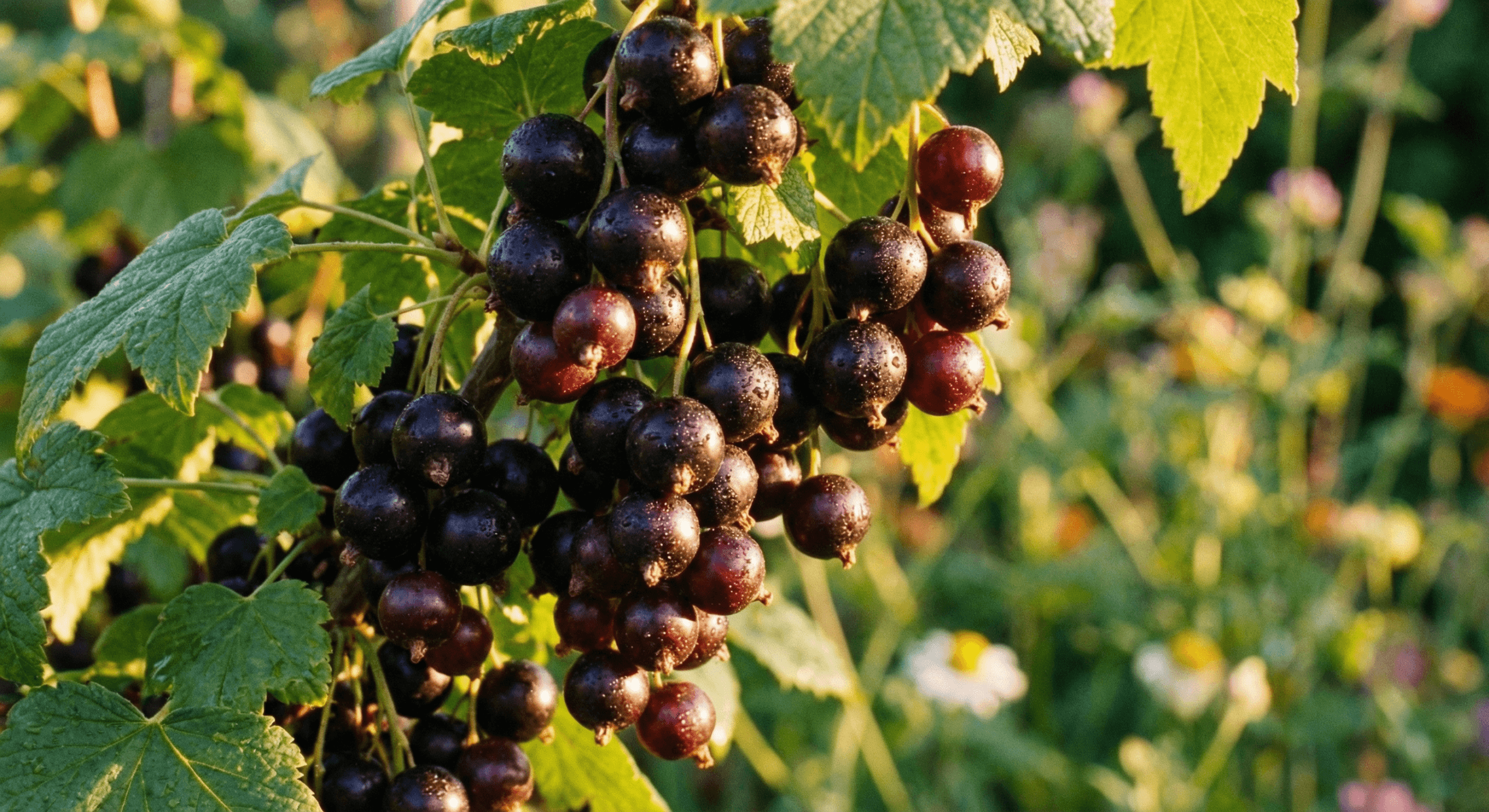
Few fruits capture the essence of a British summer quite like blackcurrants. Those deep, jewel-like berries packed with tangy flavour have been a staple of UK gardens and allotments for generations — and for good reason. Not only are they gloriously versatile in the kitchen (think ripple ice cream, jam, pies, and even a splash in your G&T), but they’re also one of the most rewarding soft fruits you can grow at home, producing heavy crops from just one or two bushes.
The good news? Blackcurrants are remarkably unfussy. They’re hardy enough to cope with a British winter, they’re self-fertile so you only need one bush, and they’ll reward even a beginner gardener with buckets of berries year after year. This guide walks you through everything you need to know to get started.
Grow Blackcurrants: Gardeners: What You’ll Need
Before you head to the garden, here’s a quick rundown of the essentials for planting and growing blackcurrants successfully:
- Blackcurrant Bush — Start with a healthy, certified virus-free bush. Look for varieties bred for the UK climate — more on those below. Shop blackcurrant bushes on Amazon UK ›
- Blood, Fish and Bone — A traditional slow-release organic fertiliser that’s ideal for fruit bushes. Apply in spring to support strong growth and a abundant fruiting season. Find blood, fish and bone on Amazon UK ›
- Garden Mulch Sheet — A thick layer of mulch suppresses weeds, retains moisture, and improves soil structure — all things blackcurrants love. Browse garden mulch sheets on Amazon UK ›
- Pruning Shears — Sharp, clean secateurs are essential for annual pruning and harvesting. Blunt tools crush stems and invite disease. Explore pruning shears on Amazon UK ›
Choosing the Right Blackcurrant Variety
Not all blackcurrant varieties are created equal, especially when it comes to the UK climate. Here are some of the most reliable performers:
- ‘Ben Lomond’ — One of the most popular UK varieties. Late-flowering (which helps avoid late frost damage) and produces large, sweet berries on compact bushes.
- ‘Ben Sarek’ — A dwarf variety perfect for smaller gardens or even containers. Heavy-cropping with excellent disease resistance.
- ‘Big Ben’ — As the name suggests, this variety produces unusually large berries with a superb, sweet flavour. Great for eating fresh.
- ‘Ebony’ — Bred for exceptionally sweet fruit, this variety can be eaten straight from the bush without the tartness typical of blackcurrants.
When buying, opt for certified disease-free stock from a reputable nursery. Bare-root plants are usually available from November to March; pot-grown specimens can be planted at almost any time of year.
Planting Blackcurrants
Blackcurrants thrive in a sunny to partially shaded spot with well-drained, moisture-retentive soil. They’re woodland edge plants by nature, so they’ll tolerate a little shade, but you’ll get a better crop in a sunnier position.
- When to plant: November to March for bare-root plants; spring or autumn for container-grown bushes.
- Spacing: Plant bushes around 1.5m (5ft) apart. They can be grown as a staggered double row if space is tight.
- Depth: Set the plant slightly deeper than it was in its pot — about 5cm (2in) deeper — so the stem is partially buried. This encourages new shoots to grow from the base.
- After planting: Water well and apply a thick mulch (5–8cm) around the base to retain moisture.
Caring for Your Blackcurrant Bush
Once established, blackcurrants are low-maintenance, but a little care goes a long way toward a heavier crop.
- Feeding: Apply a balanced fertiliser like blood, fish and bone in early spring. A second light feed after harvest can help the plant build reserves for next year.
- Watering: Keep plants well-watered during dry spells, especially when the fruit is swelling (usually June–July in the UK). Drought stress will reduce berry size significantly.
- Weeding: Keep the area around the bush weed-free. Blackcurrants have shallow roots, so avoid digging deeply around them.
- Mulching: Replenish mulch each spring to suppress weeds and conserve moisture.
Pruning Blackcurrants
Pruning is essential for healthy, productive bushes. Blackcurrants fruit on one-year-old wood and the base of two-year-old wood — older stems become less productive. The goal is to encourage new growth while removing the oldest, least productive branches.
- When to prune: Late winter or early spring, when the plant is dormant (usually February).
- How to prune: Cut out about one-third of the oldest stems at ground level. Aim to keep a mix of one-, two-, and three-year-old stems.
- First year after planting: Cut all shoots back to one bud above ground level in winter. This seems drastic, but it encourages strong new basal growth.
Harvesting Blackcurrants
Patience is rewarded from around July to August, when the berries turn a deep, almost black purple and feel slightly soft to the touch. The beauty of growing your own is that you can wait for them to fully ripen on the bush — shop-bought berries are often picked underripe to survive transport.
- Harvest whole strigs (branches of berries) rather than individual berries — they’ll keep longer.
- Pick in the cool of the morning and refrigerate promptly.
- Expect 4–5kg of fruit per mature bush in a good year.
- Unused berries freeze well — simply spread them on a tray, freeze, then bag them up.
Frequently Asked Questions
Can I grow blackcurrants in a container?
Yes — a compact variety like ‘Ben Sarek’ is ideal for containers. Use a large pot (at least 45cm across) with good quality compost, keep it well watered, and feed regularly during the growing season.
Do I need two blackcurrant bushes for pollination?
No — blackcurrants are self-fertile. A single bush will pollinate itself and produce a full crop. However, planting two different varieties can improve yield and extend the harvest season slightly.
Why are my blackcurrant bushes not fruiting?
The most common reasons are insufficient sunlight, lack of feeding, or incorrect pruning. If you’ve been cutting the bush back hard every year instead of selectively removing old wood, you’ll be removing the wood that’s ready to fruit. Also check that the plant isn’t suffering from drought stress in early summer.
Pests and diseases — what should I watch out for?
Big bud mite (causing swollen, rounded buds) is the most common issue and can spread reversion disease. Remove and dispose of affected buds in winter. Aphids can curl young leaves — spray with water or use an organic insecticidal soap. Birds love the berries almost as much as we do, so net the bushes once the fruit starts to colour.
Ready to get growing? Blackcurrants are one of the most forgiving and rewarding fruits you can add to your garden. A single bush will keep you in berries for years — and once you’ve tasted a sun-warmed blackcurrant picked straight from the bush, you’ll never go back to the supermarket version.
Browse our full range of fruit bushes and gardening essentials on Amazon UK below, and get your plot ready for a bumper crop this season.
Frequently Asked Questions
When is the best time to gardening in the UK?
Most tasks can be done spring through autumn. Check specific plant requirements.
Do I need any special equipment?
Basic tools: spade, fork, watering can, and gloves.
Can beginners do this?
Yes! Start small and learn as you grow.
How long does it take?
Varies by task from 30 minutes to several hours.
Related Articles
For more help with your garden, check out these related guides:
- How to Grow Strawberries: A Complete Guide for UK Gardeners
- Beginner’s Guide to Sweet Peas
- Best Plants for Pollinators
- Herb Garden Guide
Continue Reading
- 5-Step Essential Garden Tools: What Every UK Gardener Needs
- Complete Guide to Week 12 Spring Garden Jobs: May 17-23
- Complete Guide to Week 11 Spring Garden Jobs: May 10-16
- Complete Guide to Week 10 Spring Garden Jobs: May 3-9
- Complete Guide to Week 9 Spring Garden Jobs: April 26 – May 2
Frequently Asked Questions
When is the best time to do this?
The best time depends on your climate zone and what you are growing, but generally early morning or late afternoon when temperatures are cooler works best for most garden tasks.
How often should I check on my garden?
Regular attention is key — check your garden every few days during the growing season. This helps you catch problems early before they become serious.
Can beginners do this?
Absolutely! Start with a few simple tasks and build up gradually. Most garden jobs are beginner-friendly with the right guidance.
What is the most important thing to remember?
Consistency matters more than perfection. Little and often beats occasional marathon sessions. Even 10-15 minutes of daily attention yields great results.


