






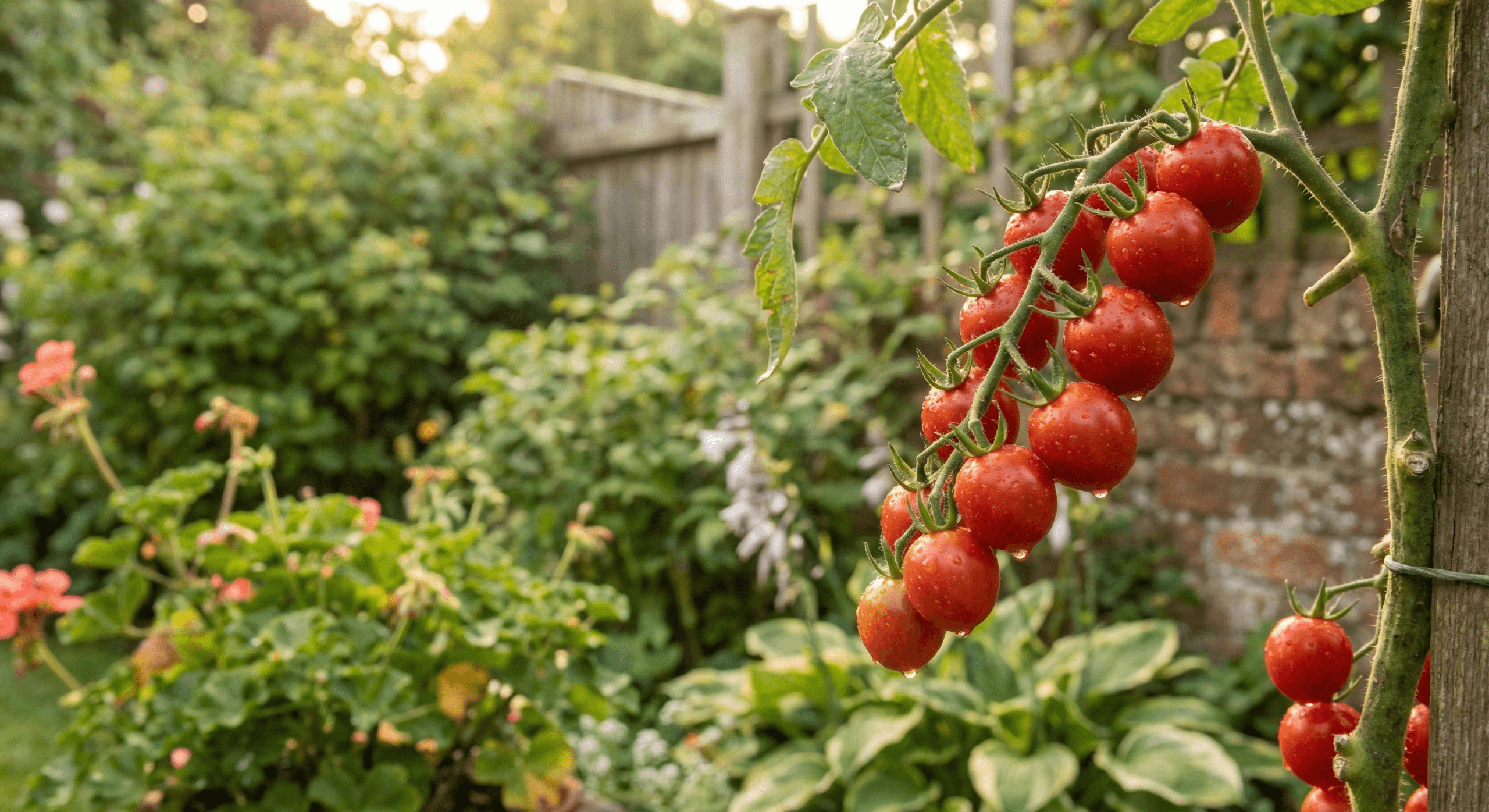
Introduction: Can You Grow Tomatoes in the UK?
Absolutely. Tomatoes are one of the most rewarding crops for UK gardeners, and with the right approach, you can harvest a bumper crop from a sunny windowsill, a greenhouse, or even a small patio pot. While the British climate isn’t naturally tropical, the UK’s long summer days and mild temperatures actually suit certain tomato varieties beautifully — especially when you give them a sheltered spot away from harsh winds.
Whether you are growing your first tomato plant or looking to improve your yield this season, this complete guide covers everything you need to know about growing tomatoes in the UK, from choosing the right variety to harvesting your first ripe fruits.
Choosing the Right Tomato Varieties for UK Gardens
Not all tomatoes are created equal when it comes to the British climate. Choosing a variety suited to UK conditions is the single biggest step towards a successful crop.
Cherry Tomatoes
Cherry tomatoes are the undisputed champions of UK gardens. They fruit reliably, ripen quickly, and are less prone to blight than larger varieties. ‘Gardeners’ Delight’ is a classic favourite — sweet, prolific, and easy to grow. ‘Sweet Million’ lives up to its name, producing huge trusses of fruit throughout summer. ‘Tumbling Tom’ is perfect for hanging baskets and pots, cascading beautifully over the sides.
Cordon Tomatoes (Indeterminate)
Cordon tomatoes grow single tall stems and need staking and side-shooting. They are ideal for growing in containers or greenhouse borders and produce the classic, upright tomato plants you see in show gardens. ‘Moneymaker’ is a stalwart of UK allotments, while ‘Shirley’ offers excellent disease resistance and early harvests.
Bush Tomatoes (Determinate)
Bush varieties spread horizontally and require no staking, making them brilliant for ground-level planting, raised beds, or large containers. They tend to fruit all at once, which is brilliant if you want to make sauces or passata. ‘榕startley Boy’ and ‘Losetto’ are two reliable, blight-resistant bush varieties well-suited to UK conditions.
RHS recommendation: The Royal Horticultural Society maintains a helpful list of tomato varieties rated for UK gardens, including their resistance to common diseases like blight and mosaic virus.
When to Plant Tomatoes in the UK
Timing is everything with tomatoes. Plant too early and a late frost will wipe out your seedlings; too late and the fruits won’t ripen before autumn.
- Sow indoors: Late February to March in a heated propagator or on a warm windowsill (minimum 18°C).
- Prick out and pot on: When seedlings develop their second set of true leaves, move them into 9cm pots.
- Move to final position: Late May to early June, once all risk of frost has passed.
In the south of England, you can often plant outdoors a week or two earlier than in Scotland or northern regions. If you are growing in an unheated greenhouse, you can plant out from mid-May, but keep fleece to hand just in case.
Where to Grow: Indoor, Outdoor, and Container Methods
Growing Outdoors
If you have a sunny, south-facing border or a well-constructed raised bed, outdoor growing is deeply satisfying. Choose a sheltered spot — tomatoes hate cold wind — and avoid positions where you have recently grown other brassicas or potatoes, as soil-borne diseases can linger.
Growing in a Greenhouse
A greenhouse or polytunnel extends your growing season dramatically. Tomatoes grown under glass typically yield more, fruit earlier, and are better protected from blight. Keep the door open on warm days to ensure good airflow, as stagnant humid air encourages fungal problems.
Growing in Containers
Container growing is perfect for patios, balconies, and small spaces. Use a pot at least 30cm in diameter, fill with quality potting compost designed for vegetables, and water daily during summer. Grow bags work well too — two plants per bag is the sweet spot.
Care and Maintenance
Watering
Tomatoes need consistent, deep watering — irregular watering causes blossom end rot (dark scabs on the fruit base) and splitting. Water at the base of the plant, not the leaves, ideally first thing in the morning. In hot weather, you may need to water twice a day.
Feeding
Once the first fruits appear, switch to a high-potash liquid feed, such as a dedicated tomato fertiliser, every 7–10 days. This promotes healthy fruit development and abundant yields. If you are making your own compost, a homemade compost bin is an excellent source of rich, nutrient-dense matter to dig into your planting holes.
Side-Shooting Cordon Varieties
For cordon tomatoes, pinch out the side shoots that grow in the angle between the main stem and the leaf stems. Leave these intact on bush varieties. Also remove any lower leaves that are touching the soil to improve airflow and reduce disease risk.
Support and Training
Stake cordon tomatoes with a strong cane or purpose-made spiral support. Tie stems loosely as they grow, and stop the plant’s leader (the main growing tip) once it has set four to five trusses of fruit — this redirects energy into ripening the existing fruits.
Common Tomato Problems in the UK
- Blight: The curse of UK tomato growers. This fungal disease (Phytophthora infestans) causes brown, watery patches on leaves and fruit. It spreads in warm, humid conditions, especially outdoors. Prevention is key: choose blight-resistant varieties, water at the base only, and consider growing under cover. Find detailed blight management advice on the RHS website.
- Blossom End Rot: Dark, sunken patches on the base of fruits — a sign of calcium deficiency caused by irregular watering. Keep watering consistent and the soil evenly moist.
- Aphids and Whitefly: Common greenhouse pests. Use biological controls likeEncarsia formosa parasitic wasps, or spray with a soft soap solution.
- Leaf Curl: Often caused by cold nights or erratic watering rather than a disease. Move plants to a warmer spot and stabilise your watering routine.
Harvesting Your Tomatoes
Tomatoes are ready when they are fully coloured — red, yellow, or orange depending on variety — and feel slightly soft when gently squeezed. Don’t rush them; unripe tomatoes taste acidic and lack sweetness.
Harvest regularly to encourage more fruits to develop. At the end of the season, any remaining green fruits can be picked and ripened indoors on a sunny windowsill or in a paper bag with a ripe banana, which releases ethylene gas to speed ripening.
Expect your first ripe cherry tomatoes from mid-July if you started sowing in late February. Maincrop cordon varieties usually start producing in August, with harvests continuing until the first frosts in October or November.
Frequently Asked Questions
What is the easiest tomato variety to grow in the UK?
Cherry tomatoes are generally the easiest. ‘Gardeners’ Delight’ and ‘Sweet Million’ are reliably prolific, compact, and forgiving of minor watering inconsistencies, making them ideal for beginners.
Can I grow tomatoes from supermarket tomatoes?
You can try, but supermarket tomatoes are usually F1 hybrids, meaning their seeds won’t grow true to the parent plant. You will get a plant, but the fruit may be very different. It’s better to buy seeds from a reputable supplier such as the RHS recommended seed suppliers.
Do tomato plants need full sun?
Yes. Tomato plants need at least 6–8 hours of direct sunlight per day to crop well. In the UK, a south-facing wall, greenhouse bench, or unobstructed patio is ideal.
Why are my tomato flowers dropping off?
Flowers can drop if temperatures fluctuate too wildly — particularly if night temperatures dip below 12°C or day temperatures exceed 30°C. Consistent conditions, good ventilation (especially in a greenhouse), and stable watering help prevent this.
Can I grow tomatoes in a hanging basket?
Yes — bush and trailing varieties like ‘Tumbling Tom’ and ‘Hundreds and Thousands’ are bred specifically for hanging baskets. They cascade beautifully, require no staking, and are perfect for small spaces. Do check daily as containers and baskets dry out faster than ground-level beds.

