




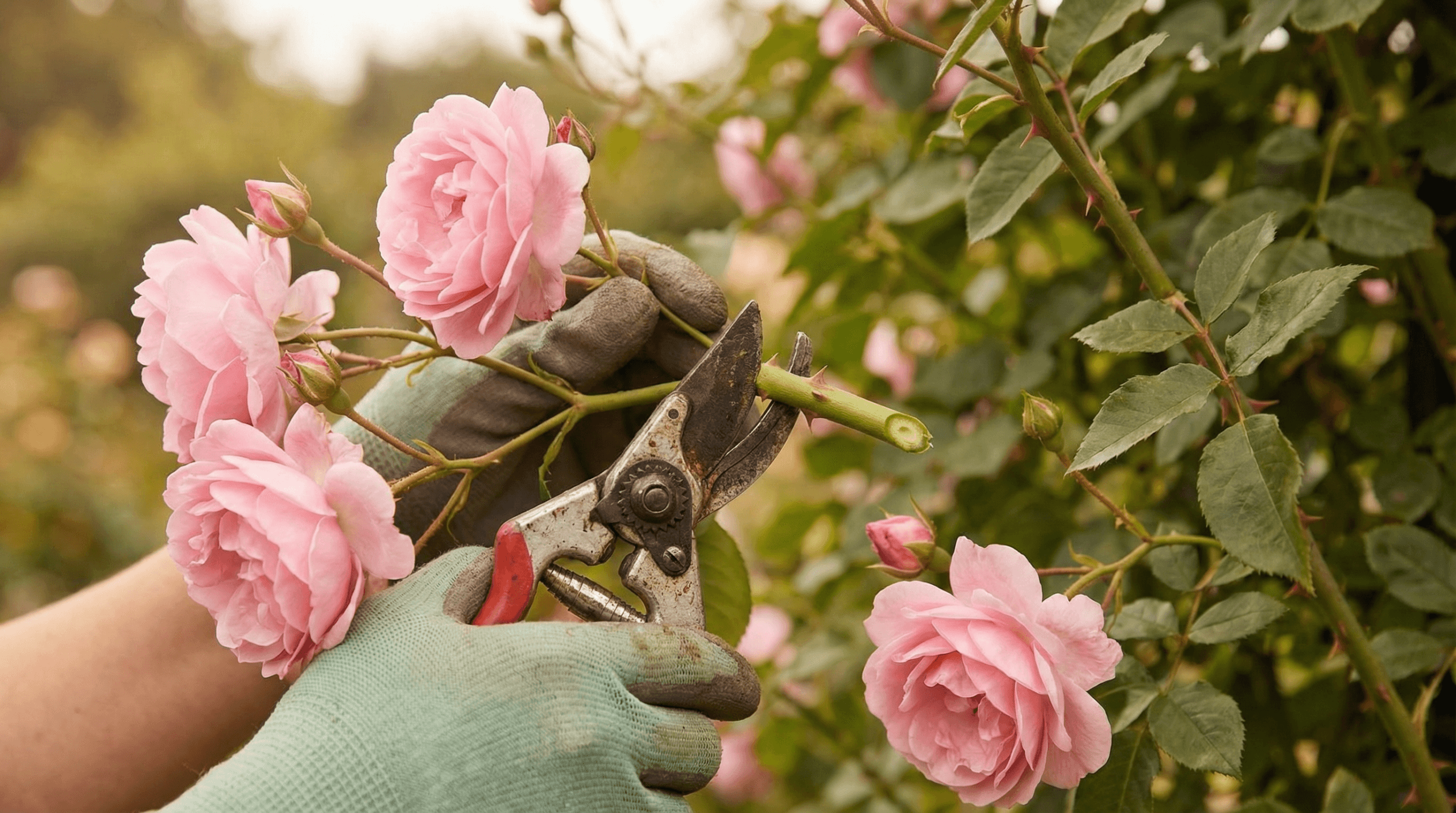
Pruning roses strikes fear into many gardeners’ hearts, but it really shouldn’t.Roses are remarkably forgiving, and an imperfect prune is infinitely better than no prune at all. RHS pruning guide has detailed guidance on this topic. The key is understanding when to prune and what you’re trying to achieve. Get those basics right, and you’ll soon be pruning with confidence. In this comprehensive proven guide, we’ll cover everything you need to know.
Shop Related Products: Gardening Gloves • Watering Can
For more on essential summer gardening:, see our guide.
For more on essential mulching: single, see our guide.
Related: Garden Planning 101: Mapping Out Your Garden Space Natural Pest Deterrents: Plants That Repel Pests
Looking for quality gardening tools and supplies? Browse our recommended garden products — hand-picked by the GardenWizz team.
Prune Roses: Timing: Proven: Why Prune Roses at All?
Pruning serves several purposes:
– Promotes flowering — Regular pruning stimulates new growth, which produces more flowers
– Maintains shape — Prevents roses becoming a tangled, RHS roses growing guide has detailed guidance on this topic.unproductive mess
– Improves health — Removing dead, damaged, and diseased wood prevents problems from spreading
– Increases airflow — An open, airy structure reduces fungal diseases like black spot and powdery mildew
Understanding Your Rose Type
Different roses need different approaches.Know your rose before you reach for the secateurs: RHS garden tools guide has detailed guidance on this topic.
– Hybrid teas and floribundas — Flower on new growth each year; need annual hard pruning
– Climbing roses — Have long, arching canes that produce flowers on side shoots; main canes trained horizontally flower more abundantly
– Rambling roses — Usually flower once, profusely, on previous year’s wood; prune lightly after flowering
– Shrub and English roses — The most forgiving group; lightly prune each year and remove oldest stems every few years
The Essential Tools
You’ll need:
– Secateurs (pruners) — For stems up to finger thickness. Bypass secateurs make cleaner cuts than anvil types.
– Long-handled loppers — For thicker stems that secateurs can’t handle
– A Use a pruning saw for thicker stems — For the oldest, thickest rose stems
– Thick gloves — Roses have thorns; gauntlet-style gloves protect your forearms
– Disinfectant spray — Wipe your tools between plants to prevent spreading disease
Keep tools sharp — a blunt secateur crushes stems rather than cutting them cleanly.
When to Prune Roses
The standard rule: prune in late winter or early spring, when the plant is still dormant but new buds are just beginning to swell. In most UK regions, this means January to March.
The exact timing depends on your climate:
– Milder areas (southwest, coastal) — Late January to February
– Colder areas (north, inland) — February to March
– Very cold winters — March, once risk of severe frost has passed
The main exception: once-flowering rambling and climbing roses should be pruned after their summer flowering, typically in late summer or early autumn.
The Pruning Technique
Step 1: Remove the Three Ds
Always start by cutting out:
– Dead wood — Brown and brittle inside; cut back to healthy white pith
– Damaged wood — Broken stems, torn bark
– Diseased wood — Stems with cankers, fungal growth, or suspicious dark patches. If in doubt, cut it out.
Step 2: Improve the Structure
Look at the overall shape of the rose and remove any stems that cross through the centre, rub against each other, or grow in unwanted directions.
For most shrub roses, aim for an open, wine-glass shape — a hollow centre allows air to circulate freely, reducing disease risk.
Step 3: Cut to the Right Place
Find a healthy outward-facing bud (you’ll see the small, dormant bud in the leaf axil) and cut:
– Hybrid teas and floribundas — Cut to 3-5 buds (roughly 15-20cm from the ground) for strong plants; leave a little longer on weaker plants
– Shrub roses — Cut by about a third to a half, maintaining a natural shape
– Climbing roses — Train main canes horizontally and shorten side shoots to 3-4 buds
Make your cut about 5mm above the bud, at a shallow angle sloping away from the bud. This prevents rainwater collecting on the cut surface.
Climbing Roses: A Different Approach
Climbing roses need a different mindset. Their main canes are permanent structures — don’t cut these back hard. Instead:
1. Train new long canes horizontally along your support (arch, fence, pergola)
2. Shorten the side shoots that grow from these main canes to 3-4 buds in late winter
3. Remove the oldest main cane (2-3 per year) when it becomes woody and less productive, replacing it with a new basal shoot
The more horizontal the main stems, the more flowers you’ll get — horizontal stems produce more side shoots, and more side shoots mean more blooms.
After Pruning: Feed and Mulch
Pruning stimulates growth, so always follow with a feed.For more on mulching, the RHS mulching advice covers when and how to apply mulch for best results… Gardeners’ World has an excellent mulching guide that covers materials and techniques… Scatter a generous handful of rose special fertiliser around the base and fork it in lightly, then apply a thick mulch of well-rotted manure or garden compost. RHS composting guide has detailed guidance on this topic. According to Gardeners’ World, Scatter is one of the most rewarding skills a gardener can develop… The Scatter process is explained in detail by the RHS composting guide, which covers everything from starting your bin to troubleshooting common problems…
FAQ: Pruning Roses
Can I prune roses in autumn?
Avoid major autumn pruning — it stimulates soft new growth that won’t harden before frost. Light trimming to prevent wind rock on long stems is fine. Save the hard prune for late winter.
What if I prune at the wrong time?
If you accidentally prune too early and a hard frost follows, don’t panic. The new growth may be nipped, but the plant will produce fresh shoots. In future, wait until January/February.
How do I stop roses from getting leggy?
Leggy roses are usually the result of insufficient pruning. Cutting them back harder each winter — to 3-5 buds — encourages bushy, compact growth from the base.
Should I seal pruning wounds?
No. Research consistently shows that wound sealing compounds trap moisture and disease rather than preventing it. A clean, sloping cut is all you need.
My climbing rose has never been pruned and is a tangled mess. What do I do?
Start by removing the oldest, most tangled canes entirely. Tie in the best younger canes. Shorten the remaining side shoots. It may take 2-3 years of patient work to fully restore an abandoned climbing rose, but it’s almost always possible.
What is the correct angle for pruning cuts?
Cut at approximately 45 degrees, sloping away from the bud. This prevents water pooling on the cut surface and directs new growth outward, away from the centre of the plant.
Final Thoughts
Pruning roses is not the ordeal it first appears. Start with the three Ds — dead, damaged, diseased — then think about shape and airflow. Cut to an outward-facing bud, feed well, and don’t worry about making mistakes. Roses are tougher than you think, and even a rough prune will result in more flowers than no prune at all.
For more rose growing guidance, read our How to Grow Roses: The Complete Beginner’s Guide. And for year-round garden maintenance, check out Seasonal Gardening: Your Complete Guide.
Continue Reading
- 5-Step Essential Garden Tools: What Every UK Gardener Needs
- Complete Guide to Week 12 Spring Garden Jobs: May 17-23
- Complete Guide to Week 11 Spring Garden Jobs: May 10-16
- Complete Guide to Week 10 Spring Garden Jobs: May 3-9
- Complete Guide to Week 9 Spring Garden Jobs: April 26 – May 2
Frequently Asked Questions
When is the best time to do this?
The best time depends on your climate zone and what you are growing, but generally early morning or late afternoon when temperatures are cooler works best for most garden tasks.
How often should I check on my garden?
Regular attention is key — check your garden every few days during the growing season. This helps you catch problems early before they become serious.
Can beginners do this?
Absolutely! Start with a few simple tasks and build up gradually. Most garden jobs are beginner-friendly with the right guidance.
What is the most important thing to remember?
Consistency matters more than perfection. Little and often beats occasional marathon sessions. Even 10-15 minutes of daily attention yields great results.


