Late autumn is the gardener’s last hurrah before winter sets in properly. October and November are busy months — there’s much to do to tuck the garden in for the cold season ahead. Get these tasks done, and you’ll start next spring with a garden in great shape rather than a mess that needs clearing. In this comprehensive proven guide, we’ll cover everything you need to know.
Shop Related Products: Watering Can
For more on essential summer gardening:, see our guide.
For more on essential mulching: single, see our guide.
Related: Garden Planning 101: Mapping Out Your Garden Space Natural Pest Deterrents: Plants That Repel Pests
Looking for quality gardening tools and supplies? Browse our recommended garden products — hand-picked by the GardenWizz team.
Late Autumn Tasks:: Proven: Late: Clear Up Before You Bundle Up
Remove Spent Plants
As vegetables finish cropping and annual flowers fade, remove them rather than leaving them to rot in situ.Compost healthy plant material (but not anything showing signs of disease — bin it or burn it). RHS composting guide has detailed guidance on this topic. According to Gardeners’ World, Compost is one of the most rewarding skills a gardener can develop… The Compost process is explained in detail by the RHS composting guide, which covers everything from starting your bin to troubleshooting common problems…
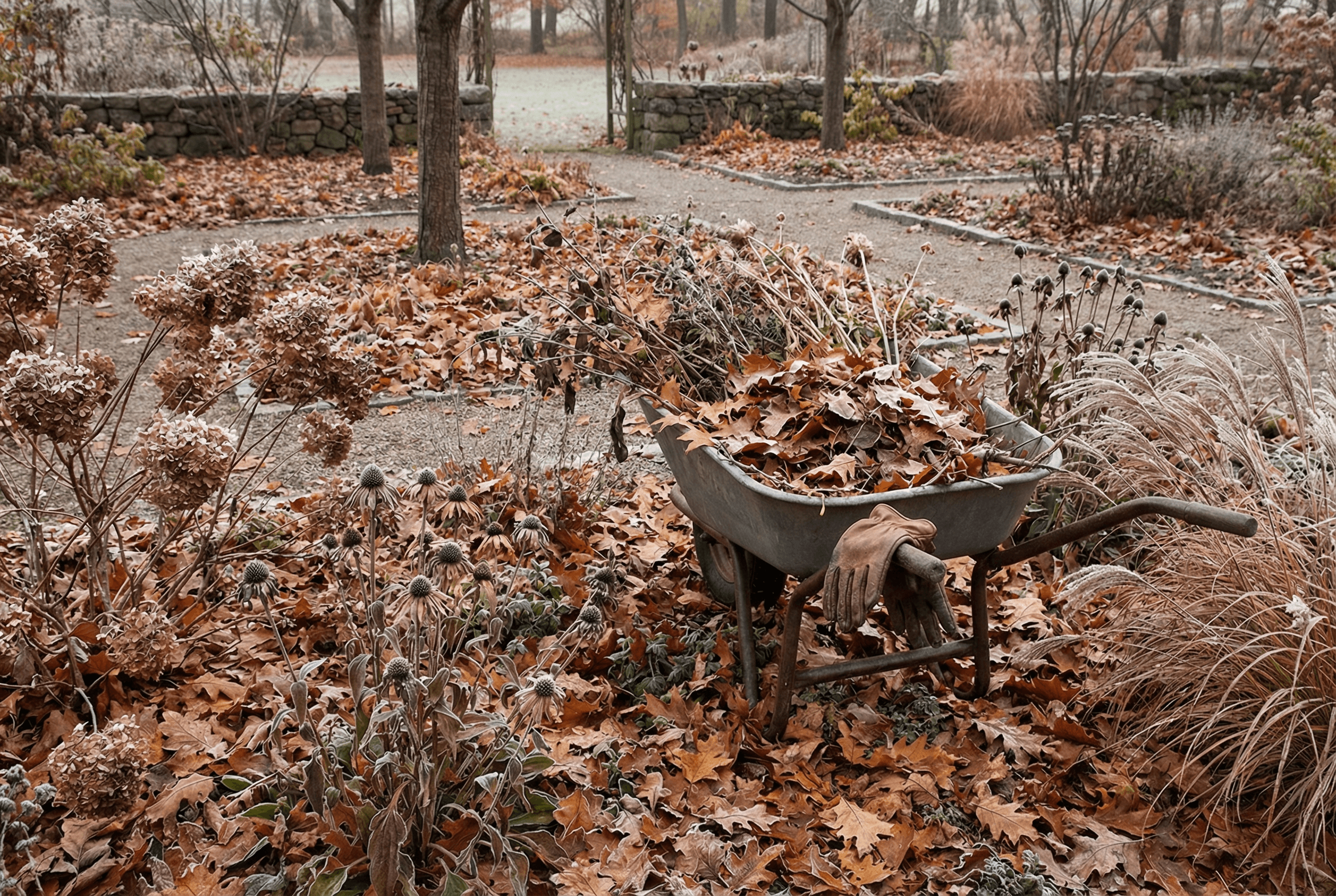
Rake Fallen Leaves
Autumn leav.The RHS soil testing guide provides detailed advice on understanding your soil type. RHS soil testing guide has detailed guidance on this topic RHS garden tools guide has detailed guidance on this topic…es are a gift, not a burden. Rake them up regularly — they suffocate lawns and create slippery paths — and compost them separately in chicken-wire cages or bin bags with holes punched in. Leaf mould is one of the most valuable soil amendments you can produce.
A quick tip: mow over leaves on the lawn with the cutter deck raised, then collect the shredded pieces — they break down much faster this way.
Cut Back Perennials
Not everything should be cut back immediately. Leave ornamental grasses and plants with attractive seed heads (sunflowers, echinacea, teasels) — they’ll provide winter interest and food for birds.Gardeners’ World has an excellent mulching guide that covers materials and techniques. RHS mulching advice has detailed guidance on this topic.. But cut back perennials that have turned soggy or mouldy.
Hostas, in particular, should have theiryellowed foliage removed before it becomes a slimy mess. Pull or cut off old helenium, delphinium, and phlox stems once they’ve blackened.
Soil Care: Feed and Protect
Apply Winter Mulch
Once borders are cleared, apply a thick layer (5-10cm) of well-rotted manure or garden compost around perennial plants. This protects roots from frost, improves soil structure, and feeds earthworms over winter. Don’t dig it in — let worms do that work.
Lime Acidic Soil
If your soil is acidic and you’re planning to grow brassicas, peas, or onions next year, now is a good time to apply garden lime. It takes several months to work its way into the soil, so autumn application means it’s ready by spring planting time.
Plant Garlic and Onion Sets
October and November are ideal for planting garlic cloves and onion sets. Both benefit from a period of cold, which stimulates growth. Plant them 10cm apart and 5cm deep, in well-drained soil in a sunny spot.
Plant Spring Bulbs
Late autumn is your last chance to plant spring-flowering bulbs for next year:
– Tulips — November is ideal; planting too early risks tulip fire (a fungal disease)
– Daffodils — October to November
– Alliums — September to November
– Crocuses — September to November
Protect Plants from Frost
Bring in Tender Plants
Move tender perennials, citrus, pelargoniums, and other frost-tender plants indoors to a greenhouse, conservatory, or bright windowsill before hard frosts arrive.
Apply Fleece
For borderline-hardy plants left outside, wrap containers with fleece or bubble wrap. Apply a thick garden mulch sheets to protect soil over winter around the base of plants. Move containers to sheltered positions near walls.
Insulate Outdoor Taps and Pipes
Drain and lag outdoor pipes and taps to prevent freeze damage. This five-minute job prevents expensive burst pipes come the first hard frost.
Lawn Care in Late Autumn
– Final mow — Give the lawn a light trim on a high setting if it’s still growing, then stop mowing for the winter
– Clear fallen leaves — A leaf-covered lawn over winter is an invitation to fungal disease
– Aerate — If your lawn gets compacted, now is a good time to spike it with a garden fork to improve drainage
– Apply autumn lawn feed — Low in nitrogen, high in potassium to harden grass against winter cold
Pruning and Tree Work
– Apple and pear trees — Summer pruning should be done by now; focus on removing dead, damaged, or diseased wood
– Raspberry canes — Cut autumn-fruiting raspberry canes to ground level once they’ve finished fruiting
– Climbing roses — Tie in new stems to prevent wind damage; prune flowered side shoots lightly
– Hedges — October/November is a good time for a final trim before winter
Prepare for Wildlife
– Clean bird feeders and stock up on seed and fat balls
– Leave some areas untidy — A log pile, uncut seed border, and hollow stems provide winter habitat for insects, hedgehogs, and other wildlife
– Don’t be too tidy — Over-cleaned gardens offer nothing to overwintering creatures
FAQ: Late Autumn Gardening
When should I stop mowing the lawn?
Once growth slows significantly (usually November in the UK), reduce mowing frequency and raise the cutting height. When temperatures drop below around 7°C consistently, you can stop entirely until spring.
Is it too late to plant trees and shrubs?
Autumn is actually the best time for planting bare-root trees and shrubs (November to March). Container-grown plants can go in any time the ground isn’t frozen or waterlogged.
Should I water the garden before winter?
Pay particular attention to evergreens — they continue to lose water through their leaves in winter and can suffer from drought stress in dry winters. Give them a good drink before very cold weather arrives.
What can I plant in the vegetable garden in late autumn?
Garlic, onion sets, and autumn-planting broad beans (like ‘Aquadulce’) can all go in now. Overwintering peas can also be sown in mild areas. Spring cabbage can be transplanted.
How do I protect raised beds in winter?
Cover them with cardboard, old carpet, or a thick mulch to prevent winter rains washing nutrients out of the soil. Remove the cover in early spring to let the soil warm up.
What winter vegetables can I still grow?
Kale, Brussels sprouts, leeks, parsnips, and winter cabbage are all at their best after autumn. Parsnips actually improve after a frost — the cold converts their starches to sugars.
Final Thoughts
Late autumn is the most meditative of gardening seasons — there’s a satisfying finality to clearing, protecting, and preparing. The garden is winding down, and your job is to help it rest well. Do the work now, and when spring arrives, your garden will burst back into life with minimal effort on your part. You’ll be glad you did.
For more seasonal guidance, read our Autumn Gardening: Extending Your Harvest Deep Into Fall article. And for a head start on next year, check out Seed Saving: Preserve Your Garden’s Future.
Continue Reading
- 5-Step Essential Garden Tools: What Every UK Gardener Needs
- Complete Guide to Week 12 Spring Garden Jobs: May 17-23
- Complete Guide to Week 11 Spring Garden Jobs: May 10-16
- Complete Guide to Week 10 Spring Garden Jobs: May 3-9
- Complete Guide to Week 9 Spring Garden Jobs: April 26 – May 2
Frequently Asked Questions
When is the best time to do this?
The best time depends on your climate zone and what you are growing, but generally early morning or late afternoon when temperatures are cooler works best for most garden tasks.
How often should I check on my garden?
Regular attention is key — check your garden every few days during the growing season. This helps you catch problems early before they become serious.
Can beginners do this?
Absolutely! Start with a few simple tasks and build up gradually. Most garden jobs are beginner-friendly with the right guidance.
What is the most important thing to remember?
Consistency matters more than perfection. Little and often beats occasional marathon sessions. Even 10-15 minutes of daily attention yields great results.