




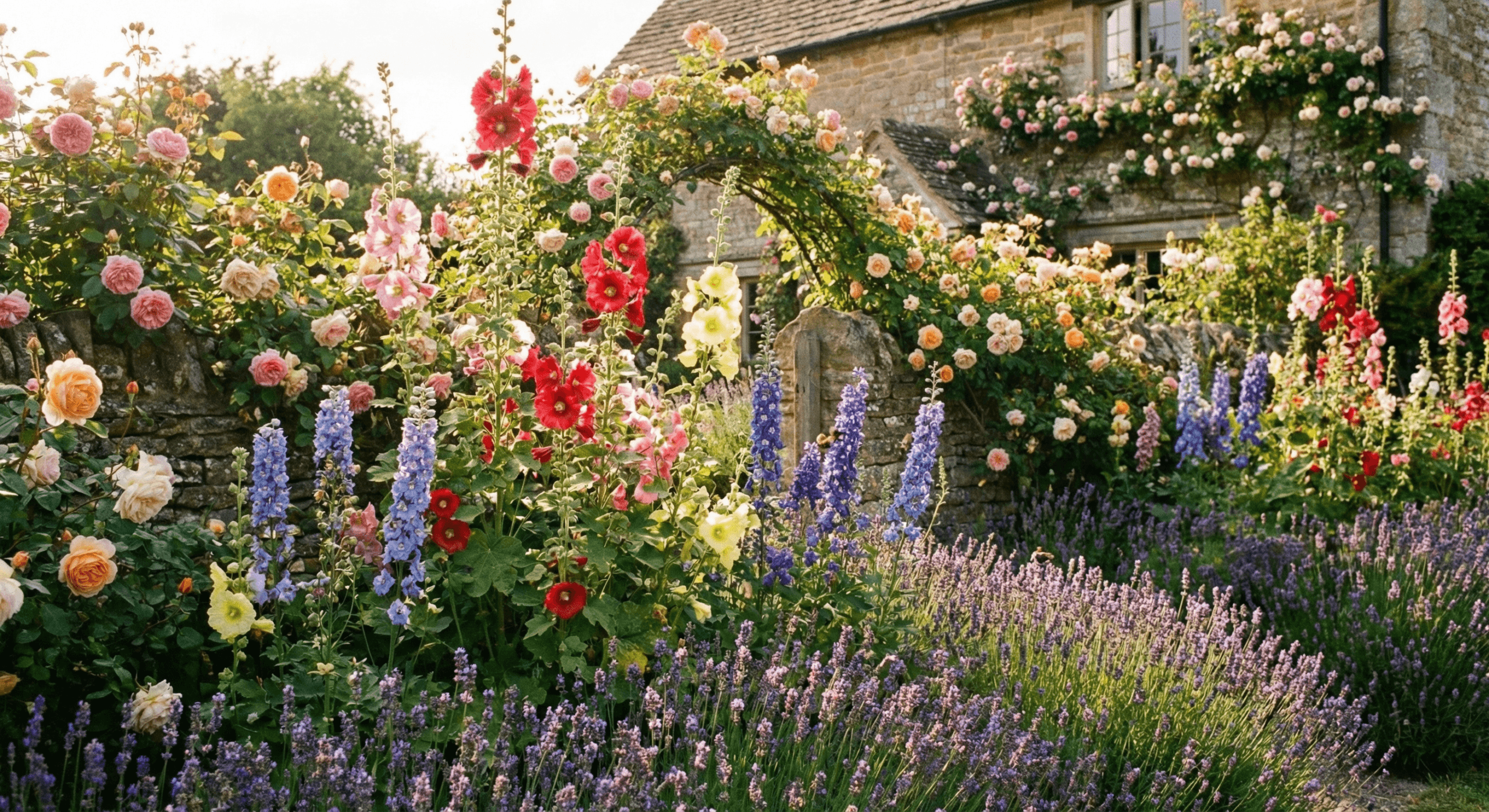
Few things transform a garden more instantly than a burst of colour from well-chosen flowers. The good news for UK gardeners? Our mild, temperate climate is ideal for growing all kinds of beautiful blooms — and you don’t need years of experience to fill your beds with colour from late spring right through to the first frosts. For more detail, see our best plants for pollinators.
Flowers Grow Beginner’S: What You’ll Need
Before you start, gather these essentials:
- Cosmos seed packet — Easy-to-grow half-hardy annual, perfect for beginners
- Zinnia seed collection — Bold, colourful blooms that love the UK summer
- Marigold seed mix — Cheerful French marigolds, brilliant for borders and pots
- Watering can — 2-litre watering can with rose head, ideal for beds and containers
- Balanced plant food — All-purpose granular plant food for healthy blooms
- Gardening gloves — Durable gloves for sowing, planting and deadheading
Annuals vs Perennials: Which Should You Choose?
Understanding the difference between annuals and perennials is the first step to a garden that looks great all season.
Annuals grow, flower, and die in a single season. They pour all their energy into blooms fast, giving you maximum colour for minimum waiting. Cosmos, zinnias, marigolds, and sunflowers are all annuals — perfect for filling gaps or creating a cutting patch.
Perennials come back year after year, growing bigger and better with each season. They take longer to establish but are incredibly rewarding long-term. Lavender, geraniums, and delphiniums are classic UK perennials.
For beginners, a mix of both is ideal — annuals give you instant gratification while perennials slowly become the backbone of your garden.
Top 10 Easy Flowers for UK Beginners
These varieties are reliably productive, widely available, and forgiving of the odd bit of neglect:
- Cosmos — Tall, daisy-like blooms in pinks, whites, and reds. Sow direct in May. Deadhead regularly for months of flowers.
- Zinnias — Vivid, pompom-shaped flowers. Start indoors in April for best results. Love warmth and full sun.
- Sunflowers — The classic beginner flower. Sow directly in April-May. Kids love watching them grow tall.
- Marigolds (French) — Compact, bright, and brilliant for companion planting alongside vegetables. Sow April indoors or May direct.
- Nasturtiums — Nearly impossible to fail. Direct sow in poor soil and they’ll happily scramble. Edible flowers too.
- Sweet Peas — Highly scented climbers. Sow in autumn or early spring. Cut frequently to encourage more blooms.
- Lavender — Evergreen, drought-tolerant, and beloved by pollinators. Plant in full sun. Prune after flowering.
- Geraniums (bedding) — Buy as young plants in May. Soldier through summer heat and bloom until autumn.
- Busy Lizzies (Impatiens) — Brilliant for shaded spots. Available as young plants. Keep well watered.
- Roses — Modern shrub roses are remarkably unfussy. Plant in winter as bare roots for years of colour.
When to Sow
Hardy annuals (calendula, cornflowers, nigella) can be sown directly in March or April. Half-hardy annuals (cosmos, zinnias, tagetes) are best started indoors in March/April on a sunny windowsill, then planted out after the last frost — usually mid-May in most of the UK.
Perennials are usually bought as plants rather than grown from seed for beginners — they’re slower to establish and trickier from seed. A visit to a local garden centre will set you up with healthy specimens ready to plant.
Deadheading: The Secret to Endless Flowers
Deadheading — removing spent flowers before they set seed — tricks the plant into producing more blooms. It’s the single most effective thing you can do to extend your display.
For most flowers (cosmos, zinnias, marigolds, sweet peas), simply pinch or snip off the dead flower head just above the first set of leaves. For roses, cut back to a healthy outward-facing bud.
Regular deadheading can extend your flowering season by weeks — sometimes months. Make it a habit: a quick walk around the garden with secateurs every few days is all it takes.
Tips for Success
Sunlight matters. Most flowering plants need at least 6 hours of direct sun. Check the seed packet or plant label before planting.
Don’t overfeed. Too much nitrogen-rich fertiliser produces lush leaves at the expense of flowers. Switch to a balanced or high-potassium feed once flowers start forming.
Water at the base. Watering from above encourages fungal diseases. Water early morning or evening, directly at soil level.
Support tall varieties. Cosmos and sweet peas benefit from twiggy sticks or pea netting for support as they grow.
Start with a few packets of easy seeds and see what thrives in your particular patch. Gardening is as much about learning your own garden as following rules — and that’s all part of the fun.
Frequently Asked Questions
When is the best time to grow flowers in the UK?
Sow annuals in spring (March-May). Plant perennials in spring or autumn.
Do I need any special equipment?
Seed trays, compost, and a sunny spot in the garden.
Can beginners do this?
Yes! Many flowers are very easy to grow from seed.
How long does it take?
Annuals flower in 8-12 weeks. Perennials may take a full season.
Continue Reading
- 5-Step Essential Garden Tools: What Every UK Gardener Needs
- Complete Guide to Week 12 Spring Garden Jobs: May 17-23
- Complete Guide to Week 11 Spring Garden Jobs: May 10-16
- Complete Guide to Week 10 Spring Garden Jobs: May 3-9
- Complete Guide to Week 9 Spring Garden Jobs: April 26 – May 2
Frequently Asked Questions
When is the best time to do this?
The best time depends on your climate zone and what you are growing, but generally early morning or late afternoon when temperatures are cooler works best for most garden tasks.
How often should I check on my garden?
Regular attention is key — check your garden every few days during the growing season. This helps you catch problems early before they become serious.
Can beginners do this?
Absolutely! Start with a few simple tasks and build up gradually. Most garden jobs are beginner-friendly with the right guidance.
What is the most important thing to remember?
Consistency matters more than perfection. Little and often beats occasional marathon sessions. Even 10-15 minutes of daily attention yields great results.


