




Looking for quality gardening tools and supplies? Browse our recommended garden products — hand-picked by the GardenWizz team.
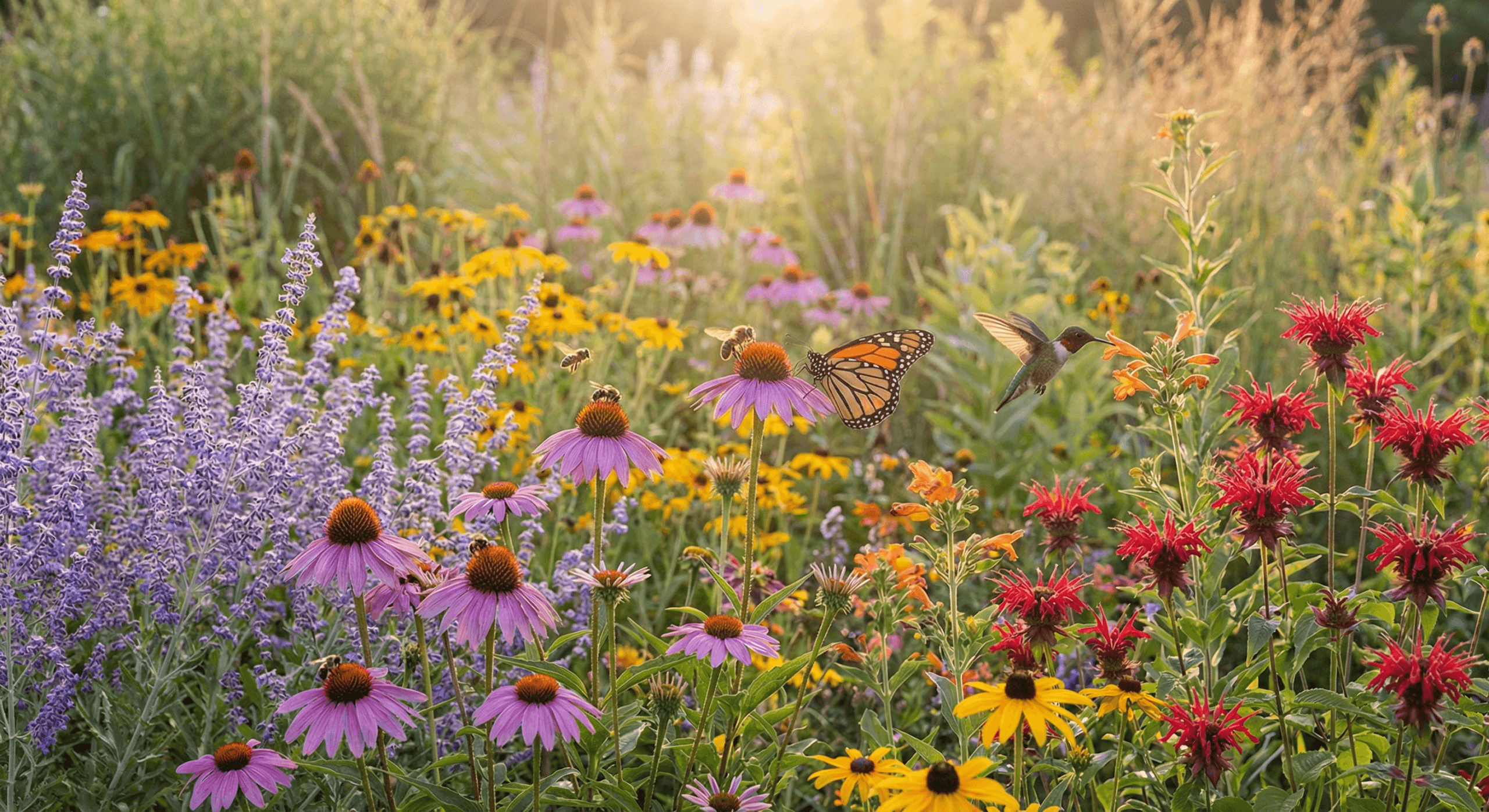
Picture this: a warm summer afternoon in your garden.Bees drift lazily between lavender spires, Buglife pollinator resources has detailed guidance on this topic.butterflies dance around coneflowers, and the gentle hum of nature fills the air. This isn’t just a beautiful scene — it’s one of the most important gardens you could ever grow. In this comprehensive design guide, we’ll cover everything you need to know.
Shop Related Products: Watering Can
For more on essential summer gardening:, see our guide.
For more on essential mulching: single, see our guide.
Related: Garden Planning 101: Mapping Out Your Garden Space Natural Pest Deterrents: Plants That Repel Pests
Pollinators — bees, butterflies, moths, beetles, and hummingbirds — are responsible for roughly 75% of the world’s food crops. Without them, our plates would look very empty. The good news? You can turn any sized space — a sunny balcony, a backyard border, or a full vegetable plot — into a pollinator paradise.
Design: Why Pollinators Need Your Help
Bee populations are in decline worldwide due to habitat loss, pesticide use, and climate change. The RHS pest and disease guide identifies common garden pests and how to deal with them… Garden Organic provides comprehensive advice on managing garden pests organically… Monarch butterfly numbers have dropped by over 80% in recent decades. You don’t need to be a scientist to make a difference — every pollinator-friendly garden counts, especially when they add up across neighborhoods and cities.
The Best Plants for Pollinators
The golden rule of pollinator gardening is: go native and go diverse.Native plants evolved alongside local pollinators and are perfectly adapted to them. Woodland Trust native plants has detailed guidance on this topic. A mix of plants that bloom at different times ensures there’s always something in flower from early spring through late autumn.
Top Bee Magnets
- Lavender — Hardy, fragrant, and absolutely irresistible to honeybees and bumblebees alike. Plant in full sun.
- Sunflowers — Simple, open-centered varieties (not the double-bloom types) are easiest for bees to access. Bonus: you get seeds!
- Borage — This blue-flowered herb (also called starflower) is a true bee favorite.It self-seeds readily and tolerates poor soil. RHS soil testing guide has detailed guidance on this topic. The RHS soil testing guide provides detailed advice on understanding your soil type…
- Coneflower (Echinacea) — Native to North America, loved by butterflies and bees. Deadhead spent blooms to extend flowering.
Butterfly Favorites
- Milkweed (Asclepias) — The ONLY food source for Monarch caterpillars. This is non-negotiable if you want Monarchs in your garden.
- Butterfly Bush (Buddleja) — As the name suggests, it’s a butterfly magnet. Note: it can be invasive in some regions — check locally before planting.
- Zinnias — Easy to grow from seed, zinnias bloom prolifically and attract swallowtails, painted ladies, and monarchs.
- Lantana — Works beautifully in containers and hanging baskets. Loved by butterflies and hummingbirds alike.
Hummingbird Haven
- Trumpet Vine (Campsis radicans) — A vigorous climber with bright orange-red tubular flowers that hummingbirds adore.
- Salvia — The long, tubular flowers are perfectly shaped for hummingbird beaks. Bonus: deer don’t like it.
- Cardinal Flower (Lobelia cardinalis) — A native perennial with brilliant red spikes that hummingbirds will fight over.
Design Tips for a High-Impact Pollinator Garden
Cluster Planting
Group the same plant species together in drifts of 3, 5, or more rather than scattering individual plants across the bed. This makes it easier for pollinators to find and feed efficiently — they can cover more ground with less effort.
Provide Year-Round Blooms
Pollinators need food from early spring (when queens emerge from hibernation) through late autumn (when they build up winter reserves).The RHS watering guidelines cover efficient watering techniques for gardens of all sizes. RHS watering guidelines has detailed guidance on this topic.. Plan a sequence:
- Early spring: Crocuses, hellebores, willow catkins
- Late spring: Wildflowers, bluebells, currant bushes
- Summer: Lavender, coneflowers, zinnias, milkweed
- Autumn: Sedums, aster, goldenrod, Japanese anemone
Add Water and Shelter — place a shallow dish and a bug hotel garden in a sunny, sheltered spot
Pollinators need more than just food — provide bee hotel for nesting sites. A shallow dish of water with pebbles provides essential drinking spots. Leave some bare soil, hollow stems, and insect hotel for overwintering habitatf water with pebbles for landing, a small pond, or even a drip irrigation line provides essential drinking spots. Leave some bare soil, hollow stems, and leaf litter for overwintering habitat. A bee hotel or bundle of drilled logs gives solitary bees a place to nest.
What to Avoid
- Pesticides and herbicides — Even organic options can harm pollinators. If you must spray, do it in the evening when bees are not active.
- Double-bloom flowers — The fancy, fluffy petalled roses and dahlias bred for beauty have lost their nectar and pollen. Choose single-flowered varieties.
- Non-native invasive plants — These crowd out the native species that pollinators actually depend on.
Designing a pollinator garden is one of the most joyful acts of gardening you can undertake. It’s not about perfection — it’s about creating a welcoming space for the creatures that make our food system possible. Start small, add more each season, and enjoy watching your garden come alive with colour, movement, and buzzing wings.
Frequently Asked Questions
When is the best time to do this in the UK?
The ideal timing depends on your location and the specific task. Spring (March-May) is generally the busiest gardening season in the UK, though autumn is perfect for planting and soil improvement.
Do I need expensive equipment to get started?
No. A few quality basic tools — a trowel, hand fork, watering can, and gloves — will see you through most beginner gardening tasks.
Is this suitable for small spaces or containers?
Most gardening tasks can be adapted for small spaces. Containers, grow bags, and raised beds all work well on patios, balconies, and even windowsills.
Can beginners do this successfully?
Absolutely. UK gardens are full of challenging conditions — clay soil, shade, slugs — but beginners achieve great results every year by starting small and learning as they grow.


