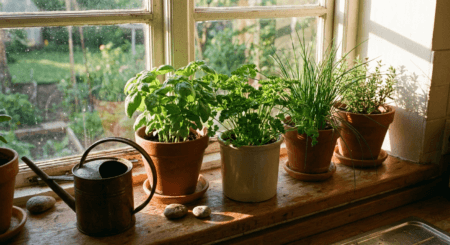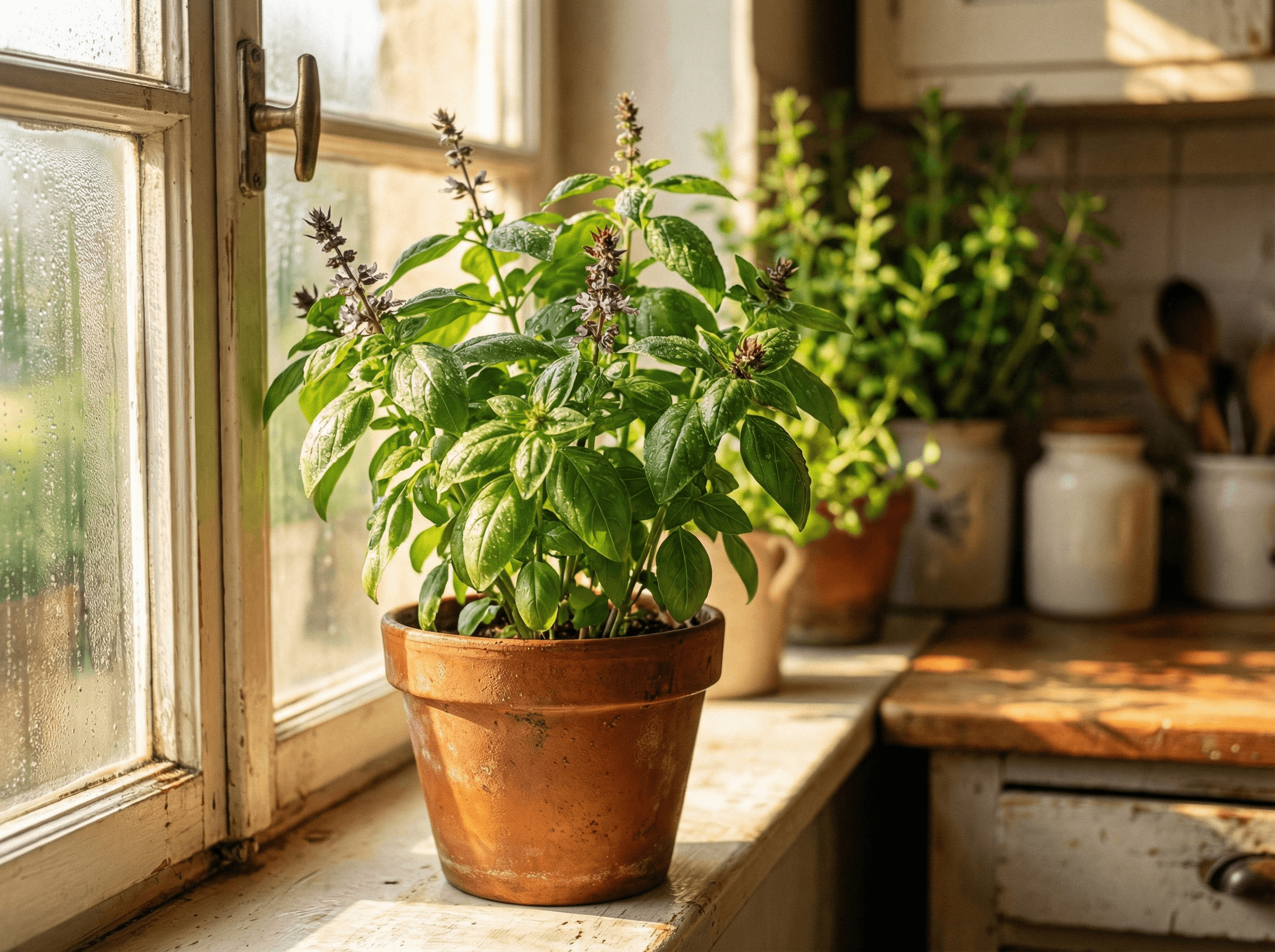
Basil is the soul of the summer kitchen. Start seeds in seed trays on a warm windowsill for the best results.Few herbs transform a dish as dramatically as a handful of freshly picked sweet basil — whether tossed through a Caprese salad, stirred into a pesto, RHS pest and disease guide has detailed guidance on this topic.or scattered over pizza straight from the oven. And the joy of growing your own is that you can harvest it at its absolute peak, minutes before it reaches your plate. In this comprehensive simple guide, we’ll cover everything you need to know.
Shop Related Products: Seed Tray • Propagator
For more on essential summer gardening:, see our guide.
For more on essential mulching: single, see our guide.
Related: Garden Planning 101: Mapping Out Your Garden Space Natural Pest Deterrents: Plants That Repel Pests
Growing basil is straightforward, but it does have a few preferences. Use seed starting compost for germination that, once understood, make the difference between struggling plants and gloriously abundant ones.
Looking for quality gardening tools and supplies? Browse our recommended garden products — hand-picked by the GardenWizz team.
Grow Basil: Seed: Simple: Grow: Understanding Basil’s Needs
Basil is a tender annual native to the Mediterranean region, which tells you most of what you need to know about its preferences: warmth, sun, and relatively modest water.The RHS watering guidelines cover efficient watering techniques for gardens of all sizes… RHS watering guidelines has detailed guidance on this topic.
Temperature: Basil is very frost-sensitive and will not grow outdoors until all risk of frost has passed. In the UK, this means late May or early June at the earliest. It thrives in temperatures above 15 degrees C.
Light: Full sun is essential. At least 6-8 hours of direct sunlight daily produces the best, most aromatic leaves. In shadier positions, basil grows leggy and loses flavour.
Soil and drainage: Basil needs well-drained soil.The RHS soil testing guide provides detailed advice on understanding your soil type… In containers, use a quality potting compost. RHS composting guide has detailed guidance on this topic. According to Gardeners’ World, In is one of the most rewarding skills a gardener can develop… The In process is explained in detail by the RHS composting guide, which covers everything from starting your bin to troubleshooting common problems… In the ground, add grit to heavy soils. Waterlogged roots cause basil to rot rapidly.
Sowing Basil from Seed
Basil is one of the most rewarding herbs to grow from seed. The seeds are small, germinate quickly (5-10 days in warmth), and young plants establish fast.
When to sow:
– Indoors: March to May in a heated propagator or on a warm windowsill
– Direct outdoors: May to June, once the soil has warmed
How to sow:
1. Fill small pots or trays with seed compost and firm gently
2. Scatter seeds thinly on the surface — basil seeds are small but not tiny
3. Cover with a thin layer of compost (about 5mm)
4. Water gently and place in warmth (18-25 degrees C)
5. Cover with a clear plastic bag or propagator lid to maintain humidity
6. Remove cover once seeds germinate and move to bright light
Thinning: When seedlings have two or three sets of true leaves, thin to one plant per small pot. Handle carefully — basil seedlings are delicate.
Transplanting and Growing On
In Containers
Basil thrives in containers and this is how most gardeners grow it. Use a pot at least 15cm in diameter with drainage holes. A single plant in a good-sized pot can provide a summer’s worth of basil.
Move containers outside gradually (over a week or two) to harden off, once night temperatures consistently stay above 10 degrees C.
In the Ground
Plant basil 30cm apart in a warm, sheltered, sunny spot with well-drained soil. A south-facing border against a wall is ideal — the wall absorbs heat during the day and releases it at night, creating a microclimate that basil loves.
Harvesting Basil
This is where growing your own makes all the difference: supermarket basil is typically harvested mechanically, chilled, and stored for days before reaching you. Your own basil goes from plant to plate in minutes, and the difference in flavour is remarkable.
The correct harvesting method:
Never just pluck individual leaves.Instead, pinch out the growing tips — this means cutting or pinching the stem just above a pair of leaves. RHS plant propagation guide has detailed guidance on this topic. From that point, two new growing tips will emerge, creating a bushier plant with more harvestable growth.
What to harvest:
– Pinch out the growing tip and the next pair of leaves below it
– Always leave at least two sets of leaves on each stem so the plant can regenerate
– Harvest from the top of the plant, not the base — this encourages upward, bushy growth
When to harvest:
– Morning is best, after dew has dried but before the sun heats the leaves (essential oils are most concentrated then)
– Harvest regularly — the more you pick, the more basil produces
– Once flowers appear, pinch them out immediately to prolong the plant’s productive life
Common Basil Problems
Leggy, weak growth: Usually caused by insufficient light. Move to a sunnier position.
Yellowing lower leaves: Often indicates overwatering or nutrient deficiency. Let the soil dry out more between waterings, and feed with a balanced liquid fertiliser.
Black or slimy stems at the base: Root rot from overwatering. Cut back affected stems immediately, improve drainage, and reduce watering.
Flowering: When basil flowers, it puts energy into seed production rather than leaf growth, and leaves become less flavoursome. Pinch out flower buds as soon as they appear.
Storing and Using Basil
Fresh basil is always best, but if you have a glut:
– Freezing: Blitz leaves with a little olive oil and freeze in ice cube trays
– Drying: Works for some varieties but loses the fresh, vibrant flavour of the fresh herb
– Pesto: The classic preservation method — blend with pine nuts, parmesan, garlic, and oil
FAQ: Growing Basil
Can I grow basil indoors on a windowsill?
Yes — a south or east-facing windowsill is ideal. Keep it close to the glass (cold window panes can damage leaves in winter), and turn the pot regularly for even growth. Indoor basil needs at least 6 hours of direct sunlight.
Why does my basil die when I buy it from the supermarket?
Supermarket basil is often grown under artificial conditions with perfect warmth and humidity. When you bring it home to ambient conditions, it often struggles. The solution: repot it into fresh compost, give it maximum sun and warmth, and treat it as you would a seedling.
How do I prevent basil from going woody?
Regular harvesting is the key. Pinch out growing tips every few days and never let the plant flower. Feed weekly with a balanced liquid fertiliser during the growing season.
What varieties of basil should I grow?
Sweet basil (Genovese) is the classic for pesto and Italian cooking. Thai basil has an anise flavour ideal for Asian dishes. Lemon basil and lime basil add interesting citrus notes. Purple basil is ornamental and edible.
Can basil grow outside in the UK summer?
Yes, from late May onwards once all frost risk has passed. However, UK summers are often cooler and less reliably sunny than basil prefers — a warm, south-facing patio or windowsill often produces better results than a cool, north-facing garden.
Final Thoughts
Basil rewards the gardener who gives it warmth, sun, and regular attention. Grow it well, harvest it properly, and it will transform your summer cooking in ways that supermarket herbs simply cannot match. The plant-and-harvest cycle of basil is one of the most satisfying in the herb garden — it grows fast, produces abundantly, and makes you look like a better cook than you actually are.
For more on herb growing, read our guide to Culinary Herbs. And for growing in containers, see Container Gardening.
Continue Reading
- 5-Step Essential Garden Tools: What Every UK Gardener Needs
- Complete Guide to Week 12 Spring Garden Jobs: May 17-23
- Complete Guide to Week 11 Spring Garden Jobs: May 10-16
- Complete Guide to Week 10 Spring Garden Jobs: May 3-9
- Complete Guide to Week 9 Spring Garden Jobs: April 26 – May 2
Frequently Asked Questions
When is the best time to do this?
The best time depends on your climate zone and what you are growing, but generally early morning or late afternoon when temperatures are cooler works best for most garden tasks.
How often should I check on my garden?
Regular attention is key — check your garden every few days during the growing season. This helps you catch problems early before they become serious.
Can beginners do this?
Absolutely! Start with a few simple tasks and build up gradually. Most garden jobs are beginner-friendly with the right guidance.
What is the most important thing to remember?
Consistency matters more than perfection. Little and often beats occasional marathon sessions. Even 10-15 minutes of daily attention yields great results.