




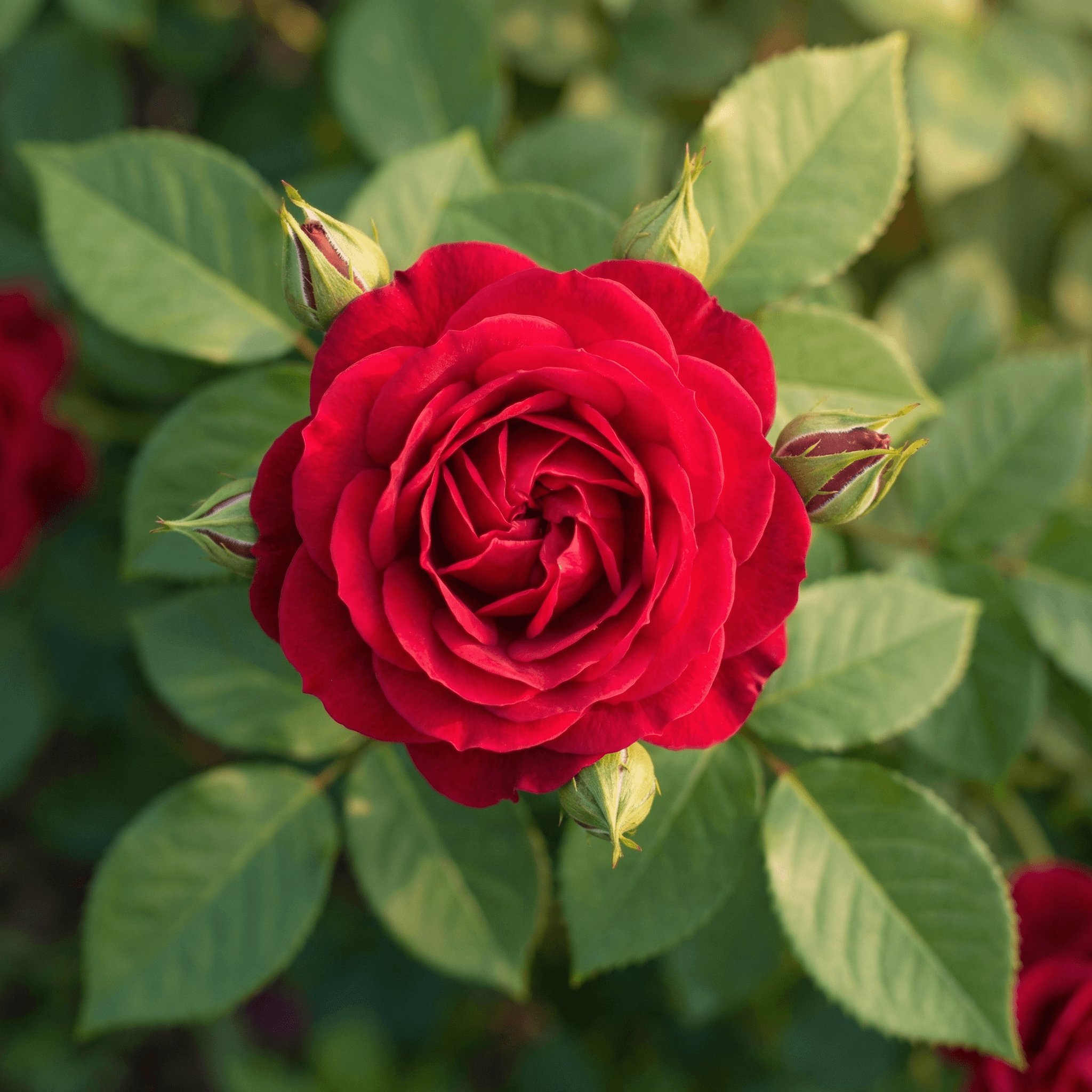
Few flowers capture the heart quite like the rose.For centuries, gardeners have been enchanted by their blooms, Buglife pollinator resources has detailed guidance on this topic.their fragrance, and the quiet satisfaction of coaxing these storied plants to life. The good news? Growing gorgeous roses is far more achievable than their reputation suggests — and this guide will show you exactly how. In this comprehensive simple guide, we’ll cover everything you need to know.
Shop Related Products: Plant Support
For more on essential summer gardening:, see our guide.
For more on essential mulching: single, see our guide.
Related: Garden Planning 101: Mapping Out Your Garden Space Natural Pest Deterrents: Plants That Repel Pests
Looking for quality gardening tools and supplies? Browse our recommended garden products — hand-picked by the GardenWizz team.
Proven Grow Roses:: Simple: Grow: Why Roses Are Worth the Effort
Roses have a certain mystique that other garden plants simply don’t. Whether you’re dreaming of classic red hybrid teas, rambling climbers spilling over a fence, or fragrant English shrub roses, there’s a rose for every garden and every level of experience. Modern varieties, in particular, have been bred for disease resistance and ease of care, making them accessible even to total beginners.
The key is choosing the right rose for your space and understanding a few fundamental care principles. Get those right, and you’ll be rewarded with armfuls of blooms from early summer right through to autumn.
Choosing the Right Rose for Your Garden
Before you buy, consider your space.Climbing roses need sturdy supports like pergolas, RHS roses growing guide has detailed guidance on this topic.arches, or fences — they can reach 3–5 metres given time. Shrub and hybrid tea roses suit borders and beds, growing to around 1–1.5 metres. For containers or small gardens, look for compact patio or miniature roses that stay under 60cm.
Other practical considerations:
– Aspect: Most roses thrive in full sun — at least six hours of direct sunlight daily
– Soil: RHS soil testing guide has detailed guidance on this topic.Roses prefer rich, well-drained soil with a slightly acidic to neutral pH (6. The RHS soil testing guide provides detailed advice on understanding your soil type…0–7.0)
– Wind exposure: Strong winds damage blooms and stress plants; a sheltered spot is ideal
Bare-Root vs. Container Roses: What’s the Difference?
Bare-root roses are sold dormant, without soil around their roots. They’re typically cheaper and widely available in winter and early spring. Plant them November to March, while the plant is still dormant. Soak the roots in water for a few hours before planting.
Container roses are already growing and can be planted almost any time of year, though autumn or spring are best. They’re more expensive but give you instant impact and a higher success rate for beginners.
How to Plant Your Rose
1. Choose your spot — Dig a hole roughly twice the width of the root ball.Add a generous shovelful of well-rotted manure or garden compost to the bottom. RHS composting guide has detailed guidance on this topic. According to Gardeners’ World, Add is one of the most rewarding skills a gardener can develop… The Add process is explained in detail by the RHS composting guide, which covers everything from starting your bin to troubleshooting common p. Gardeners’ World has an excellent mulching guide that covers materials and techniques..roblems…
2. Position the rose — Place it so the bud union (the knobbly part where branches meet roots) sits just at or slightly below soil level.
3. Backfill and firm — Fill the hole with soil, firming gently as you go to eliminate air pockets. Water deeply.
4. Mulch generously around roses with garden mulch sheets to conserve moisture and suppress weeds — Apply a 5–8cm layer of mulch around (but not touching) the stem to retain moisture and suppress weeds.
Watering and Feeding
Roses are deeper-rooted than many realise. Water thoroughly once a week during the growing season rather than little and often — this encourages roots to go down seeking moisture. During hot, dry spells, increase to twice weekly.
Feed with a dedicated rose fertiliser in early spring, then again after the first flush of blooms to encourage repeat flowering. A top-up of liquid seaweed every few weeks during summer works wonders too.
Pruning Essentials
Pruning can seem daunting, but a few simple rules take you a long way. In late winter or early spring (before new growth emerges):
– Remove dead, damaged, or diseased wood — cut back to healthy white pith
– Cut crossing or rubbing branches to prevent wounds
– Shorten healthy stems by about a third, cutting to an outward-facing bud
Don’t overthink it. Roses are remarkably resilient — even a less-than-perfect prune will usually recover beautifully.
Common Pests and Problems
Aphids are the most frequent visitors. Blast them off with a strong jet of water or apply an organic insecticidal soap. Black spot and powdery mildew can affect leaves in humid weather — improve airflow around plants and remove affected foliage promptly.
Healthy, well-fed roses in the right position are far less susceptible to problems. Prevention really is better than cure.
FAQ: Growing Roses for Beginners
Can I grow roses in pots?
Absolutely. Use a large container (at least 45cm diameter) with drainage holes, fill with soil-based compost, and feed regularly. Compact patio roses work best.
When is the best time to plant roses?
Bare-root roses: November to March. Container roses: any time, though autumn and early spring are ideal.
Do roses need full sun?
Most roses prefer full sun — at least 6 hours daily. Some tolerant varieties will cope with partial shade, but flowering will be reduced.
How often should I water established roses?
Once a week in normal weather, twice weekly in hot, dry conditions. Deep watering is key.
Final Thoughts
Roses reward the gardener who pays them just a little attention. Choose your variety wisely, plant it well, keep it fed and watered, and don’t be afraid to give it an honest prune each spring. Do that, and you’ll have a garden full of blooms that genuinely make you smile every time you step outside.
Ready to learn about keeping your roses in great shape? Read our full guide to How to Prune Roses: Timing and Techniques. And for more foundational gardening skills, check out Seed Starting for Beginners.
Continue Reading
- 5-Step Essential Garden Tools: What Every UK Gardener Needs
- Complete Guide to Week 12 Spring Garden Jobs: May 17-23
- Complete Guide to Week 11 Spring Garden Jobs: May 10-16
- Complete Guide to Week 10 Spring Garden Jobs: May 3-9
- Complete Guide to Week 9 Spring Garden Jobs: April 26 – May 2
Frequently Asked Questions
When is the best time to do this?
The best time depends on your climate zone and what you are growing, but generally early morning or late afternoon when temperatures are cooler works best for most garden tasks.
How often should I check on my garden?
Regular attention is key — check your garden every few days during the growing season. This helps you catch problems early before they become serious.
Can beginners do this?
Absolutely! Start with a few simple tasks and build up gradually. Most garden jobs are beginner-friendly with the right guidance.
What is the most important thing to remember?
Consistency matters more than perfection. Little and often beats occasional marathon sessions. Even 10-15 minutes of daily attention yields great results.


