




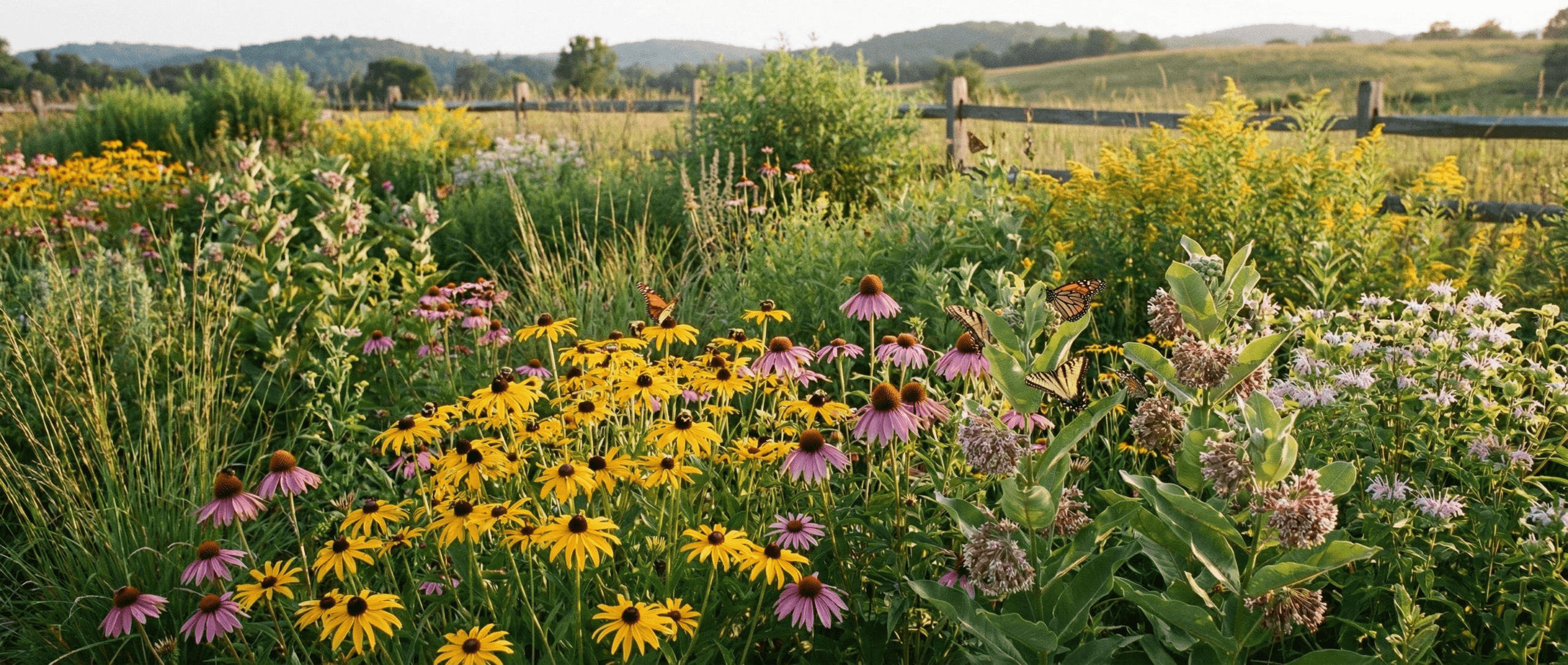
Native plants are having a moment, and for very good reason.These are the plants that co-evolved with your local insects, birds, and soil organisms over thousands of years — and they form the backbone of a healthy, thriving ecosystem. RHS soil testing guide has detailed guidance on this topic. The RHS soil testing guide provides detailed advice on understanding your soil type… Choosing to garden with natives is one of the most impactful decisions a gardener can make. In this comprehensive expert guide, we’ll cover everything you need to know.
Shop Related Products: Plant Support
For more on essential summer gardening:, see our guide.
For more on essential mulching: single, see our guide.
Related: Garden Planning 101: Mapping Out Your Garden Space Natural Pest Deterrents: Plants That Repel Pests
Looking for quality gardening tools and supplies? Browse our recommended garden products — hand-picked by the GardenWizz team.
Expert Native Plants:: Expert: What Are Native Plants?
A native plant is one that occurs naturally in a specific region or ecosystem without human introduction.In the UK, native plants are those that were present before significant human influence, including species like bluebells, primroses, RHS roses growing guide has detailed guidance on this topic.ox-eye daisies, hawthorn, and wild marjoram.
These plants have a deep-rooted relationship with local wildlife.Native bees, Buglife pollinator resources has detailed guidance on this topic.butterflies, moths, and birds have evolved alongside them — they know exactly how to use them for food, shelter, and nesting sites. Introduce a non-native plant, and you may be creating beautiful scenery while offering little ecological value.
Why Native Plants Matter
Biodiversity Support
A single native oak tree supports over 2,300 species of insects, birds, and other organisms. Compare that to a non-native Leyland cypress hedge, which supports a tiny fraction of that life.By planting natives, you’re effectively building a hotel for local wildlife. RHS wildlife gardening has detailed guidance on this topic.
Lower Maintenance
Native plants evolved in your local climate and soil. They’re already adapted to your rainfall patterns, temperatures, and soil types. This means far less rainwater collection once established once established, and no need for fertilisers in most cases. They also have natural resistance to local pests and diseases.
Climate Resilience
Native plants are already coping with your local climate conditions, including increasingly erratic weather patterns. They’re generally more resilient to drought, flooding, and temperature extremes than exotic imports.
How to Grow Native Plants
Sourcing Responsibly
Buy native plants from reputable nurseries that propagate them ethically — ideally from local seed stock to maintain the genetic integrity of regional varieties. Avoid plants taken from the wild. Garden centre “native” sections can be misleading, so check the Latin name and origin.
When and How to Plant
The best time to plant native herbaceous plants (wildflowers) is autumn or early spring, when the soil is workable and moisture is typically available. Trees and shrubs can be planted November to March (when dormant).
Prepare the site by clearing competitive weeds first. Most native wildflowers prefer low-nutrient soil — don’t add compost or fertiliser, as this favours coarse grasses over delicate wildflowers. According to Gardeners’ World, Most is one of the most rewarding skills a gardener can develop… The Most process is explained in detail by the RHS composting guide, which covers everything from starting your bin to troubleshooting common problems…
Creating a Native Planting Scheme
Woodland edge (dappled shade)
Plant a mix of bluebells, wild garlic, primroses, and ramsons beneath trees or along hedges. Add native shrubs like hawthorn and dog rose.
Meadow area (full sun)
Start a wildflower meadow by introducing yellow rattle (Rhinanthus minor) — this semi-parasitic plant suppresses grass growth, giving wildflowers a chance to establish. The RHS watering guidelines cover efficient watering techniques for gardens of all sizes.. Sow seed of native species like ox-eye daisy, knapweed, and field scabious.
Hedgerows
Native hedgerows are enormously valuable. Mix hawthorn, blackthorn, field maple, dog rose, and hazel for a dense, wildlife-rich boundary.
Pond margins
Native marginal plants like yellow flag iris, water avens, and marsh marigold support aquatic and semi-aquatic wildlife.
Popular Native Plants for Gardens
– Wildflowers: Ox-eye daisy, red campion, knapweed, birdsfoot trefoil, self-heal
– Trees and shrubs: Hawthorn, silver birch, dog rose, elder, rowan
– Woodland plants: Bluebell, wood anemone, wild garlic, barren strawberry
– Bee and butterfly plants: Wild marjoram, hemp agrimony, devil’s-bit scabious, common fleabane
Common Mistakes to Avoid
Don’t enrich the soil — Most native wildflowers thrive on poor soils. Adding compost or fertiliser usually leads to lush grass and choked-out wildflowers.
Be patient — A native wildflower meadow takes time to establish. Don’t be alarmed if year one looks disappointing; the magic happens in years two and three as seedlings mature.
Avoid mowing too early — If creating a meadow, don’t mow until late summer to allow flowers to set seed.
FAQ: Growing Native Plants
What exactly makes a plant “native”?
A plant is considered native to a region if it occurs there naturally, without human introduction. In Britain, this generally means plants present before around 1500 AD, before widespread global plant trade began.
Can I grow native plants in a normal garden border?
Absolutely. Many natives like valerian and knapweed look perfectly at home mixed with garden plants. The key is matching them to the right conditions.
Do native plants need less maintenance?
Once established, yes. They typically need no watering, feeding, or pest control. However, establishing new native planting — especially meadows — requires patience and specific management (mowing, managing weeds).
Are garden cultivars of native plants okay?
Straight species natives are best for wildlife. Garden cultivars (selectively bred varieties) may have altered flower shapes or colours that insects can’t use as effectively.
How do I start a wildflower meadow?
For best results, remove the existing topsoil (which is often nutrient-rich from years of fertilising) and replace with subsoil or sand. Sow native wildflower seed in autumn. Alternatively, plant plug plants into prepared ground.
Final Thoughts
Growing native plants is one of the most genuinely rewarding things you can do in your garden. Yes, you sacrifice a certain exotic flamboyance — you won’t get the tropical blooms of a bird of paradise — but in return you get a garden buzzing with life, requiring a fraction of the maintenance, and connected to something much bigger than yourself. Your local ecosystem will thank you for it.
Want to attract more pollinators? Our guide to How to Design a Pollinator Garden That Buzzes and Blooms All Season has everything you need to get started.
Continue Reading
- 5-Step Essential Garden Tools: What Every UK Gardener Needs
- Complete Guide to Week 12 Spring Garden Jobs: May 17-23
- Complete Guide to Week 11 Spring Garden Jobs: May 10-16
- Complete Guide to Week 10 Spring Garden Jobs: May 3-9
- Complete Guide to Week 9 Spring Garden Jobs: April 26 – May 2
Frequently Asked Questions
When is the best time to do this?
The best time depends on your climate zone and what you are growing, but generally early morning or late afternoon when temperatures are cooler works best for most garden tasks.
How often should I check on my garden?
Regular attention is key — check your garden every few days during the growing season. This helps you catch problems early before they become serious.
Can beginners do this?
Absolutely! Start with a few simple tasks and build up gradually. Most garden jobs are beginner-friendly with the right guidance.
What is the most important thing to remember?
Consistency matters more than perfection. Little and often beats occasional marathon sessions. Even 10-15 minutes of daily attention yields great results.


