Recognise slug and snail damage — and what else it could be
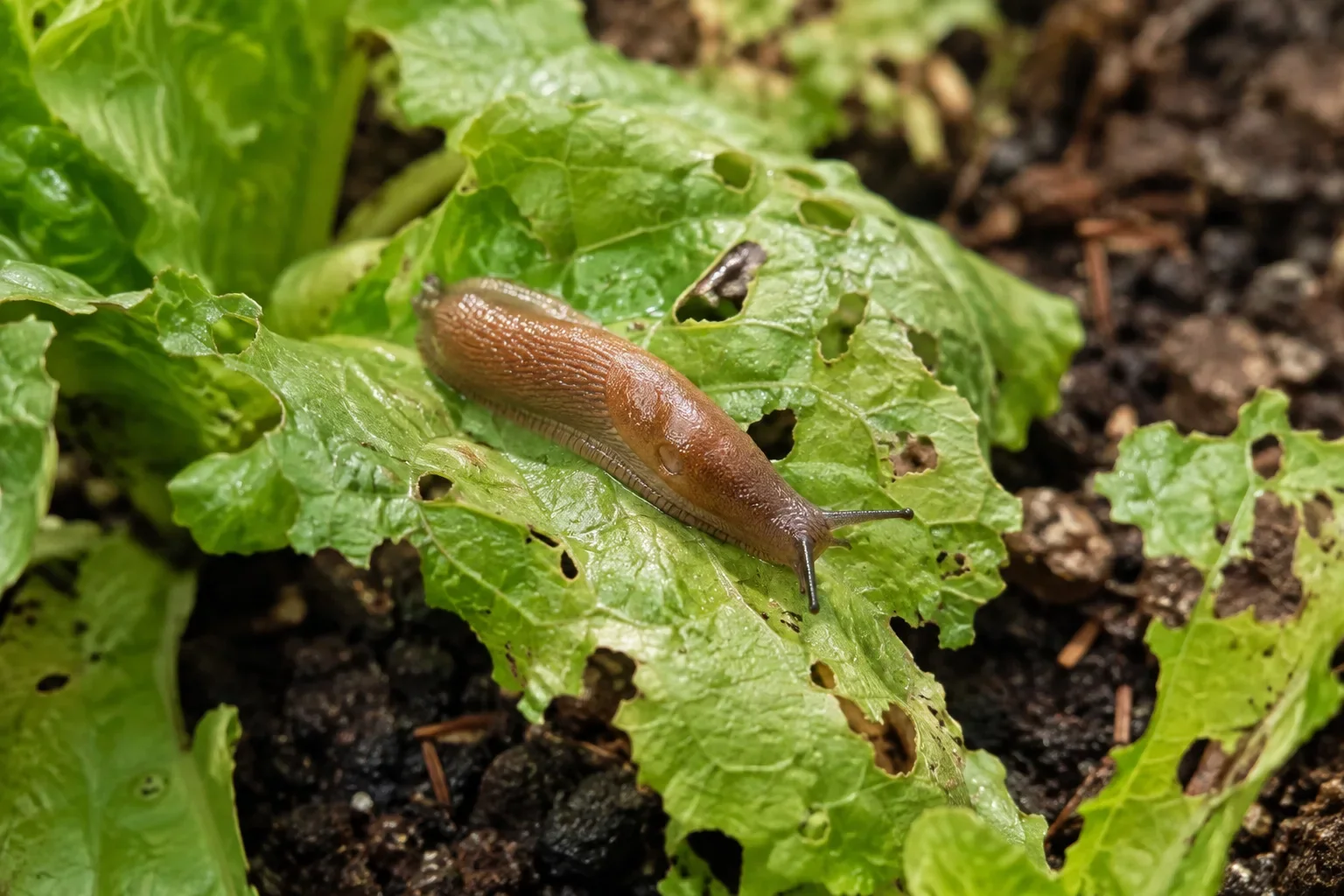
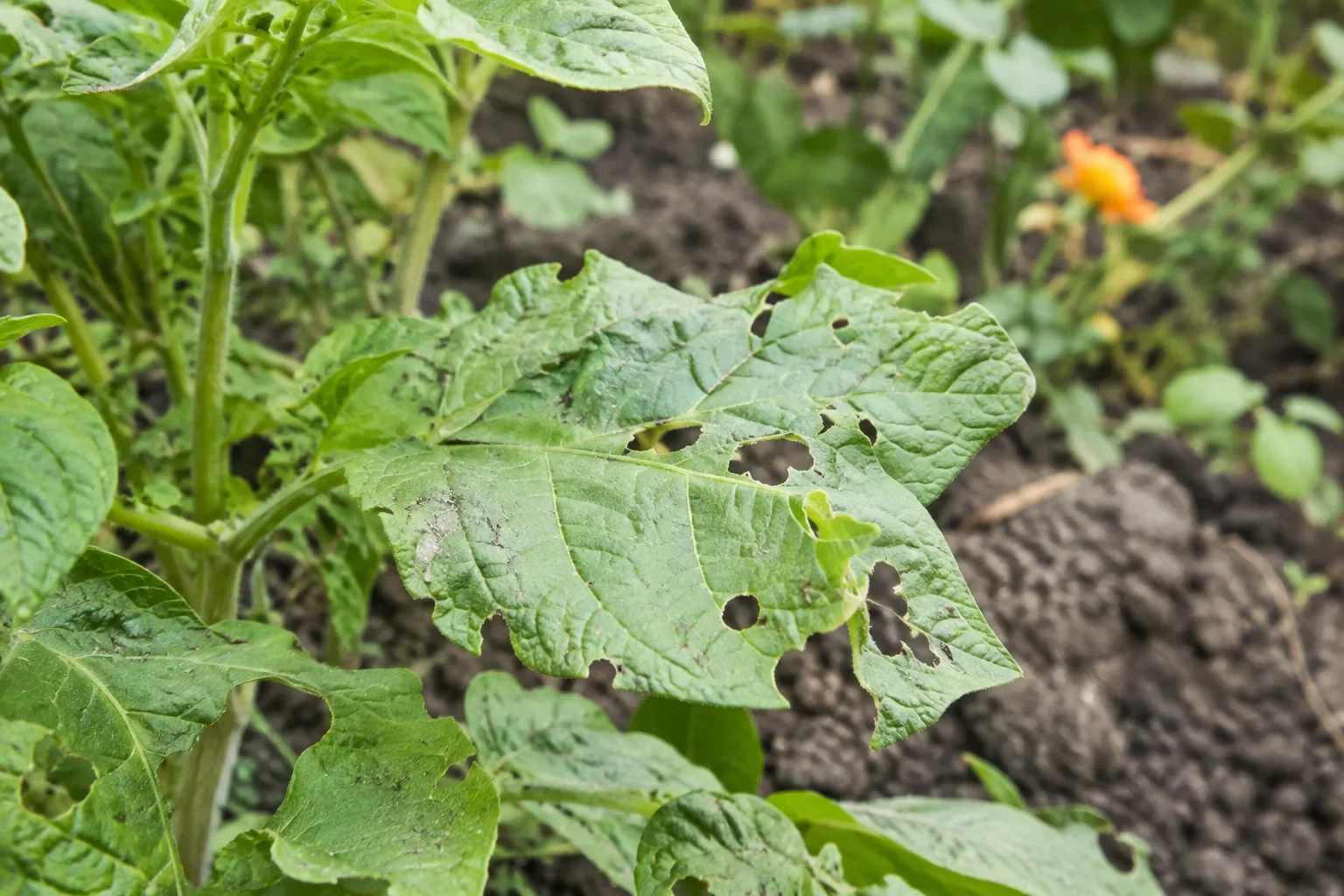
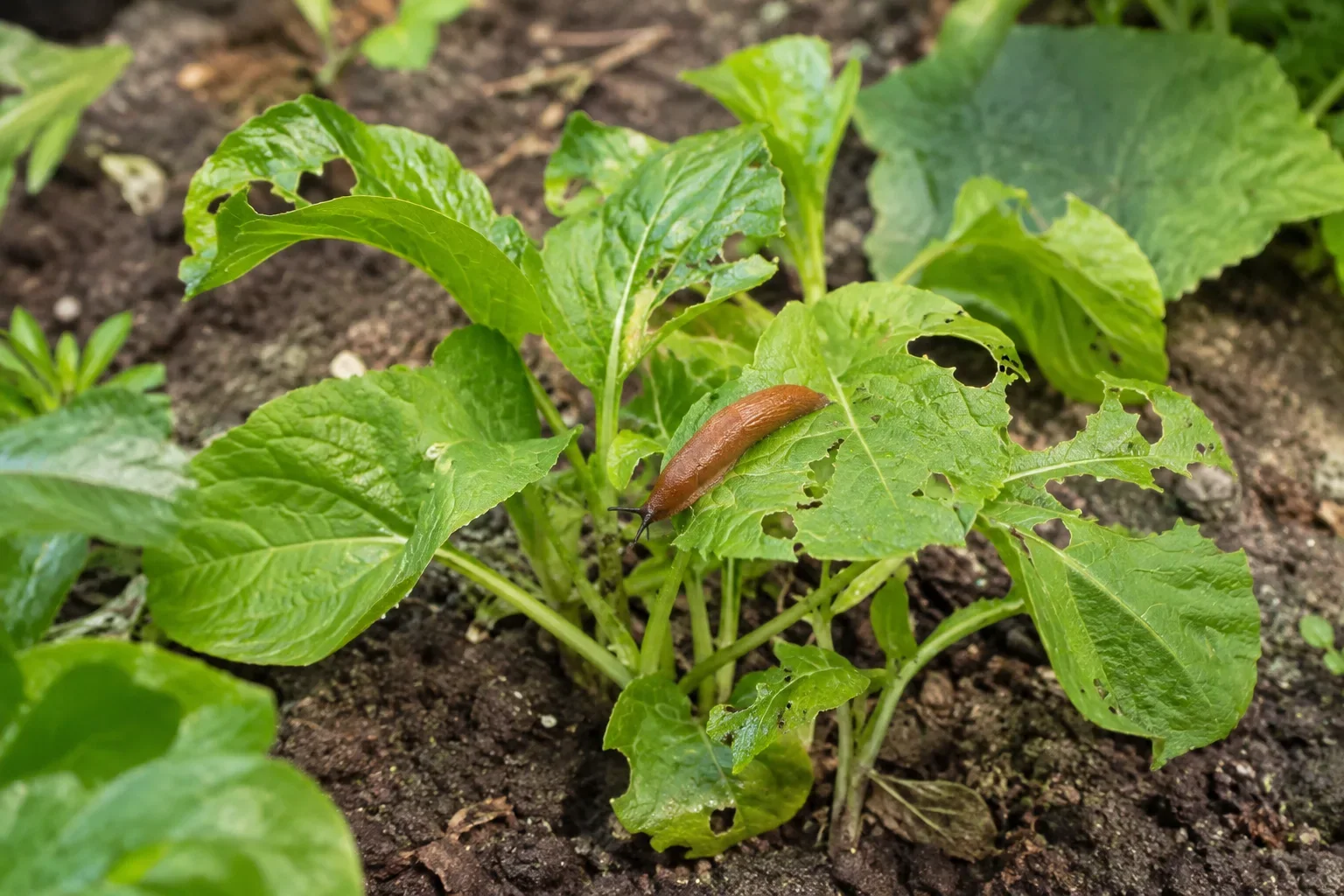
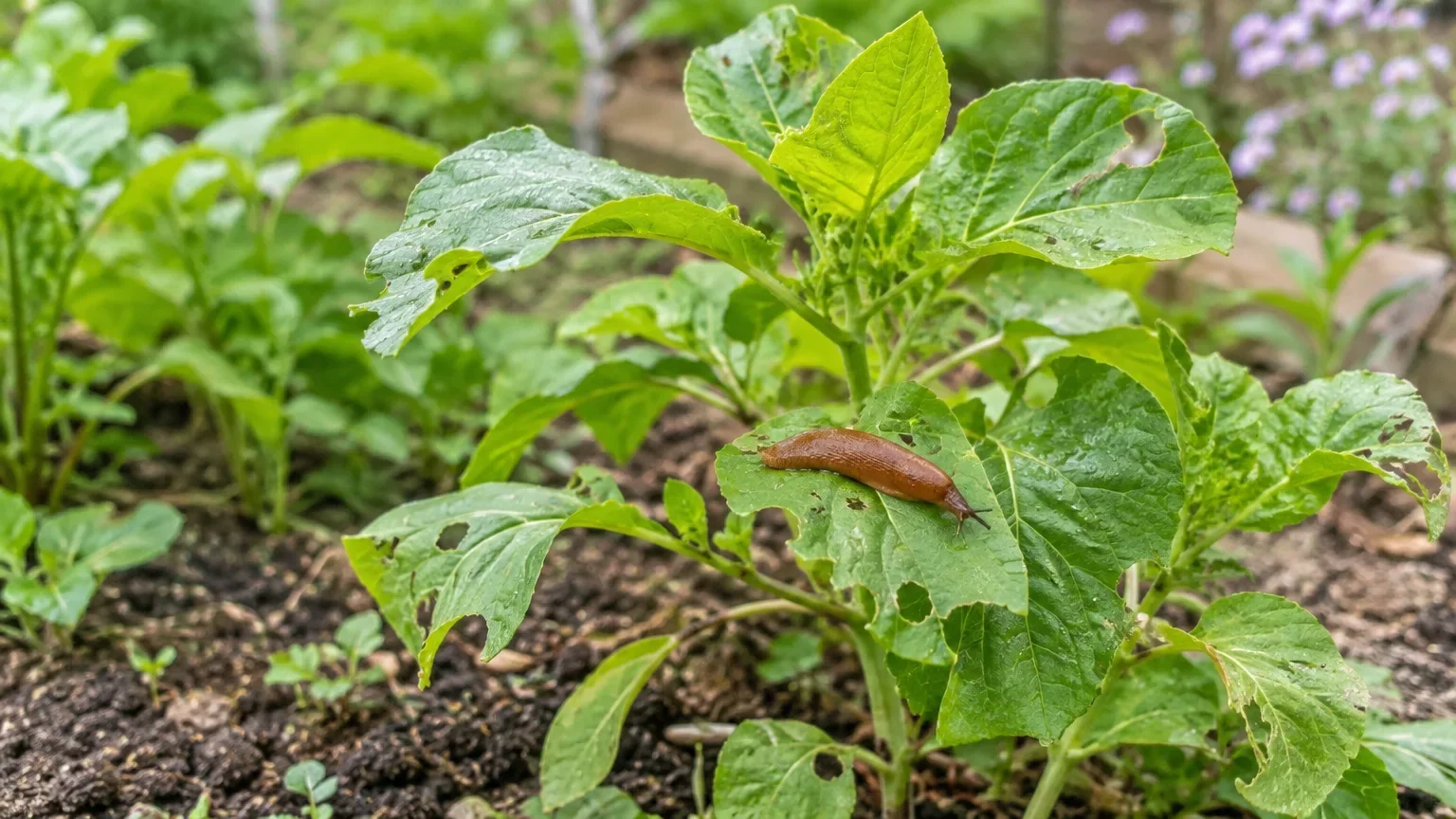
Slug and snail feeding often shows as ragged holes eaten in soft, fleshy leaves and seedlings, made with their rasping mouthparts. You will often find a silvery slime trail on the pot, leaf or nearby surface too. Feeding happens at night, so the holes and slime trails left behind are often the only clues as to what has been at your plants. Keeled slugs stay mostly underground and can sometimes be found tunnelling holes in potatoes and other tubers.
Other chewing pests can leave similar damage, so look for a combination of signs before deciding what to do. Slime trails and droppings on or around damaged plants help separate slug damage from cutworms, armyworms and other chewing pests. None of these clues is completely foolproof on its own.
At a glance
- Best time to act: mild, damp evenings in spring and early autumn, when slugs are most active.
- Most vulnerable plants: seedlings, new growth on most herbaceous plants, and especially susceptible plants such as delphiniums, hostas and dahlias.
- Most reliable first steps: hand-picking after dusk, removing hiding places and eggs, and protecting pots from underneath.
- Barriers to treat with caution: copper tape, eggshells, grit and wool pellets have not reliably reduced damage in trials.
- Protect seedlings: prioritise fresh growth and check plants on damp evenings.
Plants at risk, lifecycles and seasonal timing
All seedlings and new growth on most herbaceous plants are vulnerable, but some plants are especially susceptible. Delphiniums, hostas and dahlias are worth prioritising, along with the area in and around a cold frame or raised bed where young plants are growing.
Check early plantings and newly planted vegetables regularly. Lettuce and other salad crops are especially vulnerable. Focus your checks on plants that show fresh damage.
Slugs are a particular problem in spring, when there is plenty of young growth for them to eat. They are mostly active after dark, especially when it is warm and damp. In hot, dry weather they bury themselves in the soil or hide in cool, dark places to avoid dehydrating. Some slug species, such as Deroceras invadens, are active all year round with peaks in spring and autumn, while the snail Oxyloma elegans hibernates between September/October and February/March.
Slugs can reproduce throughout the year but do so mostly in spring and autumn, and they can overwinter as eggs, juveniles or adults. A slug may lay up to 500 eggs in a season, in batches of 10–50 in soil cavities and under stones or other debris. Eggs can hatch in ten days, but may take up to 100 days if it is cold.
Diagnose the cause: habitat, moisture and plant vulnerability
Slugs grow and reproduce more rapidly when it is mild and moist, conditions that prevail in spring and early autumn. The optimum temperature for slugs is around 17°C, but they are active between about 5°C and 20°C, and the grey field slug can even be active when temperatures are close to freezing.
Heavy soils with high clay or silt content tend to support more slugs, especially when seedbeds are open and cloddy, because that gives them easy movement. Crop residues, autumn applications of organic matter or manure, weeds and volunteer plants all provide food and shelter.
If your garden has damp, sheltered corners, cloddy soil or plenty of decaying plant material, slugs are more likely to be the cause of damage. Addressing these habitat features is an important part of managing slugs.
Practical first actions to protect plants
Start with the most vulnerable plants. Place fabric or mesh at the base of pots before filling them with compost so slugs cannot enter from underneath. Delay planting out seedlings until they have reached a decent size, because larger plants are more likely to withstand slug damage.
Water in the morning rather than the evening. This gives the soil surface time to dry before slugs are most active at night, reducing the wet conditions that help them move between plants.
Check hiding places during the day. Slugs hide anywhere cool, dark and moist, including under plant pots, pot saucers, tread boards on the veg plot and garden furniture. Removing them from these spots reduces numbers.
Look for slug eggs in spring and autumn. They look like translucent white balls a few millimetres across, often found under plant pots, stones, in moist pockets of soil and other cool, dark places. Leave them out for birds or squash them as soon as you spot them. In spring, raking over the soil surface exposes eggs to centipedes and birds.
Check under pots and leaves for slugs and snails during the day. Move any you find feeding on vulnerable plants away from the seedlings. Check the plants again over the next few evenings.
Barriers and popular remedies: what the evidence shows
A recent study in a garden-realistic scenario found no reduction in slug damage from barriers made of copper tape, bark mulch, eggshells, sharp grit or wool pellets. If you try a barrier, compare the damage on protected and unprotected plants before buying more.
A collar is only a physical obstacle. Check underneath and inside it for slugs, especially after a damp night.
There is not enough evidence to show that barriers such as coffee grounds, eggshells and wool pellets are effective against slugs, and wool pellets and other home-remedy barriers can be unreliable. Sharp or prickly mulches like ash, bark, cat litter, cocoa chips, sawdust, sand and horticultural grit are popular but need regular topping up, and most slugs live in the soil rather than on the surface.
Check under the edges of mulch near seedlings, especially in damp weather. Keep looking for fresh feeding damage after you put any barrier in place.
Growing slug-resistant plants with leathery, glossy, hairy or scented leaves can reduce damage. Examples include eryngium, agastache, scabious and Verbena bonariensis.
If a remedy fails to reduce fresh damage, stop using it and put your effort into checking vulnerable plants on mild, damp evenings.
Use hand-picking near vulnerable plants and keep checking for fresh damage as new leaves grow.
Prevention, follow-up and when to seek specialist advice
Grow seedlings indoors and do not plant them out too early. The bigger and stronger a seedling is when planted out, the more it will be able to withstand the occasional slug attack. Avoid overfeeding young plants in spring, as this can create lush, leafy growth that slugs love.
Clear hiding places immediately around seedlings if feeding damage is recurring. Leave room elsewhere in the garden for wildlife and keep the compost heap away from your smallest seedlings.
Encourage slug predators by creating habitats such as hedges, shrubs with berries, trees and a wildlife pond. These attract birds, newts, frogs and toads that eat slugs and snails. Laying a slate down attracts slow worms, which eat a lot of slugs. A small hole in a fence allows frogs, toads, slow worms and hedgehogs to travel between gardens.
Healthy soil produces healthy plants that are better able to withstand slug damage. Mulch with homemade compost, composted green waste or well-rotted manure to support soil health.
Monitor plants regularly, especially in spring and autumn. Go out with a torch two hours after dusk to hand-pick slugs from plants. Check under pots and other hiding places during the day, and remove any eggs you find.
If fruit trees or hedges are being stripped, or you have damage you cannot identify, seek professional help. A gardener can confirm the pest and whether it is a one-off or a habitat issue.
Common mistakes and troubleshooting
- Treating the wrong pest. If you see slime trails and ragged holes in soft growth, suspect slugs; if edges show neat semicircular notches, suspect vine weevil. Confirm the cause before acting.
- Relying on a barrier alone. Barriers can be bypassed from underneath or above. Check pots, collars and mulches for slugs and top up loose materials regularly.
- Watering in the evening. This keeps the surface moist when slugs are active. Water in the morning where you can.
- Leaving shelter in place. Pots, saucers, boards and debris all harbour slugs and eggs. Tidy and check these regularly.
- Missing fresh damage. Check young plants on damp evenings and look at the undersides of leaves before choosing a control method.
FAQs
Do coffee grounds, eggshells or copper tape really stop slugs?
The evidence is weak. A recent study in a garden-realistic scenario found no reduction in slug damage from barriers made of copper tape, bark mulch, eggshells, sharp grit or wool pellets, and coffee grounds have not consistently protected plants. Treat these as unproven and compare damage on protected and unprotected plants before relying on them.
What is the most effective pellet-free approach?
Combine several measures: hand-pick slugs after dusk, remove hiding places and eggs, protect pots from underneath, and reduce damp shelter around vulnerable plants. No single method works on its own, so monitor fresh damage and adjust what you do.