
Garden Mulch: Why It Matters and How to Apply It
A 5 cm layer of mulch is the single cheapest soil improvement most UK gardens can have. It locks in moisture through dry July spells, suppresses the weeds that would otherwise steal your time, and…
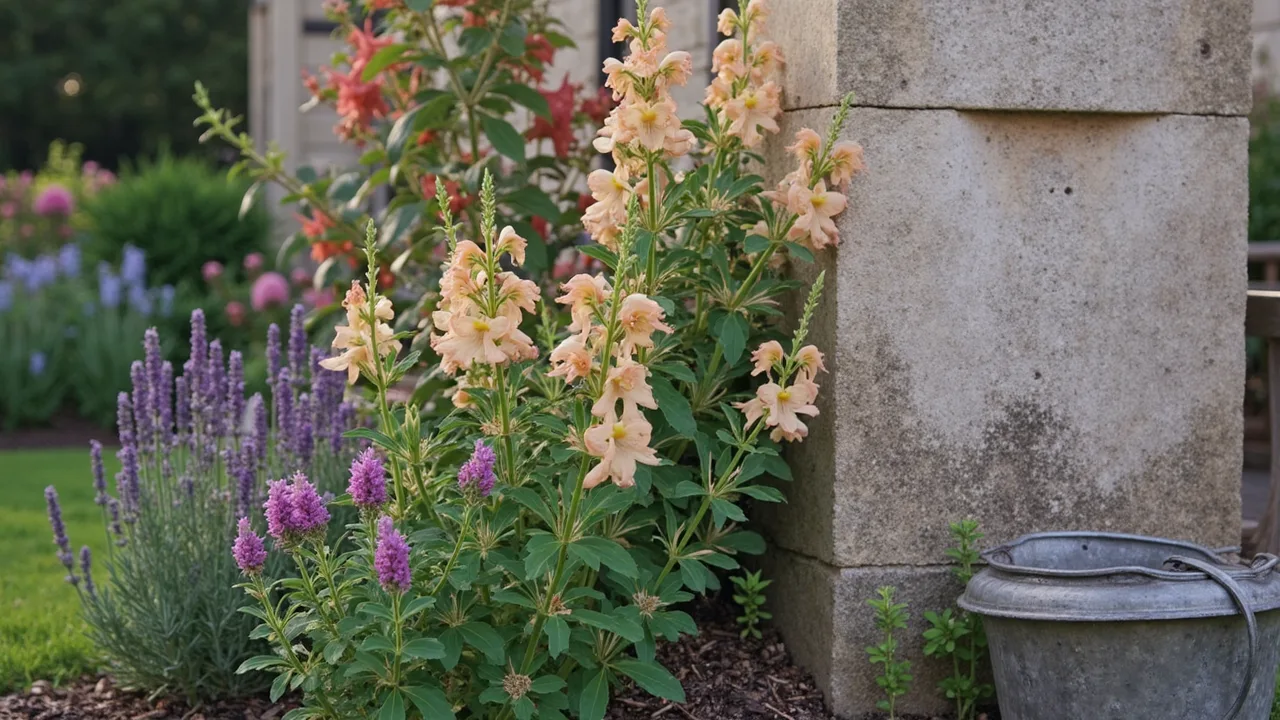
A 5 cm layer of mulch is the single cheapest soil improvement most UK gardens can have. It locks in moisture through dry July spells, suppresses the weeds that would otherwise steal your time, and slowly feeds the soil as it breaks down. Done well, a single spring or autumn mulch application removes hours of watering and weeding for the rest of the season.
Why mulch matters
Bare soil is exposed soil. Summer sun bakes the top few centimetres into a crust that sheds rain and cracks open; winter rain then washes the topsoil and any feed you've applied straight off the surface. A mulch interrupts both: it shades the soil, slows evaporation, and cushions the impact of heavy rain so the surface stays friable.
Underneath, the soil stays cooler in summer and warmer in winter, and the even moisture and steady temperature encourage earthworms and other soil life to work closer to the surface. As organic mulches rot down they add structure to sandy soils and improve drainage in clay. Over two or three seasons of regular mulching you will dig a border that is noticeably darker, crumblier, and easier to plant into.
Mulching also suppresses annual weeds. A weed seed needs light to germinate; a 5–10 cm layer of loose material blocks that light and most annuals never get going. Established perennial weeds (bindweed, ground elder, couch grass) will push through, so mulch on top of them rather than as a substitute for clearing them first.
When to mulch in the UK
The two useful windows are mid- to late spring (April to early May, once soil has warmed and is moist) and autumn (October to November, after the last feed of the season and before the ground gets waterlogged).
- Spring mulching is best around flowering shrubs, fruit bushes, roses, and perennial borders — anything that will be in active growth through summer and needs moisture held around its roots.
- Autumn mulching suits vegetable beds (especially overwintering garlic, broad beans, and brassicas), soft fruit, and any border you want to protect from winter wet and frost heave.
- Avoid mulching frozen, waterlogged, or bone-dry soil. Mulch laid on dry ground in a heatwave will just stop the next rain from penetrating; water the bed thoroughly first, then mulch.
What you'll need
- Mulch material. Choose by bed:
- Borders and shrubs: bark chippings (medium grade, 10–40 mm) or well-rotted bark-based garden compost. A 70-litre bag covers roughly 1.2 m² at 5 cm deep.
- Vegetable and fruit beds: well-rotted farmyard manure, mushroom compost (avoid around acid-loving plants), or home-made garden compost. Use manure that is at least a year old — fresh manure will scorch roots and lock up nitrogen.
- Roses and fruit: spent mushroom compost or Strulch (mineralised straw) both work well.
- Around acid-lovers (camellia, rhododendron, blueberry, heather): ericaceous compost or pine bark, not mushroom compost (it is alkaline).
- A bucket, trug, or wheelbarrow to move mulch from bag to bed.
- A rake or hand fork to spread and level.
- A watering can or hose if the bed is dry.
- Gloves — bark and compost dry the skin out fast.
For a 10 m² border at 5 cm depth, expect to use roughly 500 litres of loose mulch (about seven 70-litre bags, or a single bulk delivery of half a cubic metre).
How to apply it
- Weed and clear the bed first. Hand-pull annual weeds, fork out perennial weed roots, and remove the debris. Mulch is not a weedkiller — any roots left under it will happily grow through.
- Water the bed if it's dry. Soak the soil the day before, especially in spring. Mulch on top of dry soil stays dry.
- Feed if needed. For fruiting and flowering beds, apply a general fertiliser (blood, fish and bone, or pelleted chicken manure) and water it in before the mulch goes down. Mulch is a blanket, not a feed.
- Spread the mulch to a depth of 5–8 cm on borders, 3–5 cm on vegetable beds. Rake it level. Thicker than 10 cm and you start to smother the soil; thinner than 3 cm and the weed-suppressing effect is lost.
- Keep mulch off stems and trunks. Pull it back so it sits 5–10 cm away from the base of shrubs, roses, and fruit canes. Piled against stems, it holds moisture against the bark and causes rot.
- Top up as it disappears. Bark breaks down over a season or two; compost disappears faster. Check beds in late summer and add a thin 2–3 cm top-up where the original has thinned.
Common mistakes
- Mulching too early in spring. Cold, wet soil covered in March stays cold and wet, and slugs move in. Wait until the soil has warmed and the first flush of weed seedlings has been hoed off.
- Mulching dry soil. The bed needs to be moist before you cover it. If you skip this, the mulch can shed rain and the bed gets drier, not wetter.
- Piling mulch against stems. The classic "mulch volcano" around tree trunks holds wet bark against the collar and invites crown rot. Keep it back, and never bury the root flare of a tree.
- Using fresh manure or unrotted material. Fresh manure burns roots, smells, and attracts foxes. Woody material that has not composted will pull nitrogen out of the soil as it breaks down, starving the plants on top.
- Laying weed membrane under bark and never topping up. Membrane works for a year or two, then weed seeds germinate in the dust that settles on top and roots down through it. The bark thins, and you end up with a weed-infested membrane that's harder to clear than the original bed.
- Mulching into a perennial weed problem. Bindweed, marestail, and ground elder will all grow through 10 cm of bark. Clear them properly (dig, glyphosate on regrowth, or repeated hoeing) before you start.
Troubleshooting
- The mulch has gone slimy and smelly. It is anaerobic — too wet, too fresh, or piled too deep. Fork it through to let air in, or scrape it off and spread it thinner once it has dried.
- Slugs are suddenly everywhere. A moist, organic mulch is slug heaven, especially around hostas, delphiniums, and young vegetable seedlings. Use gravel or wool-based mulches (Strulch) near vulnerable plants, or set beer traps while the mulch settles.
- The bed looks tidy but the plants are hungry. Mulch improves soil but is low in nutrients on its own. Top-dress beds with a general fertiliser each spring under the mulch.
- Cats and foxes are digging in it. Lay twiggy prunings over the surface for a few weeks until the mulch has settled, or water it with a garlic-based deterrent.
- Bark has bleached to grey in a season. Normal — UV breaks down the surface lignin. Fork it over to refresh the colour, or top up with a 2 cm layer.
Pro tips for UK gardens
- Use what you've got. Grass clippings (in thin 1–2 cm layers, not thick clumps), chopped autumn leaves, and straw all work. Mix "greens" (clippings, manure) with "browns" (leaves, straw, chopped wood) at roughly 1:2 to avoid a slimy mat.
- Leave a clear ring around fruit trees out to the dripline, but mulch it heavily — it is the single best thing you can do for a young tree in its first three summers.
- On heavy clay, bark or compost on top of undug soil is better than digging compost in. Worms will pull it down for you over winter, and the soil structure improves without you standing on the bed.
- On sandy soil, any organic mulch helps, but renew it twice a year — sand eats organic matter fast.
- Buy in bulk if you can. A half-cubic-metre bag of bark from a timber merchant is around a third the price per litre of the same product in 70-litre garden-centre bags.
Plants in this guide
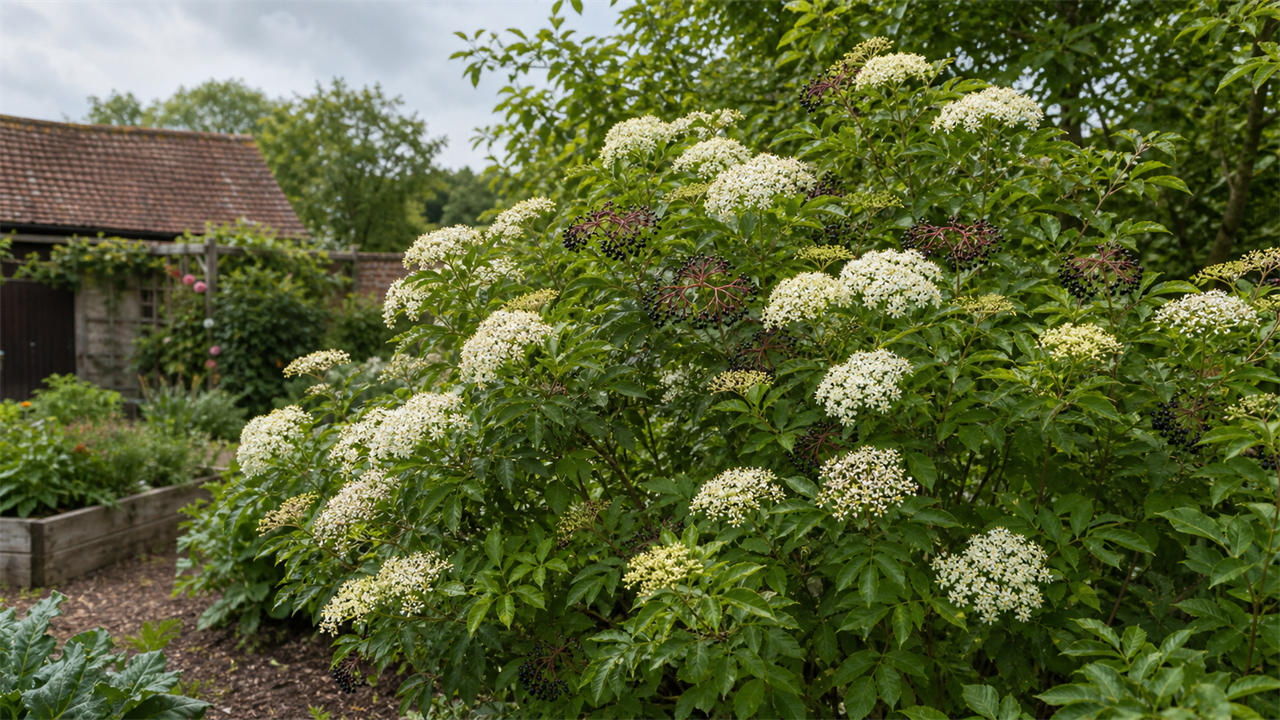


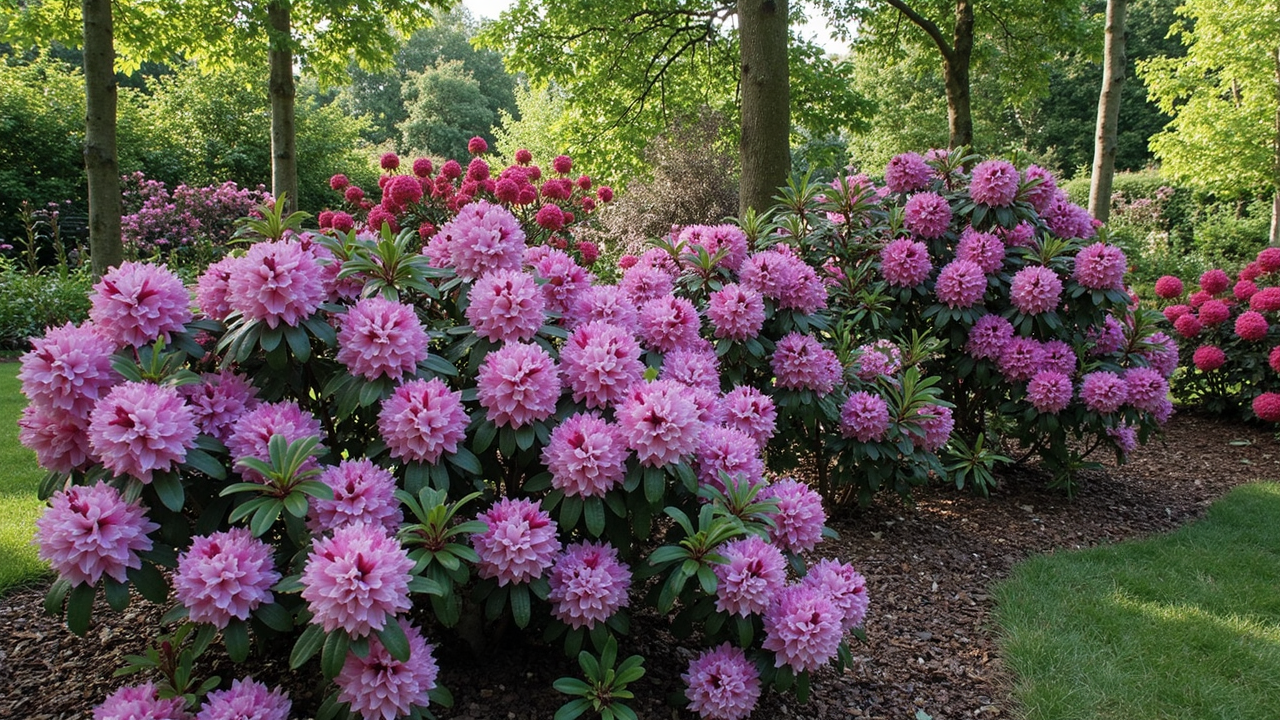
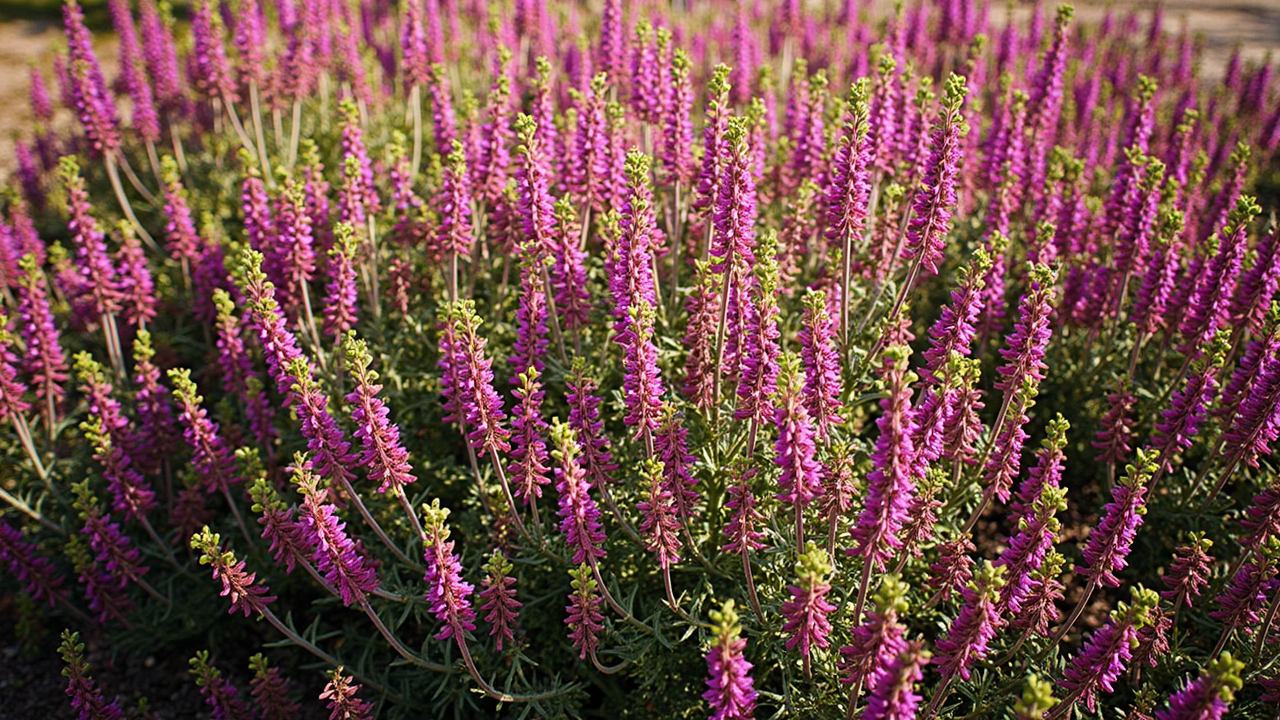
Related Articles
More →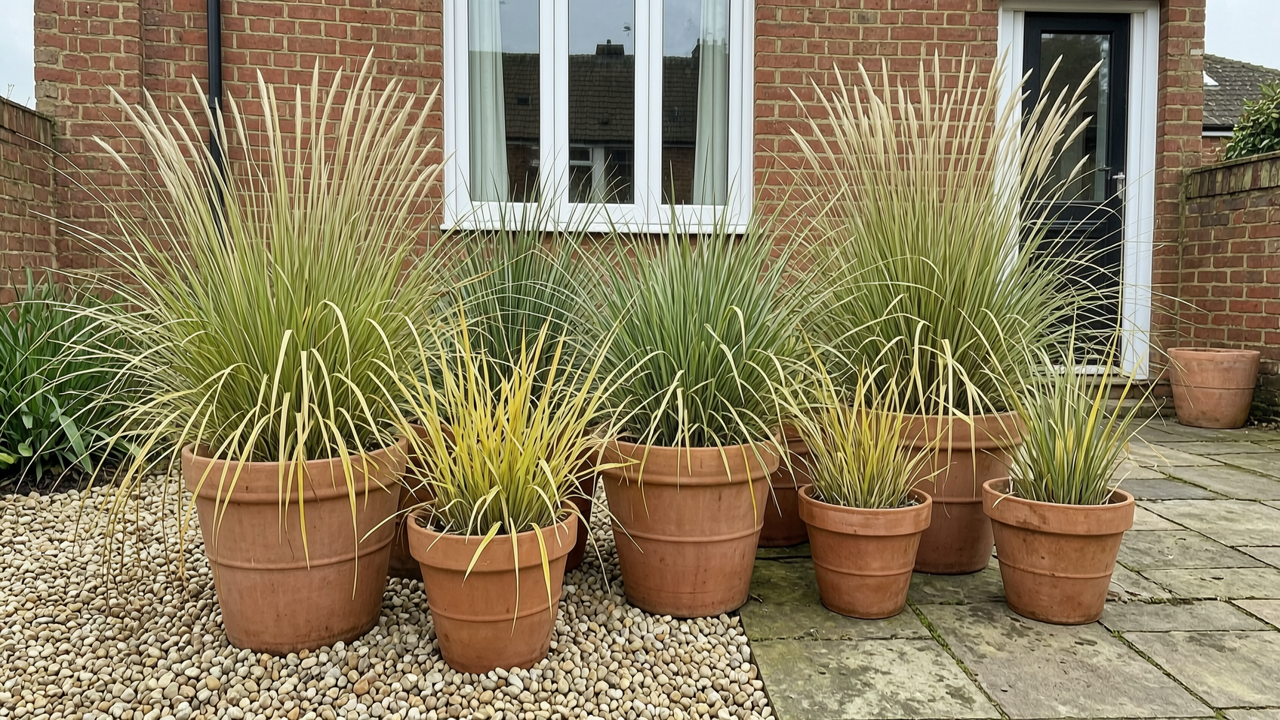 Growing Guide
How to grow ornamental grasses in pots
5 August 2026Grow ornamental grasses successfully in containers with advice on pot size, compost, watering, feeding, winter care and long-term maintenance.
 Growing Guide
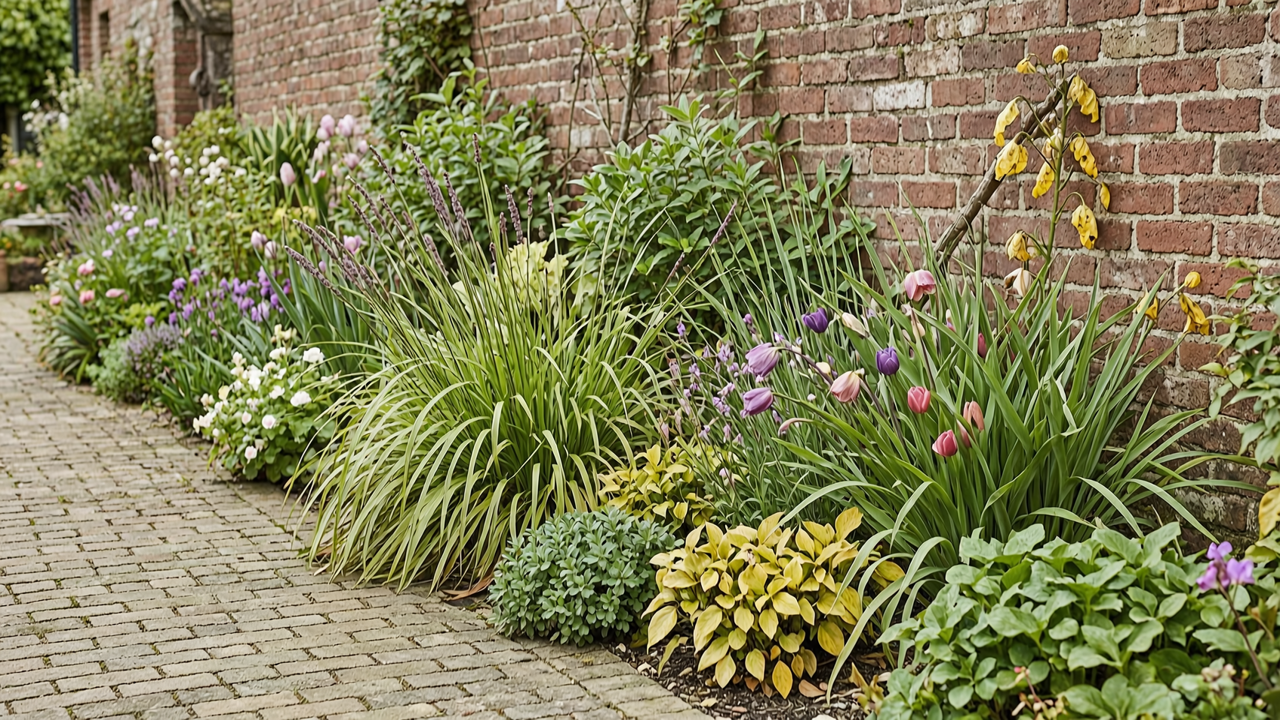
How to plan a perennial border
5 August 2026Plan a balanced perennial border with practical guidance on position, colour, height, spacing, flowering succession and year-round structure.
 Growing Guide
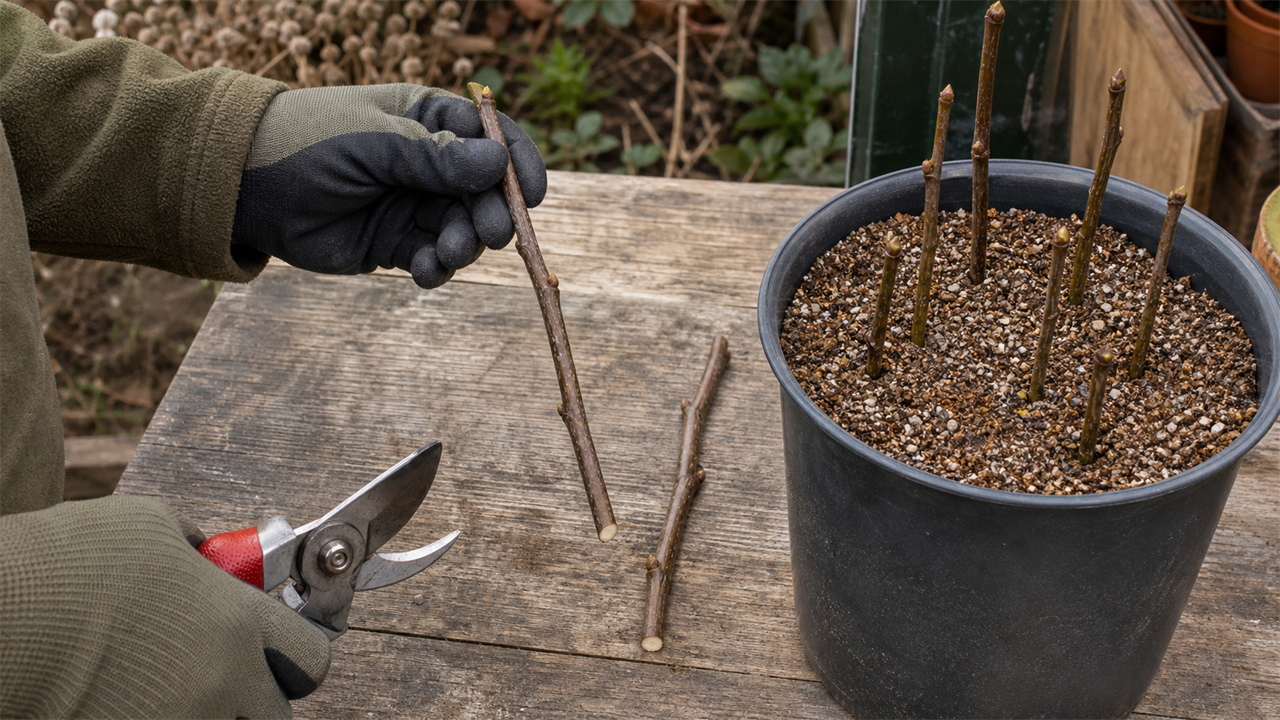
How to take hardwood cuttings
29 July 2026Take hardwood cuttings from suitable dormant shrubs and climbers with this step-by-step guide to timing, preparation, rooting and aftercare.
Recommended tools and products
A practical checklist for this guide. Essentials first, with helpful extras below.
Essentials
 Gardening gloves
Hand protection while working.
Checklist suggestion · No verified product listingHelpful suggestion Haws Selly Soak One-Gallon Watering Can
Water carefully when needed.
Verified listing · Illustrative artwork
Illustrations show tool categories, not the exact product. No unverified prices or ratings are shown. Read our affiliate disclosure.