Rhododendron
Rhododendron
At a Glance
| Botanical name | Rhododendron |
|---|---|
| Common name(s) | rhododendron |
| Family | Ericaceae |
| Plant type | shrub |
| Height × Spread | 10–3000 cm × — |
| Hardiness | — |
| Position | Full sun, Partial shade |
| Soil | moist, well-drained |
| Flowering | February–May |
| Toxicity | — |
| Native range | eastern Asia and the Himalayan region |
Overview
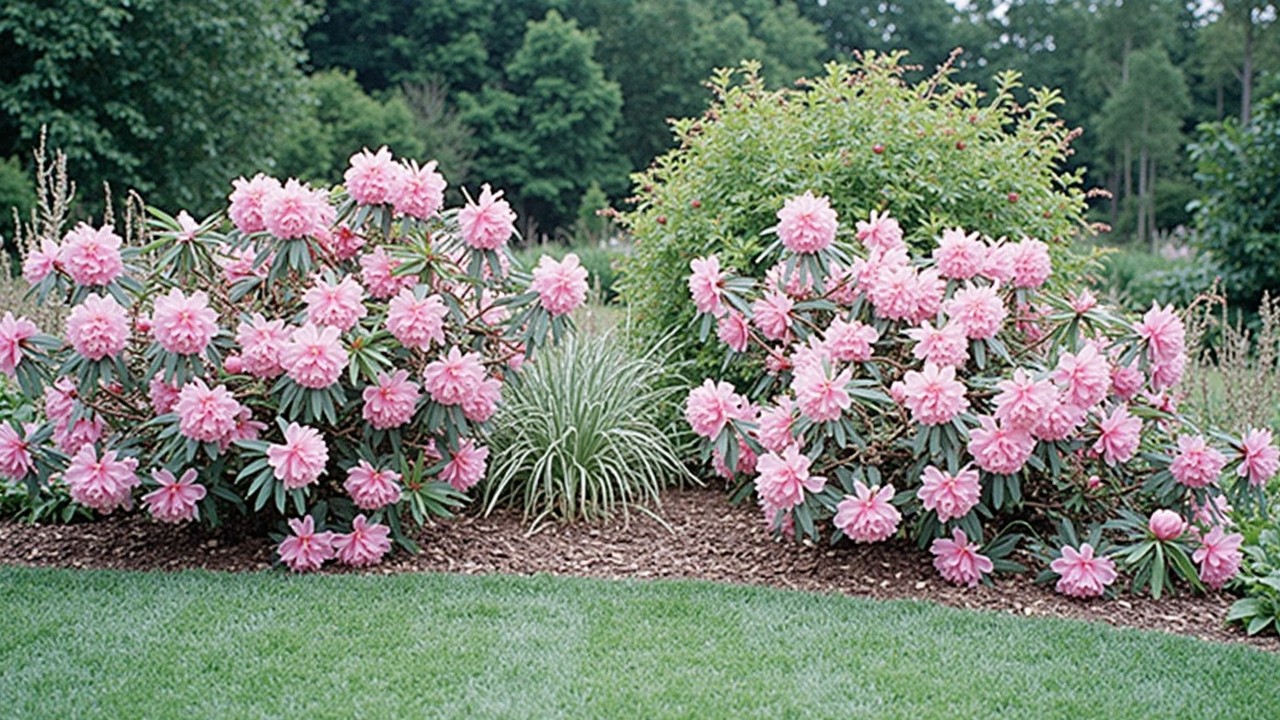
Rhododendron is a large genus of woody plants within the heath family Ericaceae, comprising approximately 1,024 species. The name derives from Ancient Greek rhódon (rose) and déndron (tree). Species may be evergreen or deciduous shrubs, or rarely small trees. The genus holds significant cultural importance, being the national flower of Nepal, the state flower of Washington and West Virginia (USA), the state flower of Nagaland and Himachal Pradesh (India), the provincial flower of Jeju Province (South Korea), the provincial flower of Jiangxi (China), and the state tree of Sikkim and Uttarakhand (India). Most species produce brightly coloured flowers blooming from late winter through to early summer.
Botanical Description
Rhododendron species range in size from the small shrub R. cespitosum (10–100 cm tall) to the large tree R. protistum var. giganteum (reported 30 m tall). Leaves are spirally arranged, varying greatly in size from 1–2 cm to over 50 cm, exceptionally 100 cm. Leaf characteristics include the presence or absence of scales (lepidote) or hairs (indumentum) on the undersides. Flowers typically appear in clusters; azaleas, comprising two subgenera, are distinguished by having five anthers per flower compared to ten in "true" rhododendrons. The genus is characterised by inflorescences with scarious perulae, a chromosome number of x=13, septicidal capsules as fruit, a superior ovary, stamens without appendages, and agglutinate pollen.
Origin and Habitat
The majority of Rhododendron species are native to eastern Asia and the Himalayan region. Smaller numbers occur in other parts of Asia, North America, Europe, and Australia. Some species form part of the heath complex in oak-heath forests in eastern North America. Alpine species with small flowers and leaves, and tropical species such as section Vireya (which often grow as epiphytes), are also represented.
Cultivation
Rhododendrons thrive in positions of full sun or partial shade. They require moist, well-drained soil for optimal growth.
Care and Maintenance
Flowering occurs from late winter through to early summer. Pruning should be conducted after flowering to maintain shape and encourage new growth.
Uses
Rhododendron species are widely cultivated for their ornamental flowers. The genus includes azaleas, which are subgenera within Rhododendron. Several species hold official floral designations, including national, state, and provincial flowers as noted in the Overview.
#Rhododendron #Ericaceae #HeathFamily #EvergreenShrub #DeciduousShrub #GardenFlowers #UKGardening #PlantTaxonomy
Quick Care Summary
| Sunlight | Full sun, Partial shade |
|---|---|
| Soil | moist, well-drained |
| Hardiness | — |
| Sow | September–November |
| Plant | March–May |
| Prune | — |
Facts sourced from Wikipedia / Rhododendron (https://en.wikipedia.org/wiki/Rhododendron)
As an Amazon Associate, GardenWizz earns from qualifying purchases made through the links above. This does not affect the price you pay. See our disclaimer for details.