
Treating Powdery Mildew
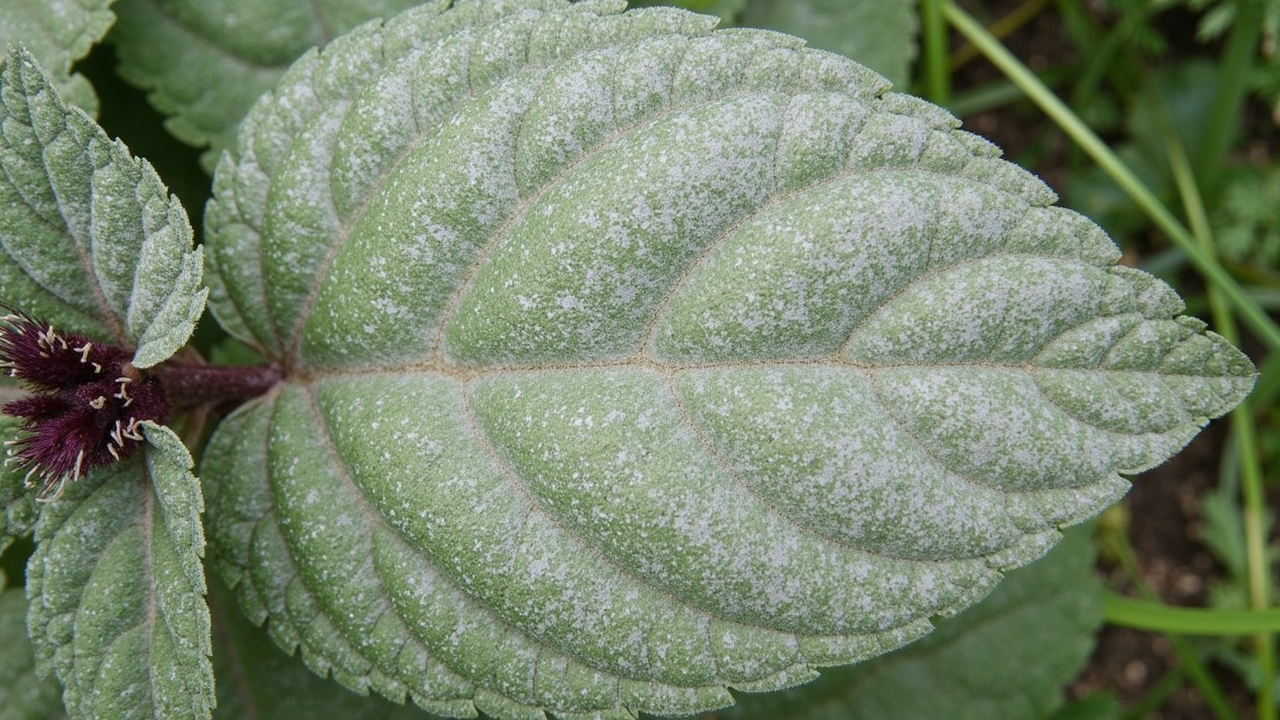
That white, powdery coating on your rose leaves or cucumber vines isn't just unsightly—it’s a fungal infection thriving in our humid British summers. The good news? You can tackle it without harsh chemicals, using practical, UK-friendly methods that work with our climate and garden spaces.
Preventing Powdery Mildew Before It Starts
Key Environmental Adjustments
- Space plants wisely: Avoid overcrowding; leave 30cm (1ft) between plants for airflow, especially with roses, squashes, or beans.
- Prune for circulation: Cut back overgrown shrubs in late spring (April/May) to open up the centre, reducing humidity traps.
- Water correctly: Water at soil level (not leaves) early in the day, and avoid letting plants dry out completely—drought-stressed plants are prime targets.
- Mulch wisely: Use organic mulch (like well-rotted garden compost) to retain soil moisture evenly, but keep it clear of plant stems.
Treating Existing Infections
Gentle Home Remedies (Best for Early Stages)
- Neem oil spray: Mix 1 tsp neem oil + 1 tsp liquid soap in 1 litre of warm water. Spray leaves thoroughly (both sides) every 7 days until mildew fades. Most effective on roses, cucumbers, and squash in July/August.
- Milk solution: Dilute 1 part full-fat milk to 9 parts water. Spray weekly on affected leaves. Works best on greenhouse-grown veg; less reliable outdoors in UK rain.
- Avoid nitrogen-heavy feed: Stop using high-nitrogen fertilisers (like chicken manure) once mildew appears—succulent new growth attracts the fungus.
When to Call in the Big Guns
Fungicide Use (Last Resort)
- Spot-treat early: Apply a fungicide as soon as you see white patches (typically late June/July in the UK), not when it’s widespread.
- Choose UK-approved products: Opt for sulphur-based sprays (e.g., Sulphur Dust) or potassium bicarbonate (e.g., Blight Ban), which are safer for bees and birds.
- Rotate products: Never use the same fungicide repeatedly—resistance builds fast. Alternate between sulphur and neem-based sprays.
Long-Term Resilience
Choosing Resistant Varieties
- Plant smart: For roses, pick 'David Austin' varieties (e.g., 'The Scented Garden') or 'Knock Out' roses. For veg, try 'Defiant' cucumbers or 'Liberty' squash.
- Check labels: Look for 'PM' (powdery mildew resistance) on seed packets—common in modern UK garden varieties.
- Rotate crops: If growing veg, avoid planting cucumbers or beans in the same spot two years running.
#UKGardening #PowderyMildew #OrganicGardening #RoseCare #GardenTips #UKGardenWizz
Recommended Products
SB Plant Invigorator (Bee-Friendly Pest Control)
A useful part of a mildew control routine
View on Amazon →
Haws 'Selly Soak' One-Gallon Watering Can
Water at the roots — wet leaves invite mildew
View on Amazon →
As an Amazon Associate, GardenWizz earns from qualifying purchases made through the links above. This does not affect the price you pay. See our disclaimer for details.