
Rose
Rosa
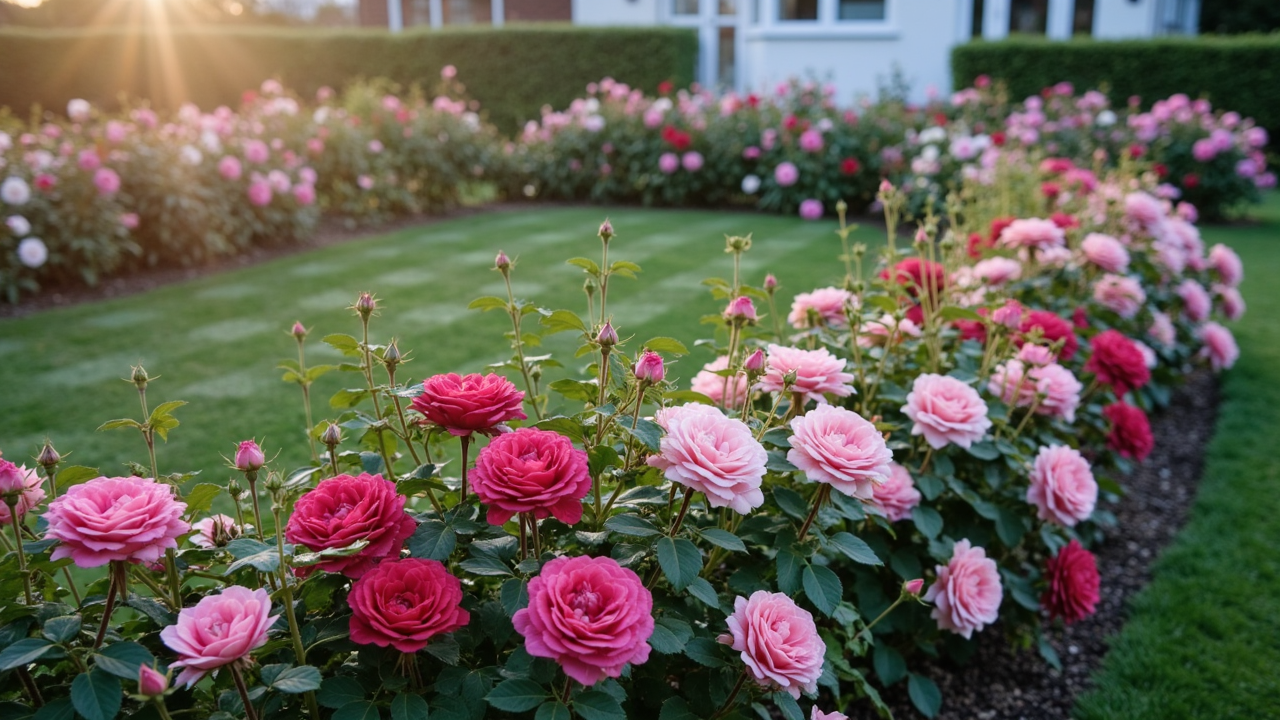
At a Glance
| Botanical name | Rosa |
|---|---|
| Common name(s) | rose |
| Family | — |
| Plant type | shrub |
| Height × Spread | — × — |
| Hardiness | — |
| Position | Full sun, Partial shade |
| Soil | — |
| Flowering | April–September |
| Toxicity | — |
| Native range | — |
Overview
Roses are woody perennial flowering plants of the genus Rosa in the family Rosaceae. Over three hundred species and tens of thousands of cultivars exist, ranging from trailing shrubs to climbers reaching up to 7 metres in height. They bear showy flowers in colours from white through pinks, reds, oranges, and yellows, often fragrant. Most species are native to Asia, with smaller numbers found in Europe, North America, and Northwest Africa. Roses have significant cultural importance across many societies.
Botanical Description
Roses are characterised by sharp epidermal outgrowths termed prickles (not true thorns), which aid in climbing. Leaves are borne alternately, typically pinnate with 3–13 leaflets and serrated margins, often bearing small prickles on the stem underside. Most species are deciduous, though a few from Southeast Asia are evergreen or nearly so. Flowers usually have five petals (four in Rosa omeiensis and R. sericea), with fused coloured petals forming a cup or disc surrounding the reproductive structures. The fruit, a hip, contains multiple achenes embedded in stiff hairs.
Origin and Habitat
Most rose species are native to Asia, with smaller numbers native to Europe, North America, and Northwest Africa. Wild species often grow in diverse habitats, including coastal sand dunes (e.g., Rosa rugosa, R. pimpinellifolia), where dense straight prickles may reduce animal browsing or trap wind-blown sand.
Cultivation
Roses thrive in full sun or partial shade and are widely cultivated as ornamental plants. They range from low-growing shrubs to vigorous climbers. Flowering occurs from March to October across most species. Cultivars are typically propagated through cuttings due to many having tightly petalled flowers that prevent natural pollination and hip formation.
Care and Maintenance
Prune after flowering to maintain shape and encourage new growth. Provide well-drained soil and regular watering during establishment. Monitor for pests and diseases common to Rosaceae family plants, particularly in cultivated varieties. Mulch to retain moisture and suppress weeds.
Uses
Roses are primarily grown for ornamental purposes in gardens and for commercial cut flowers. Their hips, especially from Rosa canina and R. rugosa, are rich in vitamin C and used in jams, teas, and skincare products. Rose oil (attar of roses) and rose water, derived from petals, are used in perfumery, cosmetics, and culinary applications. Historically, roses have been cultivated for over 2,500 years, with significant breeding efforts documented since the 18th century.
#Rosa #RoseGardening #UKGardens #Rosaceae #OrnamentalPlants #RoseHips #Perfume #GardenCare #FlowerLovers #Horticulture
META_DESCRIPTION: A perennial flowering plant of the genus Rosa, native to Asia, with over 300 species and tens of thousands of cultivars. Grown for ornamental value, cut flowers, perfume, and vitamin C-rich hips.
Quick Care Summary
| Sunlight | Full sun, Partial shade |
|---|---|
| Soil | — |
| Hardiness | — |
| Sow | — |
| Plant | — |
| Prune | — |
Facts sourced from Wikipedia / Rosa (https://en.wikipedia.org/wiki/Rosa)
As an Amazon Associate, GardenWizz earns from qualifying purchases made through the links above. This does not affect the price you pay. See our disclaimer for details.