
Pruning Basics for UK Gardens
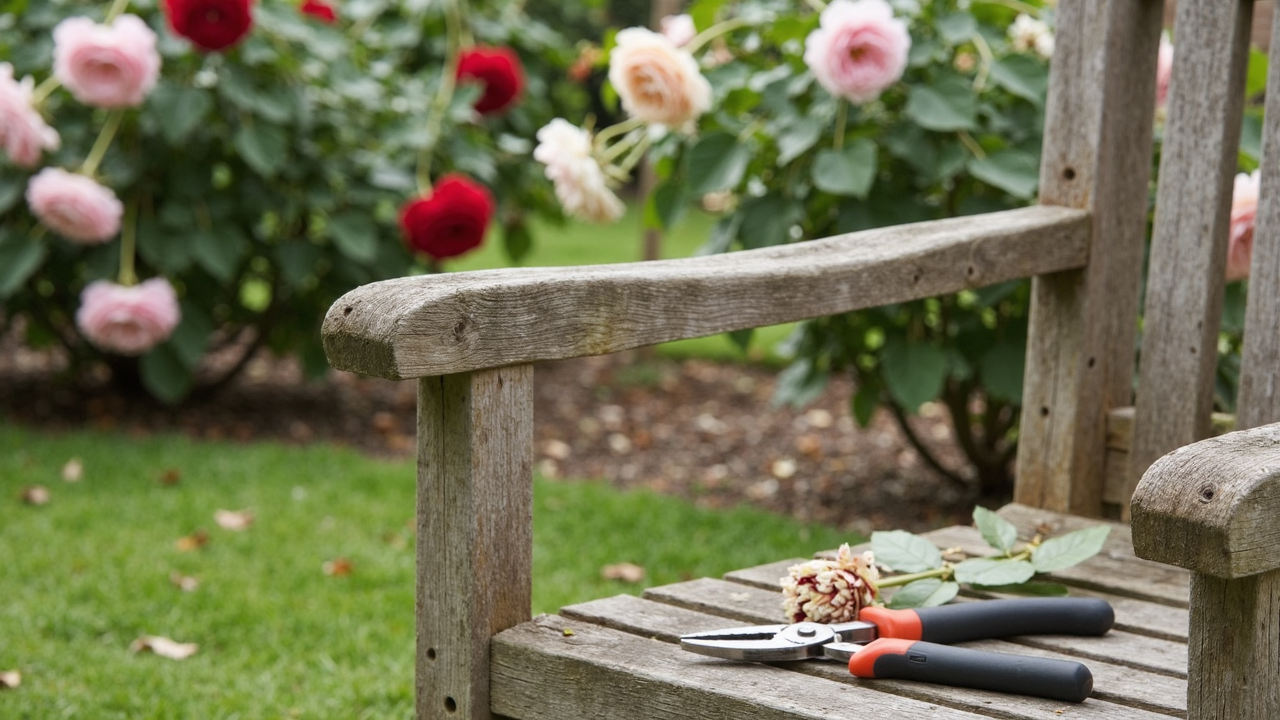
Pruning is a vital skill that keeps your UK garden healthy, safe, and beautiful, whether you’re tending fruit trees, roses, or ornamental shrubs. Done correctly, it encourages stronger growth, improves fruit quality, and prevents hazards like dead branches falling in storms.
Why Prune?
Understanding the purpose ensures you prune with confidence.
Key reasons to prune
- Safety: Remove deadwood overhanging paths, roofs, or power lines (common in UK storms).
- Health: Cut out diseased or damaged branches to stop pests/diseases spreading.
- Productivity: Boost fruit/flower yield by thinning crowded growth (e.g., on apple trees).
- Structure: Guide young trees to develop strong, balanced forms that withstand UK winds.
When to Prune in the UK
Timing is crucial for minimal stress and maximum healing.
Best times for UK gardens
- Late winter (February–March): Ideal for most deciduous trees and shrubs (e.g., fruit trees, roses). The plant is dormant, and cuts heal faster before spring growth.
- Avoid: Early spring (when buds swell) or wet weather, as this increases disease risk and slows healing.
- Deadwooding: Can be done year-round except during leaf-out, but prioritise safety risks (e.g., over roads) immediately.
How to Prune Correctly
Clean cuts prevent damage and disease.
Essential technique steps
- Identify the branch collar: The swollen area where the branch meets the trunk (never cut flush into the trunk).
- Make angled cuts: Just outside the collar (at a 45° angle) to shed rainwater and speed healing.
- Small cuts first: Remove thin branches (less than 2.5cm/1in) to avoid large wounds that decay.
- Use sharp tools: Clean, sharp secateurs or loppers for smooth cuts (dull tools crush stems).
Key Pruning Techniques for UK Gardens
Focus on methods that suit our climate and common plants.
Top techniques to use
- Deadwooding: Remove dead, dry branches (check for brittleness). Do this in late winter to avoid attracting pests.
- Thinning: Cut entire branches at their base to open up the canopy (e.g., for roses or neglected hawthorns). Improves air flow and light, reducing UK fungal issues.
- Crown thinning: Remove live, healthy branches to reduce wind resistance (critical for UK gales). Aim for 10–20% of the canopy.
- Avoid topping: Never cut tree tops back to stubs—this causes weak regrowth and safety risks (common in UK urban gardens).
What Not to Do
Prevent common mistakes that harm your plants.
Critical errors to avoid
- Flush cuts: Never cut right against the trunk—this damages the branch collar and invites decay.
- Over-pruning: Remove more than 25% of a tree’s canopy at once; it stresses the plant.
- Pruning in wet weather: UK rain increases fungal spread—wait for dry spells.
- Ignoring structure: Don’t let branches grow larger than half the trunk diameter (prevents future splits).
#UKGardening #PruningGuide #GardenWizz #UKGardenTips #PlantHealth #PruneCorrectly
As an Amazon Associate, GardenWizz earns from qualifying purchases made through the links above. This does not affect the price you pay. See our disclaimer for details.