Runner Bean
Phaseolus coccineus · scarlet runner bean · multiflora bean · butter bean
At a Glance
| Botanical name | Phaseolus coccineus |
|---|---|
| Common name(s) | runner bean, scarlet runner bean, multiflora bean, butter bean |
| Family | Fabaceae |
| Plant type | — (differs from the common bean (P. vulgaris) in several respects: the cotyledons stay in the ground during germination, and the plant is a perennial vine with tuberous roots (though it is frequently treated as an annual in colder climates)) |
| Height × Spread | 300 cm × — |
| Hardiness | — |
| Position | Full sun |
| Soil | — |
| Flowering | April–September |
| Toxicity | phytohaemagglutinin |
| Native range | Central America |
Overview
Phaseolus coccineus, commonly known as runner bean, scarlet runner bean, or multiflora bean, is a legume in the Fabaceae family. It is sometimes referred to as butter bean, though this name also applies to the lima bean (a different species). The plant is cultivated both as a food crop and for ornamental purposes, valued for its attractive flowers and edible beans.
Botanical Description
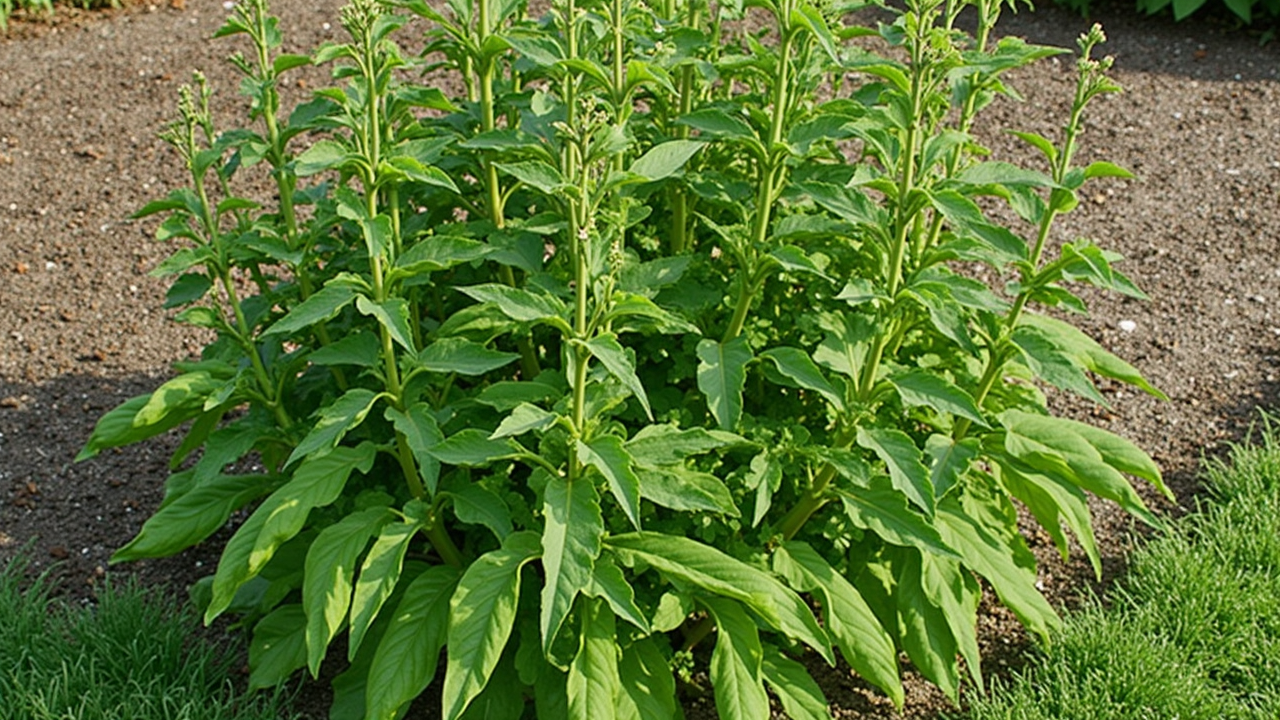
This perennial vine, typically grown as an annual in cooler climates, features tuberous roots and cotyledons that remain in the soil during germination. It can reach heights of 3 metres or more. The pods are typically green, measuring up to 25 centimetres in length, with beans approximately 2.5 centimetres long. Most varieties produce red flowers and multicoloured seeds, though white-flowered and white-seeded forms exist. The knife-shaped pods have a rougher surface than common beans. A rare purple-podded cultivar, 'Aeron Purple Star', has been bred by amateurs. The plant contains phytohaemagglutinin, a toxic protein requiring thorough cooking before consumption.
Origin and Habitat
Native to the mountainous regions of Central America, Phaseolus coccineus was likely first cultivated in the highlands of Mexico and Guatemala around 2000 BC. It is a perennial vine but is commonly treated as an annual in temperate zones.
Cultivation
Runner beans thrive in full sun and are grown for both culinary and ornamental use. They are particularly popular in UK kitchen gardens and allotments for their edible pods and flowers, though historically they were also valued for temporary screening in North America.
Care and Maintenance
Beans must be cooked thoroughly to neutralise phytohaemagglutinin before eating. The plant requires no specific pruning instructions beyond standard vine management for support.
Uses
The plant serves multiple purposes: its seeds are consumed fresh or dried, and young pods are eaten whole. The starchy roots are eaten in Mesoamerica. In the UK, it is a popular side vegetable. Regional culinary uses include 'Judión de la Granja' in Spain (large white beans for a dish with pork), 'fasolia gigantes' in Greece (white-flowered beans for Gigantes plaki), and 'Käferbohnen' in Austria (dried beans with pumpkin seed oil). It is also a source of monofloral honey in Poland. Pods sold as 'green beans' in European markets during winter often originate from Greece or northern Africa. Cultivars include 'Black Runner', 'Butler', 'Case Knife', 'Fasolia gigantes', 'Hammond's Dwarf', 'Japanese Runner', 'Painted Lady', 'Pickwick Dwarf', 'Polestar', 'Scarlet Runner', 'White Dutch Runner', and 'Aeron Purple Star' (not commercially available).
#RunnerBean #PhaseolusCoccineus #GardenWizz #UKGardening #EdibleGardening #OrnamentalPlants #Legume #GardenTips #VegetableGardening #BritishGardens
Cultivars and Varieties
| Cultivar | Height | Flower | Notes | AGM |
|---|---|---|---|---|
| 'Aeron Purple Star' | — | purple pods | not available commercially | |
| 'Black Runner' | — | — | — | |
| 'Butler' | — | — | — | |
| 'Case Knife' | — | — | — | |
| 'Fasolia gigantes' | — | — | white bean which originated in Greece | |
| 'Hammond's Dwarf' | — | — | — | |
| 'Japanese Runner' | — | — | sold in Canada and USA under the names of 'Akahana' or 'Shinshu runner' | |
| 'Painted Lady' | — | — | — |
Quick Care Summary
| Sunlight | Full sun |
|---|---|
| Soil | — |
| Hardiness | — |
| Sow | March–May |
| Plant | March–May |
| Prune | — |
Facts sourced from Wikipedia / Phaseolus coccineus (https://en.wikipedia.org/wiki/Phaseolus_coccineus)
As an Amazon Associate, GardenWizz earns from qualifying purchases made through the links above. This does not affect the price you pay. See our disclaimer for details.