Gardening for Pollinators
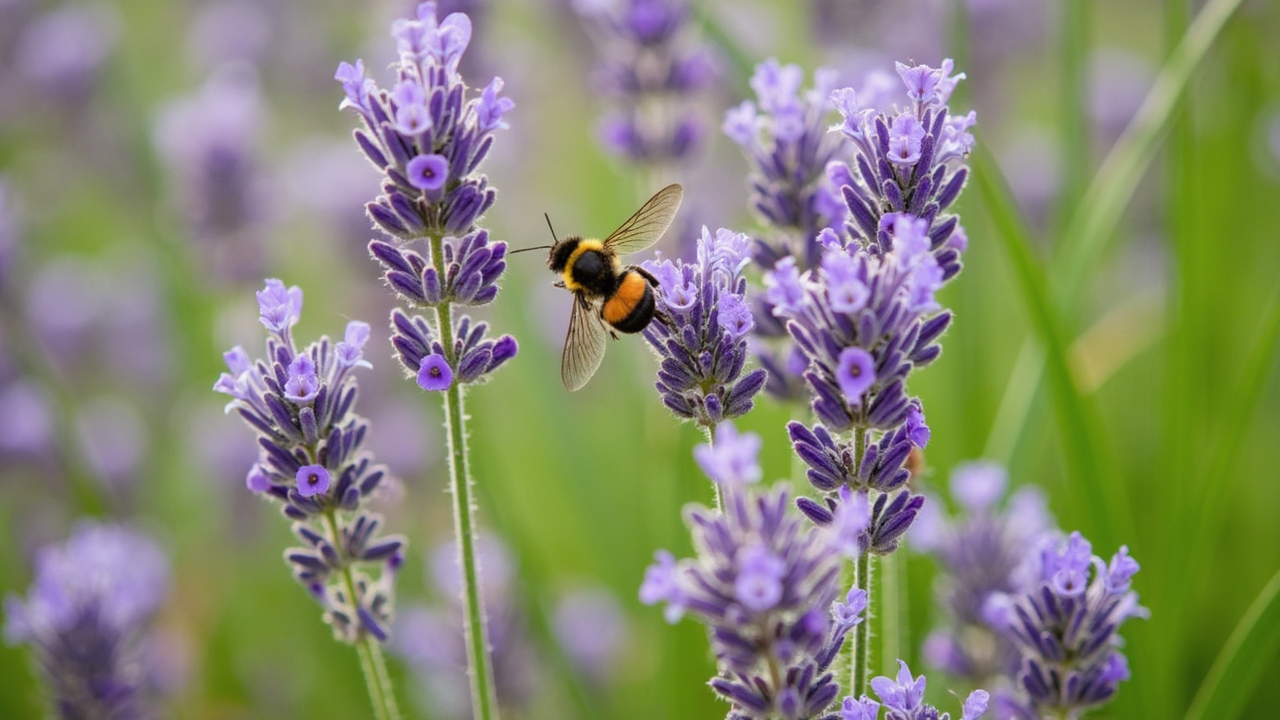
As summer blooms, you’ll notice bees buzzing and butterflies fluttering through your garden – these vital visitors are nature’s little pollinators, transforming flowers into fruits and seeds. By creating a pollinator-friendly space, you’ll support these essential insects while enjoying a more vibrant, thriving garden, all without needing a huge plot or special equipment.
Why Pollinators Matter in Your UK Garden
Pollinators like bees, butterflies, and hoverflies transfer pollen between flowers, enabling plants to reproduce. This process is crucial for:
- Food production: Many fruit, vegetable, and flower crops rely on pollinators.
- Biodiversity: Healthy pollinator populations support wider wildlife.
- Garden resilience: Diverse pollinators make your garden more adaptable to seasonal changes.
The source confirms that while bees are highly efficient, non-bee pollinators (like hoverflies) make up significant visits – so every flower counts. UK native plants are especially valuable, as they’ve co-evolved with local pollinators.
Choose the Right Plants for Your UK Climate
Focus on native and proven UK-friendly species that bloom across seasons. Prioritise:
- Native UK flowers: Foxgloves, knapweed, and wild marjoram attract native bees and butterflies.
- Long-blooming perennials: Lavender (blooms June–August), buddleia (July–September), and sedum (August–October).
- Flower shapes: Choose tubular flowers (like honeysuckle) for long-tongued bees and moths, and open, flat blooms (like alyssum) for hoverflies.
- Avoid double flowers: They often offer little pollen or nectar.
UK-specific tip: Plant in clusters of at least 3–5 identical plants to make foraging easier for pollinators – single flowers are harder to find.
Avoid Harmful Chemicals
Pesticides and synthetic fertilisers can kill pollinators or disrupt their behaviour. Instead:
- Skip systemic pesticides: These linger in nectar and pollen.
- Opt for organic solutions: Use nettle tea for pest control or hand-pick aphids.
- Choose natural compost: Avoid chemical-based feeds that harm soil microbes.
- Never spray on windy days: Prevents drift onto flowers.
The source notes that pollinators are sensitive to chemicals, so even "bee-friendly" sprays can be harmful if applied incorrectly.
Create Simple Habitats
You don’t need a dedicated "bee hotel" – focus on low-maintenance, natural spaces:
- Leave some bare soil: Solitary bees nest in soil, especially in sunny, sheltered spots.
- Leave dead stems: Overwintering sites for insects like hoverfly larvae.
- Add a shallow water source: A dish with pebbles for landing, filled with fresh water.
- Grow herbs: Chives, borage, and mint provide pollen and nectar all summer.
UK tip: In autumn, leave seed heads on plants like sunflowers – they feed birds and provide overwintering spots for insects.
Plan for All Seasons
Ensure food is available year-round with this simple UK seasonal guide:
- Spring (March–May): Plant early bloomers like crocus, hellebores, and willow.
- Summer (June–August): Focus on lavender, rosemary, and cosmos for peak activity.
- Autumn (September–October): Sow hardy annuals like calendula and asters for late-season bees.
The source highlights that non-bee pollinators (like flies) are especially active in late summer – so autumn blooms are vital. Avoid cutting back all perennials in autumn; leave some standing for shelter.
#PollinatorFriendly #UKGardening #BeeFriendly #WildlifeGarden #GrowForBees #SustainableGardening