
Honeysuckle
Lonicera periclymenum · common honeysuckle · European honeysuckle · woodbine
At a Glance
| Botanical name | Lonicera periclymenum |
|---|---|
| Common name(s) | honeysuckle, common honeysuckle, European honeysuckle, woodbine |
| Family | Caprifoliaceae |
| Plant type | climber |
| Height × Spread | 230 cm × — |
| Hardiness | — |
| Position | Full shade |
| Soil | — |
| Flowering | June–September |
| Toxicity | — |
| Native range | much of Europe, North Africa, Turkey and the Caucasus |
Overview
Lonicera periclymenum, commonly known as honeysuckle, common honeysuckle, European honeysuckle, or woodbine, is a species of flowering plant in the family Caprifoliaceae. It is the only native honeysuckle species in the UK and a vigorous deciduous twining climber.
Botanical Description
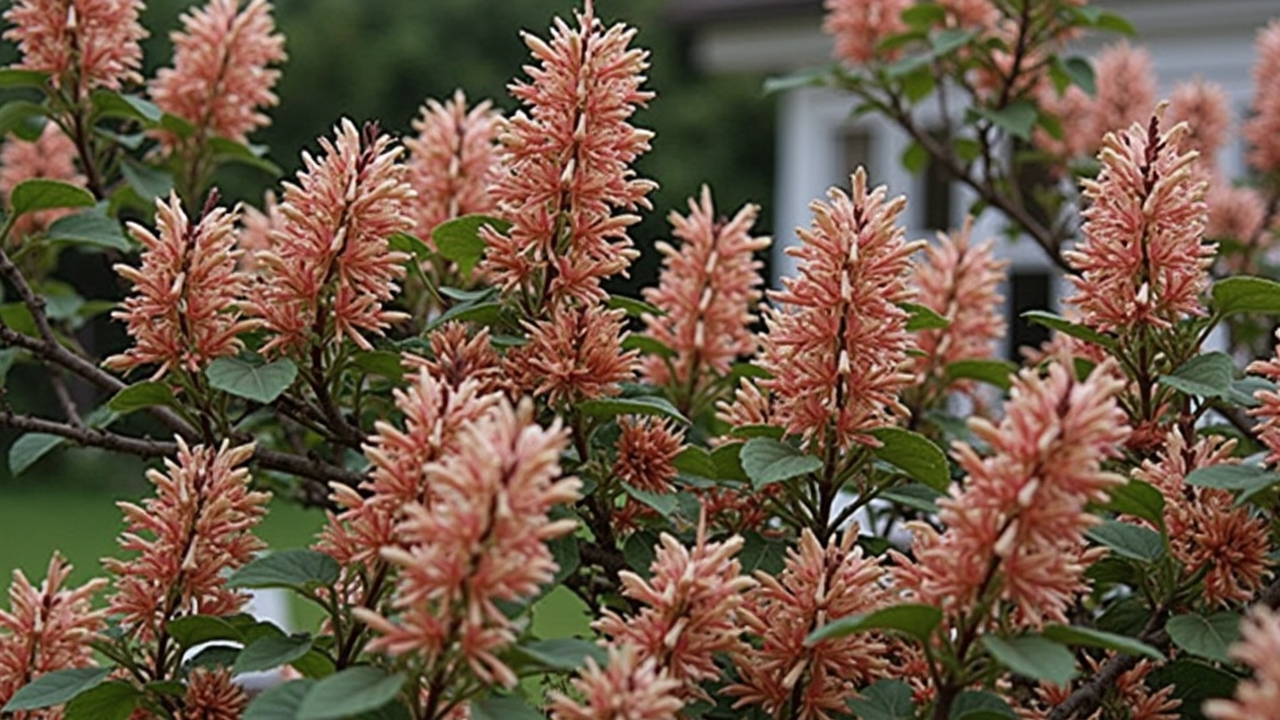
This plant grows to 7 m (23 ft) or more in height. It is a deciduous climber, occasionally retaining old leaves over winter. The flowers are tubular, two-lipped, and creamy white or yellowish in colour, often flushed with pink or red on the outside and in bud. They are borne in showy clusters at the ends of shoots and are highly scented by night, with reduced scent by day.
Origin and Habitat
Native to much of Europe, North Africa, Turkey, and the Caucasus, it is found as far north as southern Norway, Sweden, and Finland. In the UK, it typically occurs in woodland, scrubland, and hedgerows.
Cultivation
Lonicera periclymenum is valued in gardens for its ability to twine around structures or other plants, covering walls or outbuildings. It requires planting with roots in shade and the flowering top in sun or light shade. Plants should be selected carefully due to their substantial mature size. The cultivars 'Graham Thomas' and 'Serotina' have received the Royal Horticultural Society's Award of Garden Merit.
Care and Maintenance
Prune after flowering to maintain shape and control growth. It is susceptible to the honeysuckle leaf miner (Chromatomyia aprilina).
Uses
The plant provides nectar for pollinators including moths and long-tongued bees. Its berries are eaten by birds such as thrushes, bullfinches, and warblers in autumn. Dormice use honeysuckle bark for nesting and consume its flowers for energy-rich nectar. The intense fragrance of its summer flowers makes it a popular garden plant.
Cultivars and Varieties
| Cultivar | Height | Flower | Notes | AGM |
|---|---|---|---|---|
| 'Graham Thomas' → | — | — | — | ✓ |
| 'Serotina' → | — | — | — | ✓ |
Pests and Diseases
| Problem | Symptoms | Management |
|---|---|---|
| Chromatomyia aprilina – honeysuckle leaf miner | — | — |
Quick Care Summary
| Sunlight | Full shade |
|---|---|
| Soil | — |
| Hardiness | — |
| Sow | — |
| Plant | — |
| Prune | — |
Facts sourced from Wikipedia / Lonicera periclymenum (https://en.wikipedia.org/wiki/Lonicera_periclymenum)
As an Amazon Associate, GardenWizz earns from qualifying purchases made through the links above. This does not affect the price you pay. See our disclaimer for details.