
Reviving a Patchy Lawn
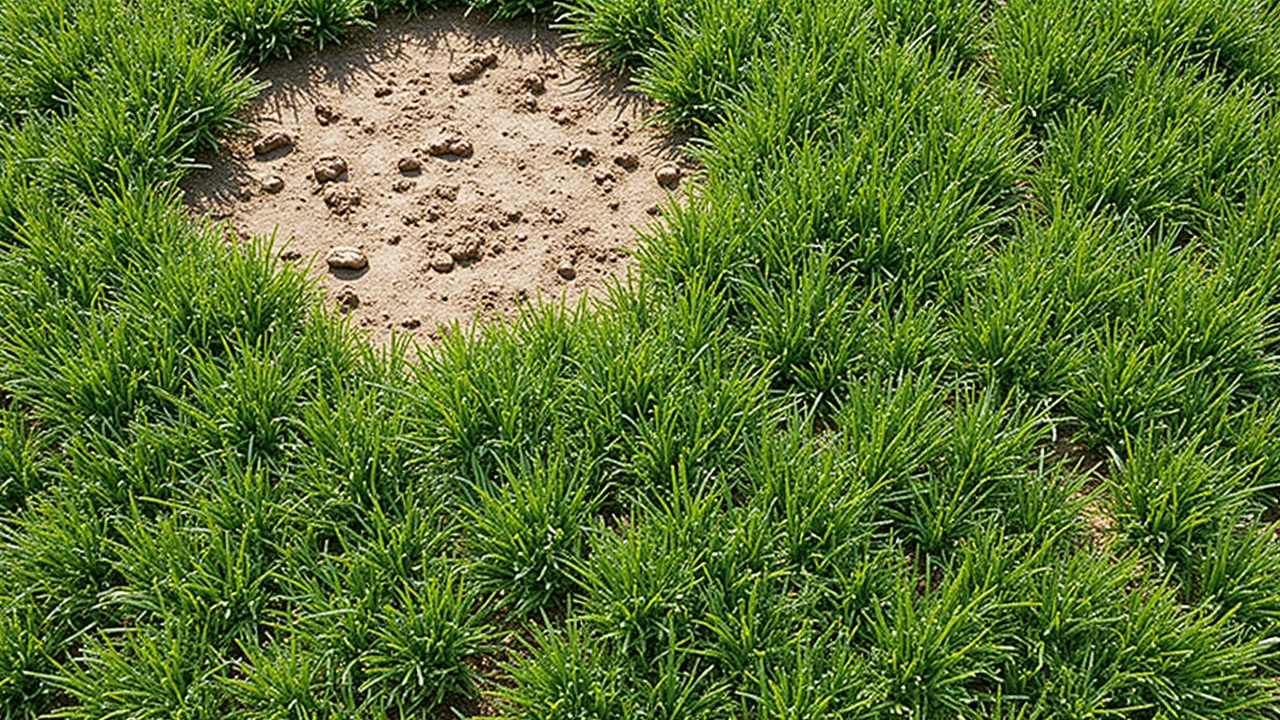
We've all had that patchy lawn moment – those bare spots that seem to multiply after a harsh winter or a summer of heavy use. The good news? With the right approach at the right time, you can restore your lawn to lush, healthy green without breaking the bank or needing professional help. This guide cuts through the confusion, focusing on proven UK practices for your garden.
Diagnose the Cause First
Before you reach for seed, understand why your lawn is patchy. This saves time and effort.
Common UK culprits
- Moss: Thrives in damp, shady, compacted soil (common under trees or in low-lying areas).
- Compaction: Heavy foot traffic or wet soil squashed by rain/weight makes it hard for roots to grow.
- Dog urine: Causes brown patches due to high nitrogen.
- Grass type: Some varieties thin out naturally in summer heat or shade.
- Poor soil prep: Initial seeding on bare soil without proper preparation.
Prepare the Ground Properly
Getting the soil right is the single most important step. Rushing this leads to failure.
Essential prep steps
- Aerate: In early autumn (Sept-Oct) or spring (March-April), use a garden fork to poke holes 10cm deep across the patch. This relieves compaction and lets air/water in.
- Scarify (if mossy): Rake out dead moss and thatch in late autumn or early spring using a thatching rake.
- Level & amend: Fill deep holes with topsoil or sand. For poor soil, mix in a generous handful of garden compost or well-rotted manure into the top 5cm.
Choose & Sow the Right Seed
Using the wrong seed or seeding at the wrong time guarantees disappointment.
UK-friendly seeding guide
- Timing: Autumn (Sept-Oct) is ideal for new growth before winter. Spring (April-May) is acceptable if soil is warm and dry.
- Seed mix: Pick a UK blend suited to your conditions:
- Shady spots: Shade-tolerant mix (e.g., fine fescues).
- High-traffic areas: Ryegrass and fescue mix for durability.
- All-round: A standard perennial ryegrass mix.
- Sowing: Broadcast seed evenly, then lightly rake it into the soil. Water gently to settle seeds.
Maintain with Patience & Care
Your lawn needs consistent care for the first few weeks to establish.
Key aftercare tips
- Watering: Keep the soil moist (not soggy) for the first 2–3 weeks. Water early morning, 2–3 times daily if dry.
- Mowing: Wait until grass is 8–10cm tall before first cut (usually 3–4 weeks after sowing). Cut no more than 1/3 of the leaf height.
- Feeding: Apply a balanced, slow-release organic fertilizer in late spring (e.g., sheep manure pellets) once established.
#PatchyLawnFix #UKGardening #LawnCare #GardenWizz #BritishGardens #LawncareTips