No Mow May: Why It Matters
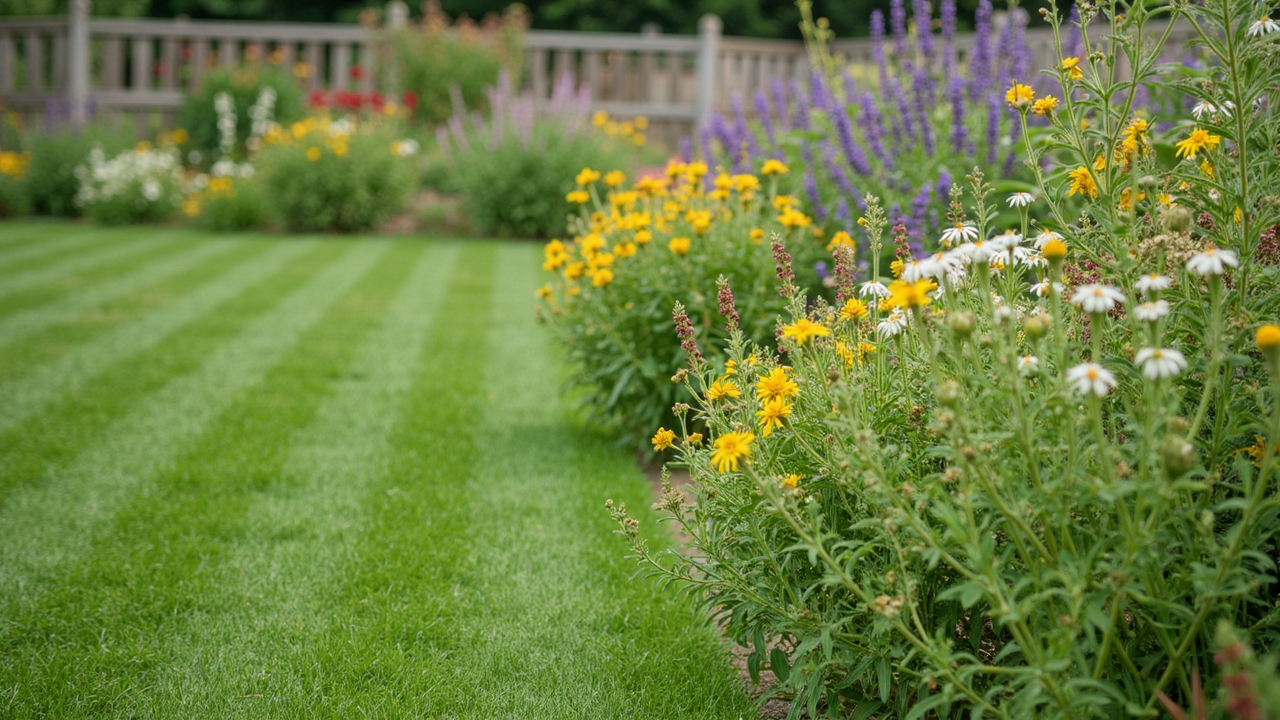
Let your lawn breathe this May – it’s a small act with a big impact for our buzzing, fluttering neighbours. Plantlife’s No Mow May initiative is simple, powerful, and perfectly timed for UK spring.
Why skip the mower in May?
Plantlife’s research shows that leaving your grass uncut for one month transforms your lawn into a mini-wildflower meadow.
- Boosts insect life: Unmown grass lets dandelions, clover, and buttercups bloom, providing essential nectar for bees, hoverflies, and butterflies as they emerge from winter.
- Supports biodiversity: Wildflowers attract pollinators, which in turn help other garden plants and wildlife thrive.
- Reduces effort: You’ll save time and fuel by skipping one mow, while creating a more natural, low-maintenance space.
What to avoid
- Don’t use weedkillers or fertilisers in May – they harm the very insects you’re helping.
- Don’t panic if your lawn looks ‘wild’ – this is the point!
Your simple May action plan
Plantlife’s No Mow May is designed for UK gardeners, so follow these easy steps:
- Stop mowing from 1 May: Let grass grow to 10cm (about 4 inches) – this lets flowers develop.
- Leave the clippings: They’ll decompose, adding nutrients back to the soil naturally.
- Enjoy the blooms: Look out for common May flowers like dandelions (a bee favourite!), white clover, and daisies.
Key timing
- Start on 1 May – this aligns with peak insect activity as temperatures rise.
- Resume mowing on 1 June – cut grass to a standard height (around 5cm) to avoid smothering new growth.
What to watch for
Your unmown lawn becomes a living classroom.
- Bees: They’ll be busy visiting dandelions and clover – a sign your garden is supporting vital pollinators.
- Butterflies: Small tortoiseshells and meadow browns often appear in wilder grass.
- Birds: Robins and wrens may forage for insects in the longer grass.
Don’t worry about ‘weeds’
Dandelions and clover are beneficial in this context – they’re not weeds but food sources.
After May: Keep the momentum
No Mow May is a spring starter, not a permanent change.
- Mow regularly after June to maintain a healthy lawn, but leave patches of longer grass in sheltered corners for year-round habitat.
- Plant native wildflowers in borders or pots to extend the nectar supply into summer.
- Join Plantlife’s National Plant Monitoring Survey to track local wildlife – it’s free and easy!
#NoMowMay #WildlifeGardening #Plantlife #UKGardening #Biodiversity #SpringGardening #PollinatorFriendly #GardenWizz