
Best Climbing Plants for UK Walls and Fences
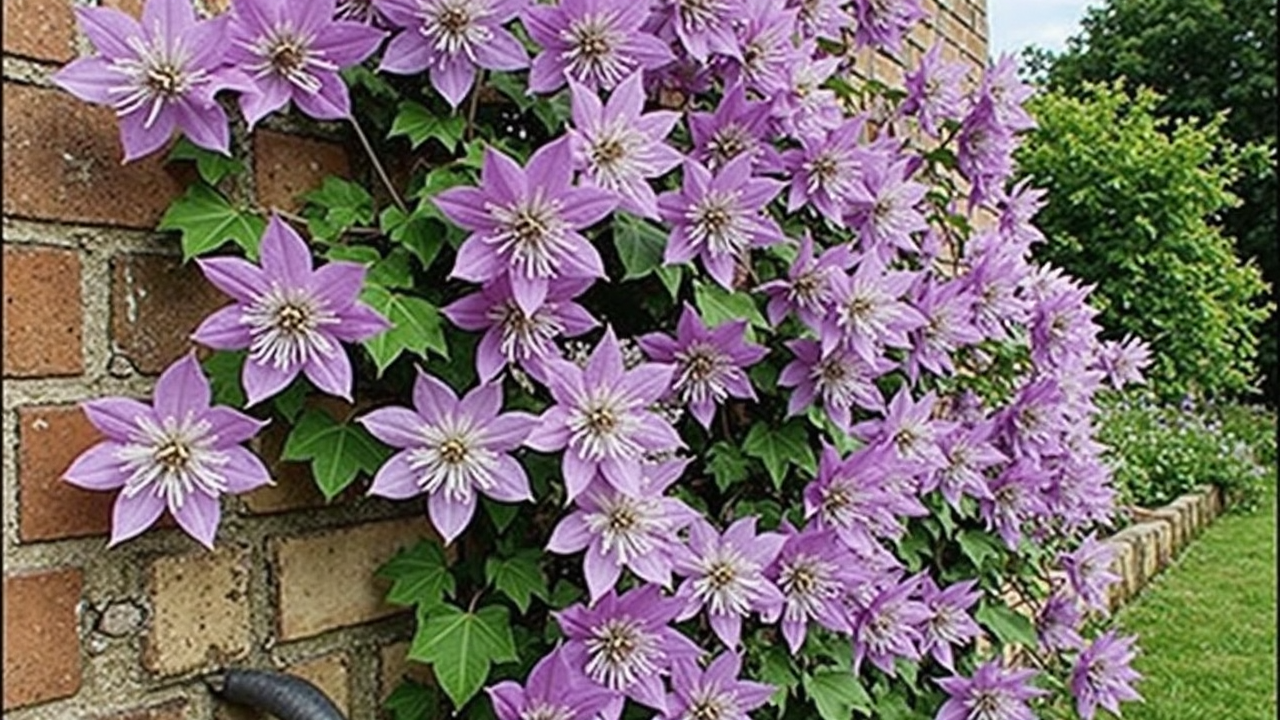
Tired of bare walls staring back at you? Transform them with climbers that thrive in our damp climate, bloom reliably, and add seasonal interest without demanding constant fuss. Choose wisely for a low-maintenance, year-round show that complements your UK garden’s rhythm.
Choosing Your Climber Wisely
Consider your wall or fence’s condition and exposure before planting. Avoid heavy, moisture-retaining plants on old brickwork that might trap damp. South-facing walls suit sun-lovers like roses; north-facing needs shade-tolerant options such as ivy. Always check for structural soundness first.
Key factors to assess
- Wall type: Stone/brick (safe for most climbers); rendered walls (avoid ivy, use lighter climbers)
- Sunlight: Full sun (roses, wisteria); partial shade (honey-suckle, clematis)
- Space: Measure height/width; choose plants that won’t overwhelm (e.g., avoid wisteria on small fences)
Top UK-Friendly Climbing Plants
These varieties are proven performers across British gardens, matching our seasons and climate. Prioritise disease-resistant types to avoid common UK issues like mildew.
Reliable choices for British gardens
- Clematis (e.g., 'Jackmanii' or 'Nelly Moser'): Blooms May-June; needs support and well-drained soil
- Climbing Roses (e.g., 'Madame Alfred Carrière'): Fragrant, repeat-flowering; prune in late winter
- Honeysuckle (e.g., Lonicera periclymenum 'Serotina'): Scented, long-flowering; tolerates shade
- Wisteria (e.g., Wisteria sinensis): Dramatic spring flowers; needs strong support and hard pruning
- Ivy (Hedera helix): Evergreen, low-maintenance; only for sturdy walls (not damp brick)
Planting & Support Setup
Timing and structure are crucial. Plant in spring (March-April) or autumn (September-October) when soil is workable but not frozen. Ensure supports are secure and spaced correctly to guide growth.
Essential planting steps
- Dig a hole twice the rootball width; mix in compost
- Position at least 15cm from wall/fence to avoid damp damage
- Install support before planting (e.g., trellis, wires, or bamboo canes)
- Water deeply after planting, then weekly until established
Seasonal Care Routine
UK weather demands simple, timed maintenance. Over-pruning or mistimed feeding can ruin blooms or weaken plants.
Monthly care checklist
- Spring (March-April): Tie in new growth; feed with organic rose food
- Summer (June-July): Deadhead spent blooms; check for pests (aphids on roses)
- Autumn (September-October): Lightly prune wisteria; mulch around roots
- Winter (December-February): Prune clematis after flowering; avoid heavy cutting
Avoiding Common Pitfalls
Don’t let enthusiasm lead to problems. The wrong plant can damage structures or create a maintenance nightmare. Always choose a plant that fits your space and climate, not just the most dramatic option.
Critical mistakes to skip
- Planting ivy on brickwork (causes damp and cracks)
- Overcrowding climbers (reduces air flow, invites mildew)
- Using non-secure supports (e.g., flimsy netting that snaps)
- Ignoring pruning schedules (e.g., cutting clematis too late)
With the right choice and simple care, your walls and fences will become living art, brimming with colour and scent through every UK season.