
Improving Heavy Clay Soil
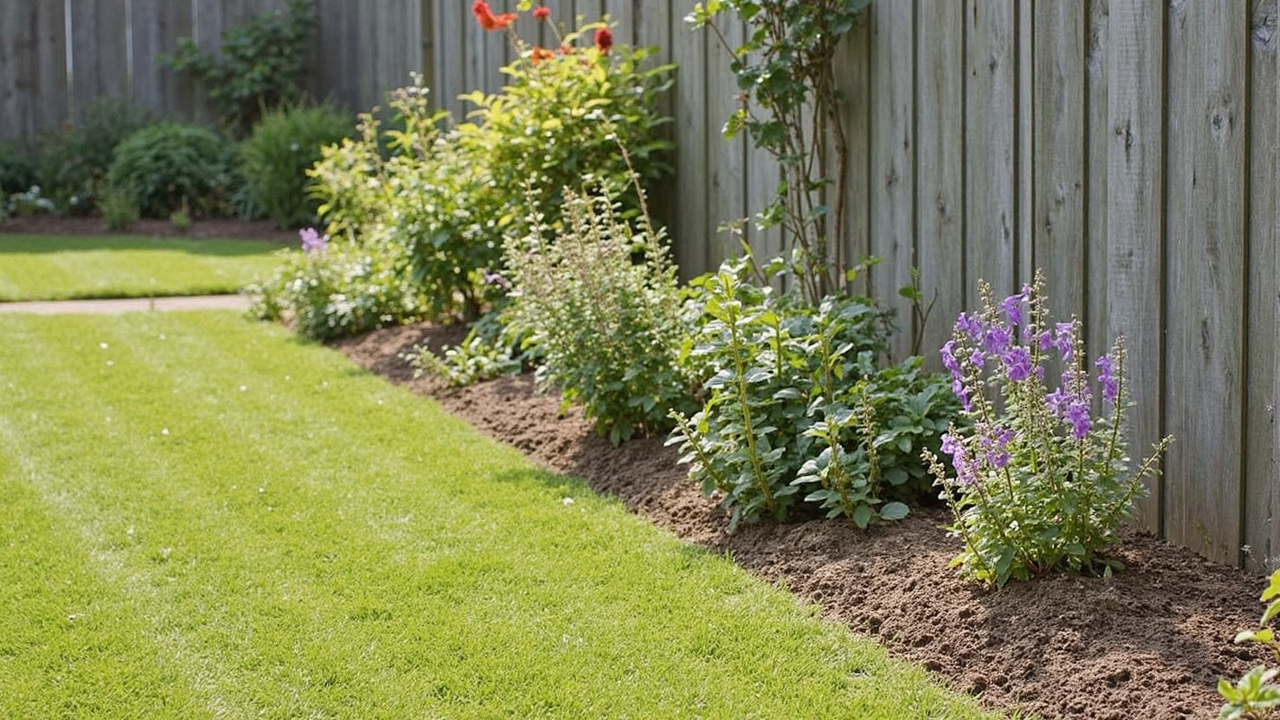
Clay soil can feel like a gardener's nemesis – heavy, cold, and prone to waterlogging in winter, yet cracking fiercely in dry spells. The good news is, with consistent, practical effort, you can transform it into a fertile, crumbly base that supports healthy plants year-round, working with UK weather rather than against it.
Understanding Your Clay
Why clay challenges UK gardens
- It compacts easily when wet, suffocating plant roots and hindering drainage.
- In summer, it becomes impossibly hard to dig or plant into.
- It warms slowly in spring, delaying planting for early crops.
- Poor aeration means beneficial soil microbes struggle to thrive.
Building Soil Structure (The Long Game)
Adding organic matter is key
- Apply well-rotted garden compost or farmyard manure in autumn (October/November) or early spring (March/April), before the soil gets too wet or hot.
- Spread a 5-7.5cm (2-3 inch) layer over beds and gently fork it into the top 15cm (6 inches) of soil – never dig deeply when wet.
- Repeat annually; this is a gradual process. Even small additions build resilience over 2-3 years.
Working with the Seasons
Timing your soil improvements
- Avoid digging when the soil is wet (late autumn/winter) – it forms clods and destroys structure. Test by squeezing a handful: if it holds shape, wait.
- Focus on autumn for adding organic matter – the cold, wet months help break it down naturally.
- Plant cover crops like winter rye or mustard in autumn; their roots break up clay and add organic matter when dug in in spring.
Practical Tips for Daily Gardening
Making clay work for you now
- Mulch heavily with organic matter (straw, leaf mould, well-rotted manure) in spring and autumn to retain moisture in summer and protect the surface from rain impact.
- Plant into raised beds if possible – they warm up faster and drain better than flat clay.
- Choose clay-tolerant plants like hellebores, hostas, or ornamental grasses for immediate success while improving the soil.
Avoiding Common Mistakes
What not to do
- Don’t use gypsum – it’s ineffective for UK clay types and can harm soil biology.
- Don’t dig deeply in winter – it compacts the subsoil and destroys structure.
- Don’t rely on sand – adding sand to clay creates a concrete-like mixture; only use it in very small quantities for specific purposes, not as a general solution.
#ClaySoil #UKGardening #SoilHealth #GardenTips #GardenWizz #OrganicGardening #GardenSoil #GardenImprovement
Recommended Products
Spear & Jackson Stainless Hand Trowel & Weed Fork Set
Sturdy stainless tools for heavy ground
View on Amazon →
As an Amazon Associate, GardenWizz earns from qualifying purchases made through the links above. This does not affect the price you pay. See our disclaimer for details.