
Planting a Shady Border
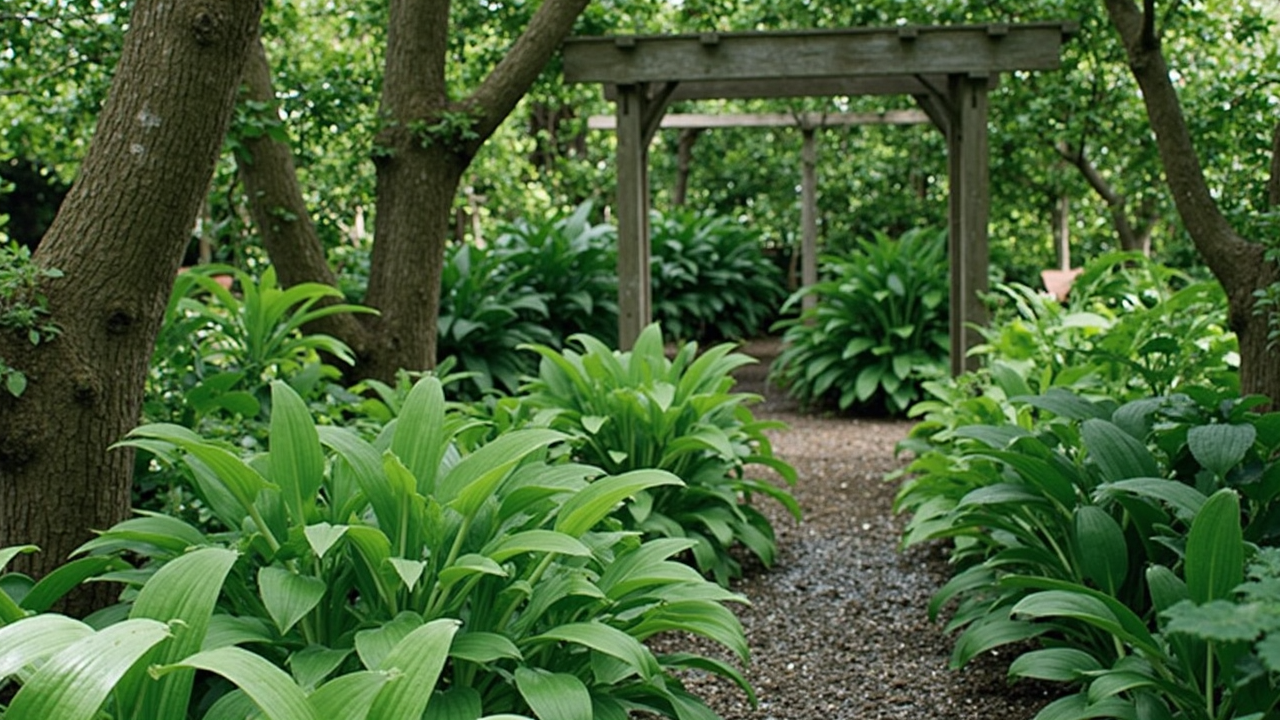
Creating a thriving shady border in the UK requires understanding your specific conditions, not just accepting the lack of sun. With careful planning for the damp, often nutrient-poor soil beneath trees and the variable light levels common in British gardens, you can build a border that’s both beautiful and resilient through the seasons.
Assess Your Shade Conditions
Before planting, spend a few days observing your space to understand the type of shade you have. This is crucial for choosing the right plants.
- Dappled shade: Light filters through tree leaves (common under oaks or limes). Best for plants like hostas and hellebores.
- Deep shade: Dense canopy blocks most light (e.g., under conifers). Choose tough plants like ferns or lungwort.
- Partial shade: Morning sun followed by afternoon shade (ideal for many perennials). Test by checking how long direct sun hits your border between 10am–4pm.
Prepare the Soil Thoughtfully
UK shade borders often suffer from compacted, acidic soil and tree root competition. Amend properly to give plants a fighting chance.
- Clear debris gently: Remove fallen leaves and twigs without disturbing tree roots.
- Add organic matter: Mix well-rotted garden compost or leaf mould into the top 15cm (6 inches) of soil.
- Avoid heavy digging: Tree roots are shallow; dig only where necessary to prevent damage.
- Mulch lightly: Apply 5cm (2 inches) of leaf mould or well-rotted compost in late autumn to retain moisture and suppress weeds.
Choose UK-Friendly Shade Plants
Opt for resilient, low-maintenance plants that thrive in British shade without needing constant intervention.
- Perennials: Helleborus (Christmas rose), Pulmonaria (lungwort), and Epimedium (barrenwort) offer year-round interest.
- Foliage focus: Hostas (choose shade-tolerant varieties like H. fortunei), ferns (e.g., Polystichum acrostichoides), and Rodgersia.
- Seasonal colour: Wood anemones (for spring), astilbes (for summer), and hellebores (late winter).
- Avoid: Plants needing full sun (e.g., lavender, roses) or excessive moisture (e.g., some begonias).
Plant at the Right Time
Timing is key for UK success, especially in shady spots where soil warms slowly.
- Best planting window: Early spring (April–May) or autumn (September–October).
- Why spring? Warmer soil helps plants establish before summer heat.
- Why autumn? Allows roots to grow before winter dormancy (ideal for hardy perennials).
- Avoid: Planting in wet, frozen ground or during prolonged dry spells.
Maintain with Minimal Effort
Shade borders need less water but more attention to soil health and deadheading.
- Water deeply but infrequently: Only during extended dry periods (UK shade rarely needs extra water).
- Deadhead spent flowers: Encourages repeat blooms (e.g., hellebores).
- Divide clumps: Every 3–5 years (e.g., hostas in early spring).
- Protect from slugs: Use copper tape or organic pellets – shade attracts them.
#ShadeGardening #UKGardening #ShadyBorder #GardenDesign #BritishGardens #EasyGardening
As an Amazon Associate, GardenWizz earns from qualifying purchases made through the links above. This does not affect the price you pay. See our disclaimer for details.