The Rise of Wildlife Gardening
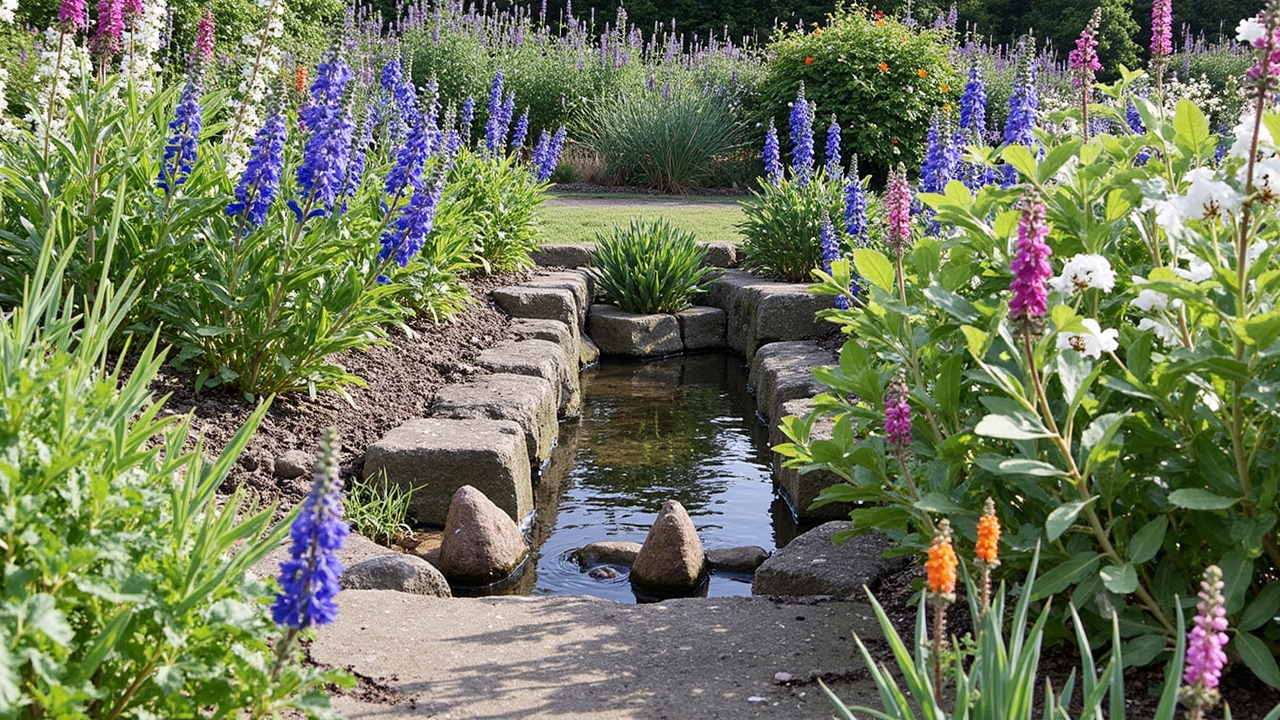
Creating a wildlife garden isn’t just about beauty—it’s about healing the natural world right outside your door. By designing your space to support native plants and creatures, you become part of a vital network that combats habitat loss, boosts biodiversity, and even reduces your need for pesticides. This is especially crucial in the UK, where urbanisation and intensive gardening practices have fragmented natural habitats.
Planning Your Wildlife Haven
Start by observing what already thrives in your local area. Focus on ecological functionality rather than aesthetics alone.
- Prioritise native plants: Choose species indigenous to your region (e.g., hawthorn, foxgloves, or wild garlic) as they support local insects and birds far better than non-natives.
- Remove invasives: Clear non-native weeds like Himalayan balsam or Japanese knotweed before planting natives.
- Keep it natural: Retain fallen leaves, dead wood, and mature trees—they’re vital habitats, not garden clutter.
Essential Habitat Features
Layer your garden to create diverse, interconnected spaces for wildlife to thrive.
- Log piles: Stack fallen branches in a shady spot to shelter insects, frogs, and slow worms.
- Water sources: Install a shallow pond (with varying depths) for birds to drink, amphibians to breed, and insects to thrive.
- Bug hotels: Use bundles of hollow stems (like bamboo or elderberry) for solitary bees and beneficial insects.
- Bird stations: Place feeders and nest boxes away from predators, filled with seeds and nuts, to support natural pest control.
Planting for Maximum Impact
Your plant choices directly shape the garden’s value to wildlife.
- Native over ornamental: Avoid "pest-free" garden varieties—they starve native insects. Opt for species like purple loosestrife or meadowsweet instead.
- Diverse layers: Include ground cover (e.g., violets), shrubs (hawthorn), and trees (oak) to create vertical structure.
- Wildflower meadows: Replace sections of lawn with native wildflowers (e.g., oxeye daisies, clover) to attract pollinators.
Low-Maintenance Principles
Wildlife gardens naturally evolve with less human intervention.
- Embrace succession: Allow meadows to gradually develop into scrubland; don’t mow everything.
- Use natural mulch: Leave leaf litter to decompose—it feeds soil life and shelters insects.
- Avoid pesticides: Chemicals harm the very insects birds rely on for food.
Your garden’s true purpose isn’t just to look good—it’s to be a living, breathing part of the UK’s ecological web. Start small, let nature guide you, and watch the bees, birds, and butterflies return.
#WildlifeGardening #UKGardening #NativePlants #Biodiversity #WildlifeFriendly #GardenWizz #EcoGardening #ConservationGardening