Understanding Your Soil Type: Clay, Sandy, Loam or Chalk
Understanding your soil is the first step to a thriving garden. In the UK's variable climate, knowing whether you have clay, sandy, loam or chalk soil makes all the difference to what you can grow and how you care for it. This guide cuts through the scientific jargon to give you practical, seasonal advice for your specific soil.
Identifying Your Soil Type
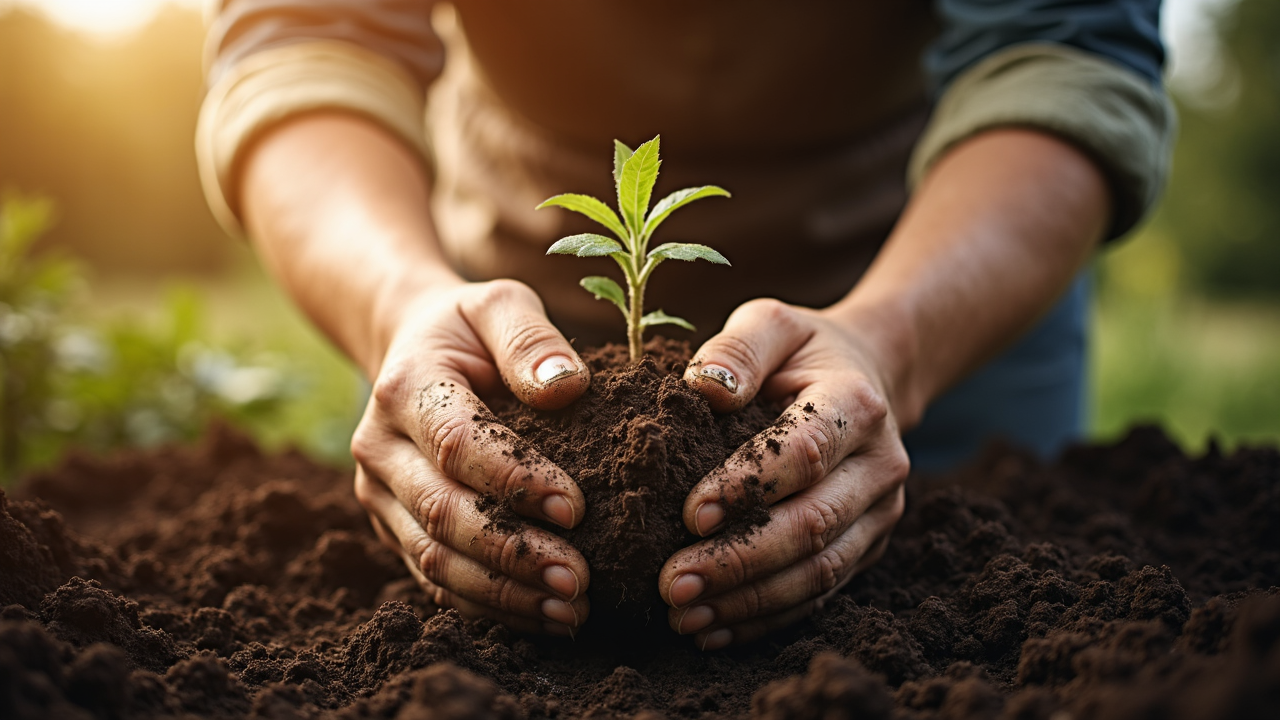
Test your soil in early spring when it's damp but not waterlogged. Take a handful and squeeze it into a ball.
- Clay: Holds shape firmly, feels sticky, and leaves a smooth ribbon when pressed between fingers.
- Sandy: Crumbles instantly, feels gritty, and won’t hold a shape.
- Loam: Holds a loose shape, crumbles slightly but feels crumbly and rich.
- Chalk: Feels gritty, often contains visible white lumps, and turns greenish when wet.
Working with Clay Soil
Clay retains water and nutrients but compacts easily. Focus on improving drainage and structure.
- Spring (March-April): Dig only when soil isn’t wet – avoid working it when muddy to prevent compaction.
- Autumn (September-October): Dig in 5cm of well-rotted garden compost or farmyard manure to lighten the soil.
- Planting: Choose spring bulbs (tulips, crocuses) and vegetables like broad beans that tolerate damp. Avoid waterlogged spots for potatoes.
Managing Sandy Soil
Sandy soil drains too quickly, losing nutrients and moisture. Your goal is to boost water retention.
- Autumn (October): Mix in 7cm of organic matter (compost or leaf mould) to improve moisture-holding capacity.
- Spring (April): Water deeply but less frequently – sandy soil needs consistent moisture.
- Planting: Grow drought-tolerant plants like lavender, rosemary, or potatoes. Add mulch (straw or bark) to reduce evaporation.
Embracing Loam and Chalk
Loam is the gardener’s ideal – balanced and easy to work with. Chalk soil is alkaline and often stony.
- Loam: Plant almost anything! Prioritise adding compost annually in autumn for long-term health.
- Chalk: Test pH (aim for 7.0+). Grow plants that thrive in alkaline conditions: lavender, hellebores, or asparagus.
- Seasonal Tip: In chalky areas, avoid adding lime – it’s already high in calcium. Use rainwater for watering to prevent salt buildup.
Key Seasonal Tasks for All Soils
Tailor these to your soil type for maximum impact.
- Autumn: Focus on adding organic matter to all soils (clay benefits from compost, sand from manure).
- Spring: Check soil moisture before digging – clay should feel crumbly, not sticky.
- Summer: Mulch established beds to retain moisture (especially vital for sandy soil).
#UKGardening #SoilHealth #ClayGardening #SandySoil #LoamSoil #ChalkSoil #GardenTips #UKGarden