How to Attract Birds to Your Garden
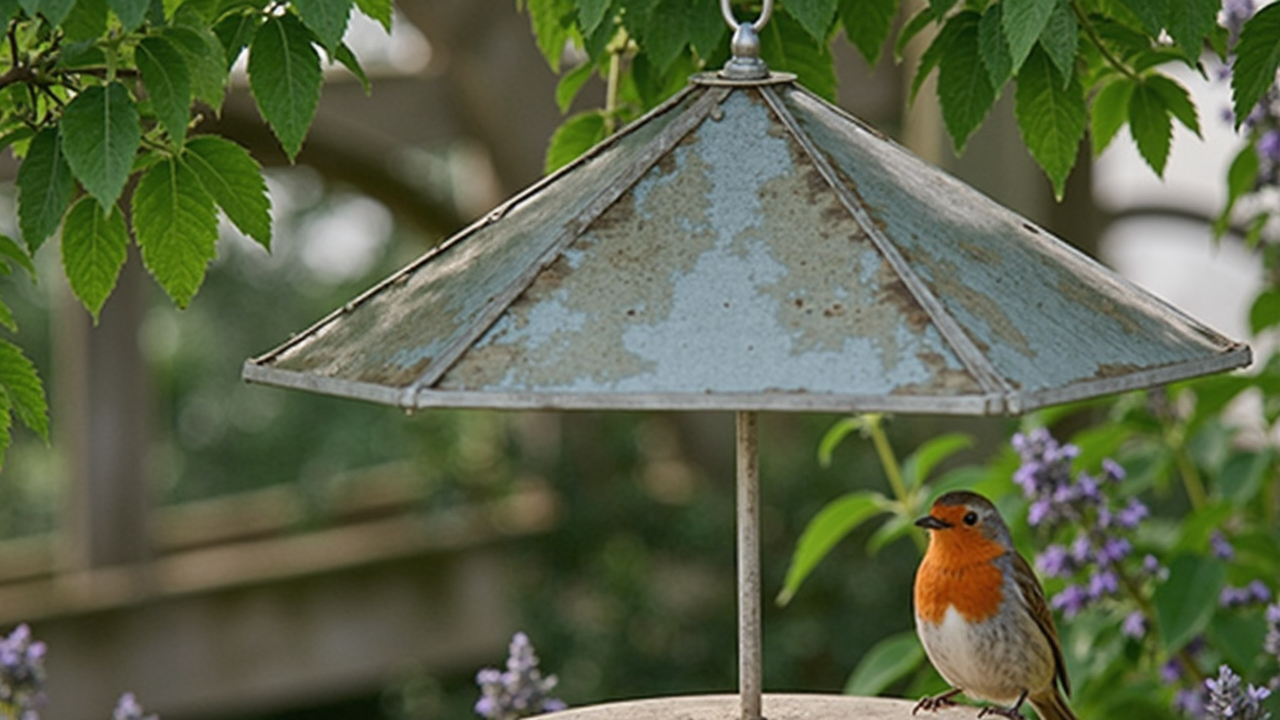
Watching birds flit through your garden brings instant joy, and creating a welcoming space for them is simpler than you might think. With a few thoughtful touches, you can transform your patch into a vital sanctuary that supports local wildlife year-round, especially during the lean months when natural food is scarce.
Choose the Right Food Sources
Provide nutrition that suits the seasons and local birds.
- Winter (Nov–Feb): Offer high-energy suet balls or fat balls in dedicated feeders, placed away from predators. Avoid bread, which offers little nutritional value.
- Spring (Mar–May): Plant native shrubs like hawthorn, holly, or elderberry for berries and insects. These provide natural food as birds raise chicks.
- All Year: Scatter sunflower seeds or nyjer seeds in open feeders; these attract finches and tits.
Create Reliable Water Features
Clean, accessible water is essential, especially in dry spells or frozen weather.
- Birdbaths: Use shallow dishes (2–4cm deep) with non-slip surfaces. Place near shrubs for cover but not directly under trees to avoid falling debris.
- Winter Care: Keep water unfrozen by using a small, safe heater or topping up with warm water daily. A dripping tap can also attract birds.
- Natural Options: A small, slow-moving stream or a container with pebbles for perching is ideal.
Prioritise Shelter and Safety
Birds need places to hide from predators and harsh weather.
- Plant Dense Hedges: Use native evergreens like holly or laurel for year-round cover. Avoid cutting hedges in spring (Mar–Apr) to protect nesting birds.
- Leave Seed Heads: After autumn, leave dead flower stems (like sunflowers or teasels) standing—they provide seeds and insect habitats.
- Avoid Plastic: Never leave plastic bags or netting unattended; they can trap birds.
Support Nesting Habits
Encourage birds to stay by offering safe nesting spots.
- Install Nest Boxes: Fit them with 30–35mm entrance holes for blue tits or 45mm for robins. Mount boxes 1.5–3m high, facing away from prevailing winds.
- Natural Nesting: Leave a patch of long grass or a pile of logs for ground-nesting birds like wrens.
- Timing: Clean boxes after breeding season (late summer) to prevent parasites.
By focusing on native plants, seasonal food, and safe water, you’ll create a thriving garden that benefits birds and enriches your own enjoyment of the natural world.
#UKGardening #BirdFriendlyGarden #WildlifeGarden #GardenWizz #SustainableGardening #UKWildlife #GardenDesign