Dealing with Slugs and Snails
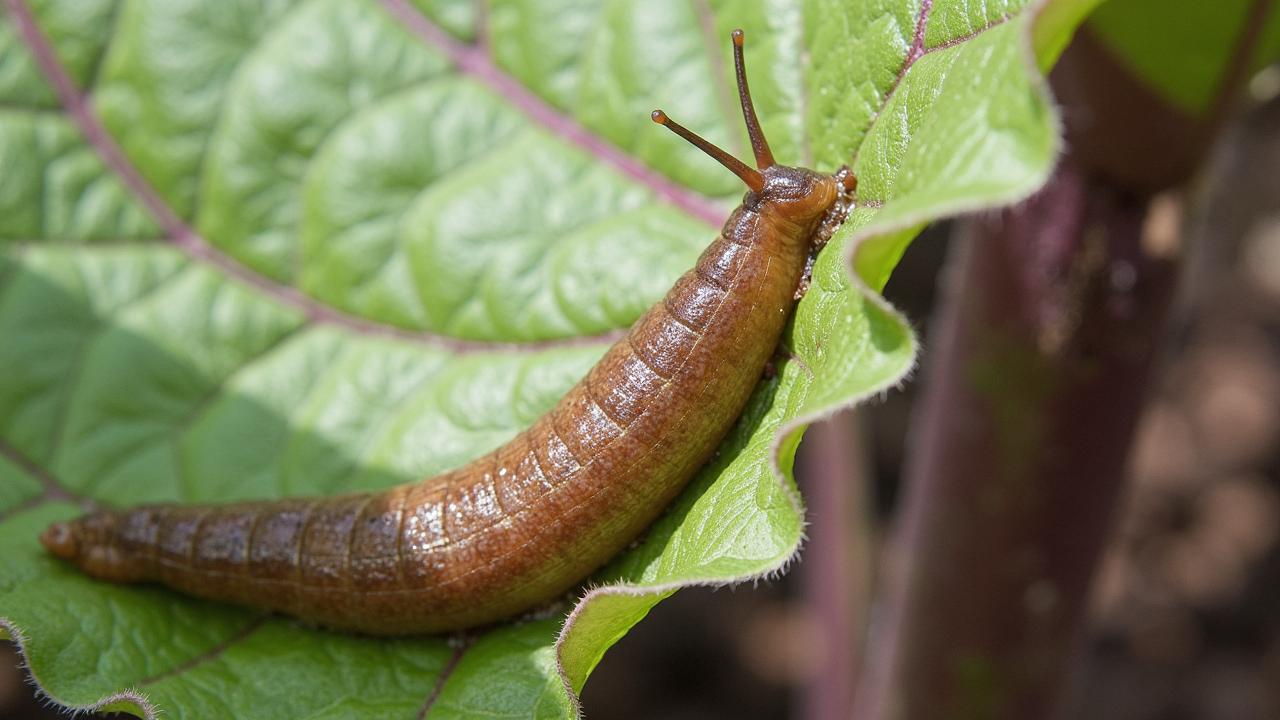
Dealing with slugs and snails in your UK garden can feel like an endless battle, but understanding their habits makes control far more effective. They’re most active after rain or overnight when the air is damp, targeting your favourite plants with a vengeance. Here’s how to tackle them practically, using proven UK-friendly methods.
Timing Your Defences
Slugs emerge when conditions are moist, so target them when they’re most vulnerable.
- Check after rain or overnight – walk your garden at dusk or dawn with a torch to spot and remove slugs manually.
- Avoid daytime – slugs hide in damp shelter during the heat, making them harder to find.
- Focus on spring and autumn – these are peak slug seasons in the UK, especially after wet weather.
Remove Their Hiding Spots
Slugs thrive in damp, dark refuges – eliminate these first.
- Clear debris – remove fallen leaves, wood piles, and old plant stems where slugs shelter.
- Check under pots and stones – lift them regularly to disrupt slug hideouts.
- Trim dense foliage – keep plant bases tidy to reduce ground-level moisture.
Physical Barriers
Create simple, effective barriers using UK-garden staples.
- Copper tape – wrap around plant pots or raised beds; slugs get a mild shock on contact.
- Gravel or crushed eggshells – scatter around vulnerable plants (e.g., lettuce, strawberries) to deter crawling.
- Raised beds – use deep borders with smooth edges to block slug entry.
Natural Deterrents & Traps
Use UK-appropriate, eco-friendly solutions that won’t harm bees or birds.
- Beer traps – bury shallow containers filled with beer (no sugar) to attract and drown slugs.
- Iron phosphate pellets (e.g., Sluggo) – safe for pets and wildlife, but avoid in heavy rain.
- Nematodes – apply Phasmarhabditis hermaphrodita in spring/autumn; they infect slugs naturally.
Plant Selection & Care
Choose slug-resistant varieties and keep plants healthy to withstand minor damage.
- Plant slug-proof flowers – lavender, rosemary, and geraniums are less appealing.
- Grow strong seedlings – healthy plants bounce back better from slug nibbles.
- Mulch wisely – use dry straw instead of wet compost to avoid creating slug habitats.
#UKGardening #SlugControl #GardenWizz #OrganicGardening #UKGardenTips #Slugs #GardenSolutions
As an Amazon Associate, GardenWizz earns from qualifying purchases made through the links above. This does not affect the price you pay. See our disclaimer for details.