
Lettuce
Lactuca sativa
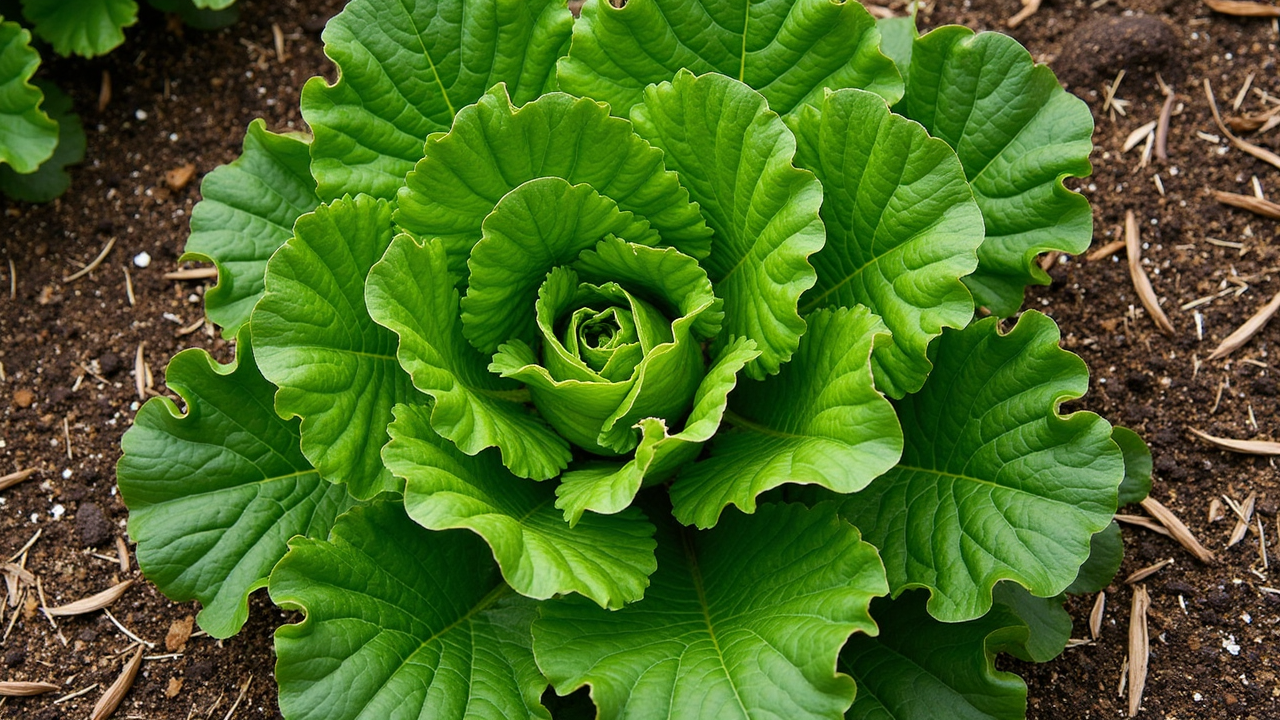
At a Glance
| Botanical name | Lactuca sativa |
|---|---|
| Common name(s) | lettuce |
| Family | Asteraceae |
| Plant type | annual |
| Height × Spread | 15–30 cm × — |
| Hardiness | — |
| Position | Full sun, Partial shade |
| Soil | — |
| Flowering | June–August |
| Toxicity | — |
| Native range | Mediterranean to Siberia |
Overview
Lactuca sativa is an annual plant of the family Asteraceae, primarily cultivated as a leaf vegetable. Its leaves are predominantly used raw in salads, but also feature in sandwiches, wraps, soups, and can be grilled. Certain varieties, such as celtuce (asparagus lettuce), are grown for their edible stems, consumed raw or cooked. Historically, lettuce has held religious significance in ancient Egypt, associated with the god Min, and has been used medicinally. It was originally cultivated in Europe and North America, but global consumption expanded significantly by the late 20th century. In 2023, global production of lettuce and chicory reached 28 million tonnes, with China accounting for 53% of the total.
Botanical Description
Lettuce plants typically reach a height and spread of 15–30 cm (6–12 in). Leaves exhibit a range of colours, primarily green and red, with some variegated, yellow, gold, or blue-teal varieties. Leaf shapes vary widely, from dense heads in iceberg types to notched, scalloped, frilly, or ruffly leaves in leaf varieties. The root system comprises a main taproot and smaller secondary roots, with variations in root length and extent between Asian and Western European varieties. Lettuce generally matures within 65–130 days from planting to harvest. Flowering, or bolting, causes bitterness and renders plants unsaleable, so they are rarely allowed to reach full maturity. Flowers develop into inflorescences composed of multiple florets, each producing a compressed, obovate fruit 3–4 mm long with 5–7 ribs per side, tipped by white hairs and dispersed via a pappus. Domestication has led to traits including delayed bolting, larger seeds and leaves, improved taste and texture, reduced latex content, and varied leaf shapes and colours.
Origin and Habitat
Lactuca sativa is native to the Mediterranean region extending to Siberia. It has been transported to almost all parts of the world. DNA analysis indicates initial domestication occurred near the Caucasus from the wild ancestor Lactuca serriola, with subsequent spread to the Near East and ancient Egypt.
Cultivation
Lettuce is generally grown as a hardy annual. It requires relatively low temperatures to prevent rapid flowering (bolting). It is susceptible to various nutrient deficiencies, insect and mammal pests, and fungal and bacterial diseases. The species can cross easily within itself and with some other Lactuca species, a trait that complicates seed saving for home gardeners but has been utilised by biologists to broaden the cultivated gene pool.
Care and Maintenance
Lettuce requires relatively low temperatures to prevent bolting. Plants are rarely allowed to mature for consumption, as flowering renders them bitter and unsaleable. Lettuce flowers more quickly in hot temperatures, while freezing temperatures can slow growth and damage outer leaves.
Uses
Lettuce is primarily used as a leafy green vegetable in culinary applications, including raw salads, sandwiches, wraps, and soups, with some varieties grilled. Celtuce is cultivated for its stems. Historically, lettuce seeds were pressed for oil in ancient Egypt, and the plant held religious significance as a sacred offering to the god Min. It has also been documented in medieval herbals as a medicinal herb. Global production of lettuce and chicory reached 28 million tonnes in 2023, led by China.
#Lettuce #LactucaSativa #LeafVegetable #Asteraceae #GardenVegetable #SaladGreen #UKGardening #GardenWizz
Pests and Diseases
| Problem | Symptoms | Management |
|---|---|---|
| nutrient deficiencies | — | — |
| insect and mammal pests | — | — |
| fungal and bacterial diseases | — | — |
Quick Care Summary
| Sunlight | Full sun, Partial shade |
|---|---|
| Soil | — |
| Hardiness | — |
| Sow | March–May |
| Plant | March–May |
| Prune | — |
Facts sourced from Wikipedia / Lactuca sativa (https://en.wikipedia.org/wiki/Lactuca_sativa)
As an Amazon Associate, GardenWizz earns from qualifying purchases made through the links above. This does not affect the price you pay. See our disclaimer for details.