
How to plan a perennial border
Plan a balanced perennial border with practical guidance on position, colour, height, spacing, flowering succession and year-round structure.
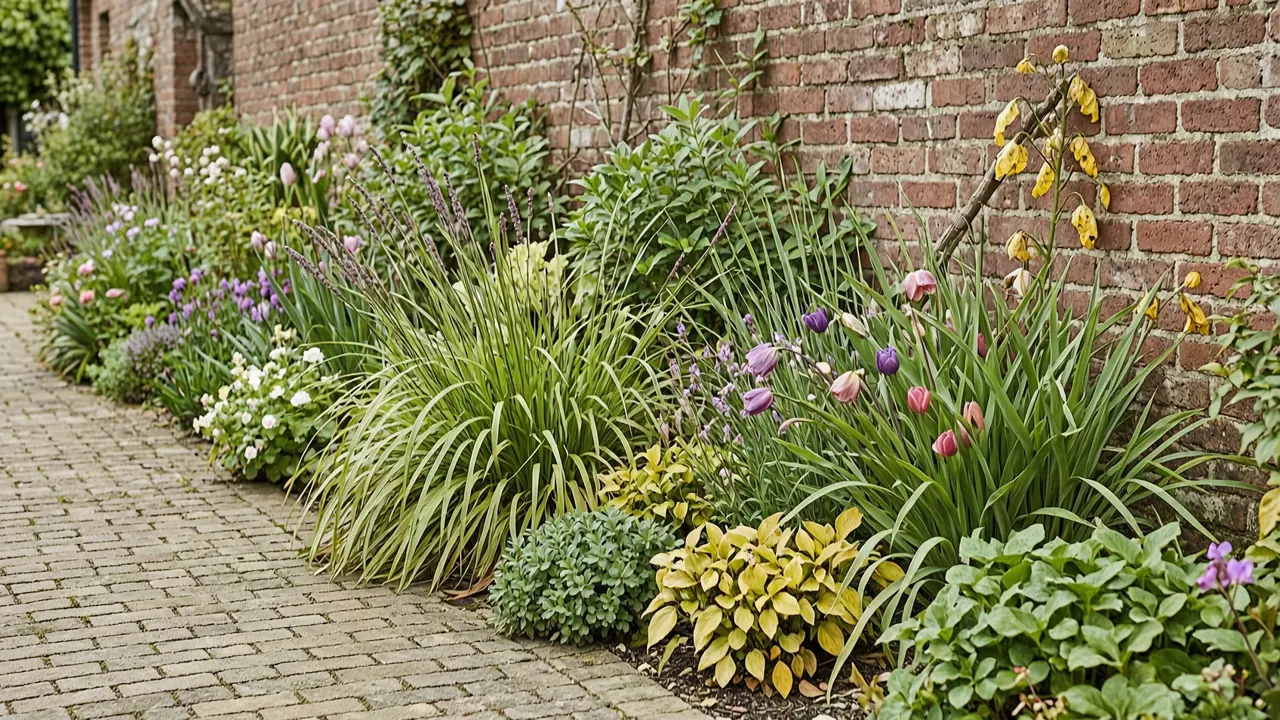
A well-planned perennial border is the centrepiece of a UK flower garden from early summer to late autumn, and a thoughtful design means it gets better year on year rather than becoming a maintenance burden. The key is to plan on paper before you buy a single plant: assess the site, decide on a colour scheme and season of interest, choose plants that suit the soil and light, and group them in drifts of three, five or seven of each kind rather than dotting single plants around. This guide takes you through the planning process in the order a designer would tackle it.
Overview
A perennial border is a planted bed, usually along a boundary or framing a lawn, that comes back year after year and changes through the seasons. The plants are mostly herbaceous — they die back to the crown in winter and re-emerge in spring — with a few evergreens for winter structure. A good border balances height (tall plants at the back, low at the front), colour (a limited palette of two or three main colours plus accent shades), and season of interest (early, mid and late performers so something is always in flower). For most UK gardens, a border 1.5–2 m deep and as long as the site allows gives enough room for a satisfying layered planting without becoming an unmanageable strip.
What You'll Need
- A sheet of graph paper and a pencil (or a simple drawing package on a tablet).
- A long tape measure and a way to mark out the border shape on the ground — sand from a bottle, canes and string.
- A list of plants suited to your soil and light, grouped by height, colour and season.
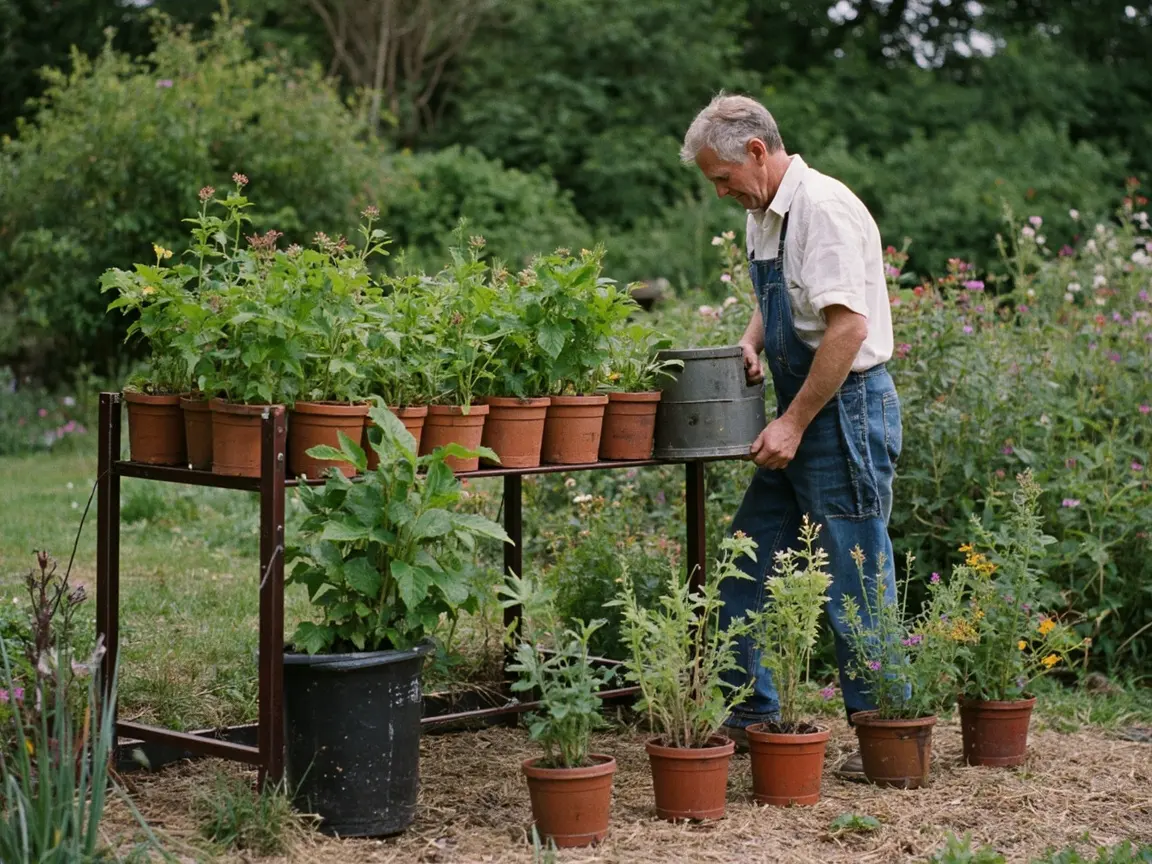
- A spade, border fork, wheelbarrow and a hose for planting day.
- Mulch (garden compost or bark) and a slow-release fertiliser for the first spring after planting.
When to Do It
Plan in winter or early spring, plant in autumn or spring. The best months for planning are December to February, when the garden is bare and you can stand at the site and imagine what should be there. Planting can happen in either autumn (September–November, ideally while the soil is still warm) or spring (March–May); autumn planting suits most perennials in well-drained soil, while spring planting is safer on heavy clay or in cold districts. Avoid planting in mid-summer because new transplants cannot be kept moist enough to establish reliably.
Step-by-Step
1. Assess the site honestly
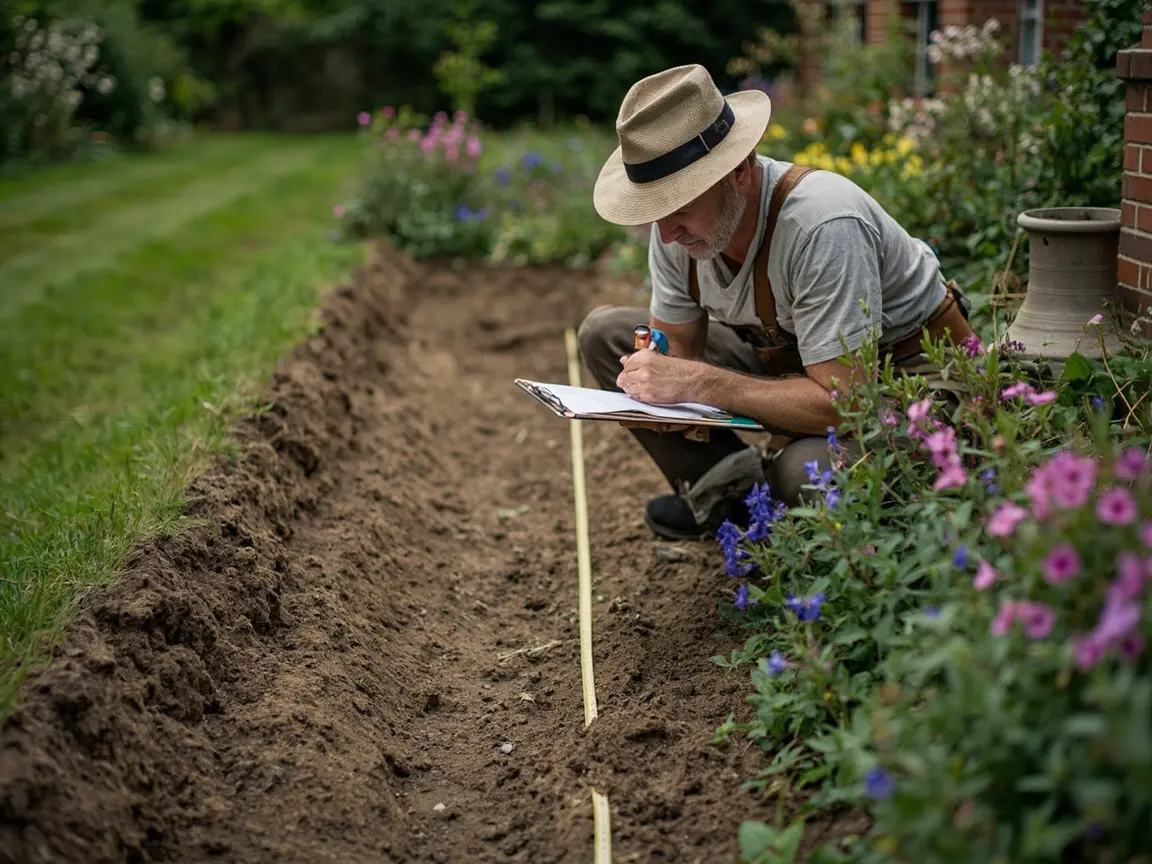
Spend a day watching the border in different conditions: where does the sun fall in midsummer and midwinter; where does the wind hit; where does water lie after heavy rain; where are the existing trees and shrubs casting shade or stealing moisture. Write down the soil type (sandy, loam, clay), the pH if you have tested it, and the exposure. Most "failures" of new borders come from picking plants that don't match these conditions.
2. Choose a colour palette and stick to it
Pick two or three main colours that work together and one or two accent colours. Cool palettes (blue, purple, white, soft pink) feel calm and recede in a border; hot palettes (red, orange, yellow) feel energetic and advance visually. Most UK gardeners do well with a mixed palette of cool and hot anchored by plenty of green foliage and a long season of white or cream flowers. Decide before you buy and reject plants at the nursery that fall outside the scheme.
3. Plan for a long season of interest
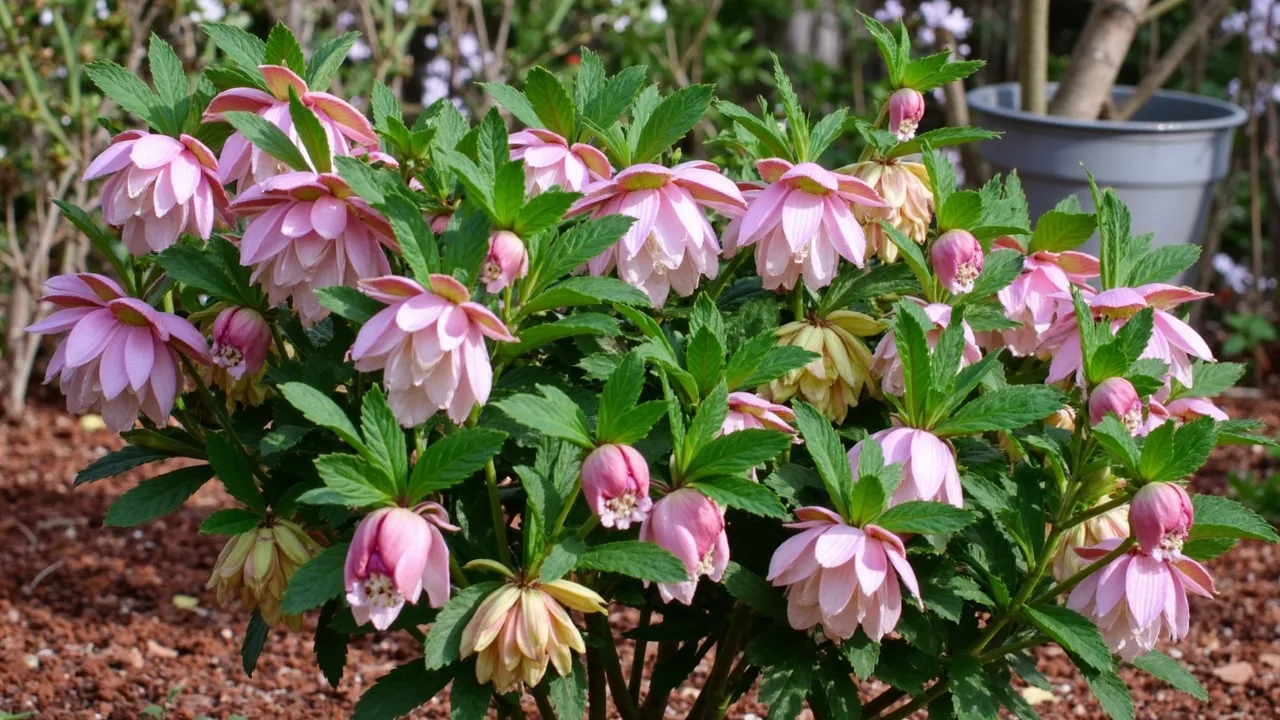
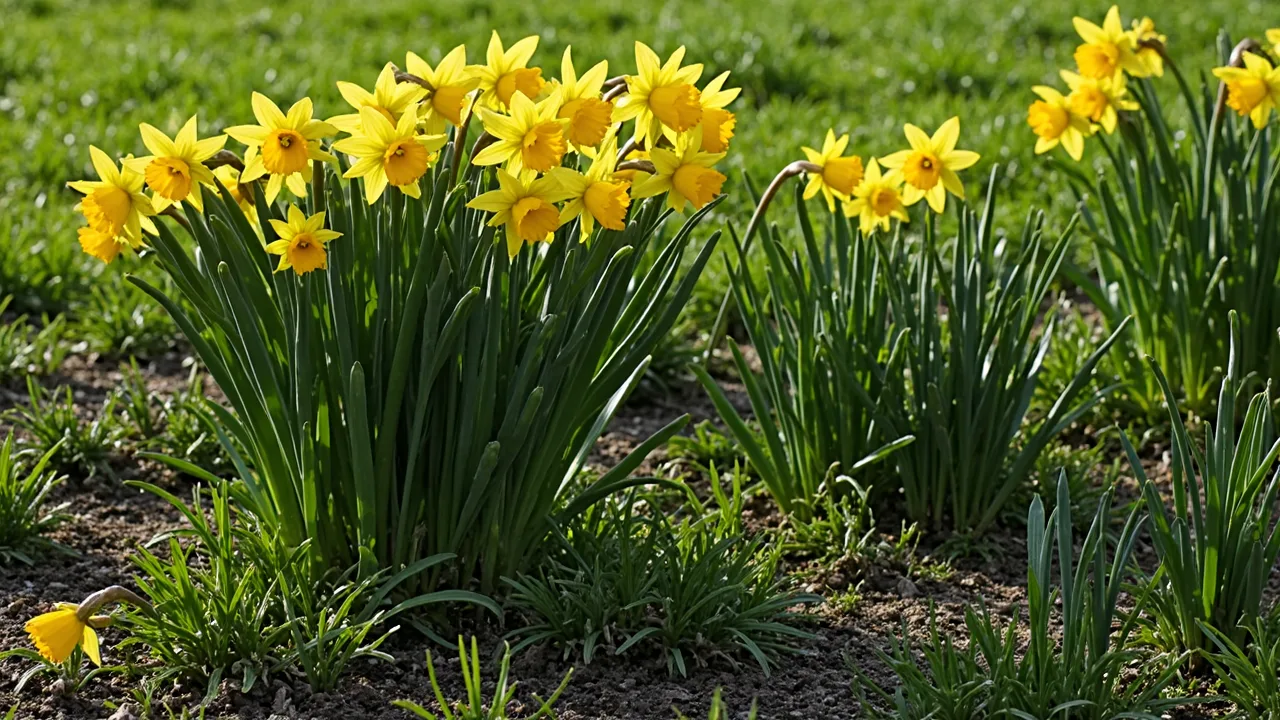
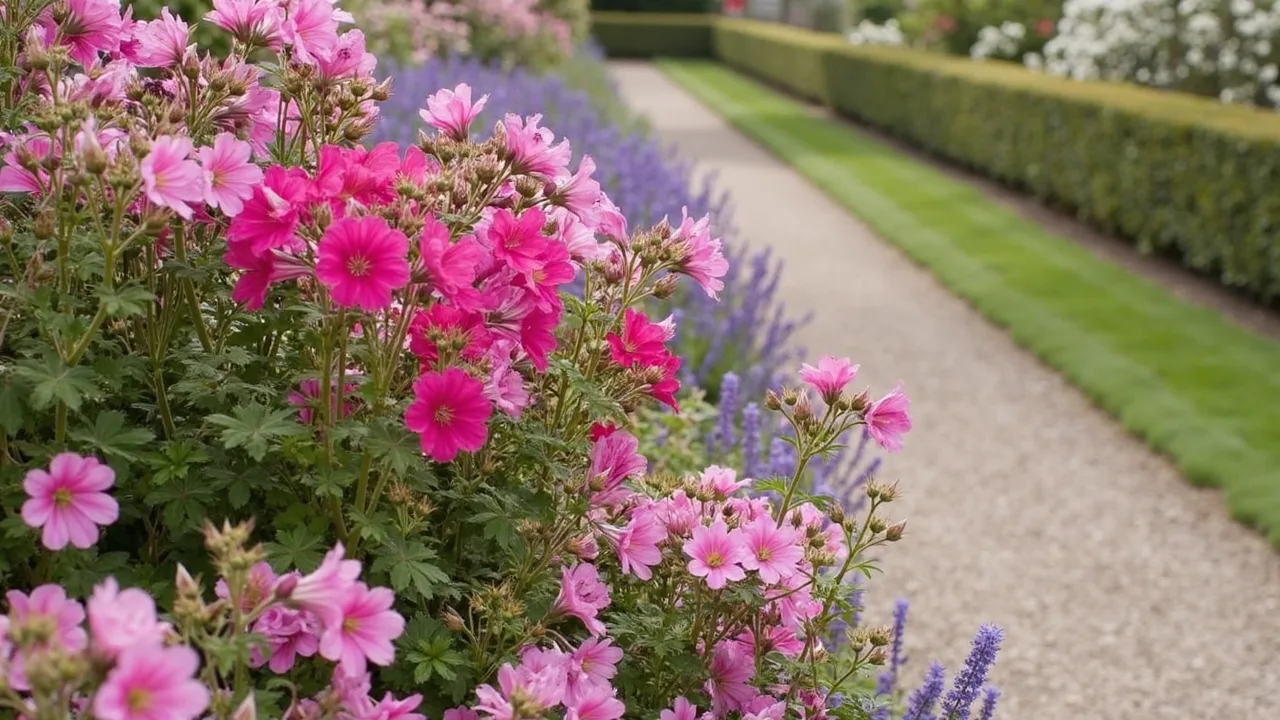
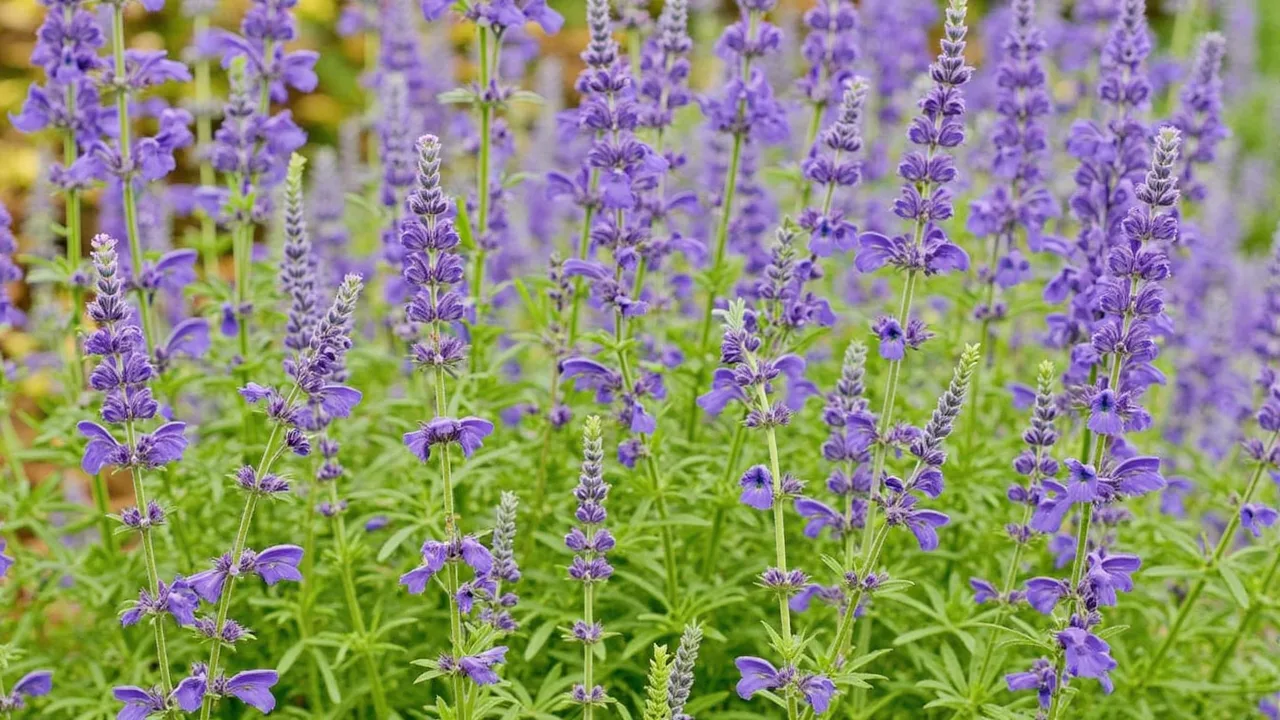
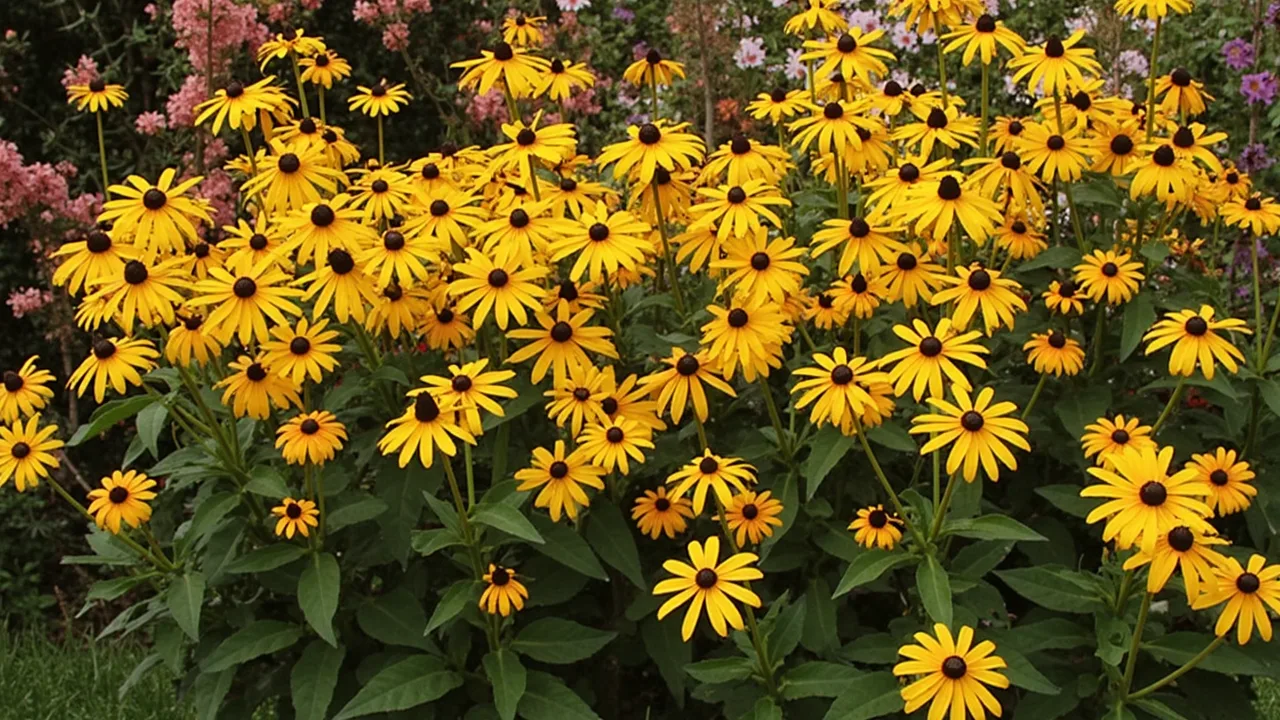
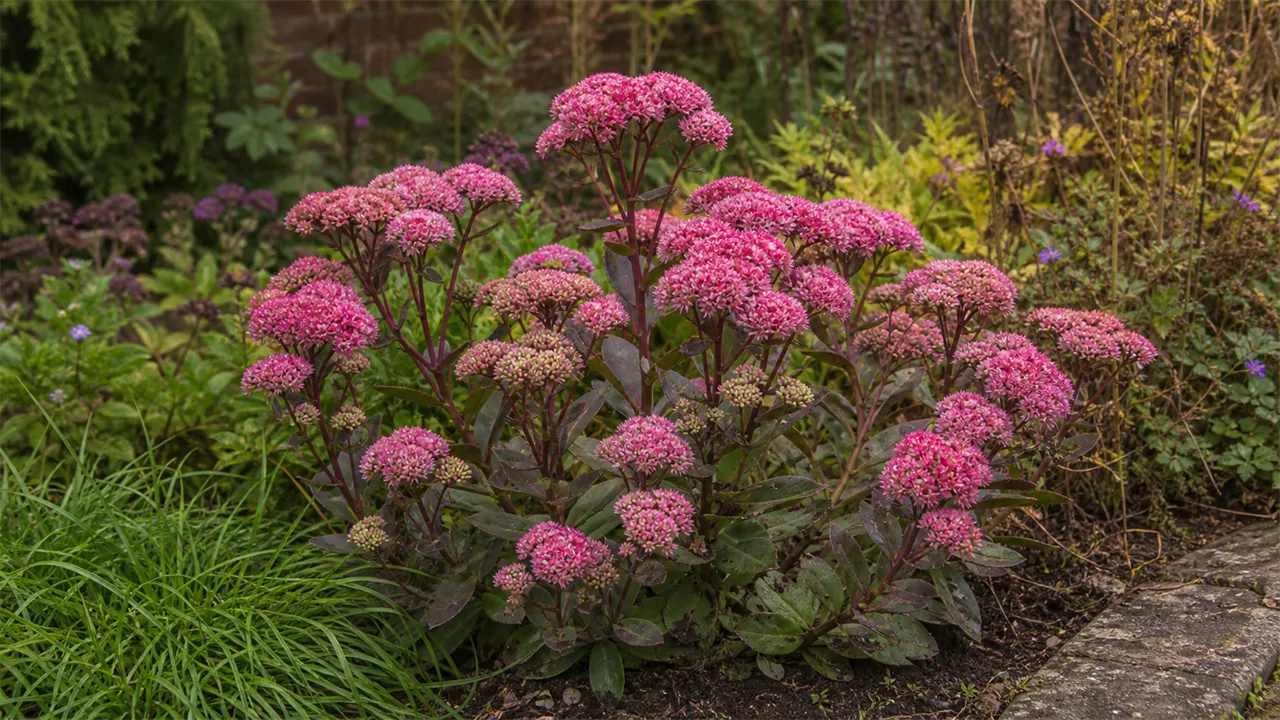
Aim for something in flower from late March to late October. Early performers include pulmonaria, brunnera, epimedium, hellebore and daffodils; mid-season brings geranium, salvia, nepeta, astrantia, hardy geraniums and the first roses; late performers include echinacea, helenium, rudbeckia, aster, japanese anemone and sedum. Plan the border on paper with the months in columns and write each plant into the months it flowers; gaps in the column show where you need to add or substitute.
4. Layer plants by height
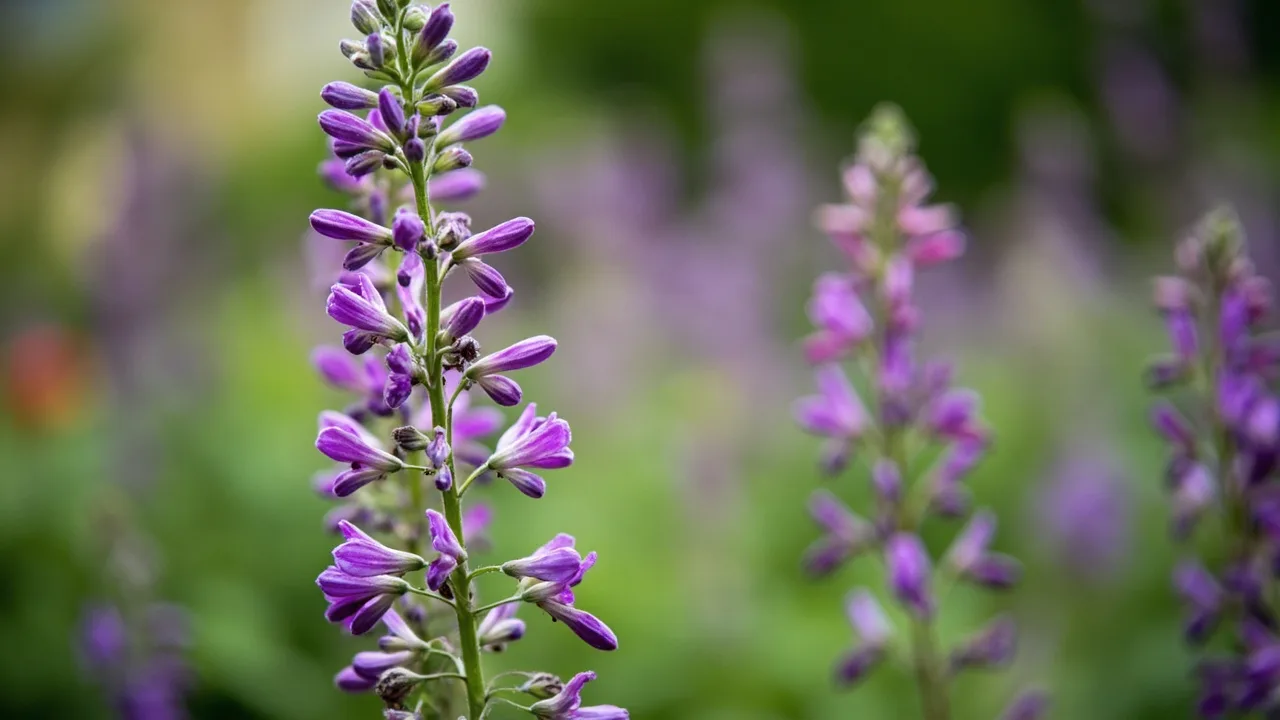
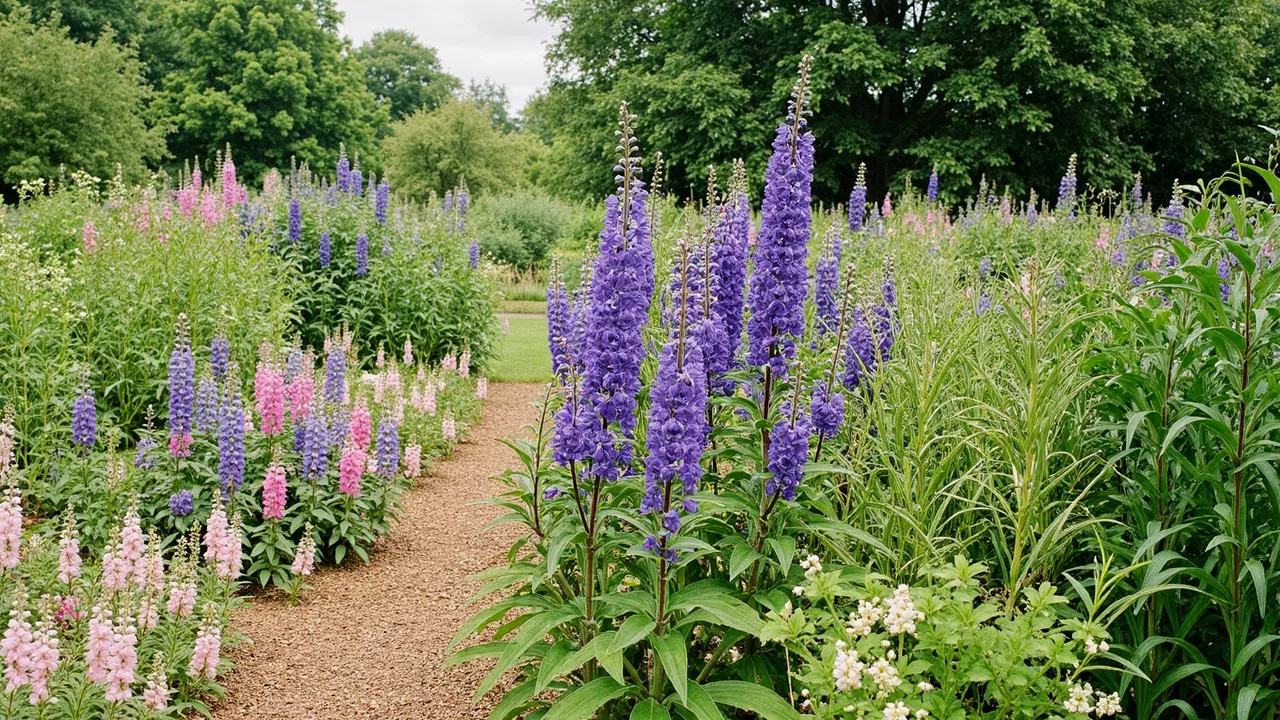
The traditional rule is tallest at the back, shortest at the front, but in an island border (visible from both sides) the tallest plants sit in the centre. For a 2 m deep border backed by a fence or hedge, allow 60–90 cm at the back for tall plants (delphinium, aster, helenium), 60–90 cm in the middle for mid-height (salvia, geranium, achillea, nepeta), and 60 cm at the front for low growers (alchemilla, hardy geranium, geum, heuchera). Set the tallest plants forward if you want to be able to see the back of the border from a path behind it.
5. Group plants in drifts
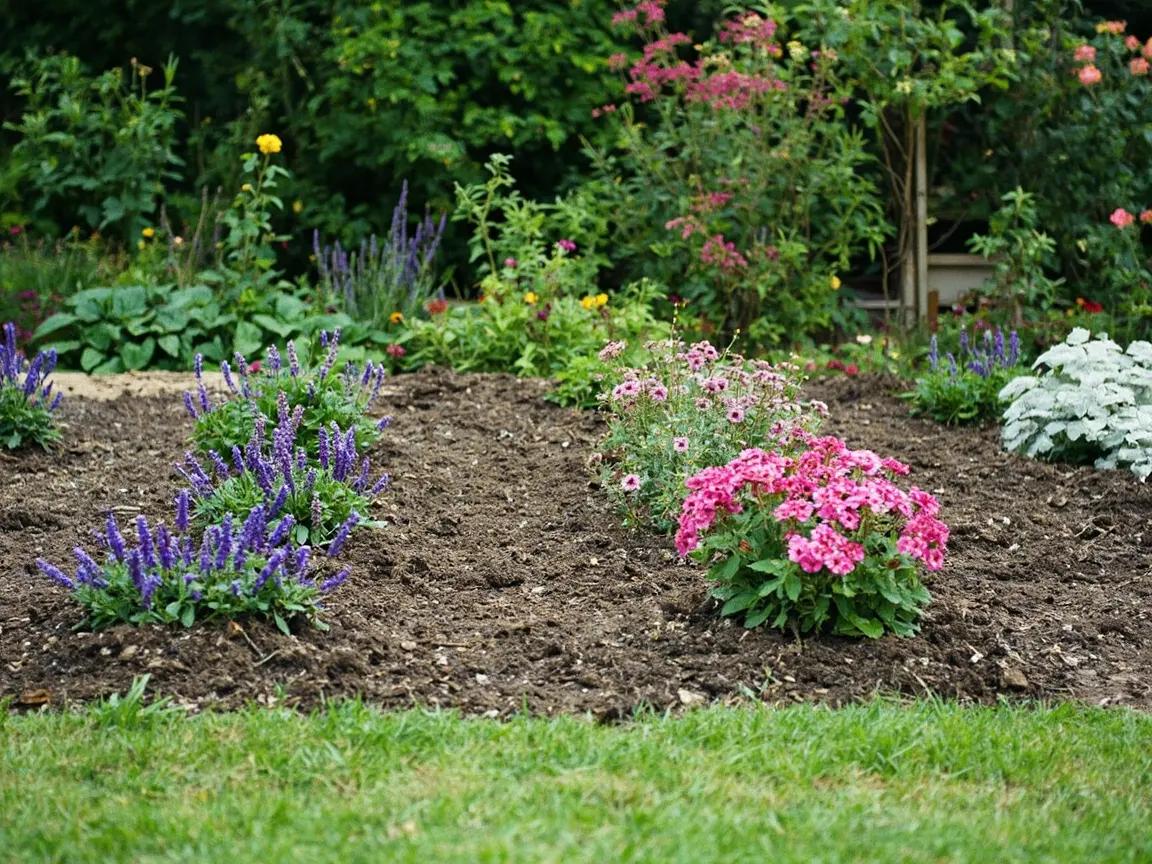
The single biggest mistake beginners make is buying one of each plant and dotting them around. Plant in drifts of three, five or seven of each kind, depending on the size of the border and the plant. Three of a kind is the minimum for visual impact; five to seven looks generous and natural. Within a drift, space the plants evenly and stagger them slightly so they don't form a regular grid.
6. Prepare the soil before planting
Clear the bed of perennial weeds, especially bindweed, ground elder and couch grass — these will come back through your new perennials within a season if you do not get them out now. On heavy clay, work a 5 cm layer of grit and a 5 cm layer of garden compost into the top spit; on light sand, work in garden compost to help it hold moisture. Rake to a level surface and water the bed a day before planting so the soil is moist but not waterlogged.
Aftercare
Water new plantings deeply once a week through their first summer, even in showery weather — a light shower wets only the surface. Mulch with garden compost or bark after planting to keep the soil moist and suppress weeds. Cut back the old top growth of herbaceous plants in late winter (February) before new growth pushes up; leave the seedheads on later-flowering plants through autumn for structure and to feed birds. Divide overgrown clumps every three to four years in autumn or spring to keep the plants vigorous. Stake tall growers (delphinium, aster, helenium) with grow-through supports in early summer before they need them.
Common Mistakes
Buying plants before planning
A plan made on paper is far cheaper than one made at the garden centre. You will always spot a plant you want that doesn't fit, and you'll either waste the slot or compromise the design. Finalise the list before you buy.
One of each plant
Dots of single plants never read as a border. They look like a collection. Plant in drifts of three, five or seven of each kind for a designed, settled look from the first season.
Ignoring the soil
A plant that loves free-draining soil will rot in clay within a year; one that needs moisture will wilt on sand in July. Match the plants to your actual soil, or change the soil to suit the plants you want. Either works; pretending the soil is something it isn't never does.
Choosing plants that all flower in July
A border in full flower in July and empty in May and September looks tired for most of the year. Plan across the season and aim for something in bloom in every month from March to October.
Putting tall plants at the front of a border viewed from one side
If your border is backed by a fence or hedge and viewed from one direction, tall plants at the front hide everything behind them. Keep tall plants to the back of a one-sided border, or to the centre of an island bed.
Skipping the first-year watering
Even drought-tolerant perennials need regular watering in their first summer while the roots establish. A border planted in May and left unwatered through a hot July will look thin and patchy the following year. Water deeply once a week through the first summer, more often in heatwaves.
Plants in this guide
Recommended Products
GardenWizz earns a commission from qualifying purchases made through affiliate links on this page (including links within the article) — as an Amazon Associate, and from Thompson & Morgan via the Awin network. This does not affect the price you pay. See our disclaimer for details.
Related Articles
More → Growing Guide
How to grow ornamental grasses in pots
5 August 2026Grow ornamental grasses successfully in containers with advice on pot size, compost, watering, feeding, winter care and long-term maintenance.
 Growing Guide
How to take hardwood cuttings
29 July 2026Take hardwood cuttings from suitable dormant shrubs and climbers with this step-by-step guide to timing, preparation, rooting and aftercare.
 Growing Guide
How to Sow Sweet Peas for Strong, Early Flowers
28 July 2026This route protects the roots from unnecessary disturbance and gives the developing shoots something to climb before they begin to flop.