
How to Get Rid of Broadleaf Dock
Broad-leaved dock (Rumex obtusifolius) is one of the most common perennial weeds of UK lawns, borders and allotments. It grows from a long, fleshy taproot and a single mature plant can shed many…
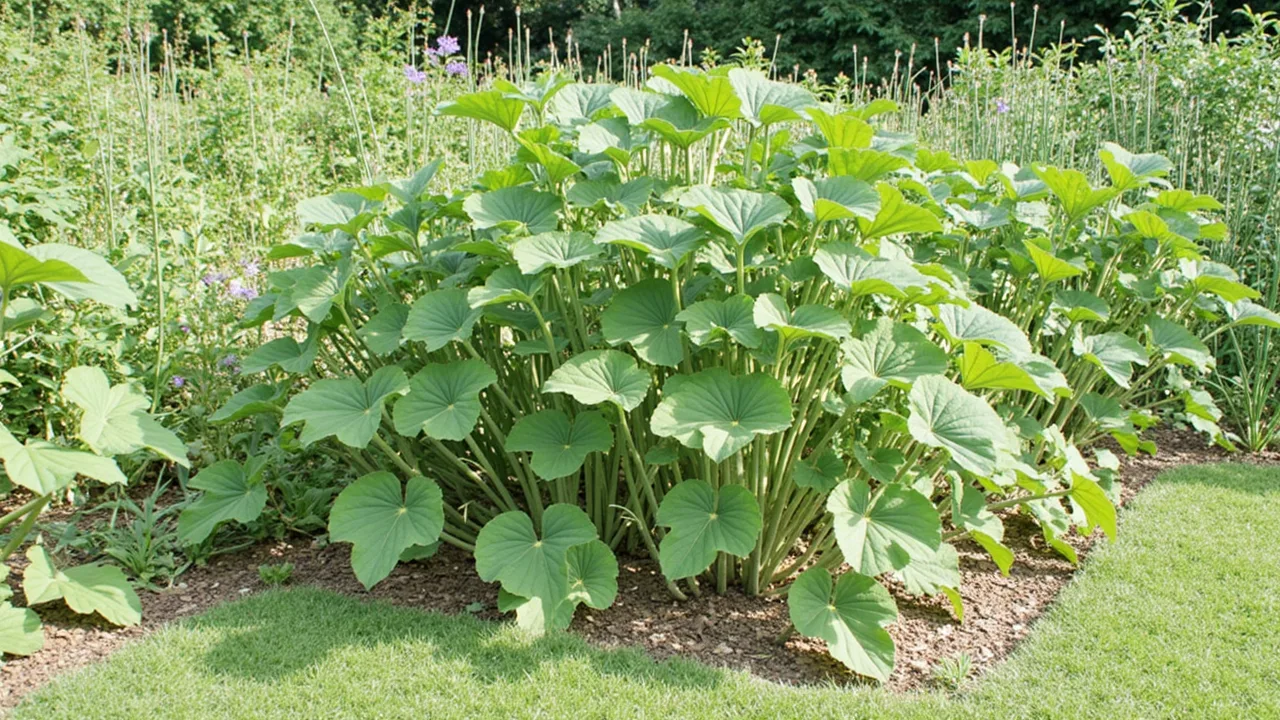
Broad-leaved dock (Rumex obtusifolius) is one of the most common perennial weeds of UK lawns, borders and allotments. It grows from a long, fleshy taproot and a single mature plant can shed many thousands of seeds that stay viable in the soil for decades. The combination of a deep root that regrows from fragments and a huge seed bank is what makes dock so persistent. This guide covers how to clear it — the priorities are removing the whole taproot and never letting it seed.
How to identify it
Dock forms a rosette of large, broad, oval leaves with slightly wavy edges, often reddish at the base, that can reach 25 cm long. In summer it sends up a tall stem carrying dense clusters of small green flowers that turn rusty brown as the seeds ripen — the dried seed heads persist through winter. Below ground is a thick, branching yellow-orange taproot that can descend well over half a metre.
How to get rid of broadleaf dock
Dig out the taproot. The reliable organic method is to dig down and lever out the entire taproot with a fork or a long-bladed dock spade. The root snaps easily and any piece left behind — even a few centimetres — will regenerate, so dig wide and deep and remove the whole thing. Young plants are far easier to lift than established ones, so act early.
Never let it seed. If you can do nothing else, cut off the flowering stems before the seeds ripen and brown. This prevents thousands of new seeds reaching the soil and steadily reduces the problem over time. Bag the seed heads rather than composting them.
Repeated removal. Where digging the full root is impractical, cutting or pulling the top growth repeatedly through the season gradually exhausts the root reserves, though it is slower than full extraction.
Weedkiller. For heavy infestations, spot-treat the rosettes with a glyphosate-based weedkiller when they are growing strongly, or use a selective lawn weedkiller (containing ingredients such as 2,4-D or dicamba) to clear dock from turf without harming the grass. Follow the label and treat actively growing plants for best uptake.
Stopping it coming back
Because the seed bank is so long-lived, the key is to remove plants before they ever flower and to keep soil covered. Mulch bare ground, maintain a dense lawn sward, and hoe off seedlings while small. Disturbed, compacted or over-grazed ground favours dock, so improving soil structure and avoiding bare patches reduces re-establishment.
When to call a professional
Dock is almost always a do-it-yourself job. Only a badly infested paddock or a neglected plot riddled with mature plants is likely to justify professional treatment — and even then the same principles apply: kill or lift the roots, and stop the seeding.
Recommended Products
GardenWizz earns a commission from qualifying purchases made through affiliate links on this page (including links within the article) — as an Amazon Associate, and from Thompson & Morgan via the Awin network. This does not affect the price you pay. See our disclaimer for details.
Related Articles
More →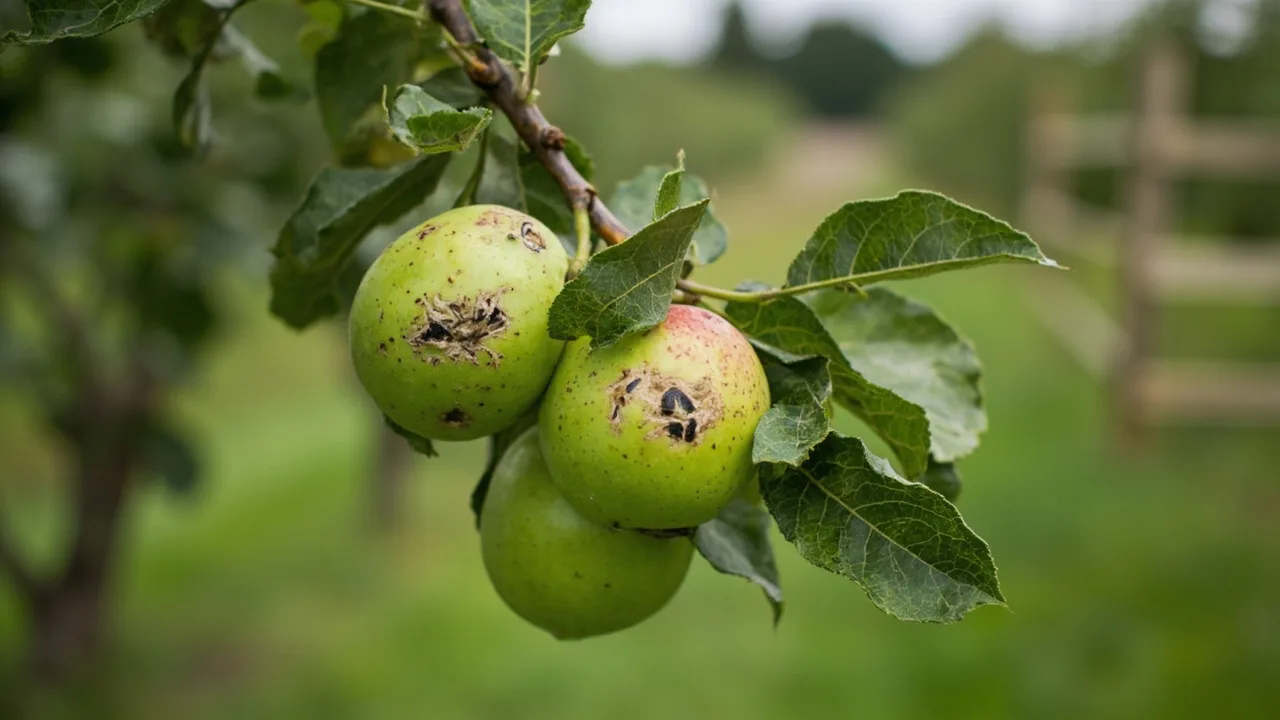 Problem Solver
Apple Scab: How to Identify and Treat It
22 July 2026Apple trees in your garden can be a source of joy, but apple scab can turn your harvest into a disappointing mess of distorted, blackened fruit. This common fungal disease, caused by Venturia…
 Problem Solver
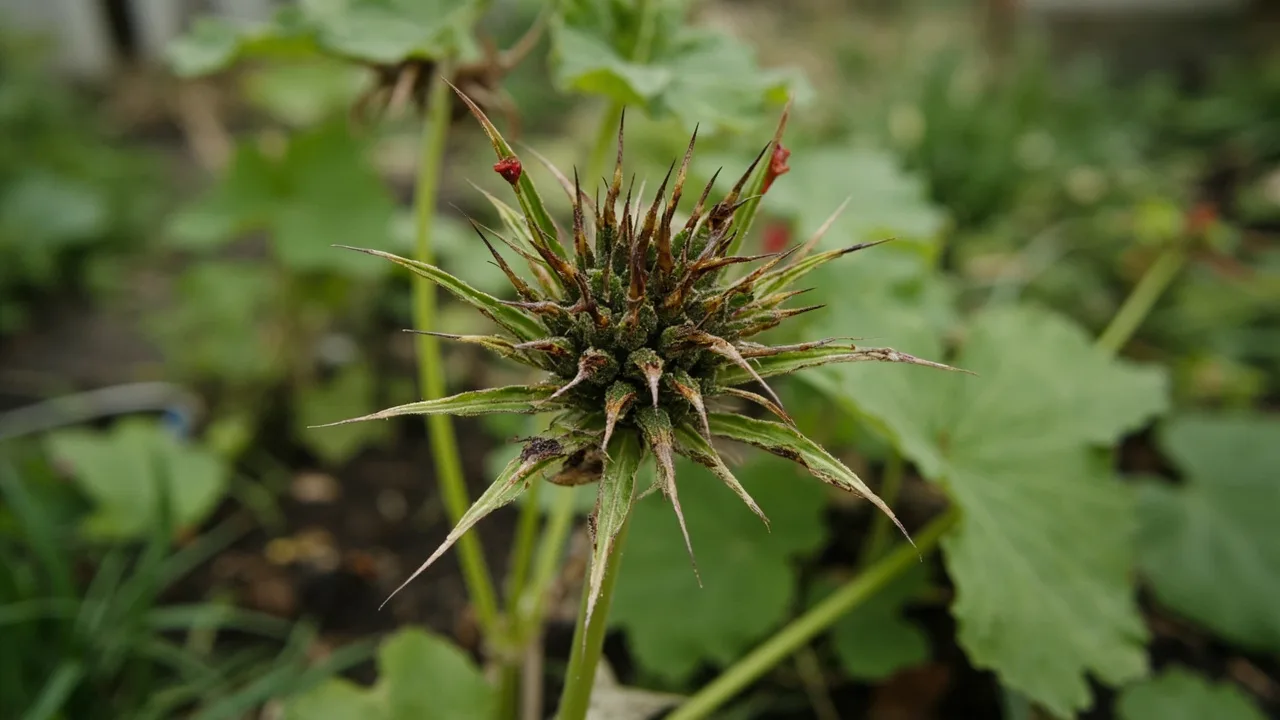
How to Get Rid of Burdock
21 June 2026Lesser burdock (Arctium minus) is a large biennial weed of UK hedgerows, waste ground and the neglected corners of gardens. In its first year it builds a broad rosette and a deep taproot; in its…
 Problem Solver
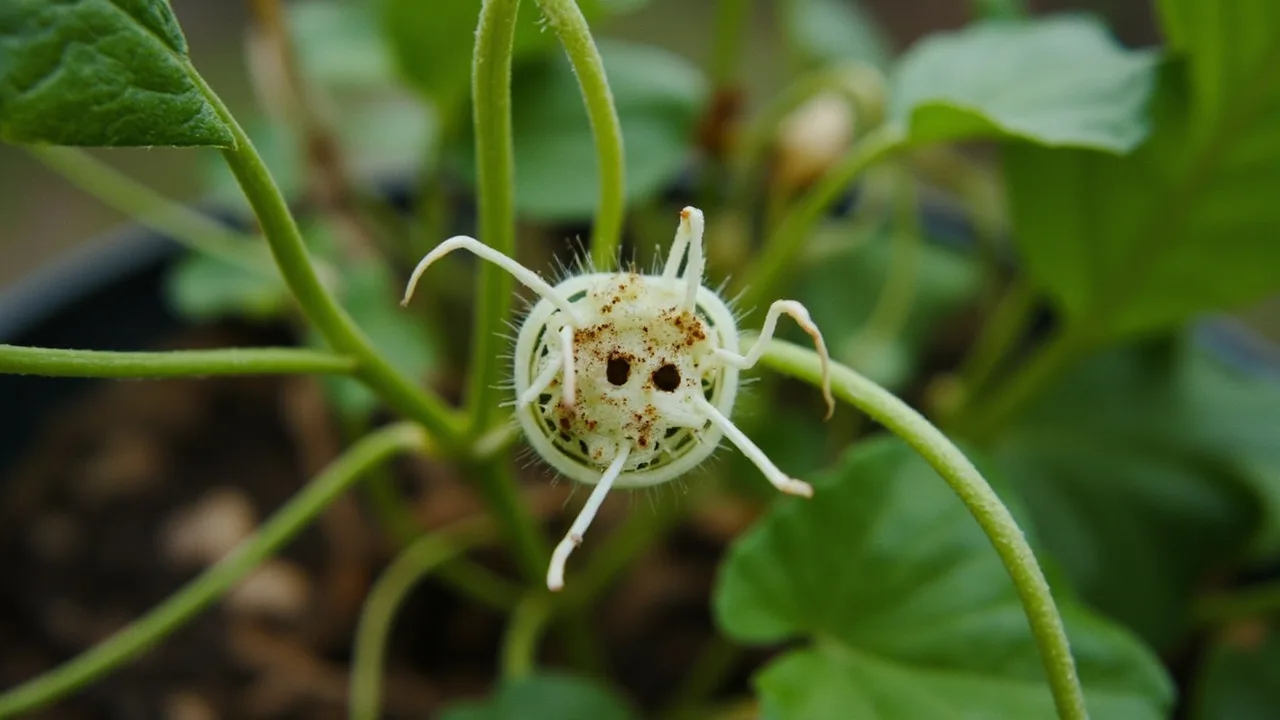
How to Get Rid of White Bryony
21 June 2026White bryony (Bryonia dioica) is a fast-growing perennial climber found scrambling through UK hedges, fences and shrubs, mainly in England. It is Britain's only native member of the cucumber family,…