
Container Gardening for Beginners
Container gardening offers a vibrant solution for UK gardeners with limited space, whether you're on a balcony, patio, or tiny courtyard. It brings colour, fragrance, and fresh produce right to your…
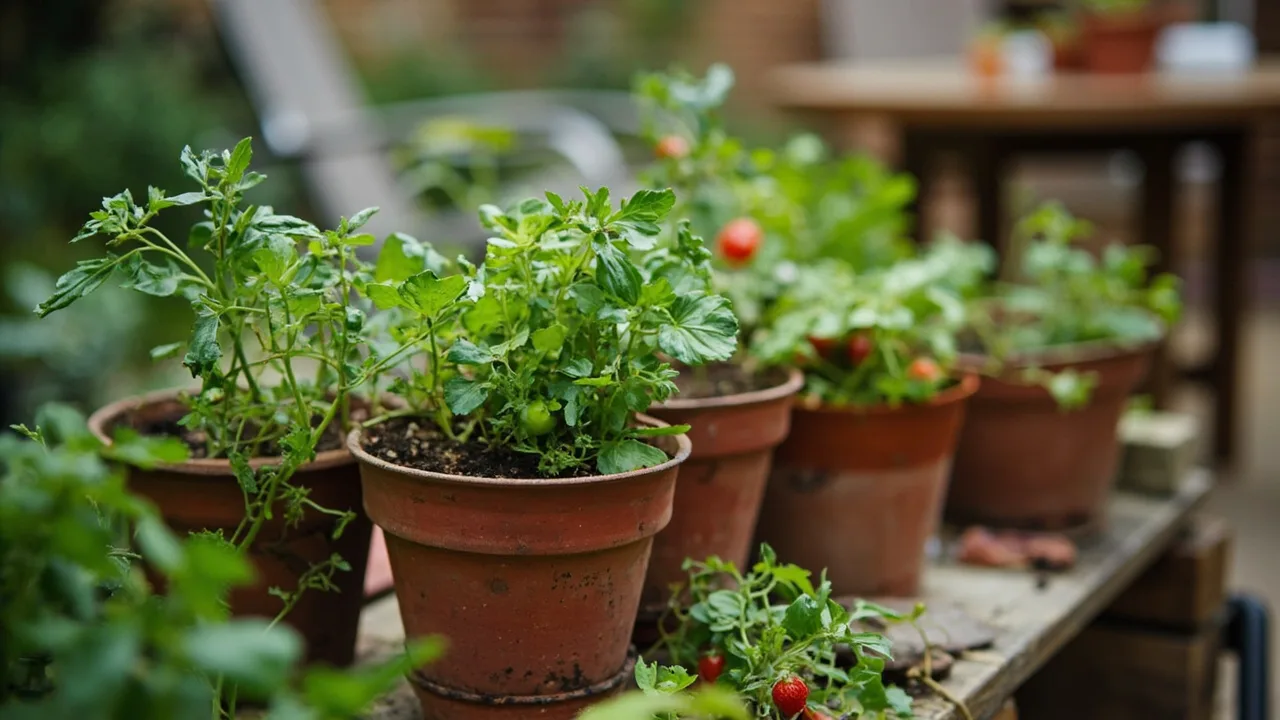
Container gardening offers a vibrant solution for UK gardeners with limited space, whether you're on a balcony, patio, or tiny courtyard. It brings colour, fragrance, and fresh produce right to your doorstep, adapting perfectly to our variable climate. This guide cuts through the confusion, giving you clear, actionable steps to succeed from your first pot onwards, using proven UK practices and avoiding common pitfalls.
Choosing Your Vessel: Beyond Just a Pot
Selecting the right container is crucial for your plants' health and your own sanity. Prioritise pots with drainage holes – standing water is the fastest route to root rot, especially in our damp UK autumns and winters. Terracotta and unglazed ceramic are excellent choices as they breathe, helping prevent waterlogging, though they dry out faster in summer sun. Plastic and modern composite pots retain moisture better, ideal for beginners or those with busy schedules, but ensure they have adequate drainage. Avoid using old buckets or containers without holes; you'll need to drill them yourself, using a 10mm drill bit for a few holes in the base. For a typical UK balcony in London or the South West, a 30cm diameter terracotta pot suits most herbs, while a 45cm+ pot is essential for a single tomato plant like 'Tumbling Tom' or 'Sungold' to thrive. In Scotland or Northern England, where winds are stronger and temperatures cooler, opt for slightly deeper pots (35cm+) to retain moisture longer, especially for moisture-loving plants like mint or chives. Remember, a pot’s depth matters as much as its width – a 25cm deep pot holds significantly more moisture than a shallow 15cm one, reducing the need for daily checks in cooler, wetter regions.
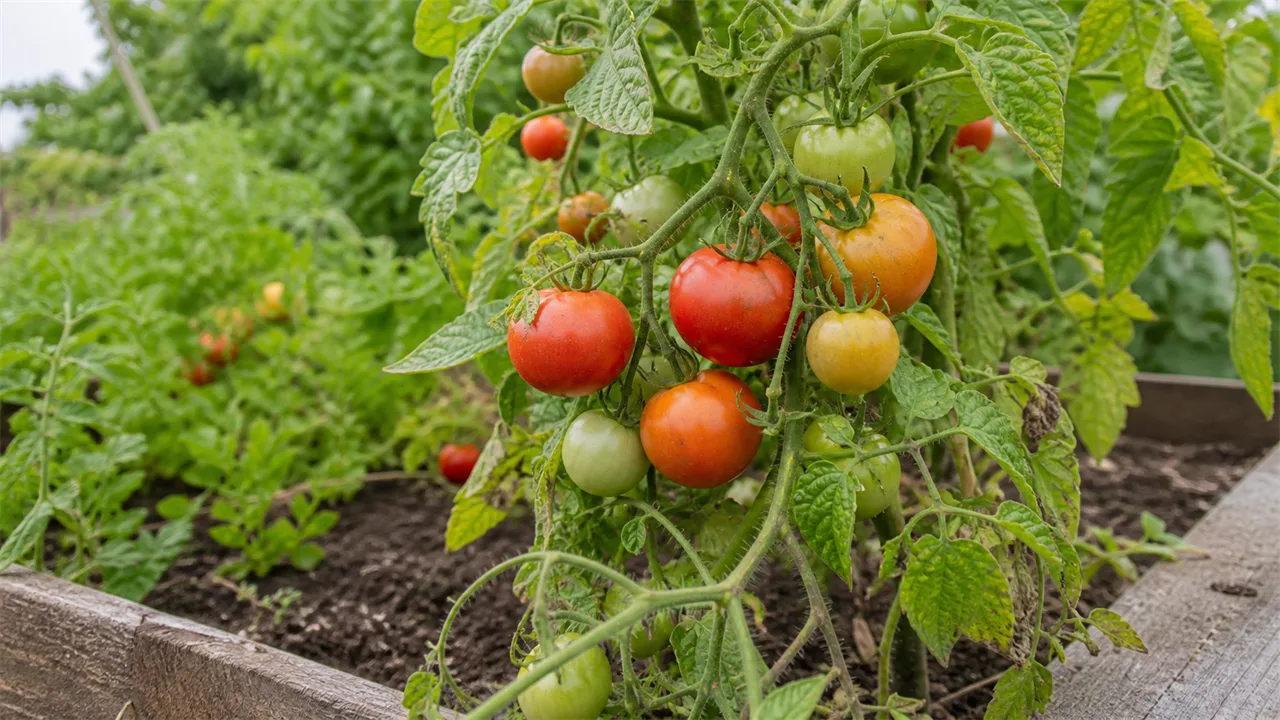
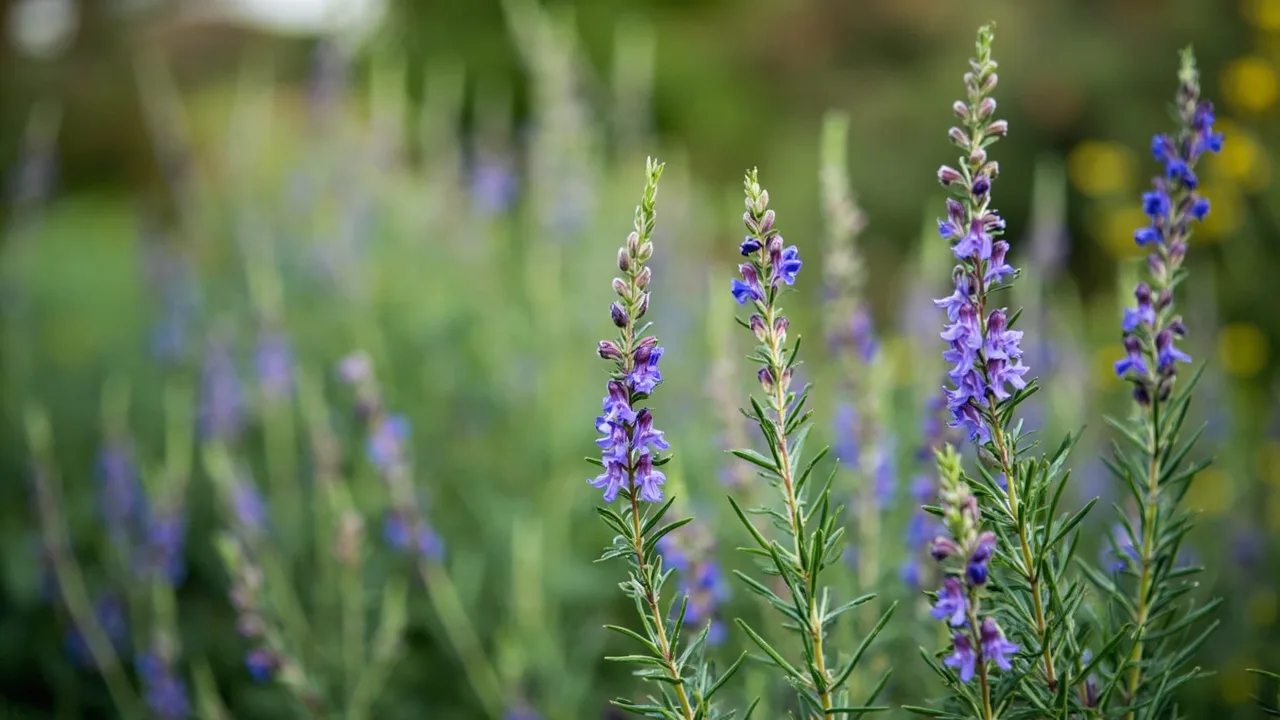
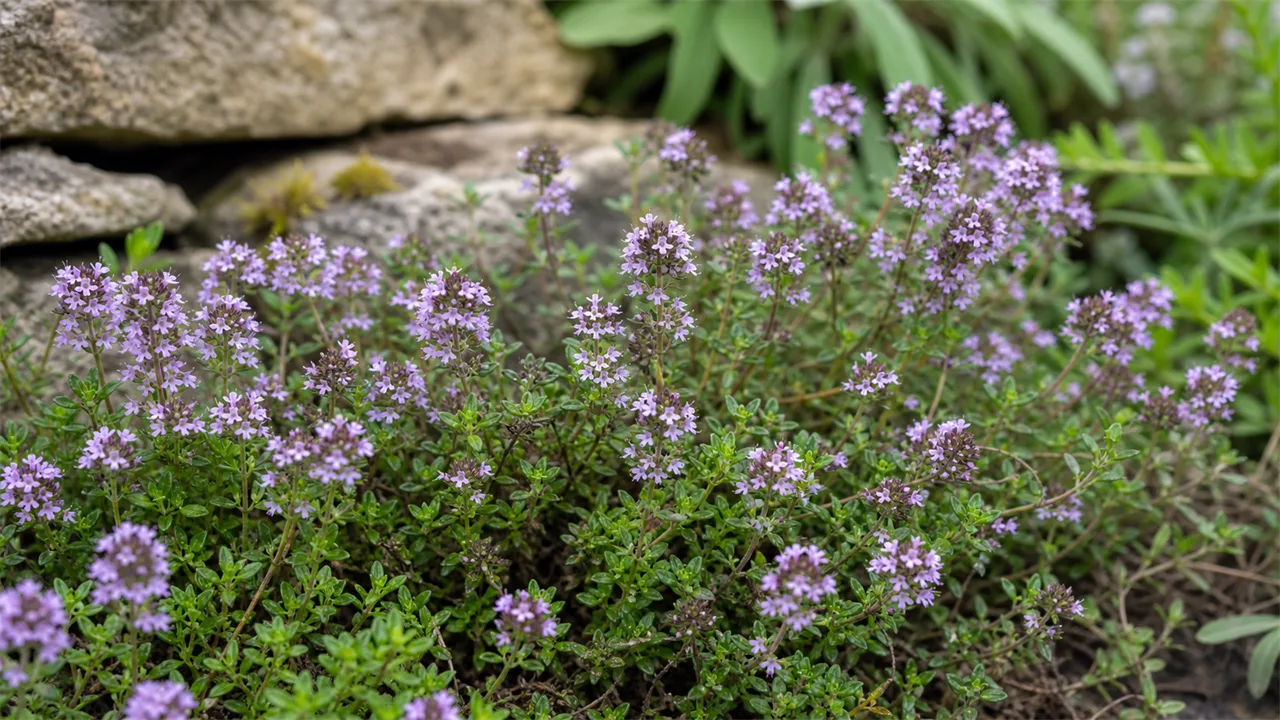
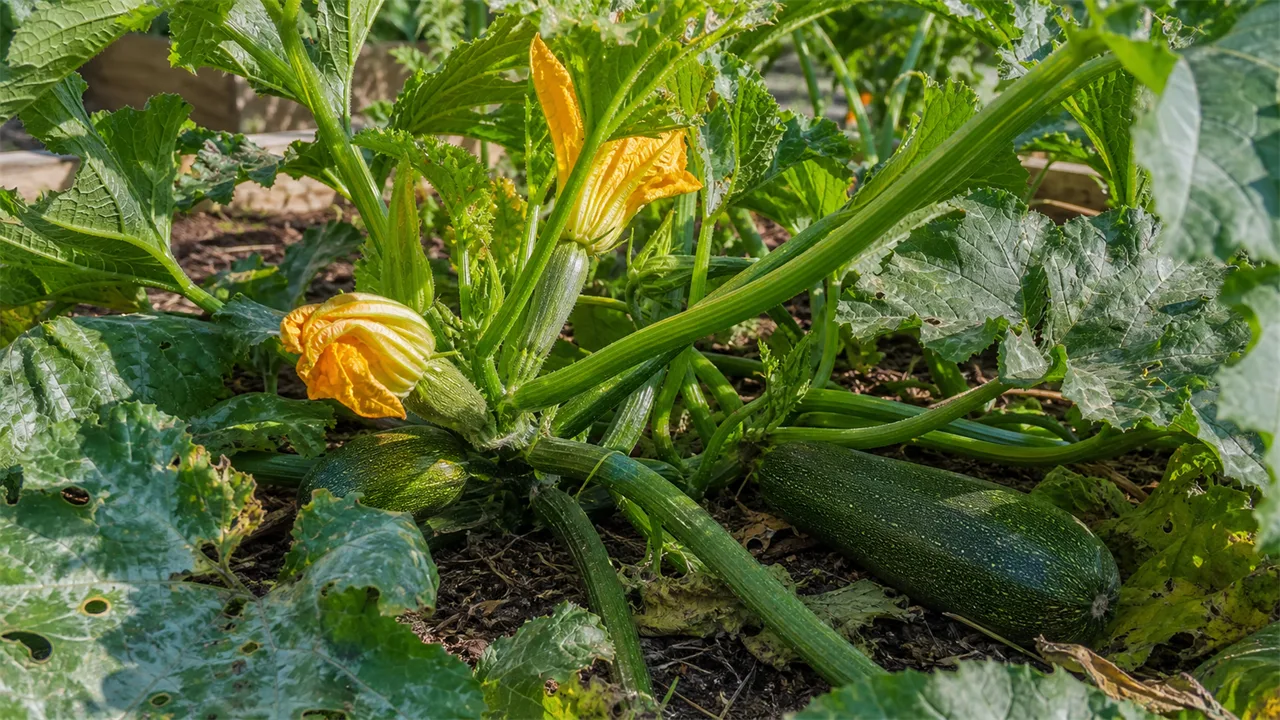
- Size Matters: For herbs like rosemary or thyme (ideal for a sunny south-facing London balcony), a 20cm diameter pot suffices for one plant. For a single lettuce plant (e.g., 'Oakleaf' or 'Salad Bowl'), a 30cm pot is perfect. Tomatoes require at least 40cm diameter and 35cm depth – a 45cm pot is better for 'Tumbling Tom' in a hanging basket. Courgettes need a 40cm+ pot with deep soil (at least 30cm) to support their root system.
- Material Considerations: Terracotta dries quickly – perfect for Mediterranean herbs like rosemary in a sunny London spot but needs daily checks in July/August. Plastic holds moisture well, reducing daily checks but increasing root rot risk if overwatered; ideal for a north-facing Glasgow patio where evaporation is slower. In coastal areas like Cornwall, where salt spray can damage terracotta, use plastic or glazed ceramic. Always ensure pots have drainage holes – a 10mm drill bit creates sufficient holes for a 30cm pot.
The Essential Soil Mix: Your Foundation for Success
Forget garden soil – it compacts in containers, suffocating roots and causing waterlogging. The UK standard is a high-quality, well-draining multipurpose compost, mixed with up to 30% garden compost or well-rotted manure for nutrients and structure. A reliable blend is 50% multipurpose compost (like John Innes No. 2 or a good peat-free alternative such as 'Loam' by Westland) and 50% garden compost. This ensures good aeration, moisture retention without sogginess, and provides essential nutrients for the first few months. Avoid 'potting mix' alone; it's often too light and lacks the necessary nutrients for sustained growth. Crucially, never add garden compost to alter pH – it has negligible effect. For acid-loving plants like blueberries, use ericaceous compost (e.g., 'John Innes Ericaceous' or 'RHS Organic Erich' compost) from the start. For alkaline-loving plants like lavender, stick to standard compost. The RHS confirms compost does not significantly alter pH, so rely on lime for raising pH or sulphur for lowering it.
- Why Not Garden Soil? Garden soil is too dense for containers. It compacts, reducing oxygen flow to roots, and often contains pests like vine weevils or diseases that thrive in confined spaces. It also doesn't drain properly, leading to root rot – a common beginner's mistake, especially in UK winters when moisture lingers. A single pot of garden soil can harbour pests that spread to other containers.
- Mixing for Success: For a 30cm pot, use 3 litres of John Innes No. 2 and 1.5 litres of well-rotted garden compost. Mix thoroughly before filling the pot, leaving 5cm space below the rim for watering. For a 45cm pot, scale up to 6 litres of compost and 3 litres of garden compost. Ensure the compost is moisture-retentive but not waterlogged – squeeze a handful; it should hold its shape briefly then crumble. Avoid peat-heavy mixes if possible, as peat extraction harms UK habitats; choose peat-free alternatives certified by the Soil Association.
Mastering Watering: The UK Climate Factor
Watering containers is an art, not a science, heavily influenced by UK weather. The golden rule: water thoroughly when the top 2.5cm (1 inch) of compost feels dry to the touch. In spring and autumn, this might be every 2-3 days; in hot, dry summer weather (e.g., a typical July heatwave), daily checks may be needed, especially for smaller pots in full sun. Conversely, during wet UK autumns and winters (October–February), reduce watering significantly – overwatering is a far more common killer than underwatering. Always water at the base of the plant, not the leaves, to prevent fungal diseases like grey mould, which thrives in damp conditions. For a London balcony in July, a 30cm pot of mint might need watering every day, while a 45cm pot of tomatoes on a sheltered south-facing patio might need it every other day. In Scotland, where spring is cooler and wetter, a 30cm pot of chives might only need watering every 3-4 days in April, compared to every 2 days in the South West.
- Signs of Trouble: Wilting leaves that perk up after watering indicate underwatering. Yellowing leaves, especially lower ones, often signal overwatering. Always check the soil moisture before adding water – insert your finger to knuckle depth. In a typical UK April shower, a pot might not need watering for a week, even if it feels dry on the surface.
- UK Timing Tip: Early spring (February–March) requires less frequent watering than the peak summer months (June–August), even if the weather feels similar, due to lower temperatures and shorter days. Scotland and the north generally need watering 2–4 days less frequently than the South West in spring due to cooler temperatures and slower evaporation. For example, a pot in Edinburgh (March) might need watering every 4 days, while one in Bristol needs it every 2 days.
Top Plant Choices for UK Beginners: Easy & Rewarding
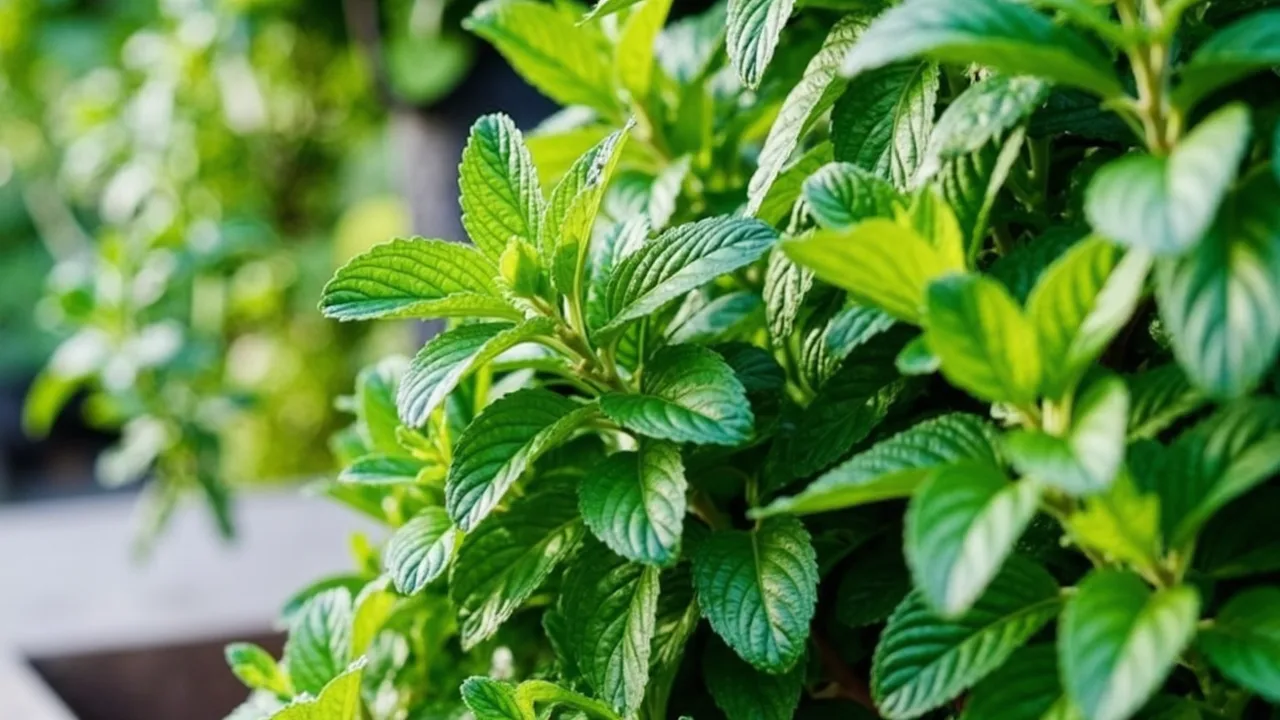
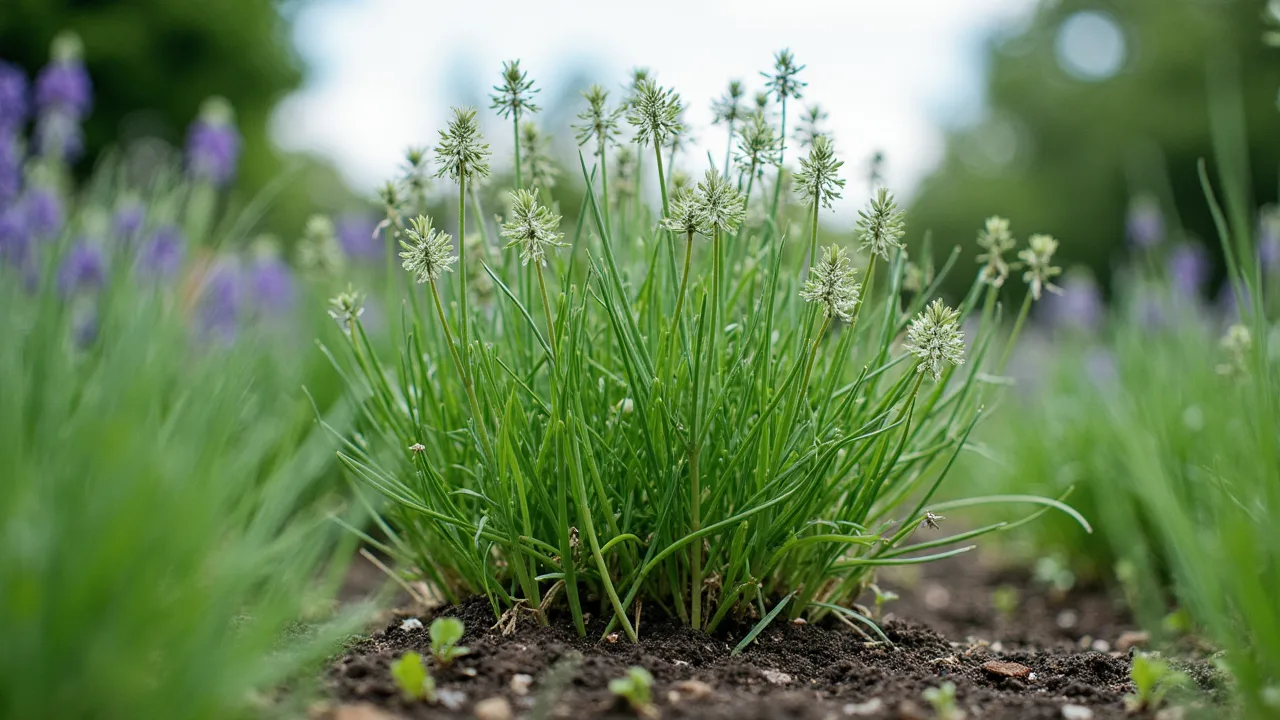
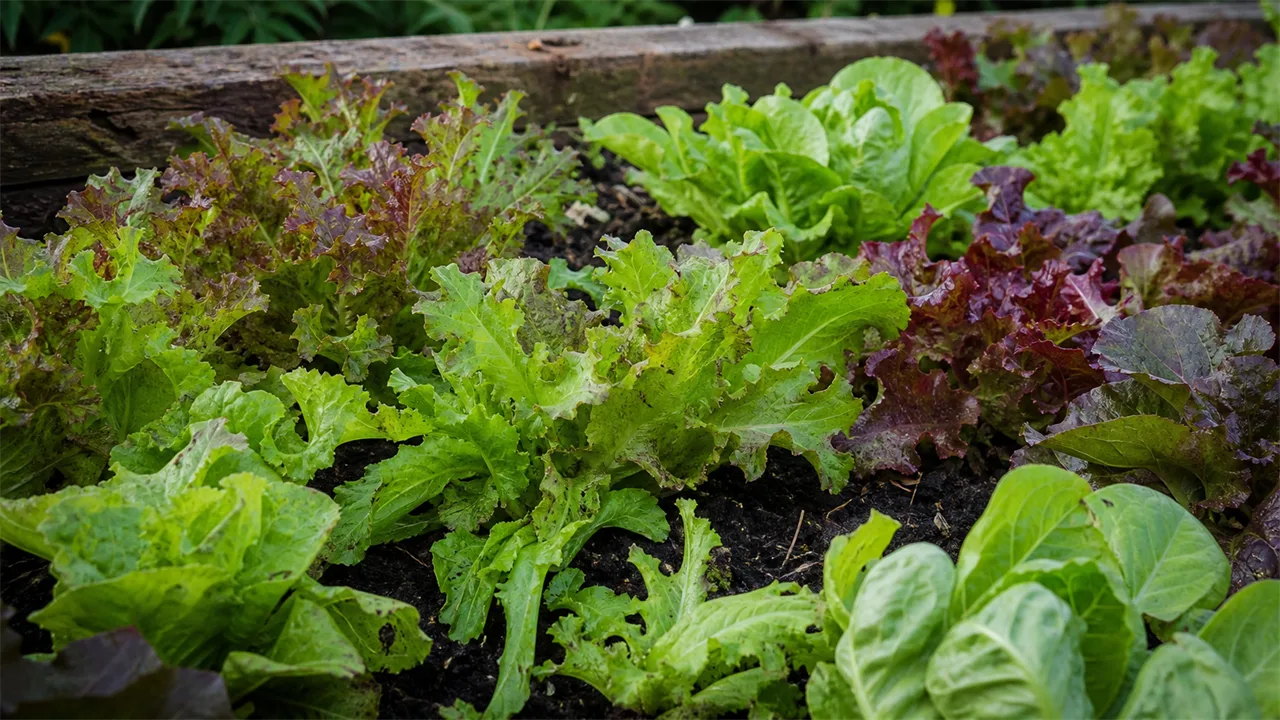
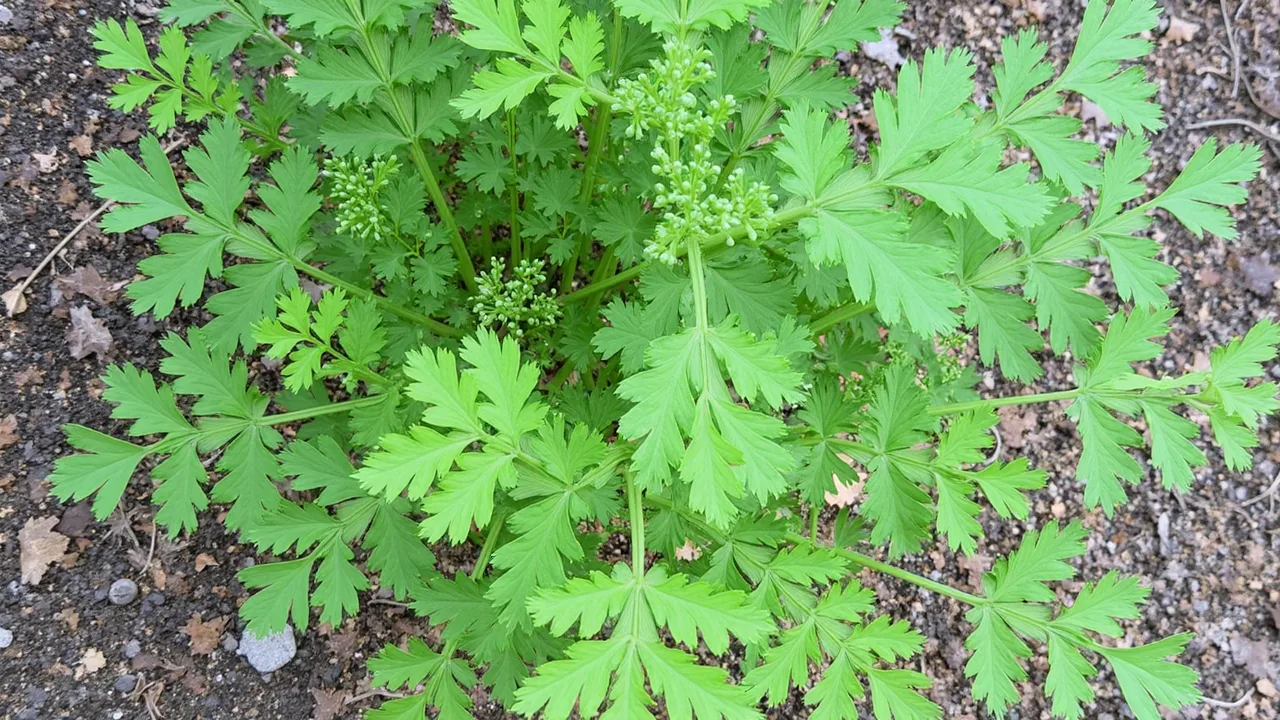
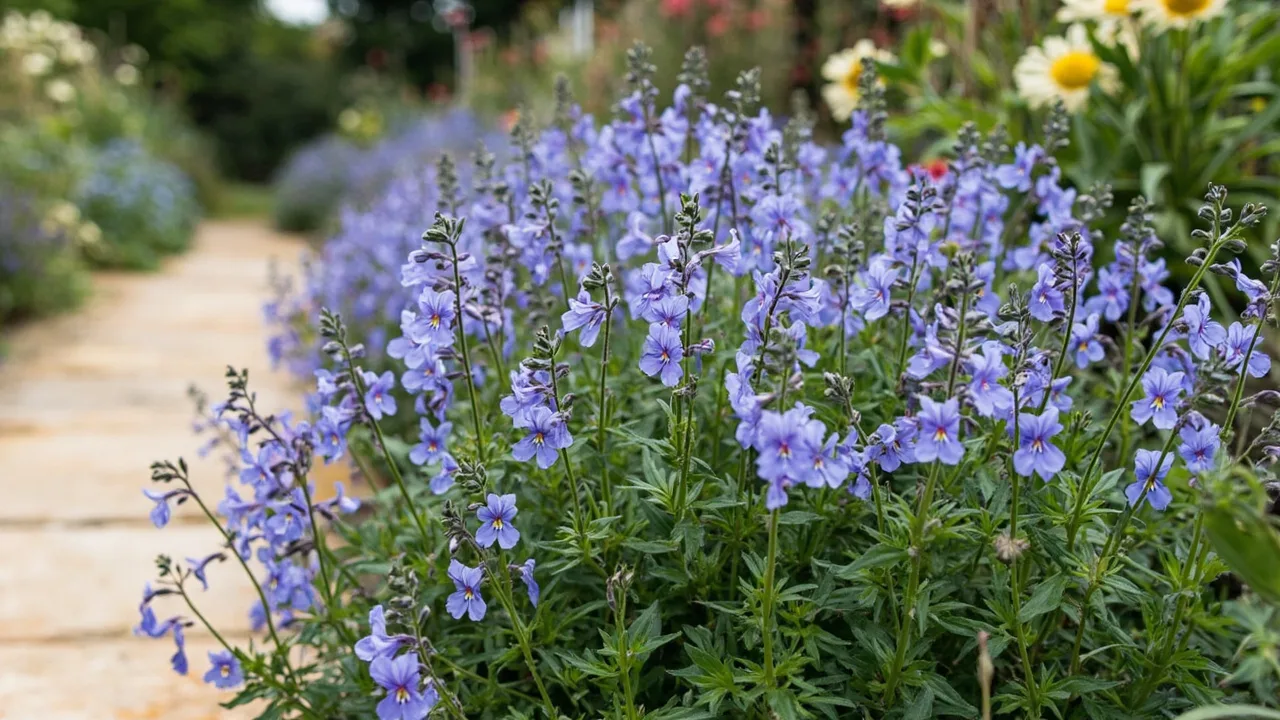
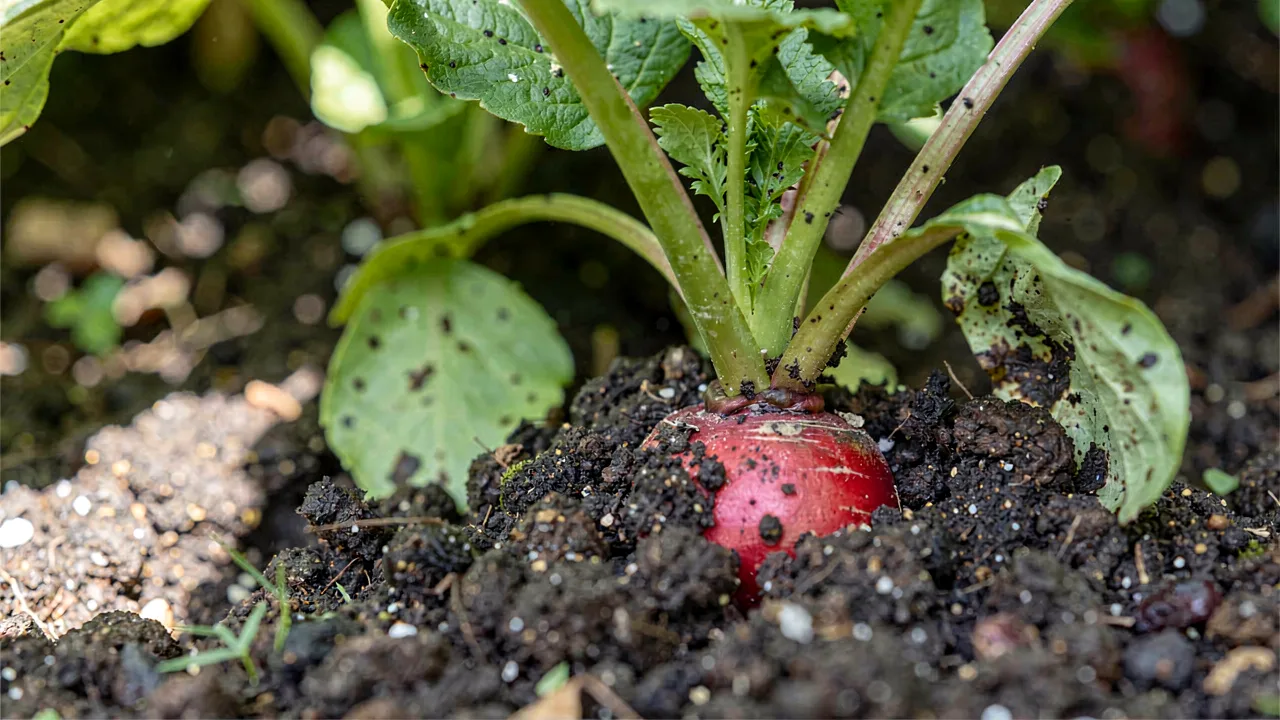
Start simple with resilient, productive plants that thrive in containers and suit our climate. Salad leaves (like 'Oakleaf' lettuce or 'Rocket' rocket) are perfect for early spring sowings (March) and can be harvested in 4–6 weeks. Herbs are essential: chives (Allium schoenoprasum), parsley (Petroselinum crispum 'Hamburg'), and mint (Mentha x piperita – in a separate pot, as it spreads aggressively) are incredibly hardy. For colour, try trailing lobelia (Lobelia erinus 'Blue Wonder') or pansies (Viola x wittrockiana 'Helen' – sow seeds in March for summer blooms). Avoid planting tomatoes or cucumbers in their first year unless you're committed to the extra care they need – stick to the basics initially. For a London balcony, 'Cherry Bomb' radishes (ready in 3 weeks) and 'Parsley 'Hamburg'' are ideal. In Scotland, 'Winter Density' lettuce (sown in September for October harvest) is a reliable choice for cooler months.
- Beginner-Friendly Varieties:
- Herbs: Chives (Allium schoenoprasum), Parsley (Petroselinum crispum 'Hamburg'), Mint (Mentha x piperita - in a separate pot).
- Vegetables: Lettuce (Lactuca sativa 'Oakleaf'), Radish (Raphanus sativus 'Cherry Bomb'), Chives (Allium schoenoprasum).
- Flowers: Pansy (Viola x wittrockiana 'Helen' - sow March), Lobelia (Lobelia erinus 'Blue Wonder' - trailing).
- Toxicity Note: Mint is generally safe for pets but can cause mild stomach upset if ingested in large quantities. Avoid giving plants like lily of the valley (Convallaria majalis) or daffodils (Narcissus spp.) to pets – these are highly toxic to cats and dogs per RHS. Always confirm plant toxicity with the RHS website before planting near pets.
Planning Your Container Year: Seasonal Success
Your container garden should evolve with the seasons. In early spring (February–March), sow hardy salad leaves (e.g., 'Oakleaf' lettuce) and chives directly into pots. As temperatures rise (April–May), transplant seedlings of tomatoes (e.g., 'Tumbling Tom') or beans into larger pots. Late spring (May–June) is ideal for planting summer-flowering containers with bedding plants like petunias (e.g., 'Wave' series) or begonias. In summer (June–August), focus on harvesting (salads, herbs), watering daily in heat, and deadheading flowers to encourage more blooms. As autumn approaches (September–October), replace summer annuals with hardy perennials like heuchera (e.g., 'Purple Palace') or ornamental grasses (e.g., 'Karl Foerster' feather reed grass), and sow winter salads like 'Winter Density' lettuce. Protect tender plants from early frosts with fleece (available from garden centres) – a crucial UK winter tip. For Scotland, delay sowing summer bedding until mid-May, as frost risk persists longer; in the South West, you can sow earlier in April.
- UK Seasonal Checklist:
- February–March (South West), March–April (Scotland): Sow salad leaves, chives, rocket; plant hardy herbs.
- April–May (South West), May–June (Scotland): Transplant tomatoes, beans; plant summer bedding (petunias, begonias).
- June–August: Harvest, water daily in heat; deadhead flowers (e.g., petunias).
- September–October (South West), October–November (Scotland): Plant winter salads, hardy perennials; protect tender plants with fleece.
- November–January: Minimal watering (only if soil is dry); protect containers from harsh frosts with straw or hessian.
Plants in this guide
Recommended Products
GardenWizz earns a commission from qualifying purchases made through affiliate links on this page (including links within the article) — as an Amazon Associate, and from Thompson & Morgan via the Awin network. This does not affect the price you pay. See our disclaimer for details.
Related Articles
More →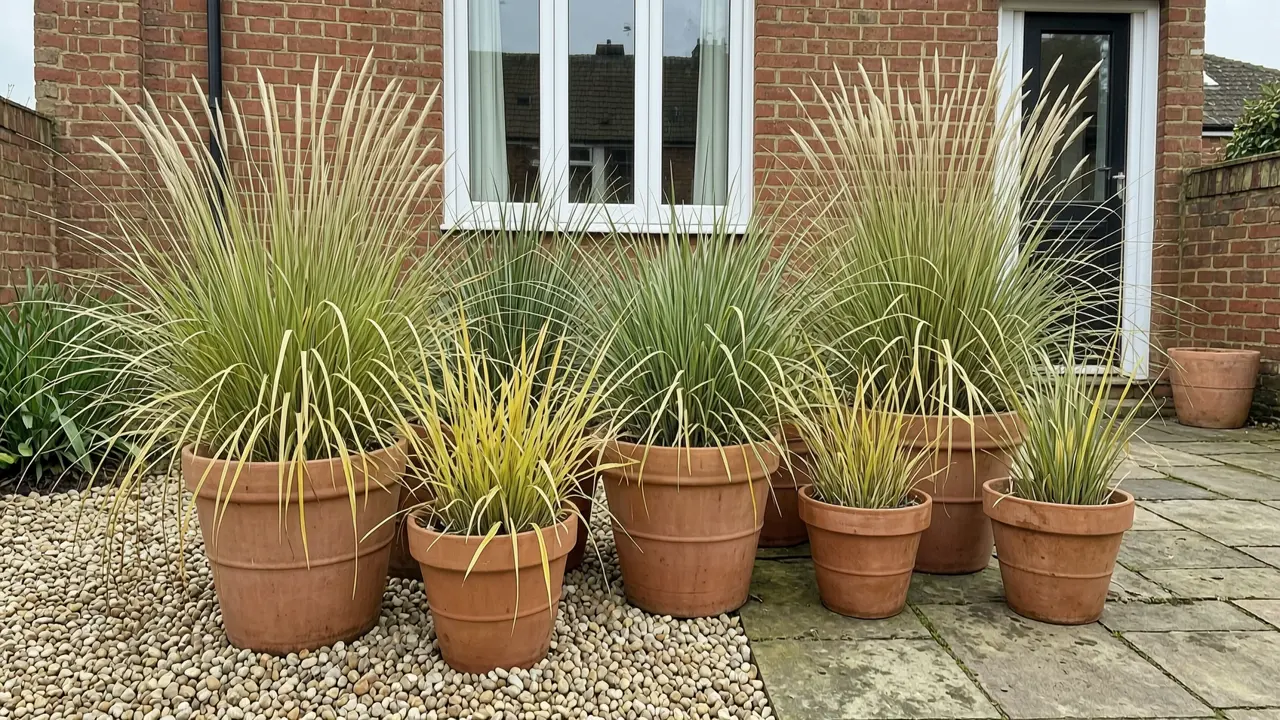 Growing Guide
How to grow ornamental grasses in pots
5 August 2026Grow ornamental grasses successfully in containers with advice on pot size, compost, watering, feeding, winter care and long-term maintenance.
 Growing Guide
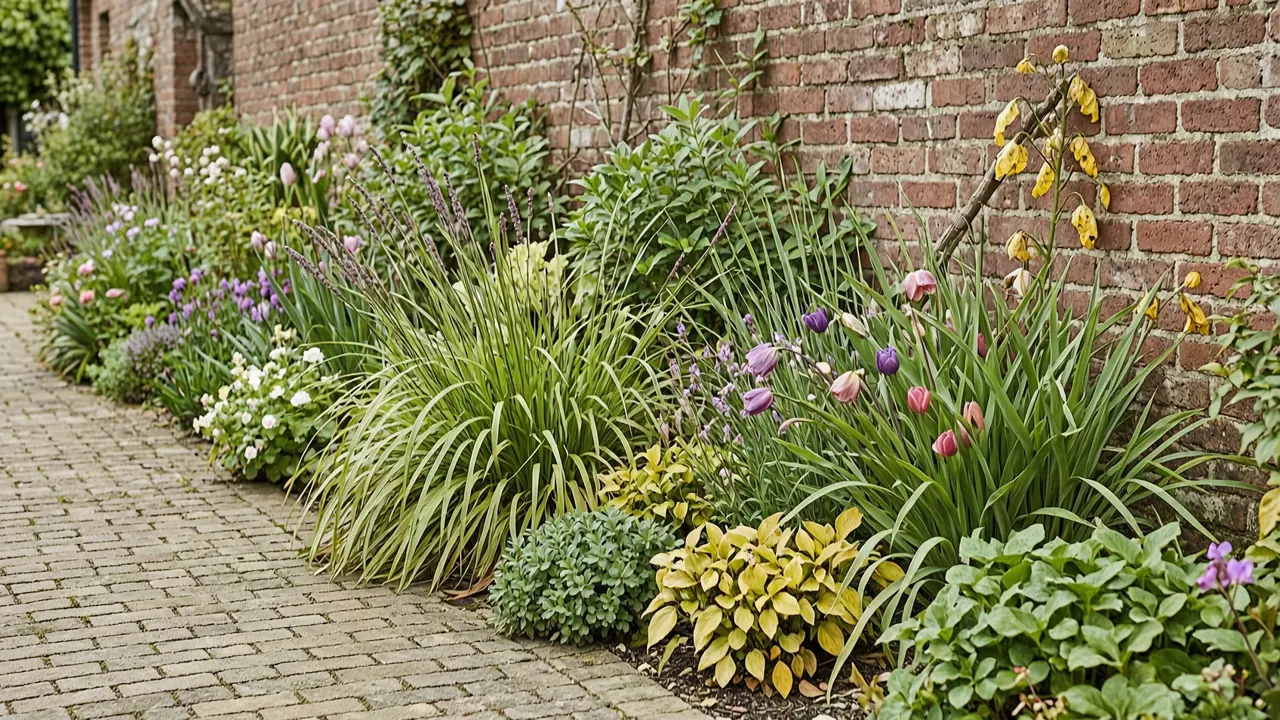
How to plan a perennial border
5 August 2026Plan a balanced perennial border with practical guidance on position, colour, height, spacing, flowering succession and year-round structure.
 Growing Guide
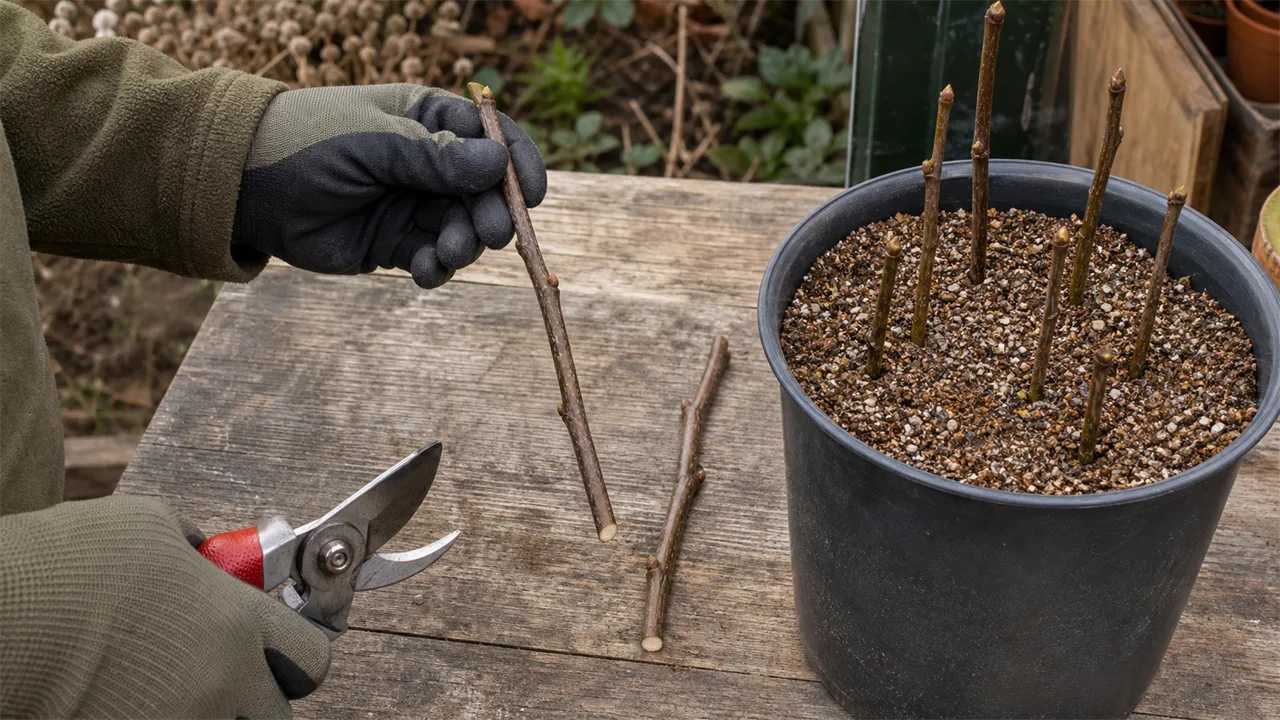
How to take hardwood cuttings
29 July 2026Take hardwood cuttings from suitable dormant shrubs and climbers with this step-by-step guide to timing, preparation, rooting and aftercare.