
How to Grow Broad Beans
Broad beans are a cornerstone of the British vegetable garden, offering reliable yields, nitrogen-fixing benefits, and a delicious, versatile harvest.
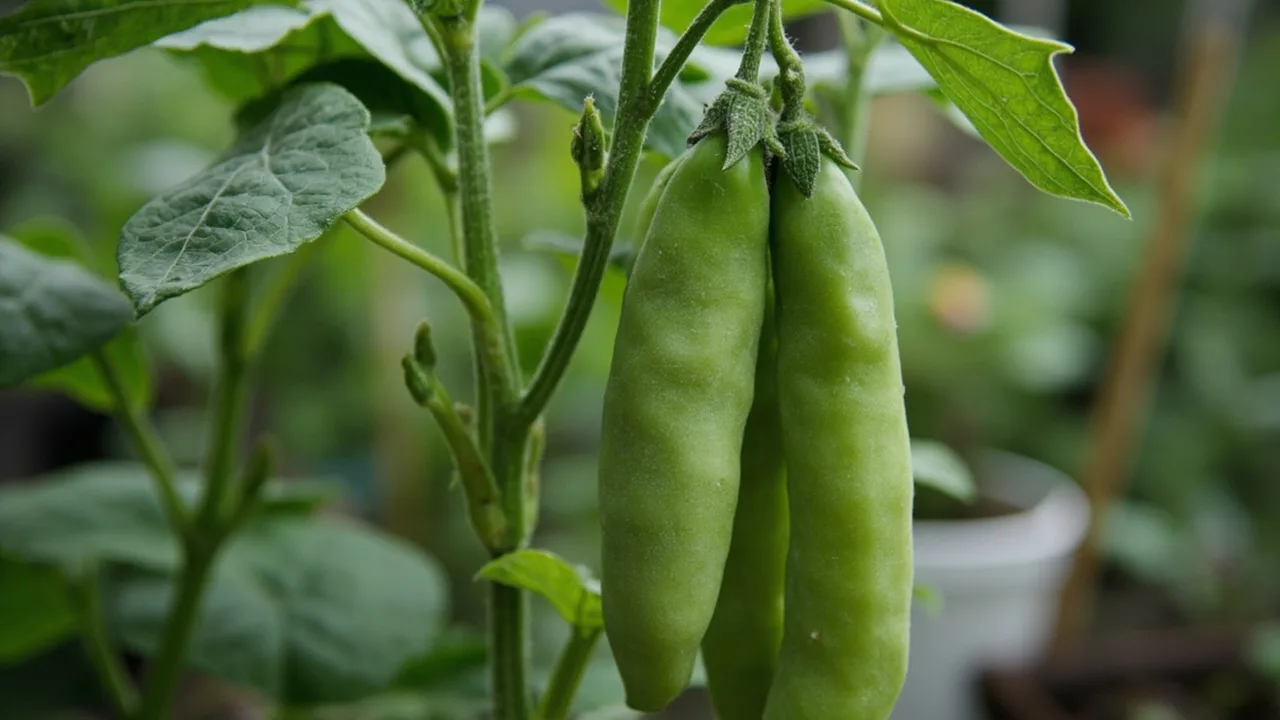
Broad beans are a cornerstone of the British vegetable garden, offering reliable yields, nitrogen-fixing benefits, and a delicious, versatile harvest. Their cold hardiness makes them ideal for early spring planting or overwintering, while their tall, sturdy growth provides structure and attracts pollinators. With the right timing and care, you’ll enjoy tender young pods in spring and plump, mature beans for freezing or drying by late summer.
Choosing the Right Variety for Your Garden
Selecting a suitable variety is key to success in UK conditions. For early harvests and frost tolerance, opt for 'Aquadulce Claudia' (a classic, reliable choice) or 'Aquadulce' (slightly earlier). If you prefer larger, meatier beans for freezing, 'Aquadulce Claudia' is excellent. Avoid modern, high-yielding varieties bred for warmer climates, as they’re prone to chocolate spot in our damp springs. For overwintering, 'Aquadulce' or 'Aquadulce Claudia' are ideal; they’ll survive winter and produce early pods in spring. In Scotland or northern England, choose varieties known for cold tolerance like 'Aquadulce Claudia' and plant 2-4 weeks later than in the South West. Remember, 'broad bean' is the UK term; 'fava bean' is used in the US.
- Best for early spring harvest (April-May): 'Aquadulce Claudia'
- Best for overwintering (harvest April-May): 'Aquadulce', 'Aquadulce Claudia'
- Avoid: Varieties with 'fava' in the name (often US-bred, less suitable for UK weather)
Planting Broad Beans: Timing and Site Selection
Plant broad beans in late summer or early autumn for overwintering, or in late winter/early spring for a spring crop. In the South West and London, direct sow from late August to mid-October for overwintering. In Scotland and northern UK, delay planting until late September to November to avoid early frosts. For a spring crop, sow late February to early April in well-drained, fertile soil (loam is ideal; avoid heavy clay if possible). Choose a sheltered spot with full sun, as beans need warmth to flower well. Avoid planting in the same spot for two years to reduce disease risk. Dig in well-rotted garden compost or manure (10-15kg per m²) before planting to improve soil structure and fertility, but never claim this changes soil pH – adjust pH separately using lime (to raise) or sulphur (to lower) if needed.
- Planting depth: 5cm (2 inches) deep
- Spacing: 15cm (6 inches) between seeds, 30-45cm (12-18 inches) between rows
- Soil temp: Aim for 5°C (41°F) or above for spring sowing; overwintering seeds can be planted when soil is still workable (above freezing)
Protecting Your Crop from Common Pests and Diseases
Chocolate spot (Botrytis fabae) is the most damaging disease in UK gardens, thriving in cool, wet springs. Prevention is vital: plant early (late summer/autumn) to avoid peak disease periods in late spring/early summer; avoid high seeding density (thin seedlings to 15cm apart); and ensure good air circulation by planting in rows running west-east. If you see small red-brown leaf spots, remove affected leaves immediately. For aphids (Aphis fabae), a major pest, use reflective mulch (like silver plastic) around young plants to deter them, or spray with a strong jet of water once established. Never use insecticides unless infestation is severe – beans tolerate low levels. For severe powdery mildew, apply sulphur-based fungicide as a preventative in early summer. Always follow the product label and current UK regulations for any chemical use.
- Key prevention for chocolate spot: Early planting, thinning seedlings, west-east rows
- Aphid control: Reflective mulch, high-pressure water spray (not insecticide for low infestations)
- Fungicide note: Use sulphur for powdery mildew; follow label instructions precisely
Harvesting Broad Beans: When and How
Harvest young, tender pods for the best flavour – pick them when they’re plump but still bright green, usually late April to June for overwintered crops, or June to July for spring-sown beans. For fresh eating, pick pods when they’re 10-15cm (4-6 inches) long; the seeds inside will be small but sweet. For mature beans, wait until pods are fully swollen and the seeds are firm, typically July to August. To harvest, gently pull the pod from the stem (don’t twist, as this can damage the plant). Always remove the tough outer seed coat before eating – it’s fibrous and bitter. Young pods can be eaten whole, but larger pods need the outer skin removed. For freezing, blanch mature beans for 3 minutes before freezing.
- Young pod harvest: 10-15cm long, bright green, seeds small and tender
- Mature bean harvest: Pods swollen, seeds firm, pod skin tough
- Toxicity note: Broad beans contain phytohaemagglutinin (destroyed by boiling 10 mins) and levodopa. Avoid if taking irreversible MAOIs (consult a doctor). People with favism (G6PD deficiency) must avoid eating broad beans – this is a serious condition.
Overwintering Broad Beans: A UK Garden Staple
Overwintering broad beans is a classic British technique, offering an early spring harvest. Sow seeds late August to mid-October in the South West/London, late September to November in Scotland/north. Plant as for spring sowing (5cm deep, 15cm apart), but ensure the soil is well-drained to prevent rot. In autumn, mulch lightly with straw or leafmould to protect roots from severe frosts. In spring, the plants will rapidly grow. This method avoids the main chocolate spot period (late spring/early summer) as the plants are already established before the worst weather. Overwintered beans often produce larger, earlier pods than spring-sown crops. They also fix nitrogen, enriching the soil for your next crop. Do not plant overwintered beans in heavy clay without improving drainage – they’ll rot.
- Why overwinter? Earlier harvest (April/May), avoids peak chocolate spot season, improves soil
- Critical for success: Well-drained soil, mulch for winter protection, correct planting timing
- Avoid: Planting in waterlogged soil – beans are susceptible to root rot
Storing and Using Your Broad Bean Harvest
For fresh eating, use young pods immediately or store in the fridge for up to 3 days. For mature beans, remove seeds from pods, blanch for 3 minutes, then freeze in airtight bags. Dried beans (for stews) require mature pods that are fully brown and dry on the plant; remove seeds, dry thoroughly, then store in a cool, dark place. Never eat broad beans raw – the outer seed coat and raw beans contain toxins that boiling destroys. Always boil beans for at least 10 minutes before eating. Confirm identification with a reliable source before foraging wild beans; cultivated broad beans are safe, but wild relatives can be toxic. For culinary use, the classic British dish is broad bean and mint soup – simply boil shelled beans with mint, garlic, and stock, then blend.
- Fresh young pods: Eat whole (remove strings), or shell and eat raw (small seeds)
- Mature beans: Shell, boil 10+ minutes, then use in stews, soups, or freeze
- Storage tip: Freeze shelled beans in portions for easy use later
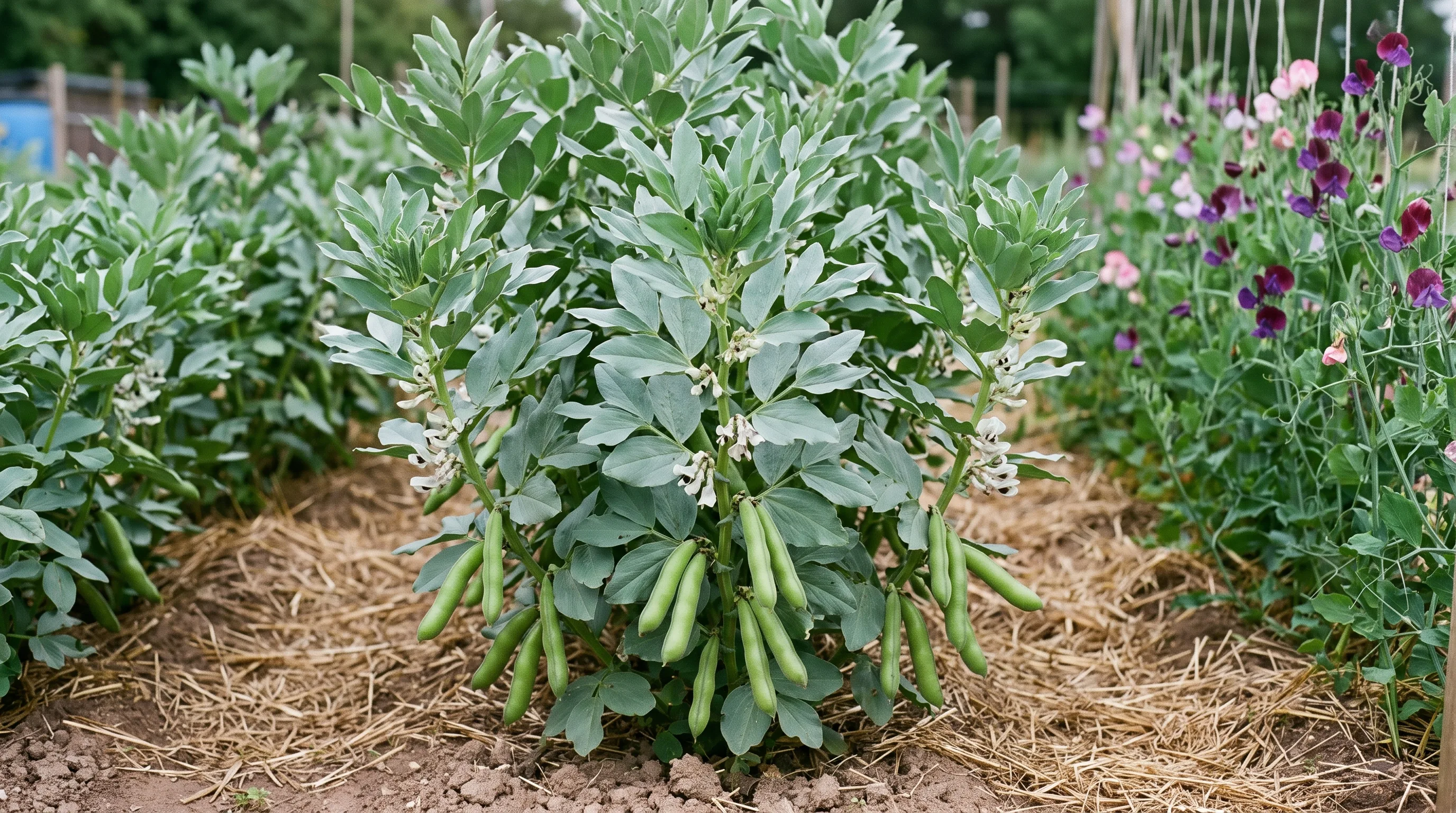
Plants in this guide

Recommended Products
GardenWizz earns a commission from qualifying purchases made through affiliate links on this page (including links within the article) — as an Amazon Associate, and from Thompson & Morgan via the Awin network. This does not affect the price you pay. See our disclaimer for details.
Related Articles
More →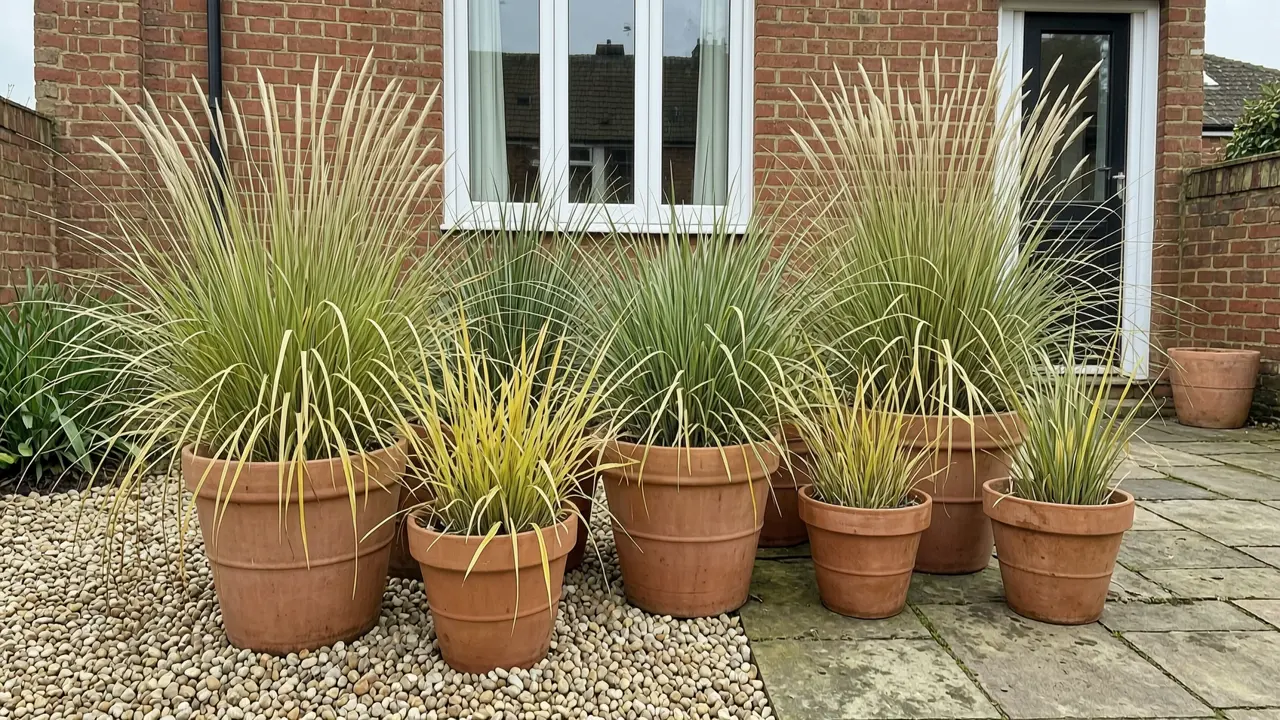 Growing Guide
How to grow ornamental grasses in pots
5 August 2026Grow ornamental grasses successfully in containers with advice on pot size, compost, watering, feeding, winter care and long-term maintenance.
 Growing Guide
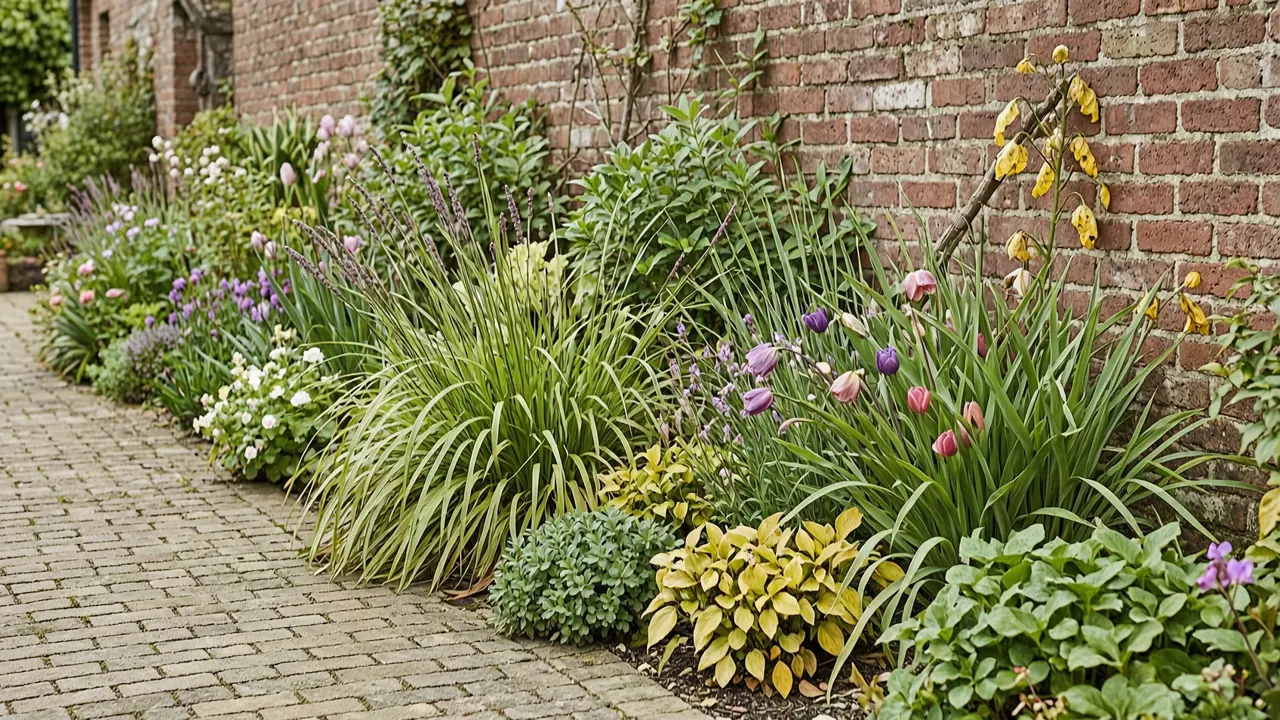
How to plan a perennial border
5 August 2026Plan a balanced perennial border with practical guidance on position, colour, height, spacing, flowering succession and year-round structure.
 Growing Guide
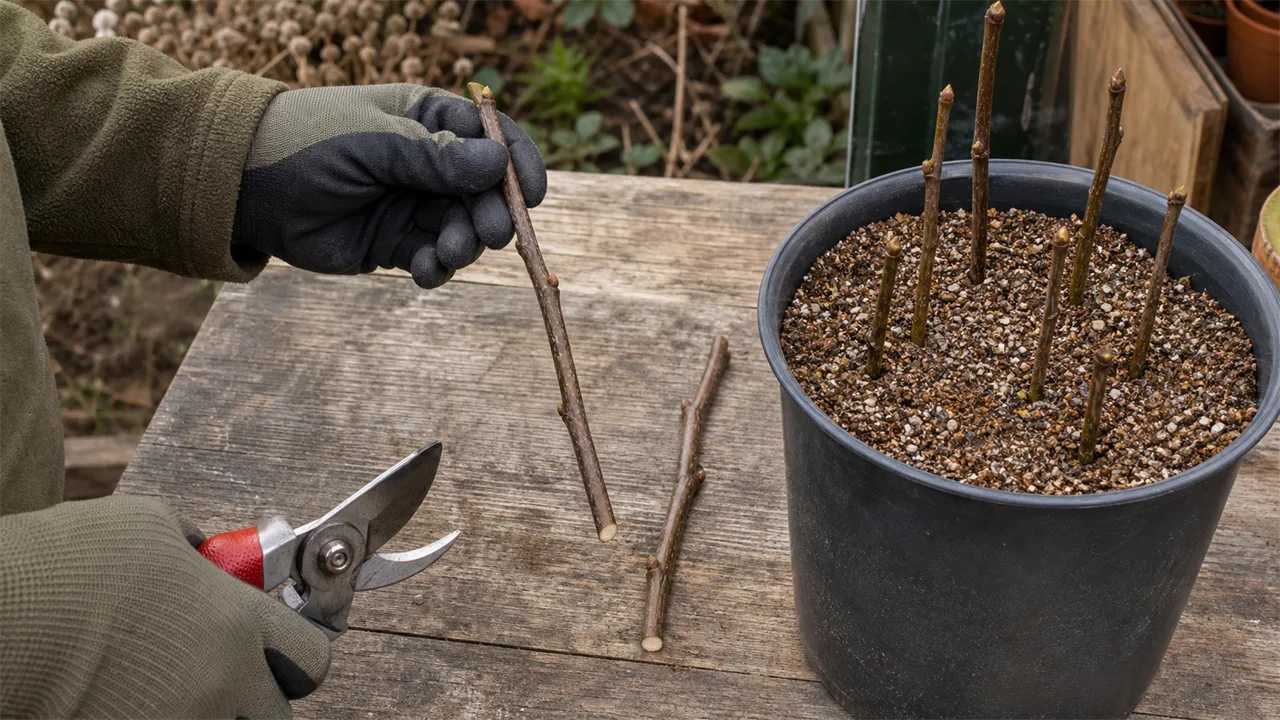
How to take hardwood cuttings
29 July 2026Take hardwood cuttings from suitable dormant shrubs and climbers with this step-by-step guide to timing, preparation, rooting and aftercare.