
Gardening Jobs for September
This month demands focused action to ensure your garden thrives through the seasons, capitalising on the UK’s lingering autumnal conditions.
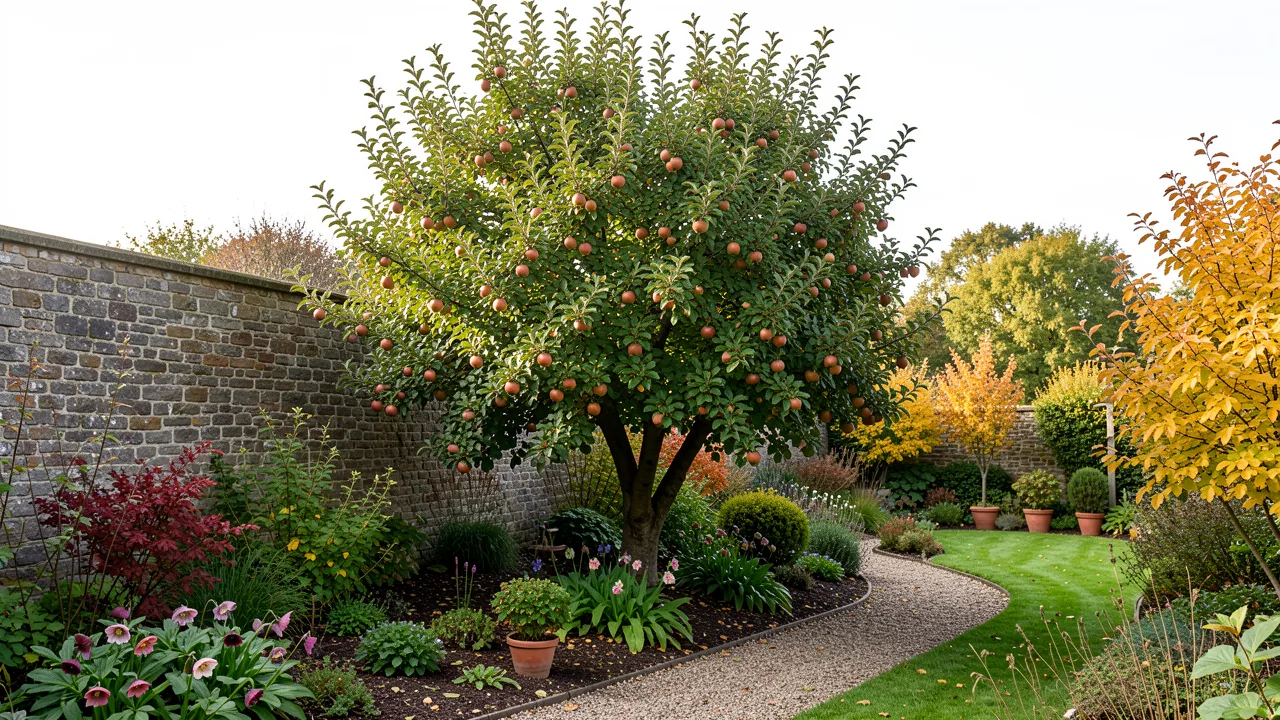
September brings the gentle transition from summer’s warmth to autumn’s crispness, offering a precious window for gardeners to sow, harvest, and prepare before winter’s grip. With soil still warm and daylight fading, it’s the ideal time to plant hardy perennials, bulbs, and trees, while harvesting late crops and tending to lawns before the cooler months. This month demands focused action to ensure your garden thrives through the seasons, capitalising on the UK’s lingering autumnal conditions. Remember, Scotland and northern England typically lag 2-4 weeks behind southern regions for planting and harvesting timings.
Planting for Autumn and Winter
Hardy Perennials and Bulbs
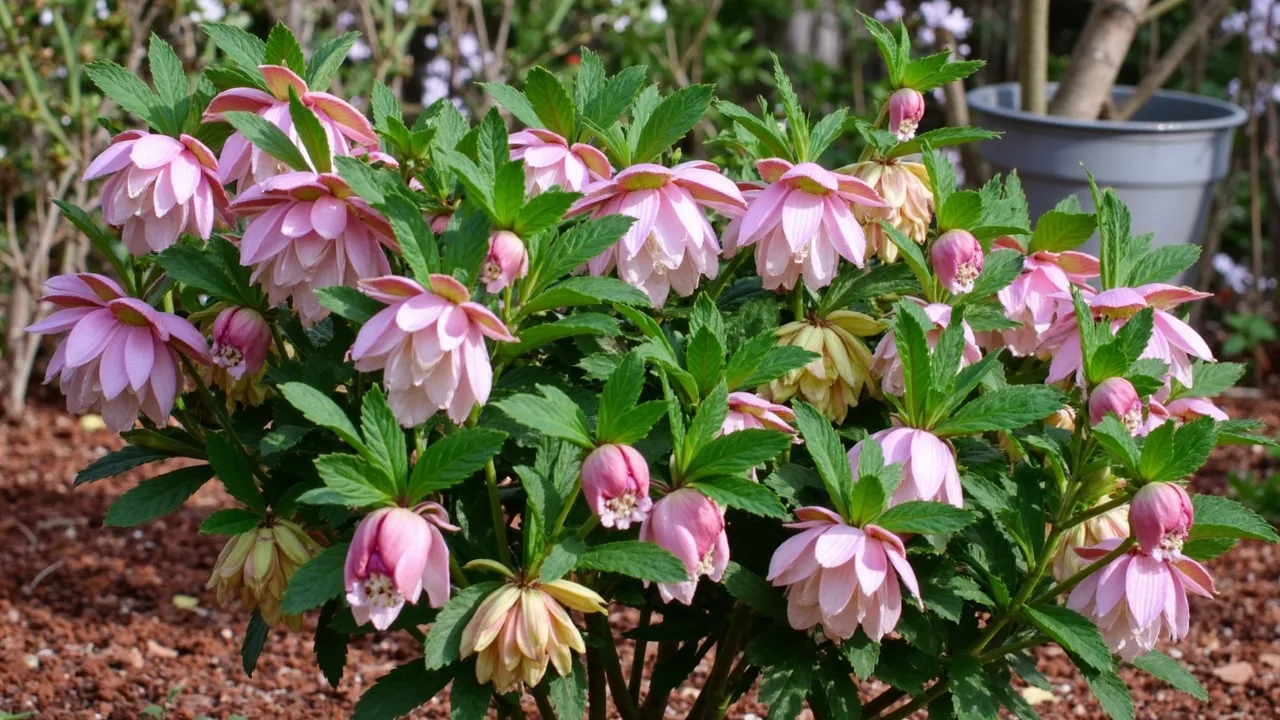
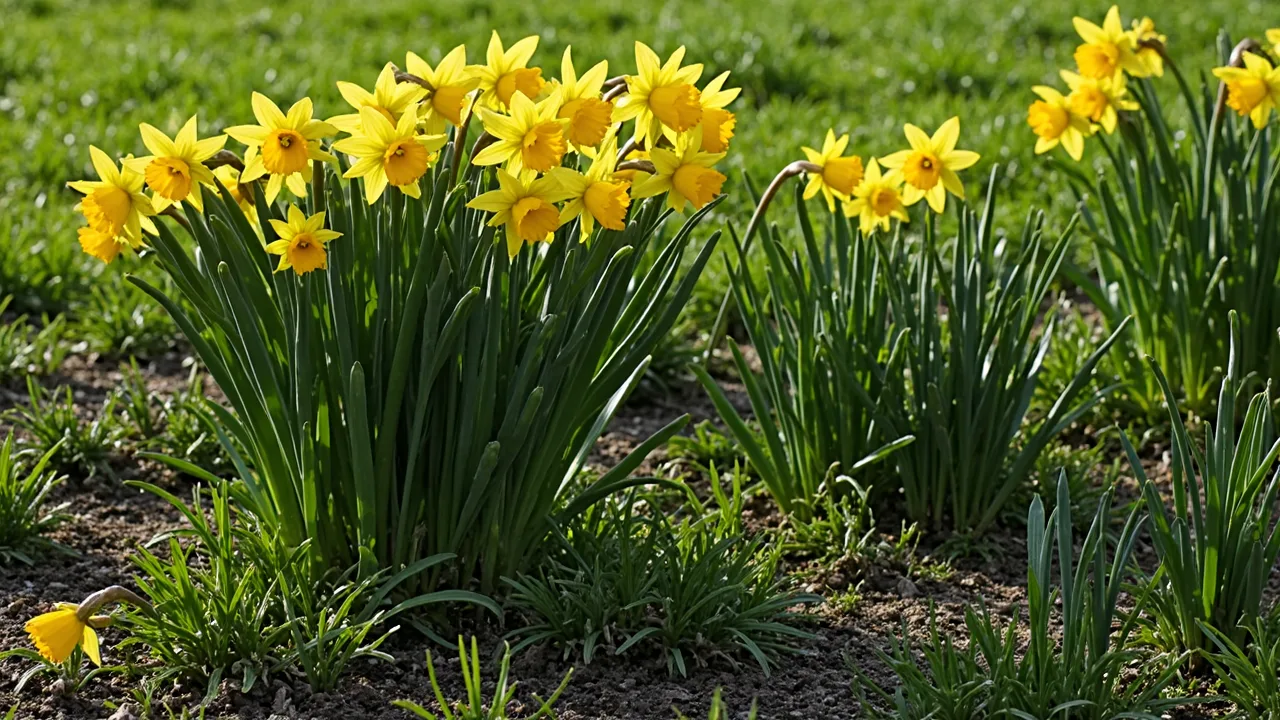
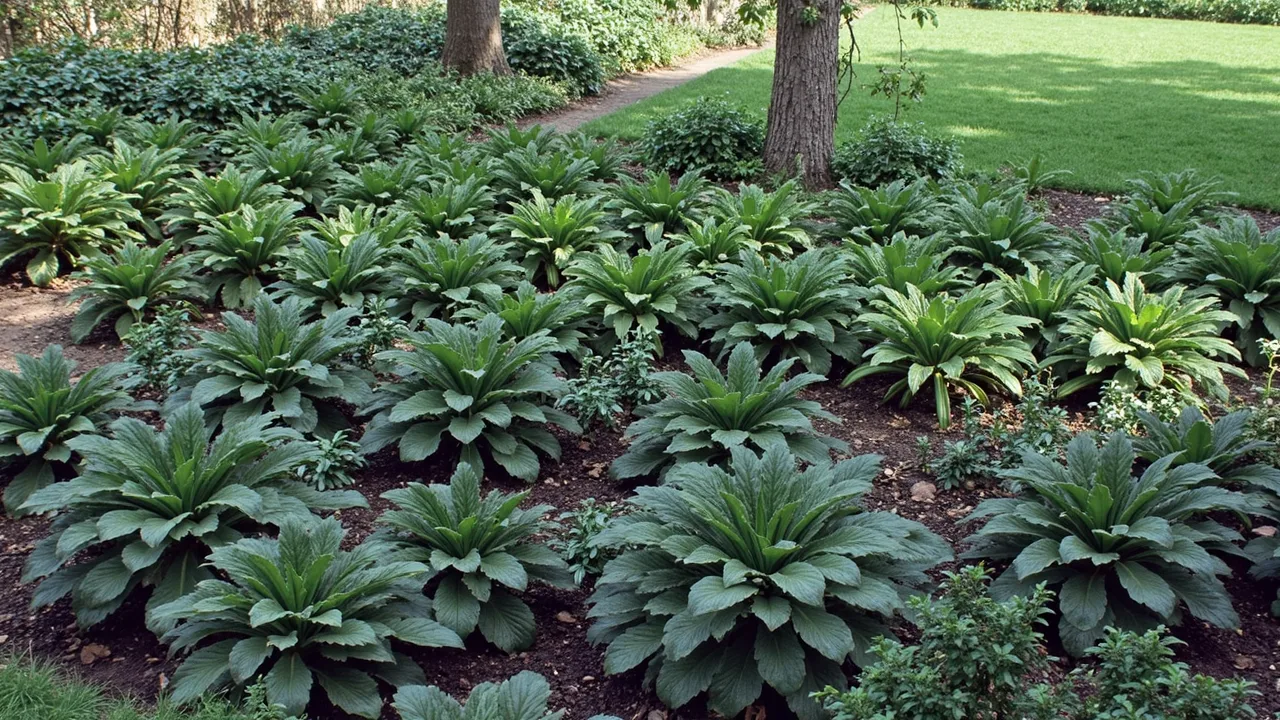
September is prime time for planting most hardy perennials, as the warm soil encourages root growth before dormancy. Dig a hole twice the width of the rootball, mix in a generous handful of well-rotted garden compost (not to alter pH, but to improve soil structure), and position the plant at the same depth as in its pot. Firm gently and water thoroughly. Ideal choices include autumn-flowering crocus (Crocus speciosus), hellebores (Helleborus orientalis), and ornamental grasses like Carex buchananii. For bulbs, plant daffodils, tulips, and crocuses at 10–15cm deep (twice the bulb’s height), spacing them 10–15cm apart. In Scotland and northern England, delay planting by 2–3 weeks to avoid early frosts. Avoid planting in heavy clay soils if waterlogged; wait for drier conditions. For perennials like hostas (Hosta spp.), lift established clumps in September to divide and replant; ensure each division has 3-4 healthy shoots and roots, and water well after planting. When planting bulbs, consider grouping them in clusters of 10-15 for visual impact, using a trowel to create a hole and placing bulbs pointy-end up.
- Key planting checklist:
- Dig holes 2x rootball width, amend with 1 part compost to 3 parts soil
- Water deeply after planting, especially for new perennials
- Mulch with 5cm of bark chips to retain moisture and suppress weeds
- Plant bulbs before mid-October for best results; Narcissus 'Tête-à-Tête' is ideal for small spaces
- For container plants, ensure the rootball is level with the soil surface to prevent waterlogging
Trees and Shrubs
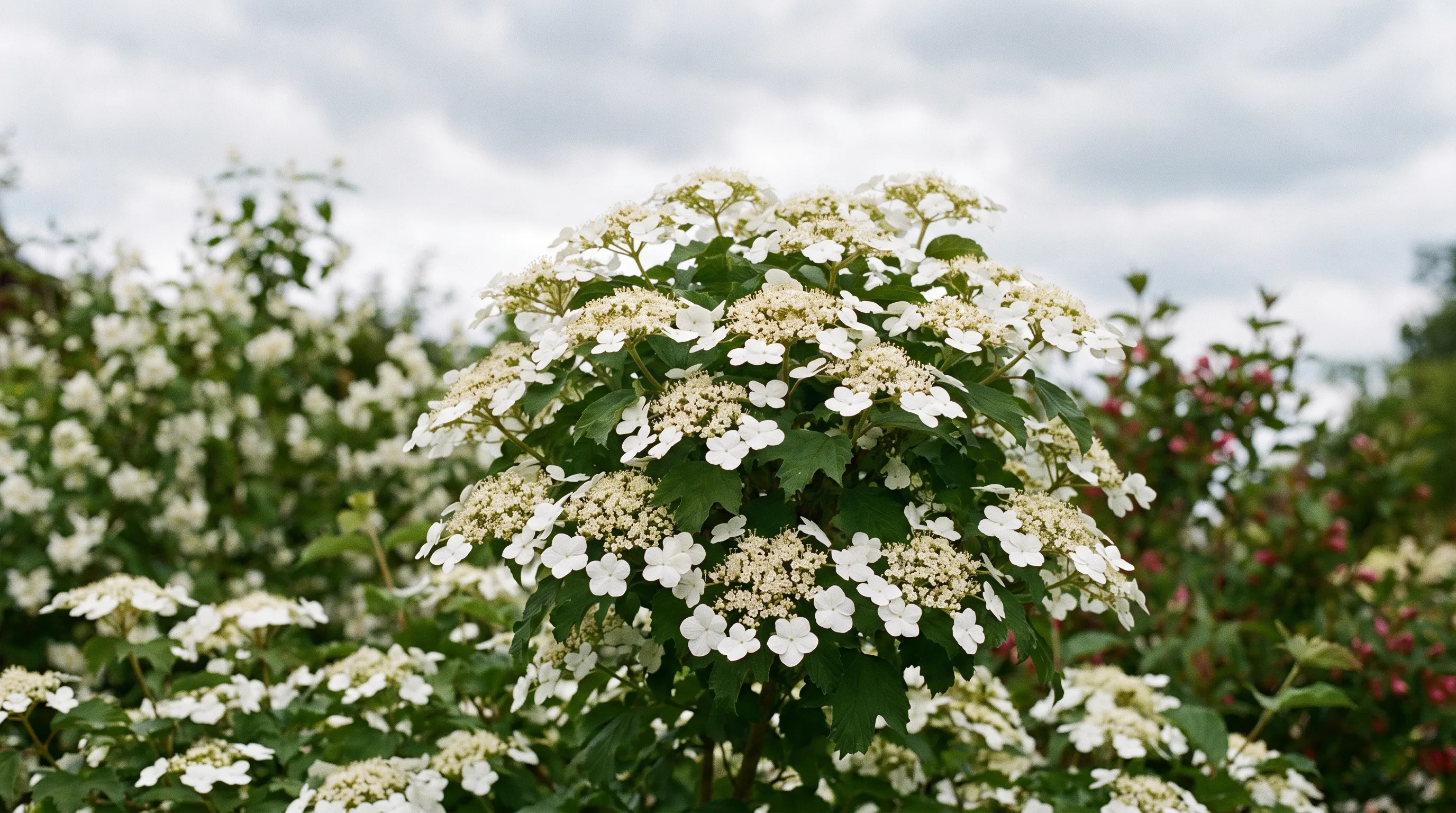
This is the final month to plant bare-root trees and shrubs, such as roses, hawthorns, or service trees, before winter sets in. Soak bare roots in water for 1–2 hours before planting. Dig a hole large enough to spread roots without bending, place the plant so the graft union (if present) is 5cm above soil level, backfill with soil mixed with compost, and stake if necessary. Water well and mulch. For container-grown specimens, plant as soon as possible, ensuring the rootball is level with the soil surface. Avoid planting in exposed, windy sites; choose sheltered spots for better establishment. When planting roses, ensure the graft union is above soil level to prevent rotting. For shrubs like Spiraea or Viburnum, plant at a depth that covers the root flare but not the stem. After planting, water thoroughly with 10-15 litres per plant, then apply a 5cm layer of mulch, keeping it clear of the stem to prevent disease.
Harvesting and Crop Care
Late Summer and Autumn Crops
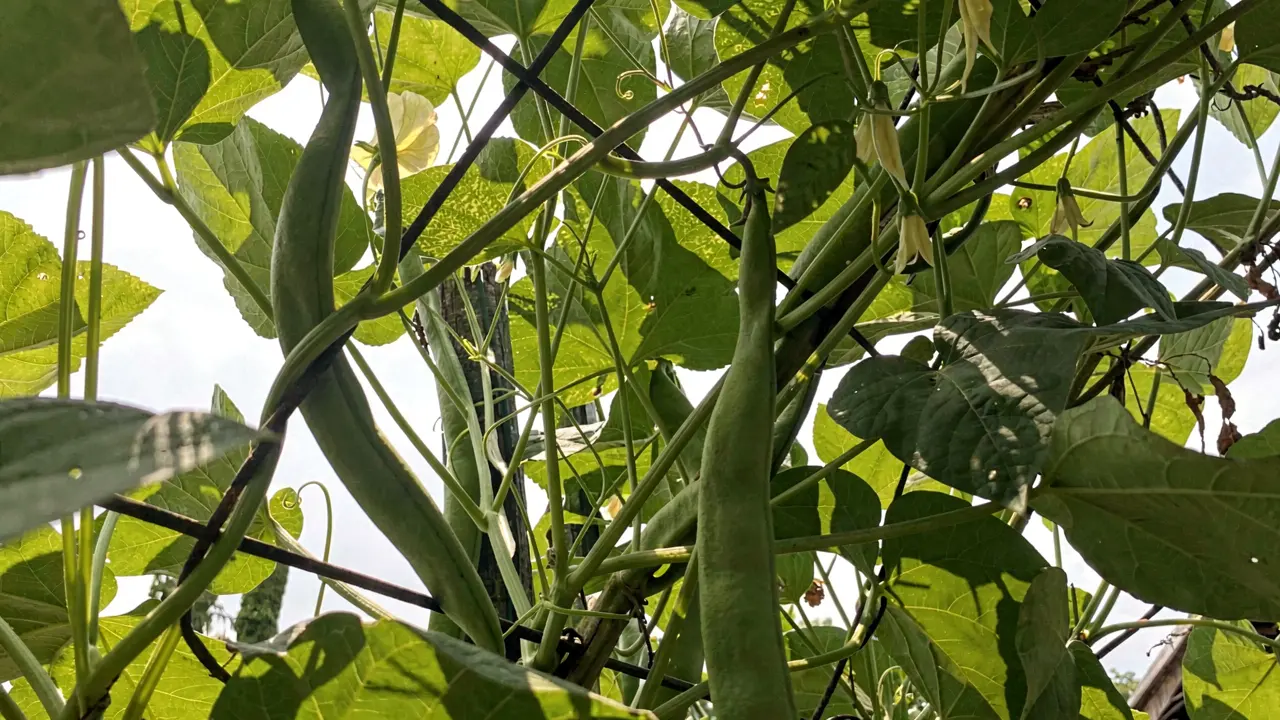
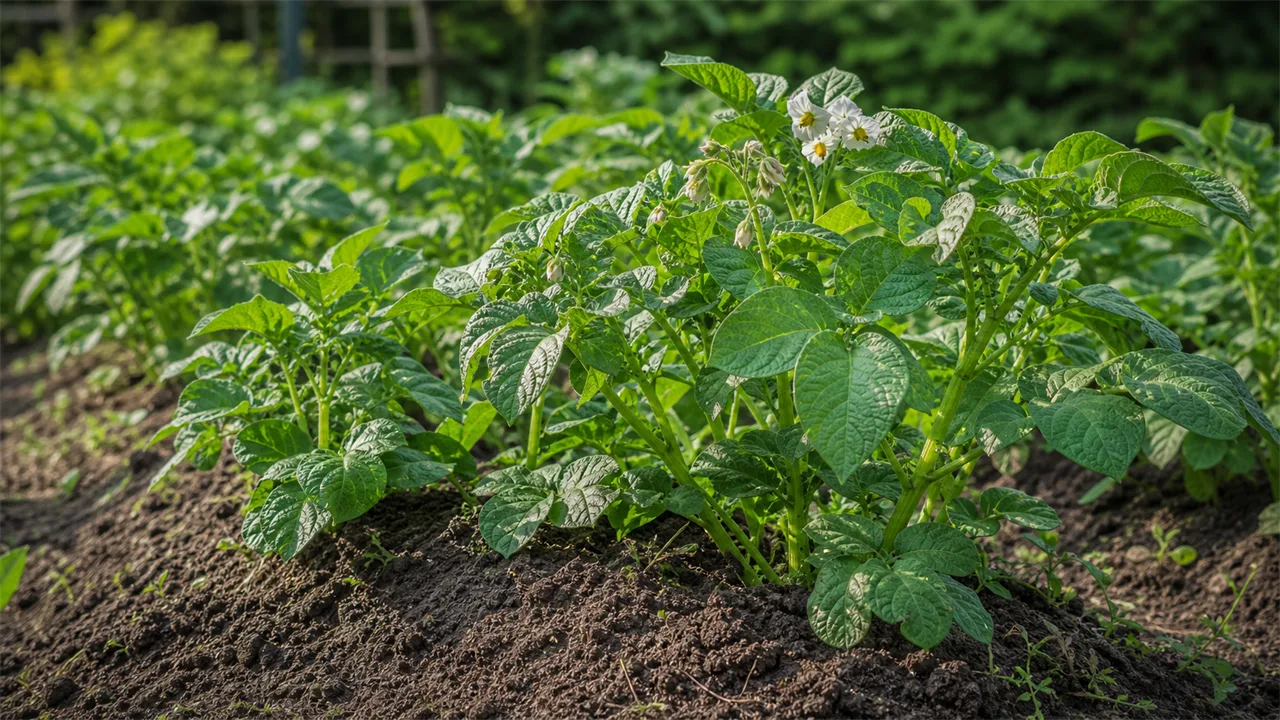
September is harvest time for many vegetables and fruits. Pick beans (Phaseolus vulgaris) like 'Rocket' before they toughen, and lift potatoes (Solanum tuberosum) when the foliage dies back, leaving them to dry in a cool, dark place for 2 weeks. Harvest late cabbage varieties (e.g., 'Savoy' or 'Canaletto') and Brussels sprouts, which develop sweeter flavour after light frosts. For fruit, pick apples like 'Bramley' and pears, and collect late-season plums. Remove spent plants from the vegetable patch to prevent disease; chop and compost healthy stems, but dispose of diseased material away from the garden. For potatoes, use a garden fork to lift carefully, avoiding cuts that invite rot. Store harvested potatoes in a dark, cool, well-ventilated place (not the fridge) for up to 3 months. For apples, check for colour change and slight softening of the stem; 'Bramley' is typically ready from late September to early October.
Foraging and Safety
Only forage for wild edibles if you can confidently identify them using a UK-specific guide (e.g., RHS Wild Food or The Forager’s Handbook). Never consume wild plants without expert verification—many look similar to toxic species. For example, Heracleum sphondylium (hogweed) is toxic to skin and pets, and Aconitum napellus (monkshood) is highly poisonous to dogs and cats. Always confirm with a local foraging group or RHS resource before eating anything. Never forage near roadsides or areas treated with pesticides. If in doubt, leave it. The RHS warns that Lathyrus latifolius (wild pea) is toxic to cats and dogs, so avoid feeding any foraged plants to pets.
Lawn and Groundcover Maintenance
Final Mowing and Overseeding
Your last mow of the season should be at a slightly higher setting (around 3.5cm) to reduce stress on grass. Remove clippings to prevent thatch buildup. Overseed bare patches with a fescue-based mix (e.g., Festuca ovina or Festuca rubra) in late September, as soil temperatures remain above 10°C, encouraging germination. Rake the seed into the soil lightly, water gently, and avoid heavy foot traffic. For lawns with moss, apply a moss killer like iron sulphate (follow label instructions for UK use) in dry weather, then rake out dead moss before overseeding. Use 10-15g of iron sulphate per square metre for moss control, applied when the soil is dry and temperatures above 5°C. For overseeding, use 25-30g of seed per square metre for a dense lawn. After seeding, lightly water twice daily for the first week to keep the soil moist but not soggy.
Thatch and Drainage
If your lawn has thick thatch (more than 1cm), use a scarifier (dethatcher) to remove it, ideally before mid-September. This improves water and nutrient penetration. Check drainage; in heavy clay soils, create small channels (1-2cm deep) to prevent waterlogging. Avoid fertilising in September—wait until spring to prevent lush, frost-susceptible growth. For thatch removal, scarify on a dry day when the soil is not waterlogged, using a garden fork or mechanical scarifier. Remove the thatch debris and compost it. For drainage issues, in clay soils, dig shallow trenches (5-10cm deep) along the slope of the lawn to direct water away from the house. Do not apply any fertiliser in September; the risk of promoting growth that could be damaged by frost outweighs any benefit.
Pest and Disease Management
Monitoring for Common Issues
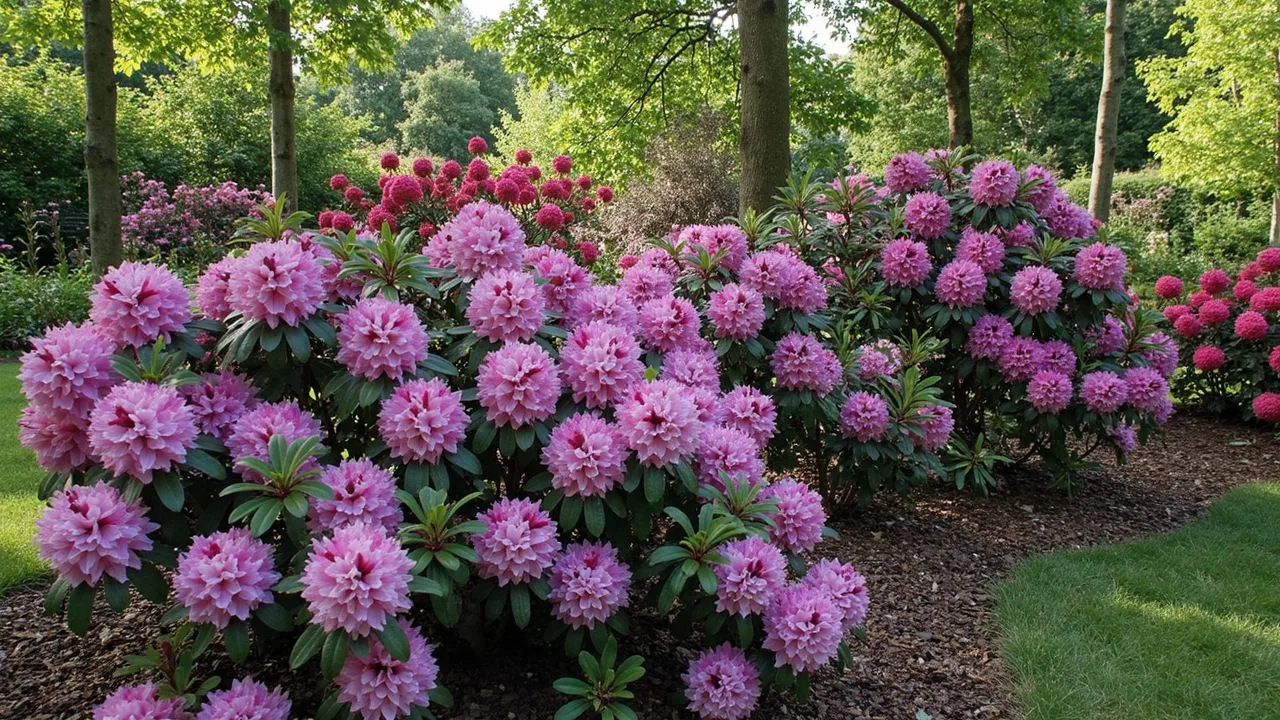
Aphids may still plague roses and beans; spray with a strong jet of water or encourage ladybirds (natural predators). For black spot on roses, remove infected leaves and apply a fungicide like copper-based products (follow UK product labels for safe use). Never use unapproved chemicals—always adhere to current UK regulations and the product’s instructions. In damp conditions, check for slugs on young perennials; use organic slug pellets (e.g., iron phosphate) as a last resort, but confirm they’re pet-safe via RHS guidelines. Monitor for vine weevil grubs by checking the soil around the base of plants like Rhododendron; if present, apply nematodes (Heterorhabditis bacteriophora) in September when soil temperatures are above 10°C. For cabbage root fly, use fleece to cover brassicas like Brassica oleracea (cabbage, Brussels sprouts) before the flies lay eggs in late September.
Preparing for Winter Pests
Clear fallen leaves from under shrubs to deter pests like vine weevils. For roses, apply a winter mulch of well-rotted manure around the base (not touching stems) to insulate roots. This also suppresses weeds. Avoid using fresh manure, as it can burn plants. For roses, apply a 5cm layer of well-rotted manure (not fresh) around the base, keeping it 10cm away from the stem. For other shrubs, use a 3-5cm layer of leaf mould or compost to protect roots. Remove all fallen leaves from under shrubs and trees to eliminate overwintering sites for pests like vine weevils and codling moths. Do not compost diseased leaves; dispose of them in general waste to prevent spreading disease.
Preparing for Autumn and Winter
Mulching and Protection
Mulch perennial beds with 5–7cm of well-rotted compost or leaf mould to protect roots from temperature fluctuations. For tender plants like tender herbaceous perennials (e.g., Dahlia), cover with a layer of straw or bracken. In exposed areas, wrap young trees with tree guard to prevent sunscald. Remove spent flower heads from herbaceous plants (e.g., delphiniums) to reduce disease risk, but leave seed heads on plants like sedum for wildlife. For mulching, use a 5cm layer of well-rotted compost for most perennials, and a 7cm layer for more delicate plants like hostas. For trees, wrap the trunk with tree guard from the base up to the first branches, securing it with twine to prevent damage from rodents. Remove spent flowers from Echinacea and Rudbeckia to encourage more blooms, but leave Sedum seed heads for birds.
Planning Ahead
Use September to plan next year’s garden. Note what thrived or failed in your vegetable patch, and order seeds for spring-sown crops (e.g., peas, broad beans) now. For bulbs, order varieties like Narcissus 'Tête-à-Tête' early to secure stock. Sketch your garden layout, considering sun exposure and soil types, to optimise planting next season. Order seeds for spring sowing (e.g., Pisum sativum 'Meteor' for peas) by mid-September to ensure availability. For bulbs, order Tulipa 'Apeldoorn' or Allium 'Globemaster' early for spring colour. Sketch your garden layout, noting areas that need more sun or shade, and consider soil types (e.g., clay vs. sandy) when planning new beds. Check soil pH in September for spring planting; if acidic, add lime in October for spring application.
Plants in this guide


Recommended Products
GardenWizz earns a commission from qualifying purchases made through affiliate links on this page (including links within the article) — as an Amazon Associate, and from Thompson & Morgan via the Awin network. This does not affect the price you pay. See our disclaimer for details.
Related Articles
More →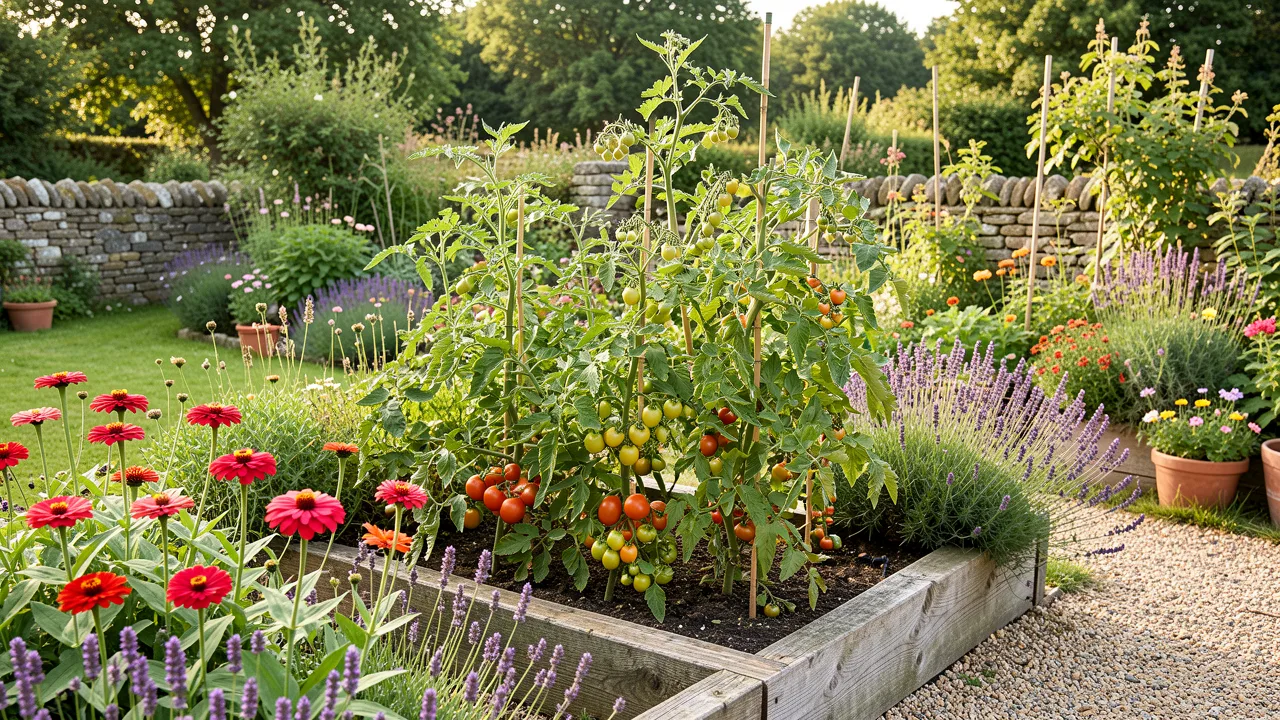 Seasonal Care
Gardening Jobs for August
21 July 2026This guide gives you the precise tasks to keep your garden thriving through the dog days, grounded in established RHS and UK horticultural practice.
 Seasonal Care
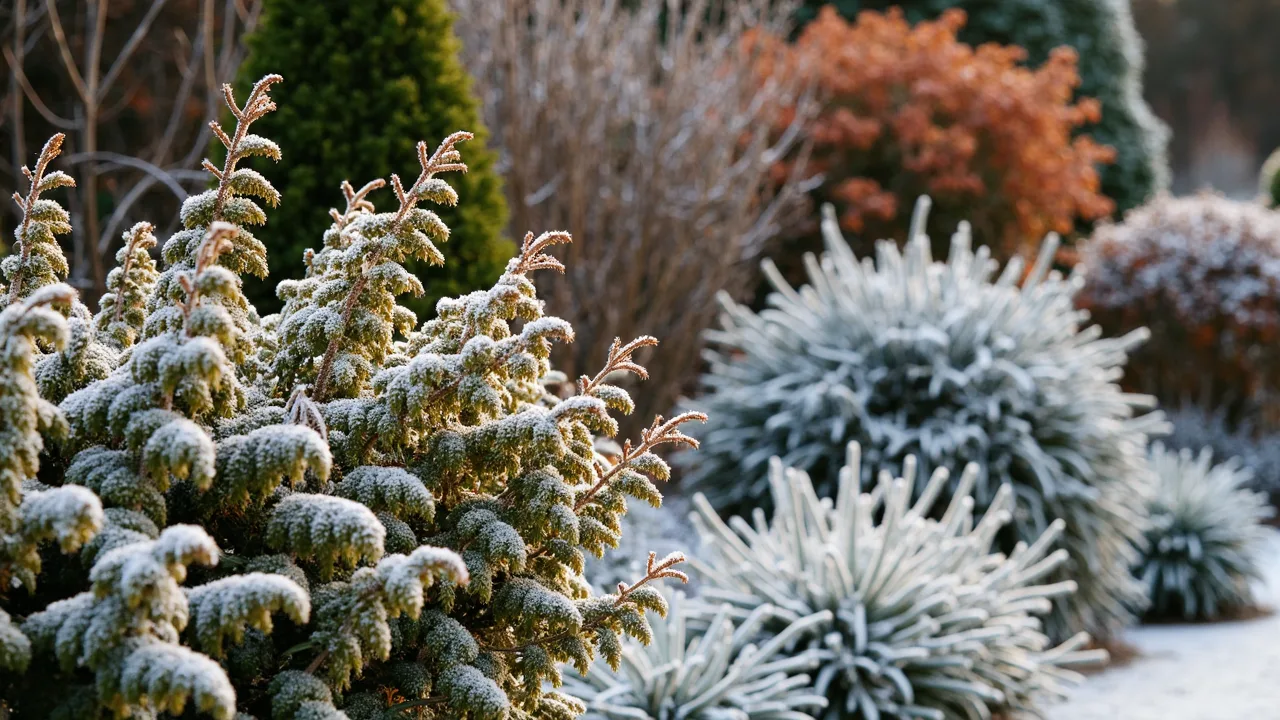
Gardening Jobs for December in the UK
19 June 2026December in the UK brings shorter days, crisp air, and the quiet rhythm of the dormant season. While the garden may seem asleep, there’s vital work to do to protect your plants, prepare for spring,…
 Seasonal Care
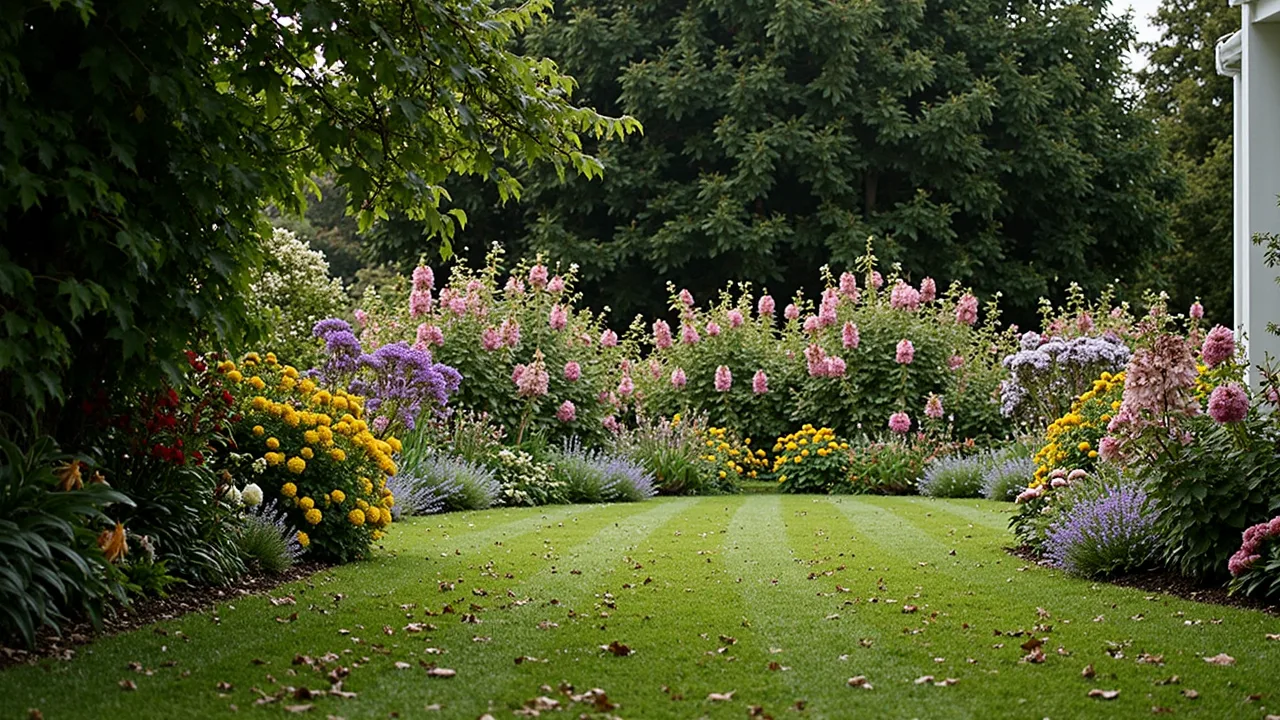
Gardening Jobs for November in the UK
19 June 2026November in the UK brings crisp, clear air and the quiet rhythm of the garden settling into winter’s embrace. It’s a month of decisive, practical action: planting bare-root treasures, harvesting…