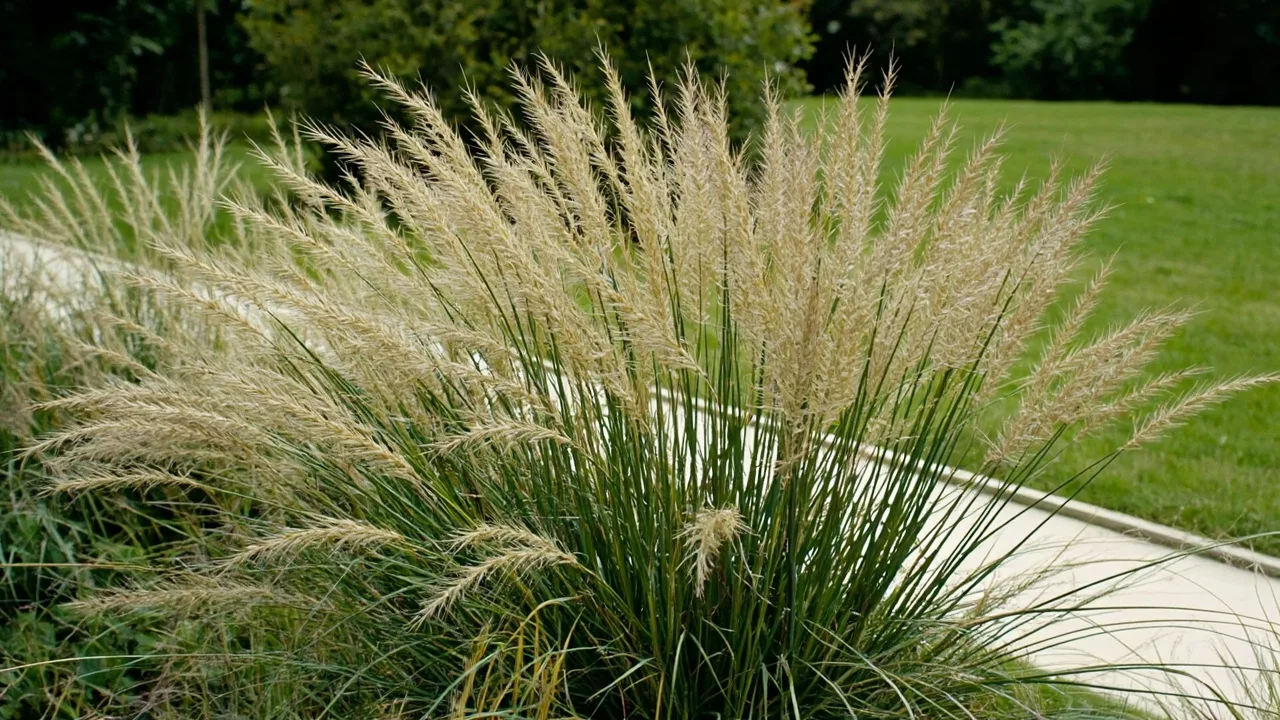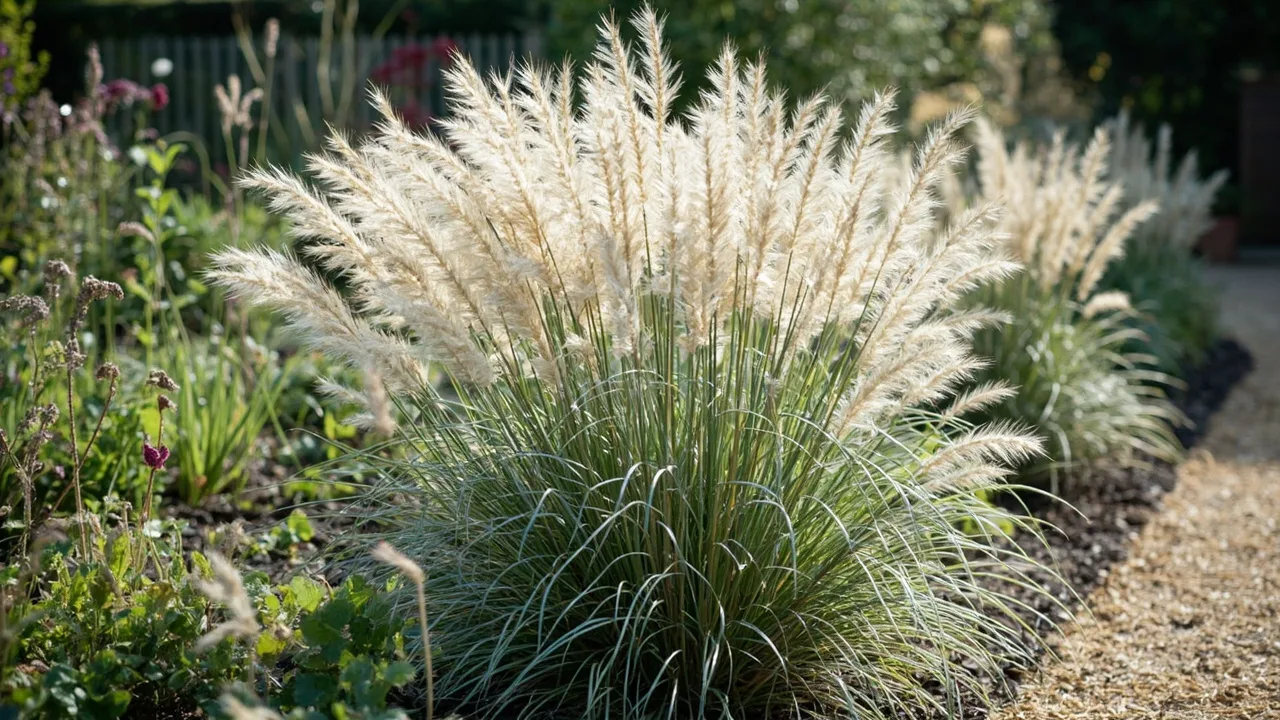
Pheasant's Tail Grass
Anemanthele lessoniana · New Zealand wind grass
The Gardening Year
Best months in UK gardens · full planting calendar →
🖨 Printable care card (PDF)At a Glance
| Botanical name | Anemanthele lessoniana |
|---|---|
| Common name(s) | pheasant's tail grass, New Zealand wind grass |
| Family | Poaceae |
| Plant type | grass (Semi-evergreen perennial ornamental grass) |
| Height × Spread | 60–90 cm × 60–90 cm |
| Position | Full sun, Partial shade |
| Soil | Moderately fertile, medium to light, well-drained soil; tolerates heavier soil where drainage is improved |
| Flowering | July–October |
| Toxicity | No specific toxicity warning is listed by the RHS. |
| Native range | New Zealand |
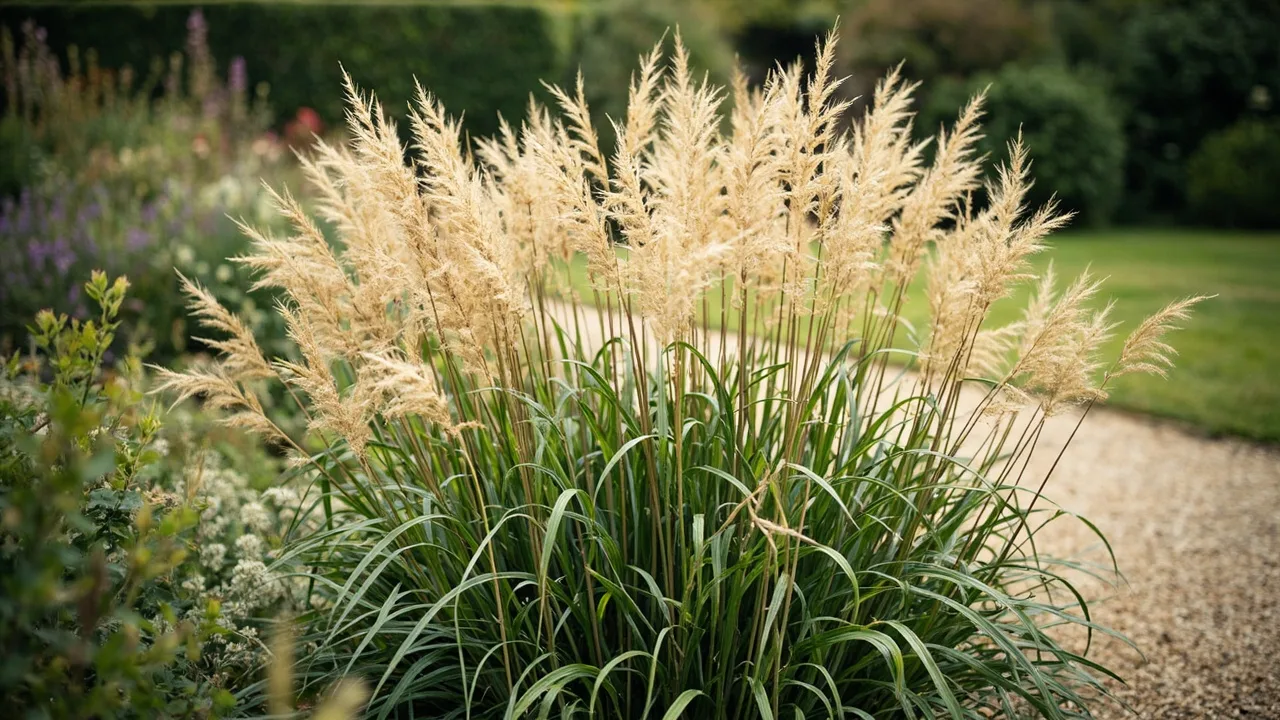
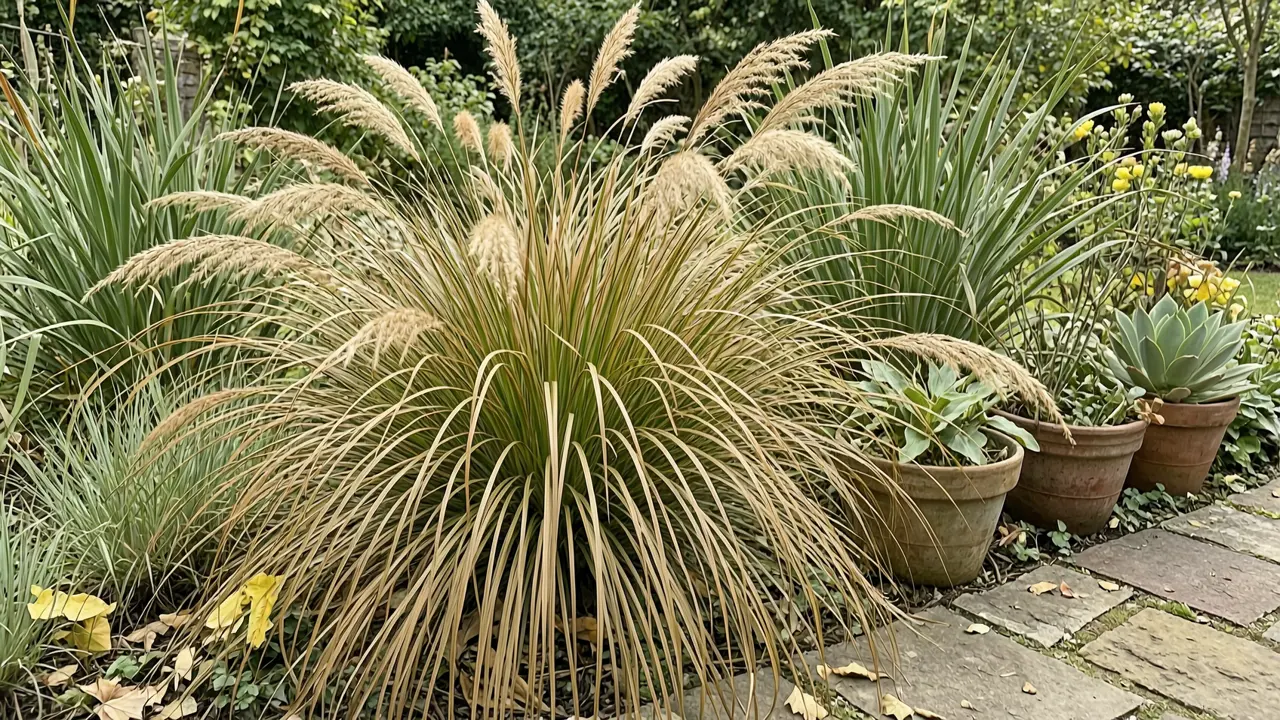
[hero:media_id=1723, alt="Anemanthele lessoniana (pheasant's tail grass) in a UK mixed garden border", credit="GardenWizz hero image, MiniMax minimax-auto, 1280x720"]
Anemanthele lessoniana, sold in UK gardens as pheasant's tail grass (and for many years labelled Stipa arundinacea), is a semi-evergreen ornamental grass in the family Poaceae. It is native to New Zealand, not the UK, and is grown in British gardens almost entirely for its year-round foliage: a fine, arching tussock that flushes olive-green in summer and takes on bronze, copper and orange tones as light levels drop, holding warm colour well into a typical UK winter. The Royal Horticultural Society records it as hardy through most of the UK, which makes it one of the more reliable evergreen grasses for lowland and southern British borders, and a useful companion to lighter, deciduous grasses such as pheasant's tail grass's frequent partner in mixed plantings. (Hero image: GardenWizz media 1723, MiniMax minimax-auto, 1280x720.)
Overview
Anemanthele lessoniana is the accepted scientific name for a single species of semi-evergreen ornamental grass long sold in the UK under the older name Stipa arundinacea. It belongs to the family Poaceae (the true grasses) and is native to New Zealand, where it grows in open, free-draining ground; in cultivation in the British Isles it is grown for its arching clump of fine leaves and its warm seasonal colour rather than for showy flowers. The plant is recorded by the RHS as hardy through most of the UK, with a working rating of H4 (−10 to −5 °C), and behaves as a reliable, low-maintenance garden grass where drainage is adequate. It is not a UK native, and there is no current authoritative reclassification of the species: Kew Plants of the World Online continues to list it under Anemanthele, and a commercial `(AGROSTIS)` synonym marker seen in some seed lists is not supported by current taxonomy.
Appearance
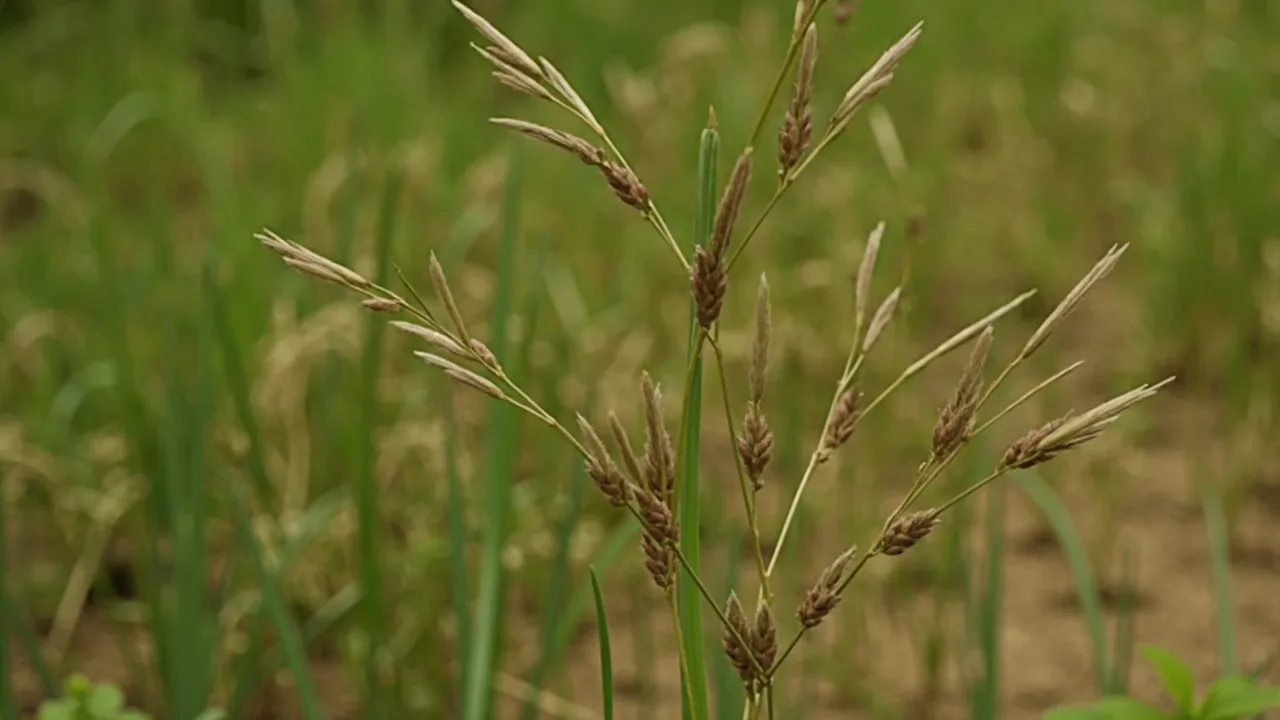
Anemanthele lessoniana forms a dense, arching tussock of fine, mid-green leaves held in a loose fountain about 60–90 cm tall and 60–90 cm wide after two or three seasons in a UK garden. The leaves are narrow and slightly rough to the touch, and they flush bronze, copper and orange as light levels drop from late summer; in mild coastal and southern UK sites the foliage stays largely intact through winter, while in cold inland gardens the leaf tips may scorch while the crown survives. From July through October the plant sends up slender, airy panicles of small reddish-brown spikelets that catch the light and persist into autumn, and the whole clump gradually shifts from olive-green to golden-bronze and rusty orange through the colder months. Older, undivided clumps can broaden beyond 90 cm across in ideal conditions, though a typical mature spread remains in the 60–90 cm band used for planting spacing.
Growing Conditions
Anemanthele lessoniana grows well in any reasonable UK garden soil provided it drains freely; in heavier clay, work in grit and, where possible, plant on a slight mound or raised bed so the crown never sits in cold winter wet. The Royal Horticultural Society places it in full sun or partial shade, and in practice the warm bronze tones develop most strongly in sun while light dappled shade suits it to the edge of a woodland planting or the east side of a fence. Soil pH is unimportant — acid, neutral and mildly alkaline sites all work — and established plants cope with summer drought once the roots have run deep. The plant's practical UK hardiness rating is RHS H4 (−10 to −5 °C), which covers almost all of lowland Britain; in cold inland or northern gardens, expect some winter leaf scorch but treat the crown as the reliable part of the plant, and avoid exposed, cold-and-wet north-facing sites.
Planting and Care
Plant container-grown Anemanthele in spring (April–May) so the crown establishes before its first wet British winter, or in early September in milder parts of the country. Space plants 60–90 cm apart in a naturalistic grass border, closer to about 45 cm if a quicker ground-cover effect is wanted, and water in well during the first growing season. The single most important rule is do not cut Anemanthele back hard in autumn — leaving the old foliage on over winter protects the crown from cold and wet, and is what lets the plant come through looking good. In early to mid-spring (March–April), comb out any dead or winter-damaged leaves with your hands or a spring-tine rake; that is the whole annual prune. Mature tussocks three years and older can be lifted and divided in spring (March–May), splitting them with two forks back-to-back and replanting the vigorous outer divisions while the tired, woody centre goes on the compost heap. An annual mulch of garden compost in spring is enough feeding; this is not a hungry grass, and it self-seeds modestly into gravel and paving cracks in mild gardens.
Common Problems
Cold-and-wet winter crown loss is the main failure mode and is almost always caused by poor drainage rather than low temperature alone; site the plant on free-draining soil and avoid piling mulch over the crown. Foliage scorch shows up as brown leaf tips after a hard winter in cold inland gardens, but the crown normally survives and re-shoots from the base, so rake out the worst of the damage in spring and let the new growth hide it. Mature tussocks can develop a bare, woody centre after four or five seasons, which is the signal to lift and divide in spring rather than to feed harder. In mild south-west and coastal UK gardens Anemanthele can self-seed modestly into gravel and paving cracks, so deadhead before seed sets if volunteers need to be kept under control. The RHS does not record a specific toxicity warning for this species, and pet or livestock safety has not been addressed by the primary UK sources; treat the plant as unremarkable in this respect and do not infer edibility. Transplant shock is real on evergreen ornamental grasses, so move or divide only in spring, water in well, and accept one season of reduced flowering while the plant re-establishes.
Popular Varieties
The species Anemanthele lessoniana is the only member of its genus in UK horticulture, so almost every plant sold in British garden centres under either Anemanthele lessoniana or the older name Stipa arundinacea is the same species, and there is no formal group of cultivars to choose between. The Royal Horticultural Society lists a clonal selection, Anemanthele lessoniana 'Sirocco', as a separate cultivar entry, and a small number of seed-raised plants sold as "bronze", "gold" or "red" forms reflect individual seedlings selected for stronger winter colour rather than a distinct cultivar lineage. The species has not been reclassified into Agrostis in any current authoritative source (Kew Plants of the World Online, IPNI and BSBI all continue to list it under Anemanthele), and the older Stipa arundinacea name is recorded as a historical synonym only. If you want a reliable cool-season partner for the same planting, the most useful companions in UK gardens are /plants/stipa-tenuissima for fine texture, Stipa gigantea for height at the back of the border, and Stipa calamagrostis for midsummer flower movement — between them, those three grasses give Anemanthele a year-round role from front edge to back.
Recommended Products
GardenWizz earns a commission from qualifying purchases made through affiliate links on this page (including links within the article) — as an Amazon Associate, and from Thompson & Morgan via the Awin network. This does not affect the price you pay. See our disclaimer for details.