
How to Attract Birds to Your Garden
A garden with birds is a working garden. They eat aphids, caterpillars, slugs and snails; they pollinate as they forage; and they tell you, quickly, when something in your patch is out of balance.…
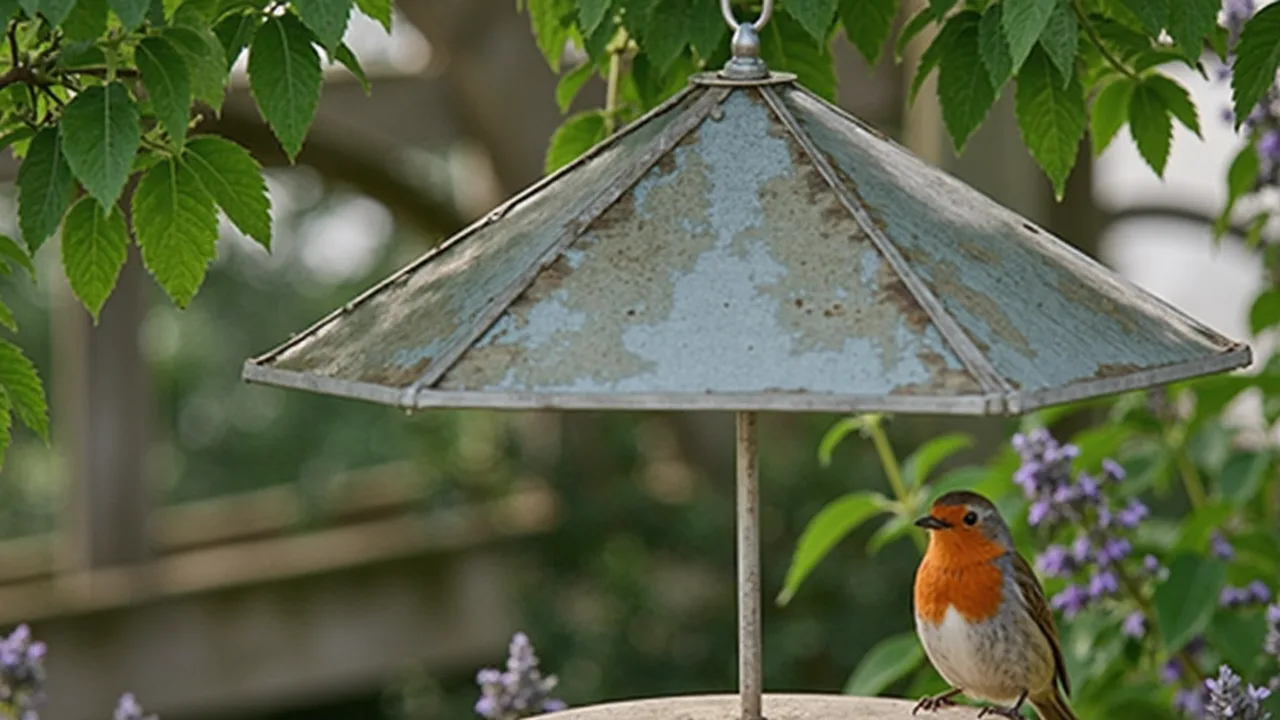
How to Attract Birds to Your Garden: A Practical UK Guide
A garden with birds is a working garden. They eat aphids, caterpillars, slugs and snails; they pollinate as they forage; and they tell you, quickly, when something in your patch is out of balance. The aim of this guide is to build a garden that supports birds through the whole year, not just one good weekend with a hanging feeder.
Why it matters and when to start
The honest window for setting up a bird-friendly garden is autumn. Between October and early December, UK gardens lose most of their natural seed and insect supply just as resident species — robins, wrens, dunnocks, blackbirds, great tits, blue tits, chaffinches, goldfinches, house sparrows — are deciding which gardens to defend through winter. Birds that reliably find food, water and cover in your patch in October will still be there in March, and by then they are also nesting nearby. A feeder put out for the first time in February helps, but it helps less than one that was there in November.
That said, you can start in any month. The principles are the same; the urgency is just higher in autumn.
What you'll need
You do not need much to start, and you do not need to spend a fortune. A sensible first-year kit:
- One hanging seed feeder, around 30–40 cm tall, with a metal or polycarbonate body (wooden feeders rot and harbour mould). Position it 1.5–2 m off the ground and at least 1 m from a perch a cat can use as a launchpad.
- A fat-ball or suet-cake feeder (a simple wire cage is fine). Two fat balls in winter is enough for a small garden.
- A ground-feeding tray or low platform, about 30 × 30 cm, 1–1.5 m from cover. Robins, dunnocks, blackbirds and chaffinches prefer not to feed hanging upside-down.
- A bird bath, 4–6 cm deep, with a rough or sloped surface so small birds can wade in and out safely. Anything deeper than about 6 cm needs a stone or brick in the middle as a landing stage.
- A nesting box with a 25–28 mm entrance hole, fixed 2–4 m up on a north or east-facing wall, with a clear flight path in front and no foliage brushing the hole. Untreated FSC-certified timber, or a woodcrete box, will outlast plastic.
- Seed mix: a good quality mixed seed (kibbled sunflower, peanut granules, millet, naked oats) for the hanging feeder; nyjer (niger) seed in a purpose-made nyjer feeder for goldfinches and siskins; sunflower hearts for tidy, no-husk feeding. Avoid cheap "mixed seed" that is mostly wheat and barley — birds flick most of it on the ground and it rots.
For the planting side, you will need bare-root or 9 cm potted shrubs and climbers — see step 4 for what to choose.
Step-by-step: building a bird-friendly garden
1. Fix the food, water and nest sites first, then plant around them. Birds find a reliable new food source within 2–3 weeks of it being put out, but only if it is in roughly the same place each time. Set up the feeders, bath and box in their final positions before you start adding plants, and leave them there for at least a fortnight before deciding they "don't work".
2. Place feeders with cover in mind, not just where they look tidy. A feeder plonked in the middle of a lawn is a sparrowhawk's lunch counter. Hang or fix it within 1–2 m of a dense shrub, hedge or wall, so small birds can dash for cover the moment a predator appears, but not so close that a cat can sit in the shrub and wait. The classic safe distance is roughly 1.5 m from the nearest cover.
3. Provide water above ground level if you can. A raised bath (60–90 cm off the ground, on a plinth or wall bracket) is far safer for small birds than one at ground level, where cats can stalk it. A simple drip or wiggle into the bath keeps the water moving in summer and helps it stay unfrozen for longer in winter; a small ball floating on the surface does the same job.
4. Plant for food and cover across the calendar. A good mix for a small UK garden, planting roughly 1–1.5 m apart for shrubs:
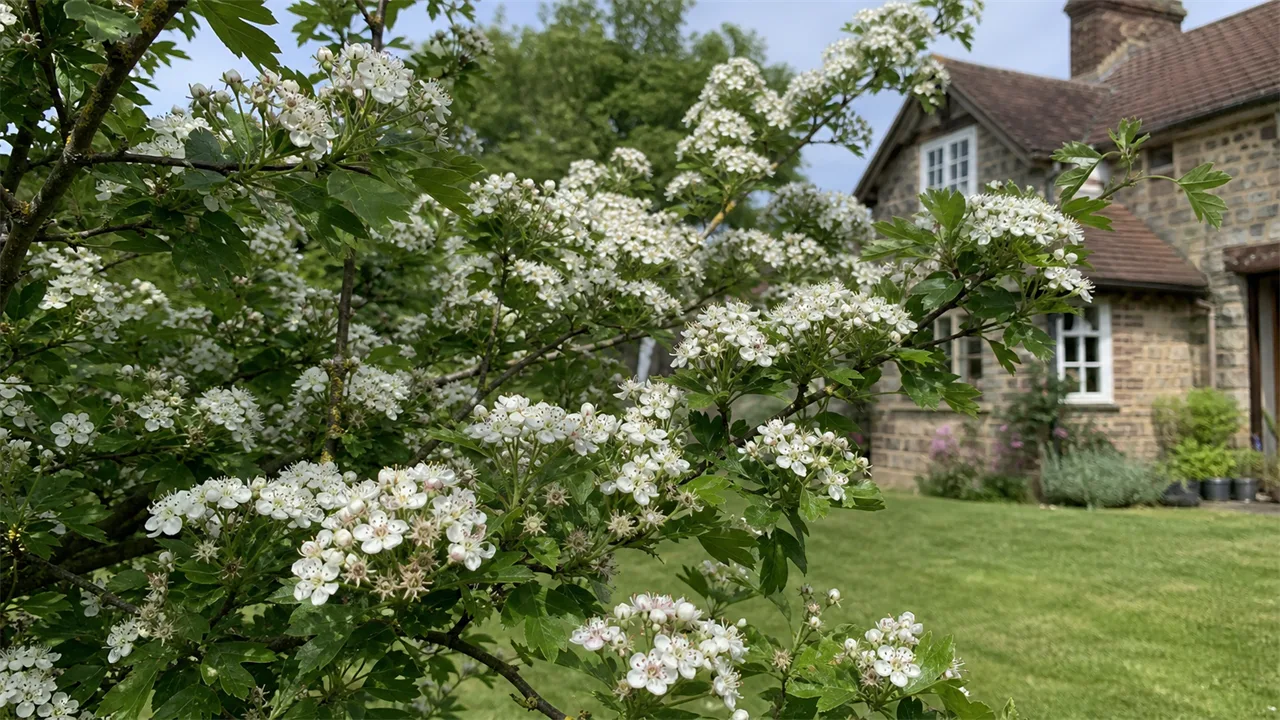
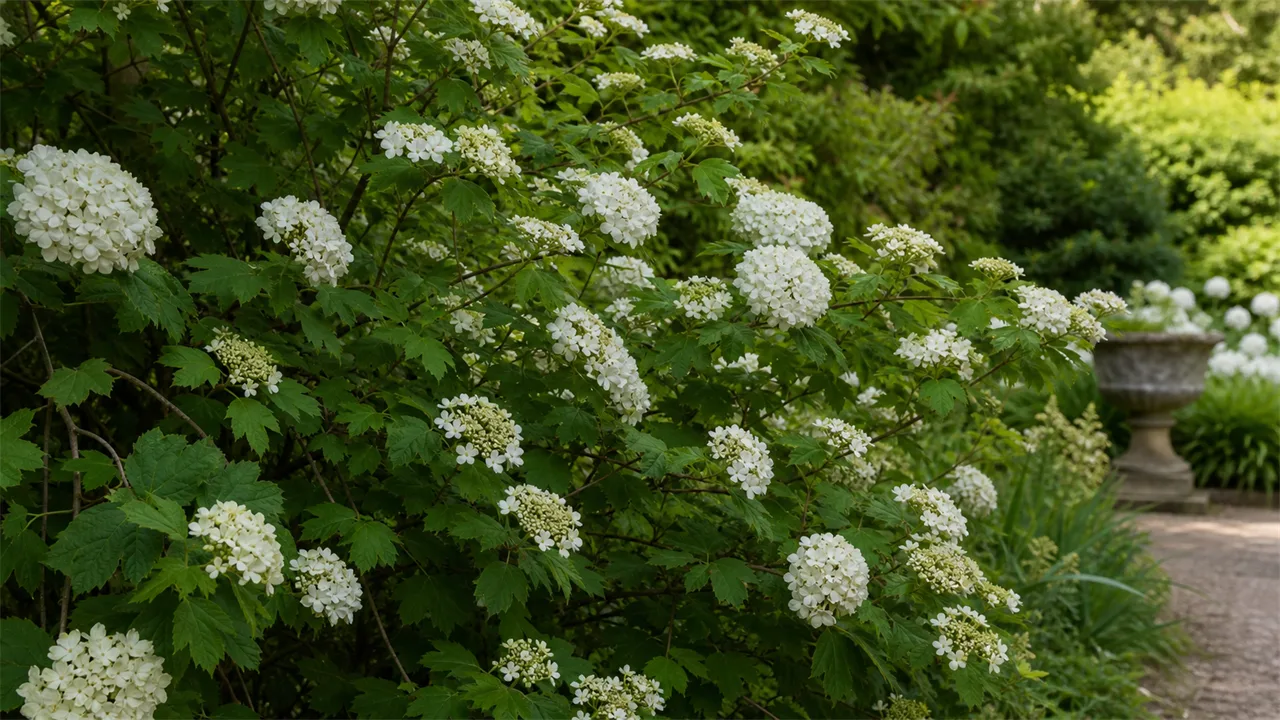
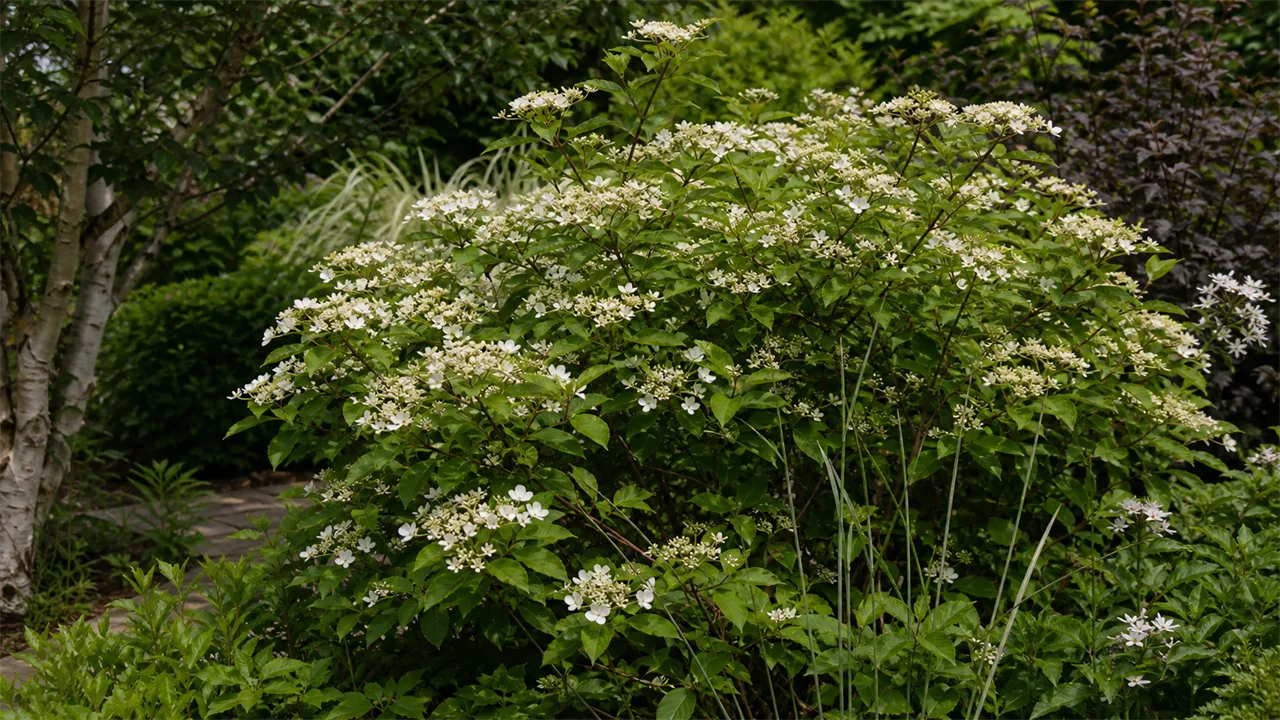
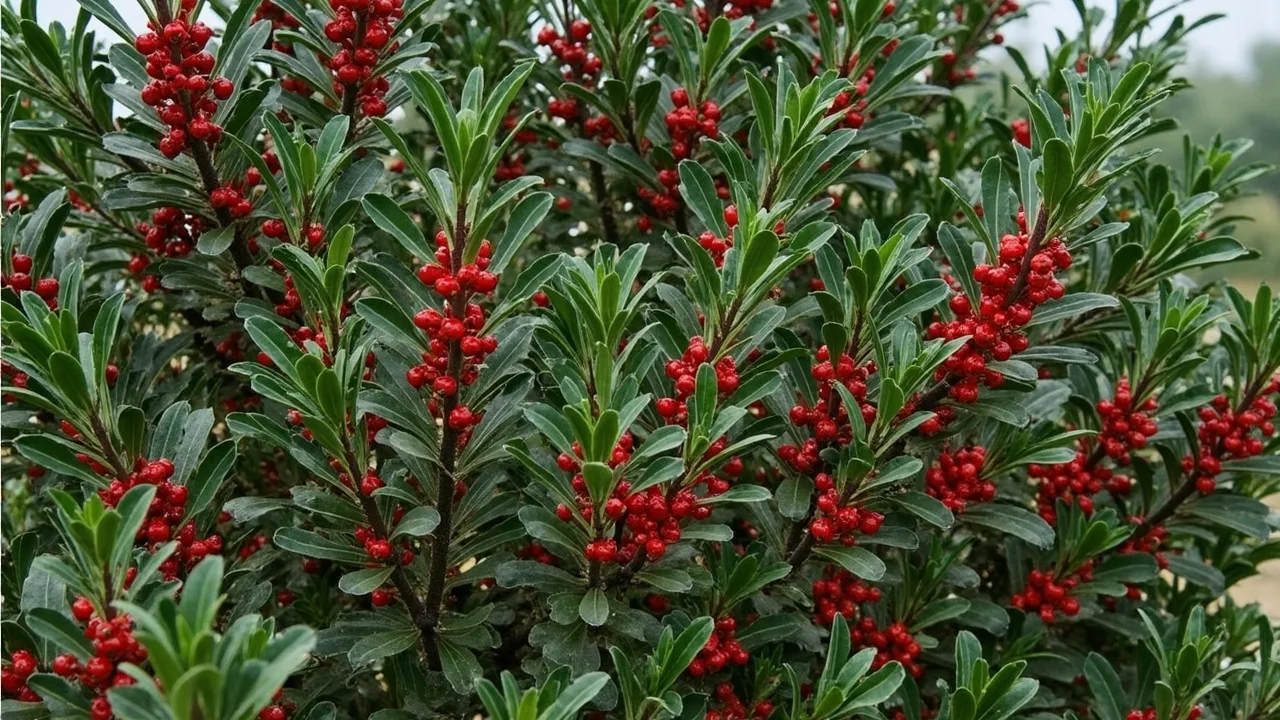
- For winter berries and dense cover: hawthorn (Crataegus monogyna), guelder rose (Viburnum opulus), common dogwood (Cornus sanguinea), cotoneaster, holly (Ilex aquifolium, both sexes for berries), and pyracantha against a wall.
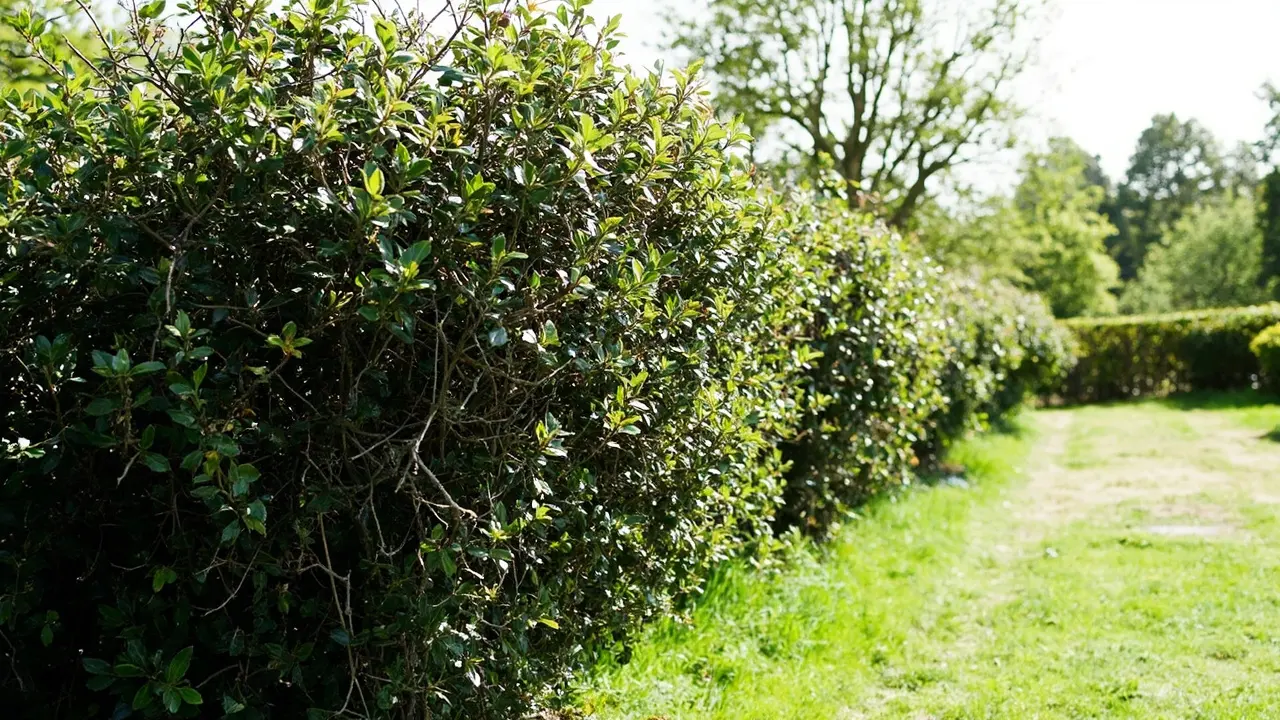
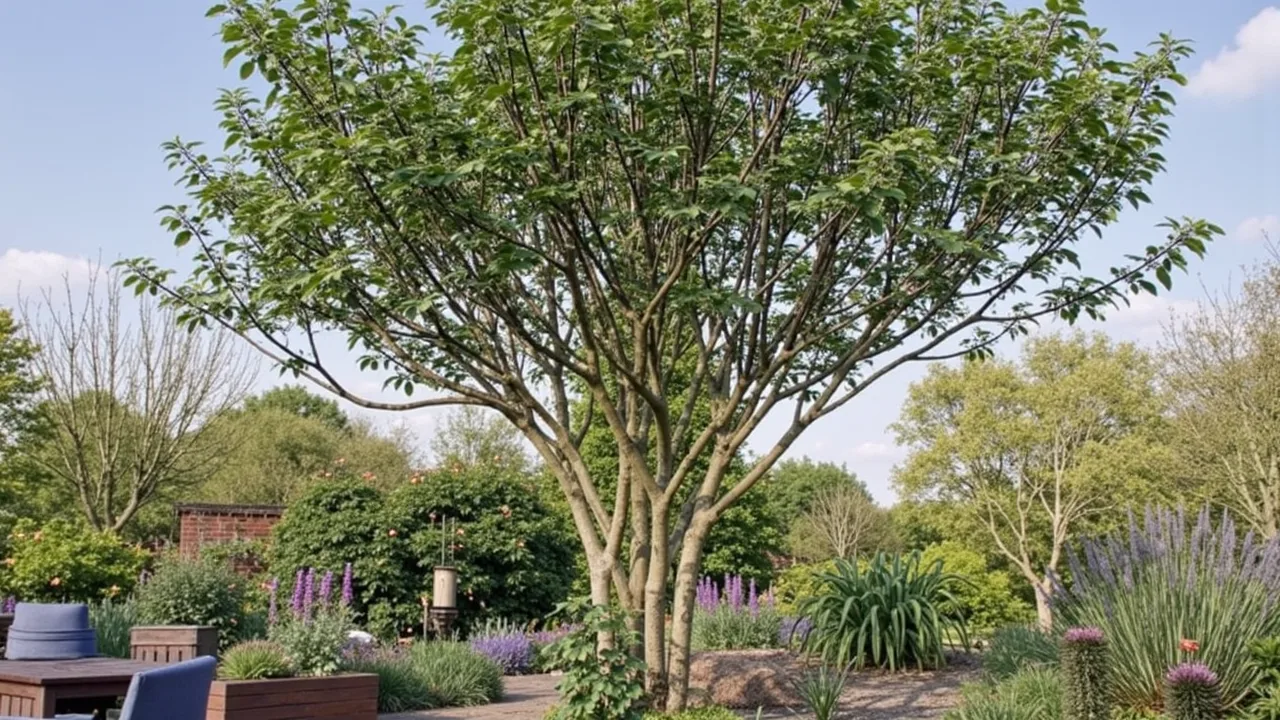
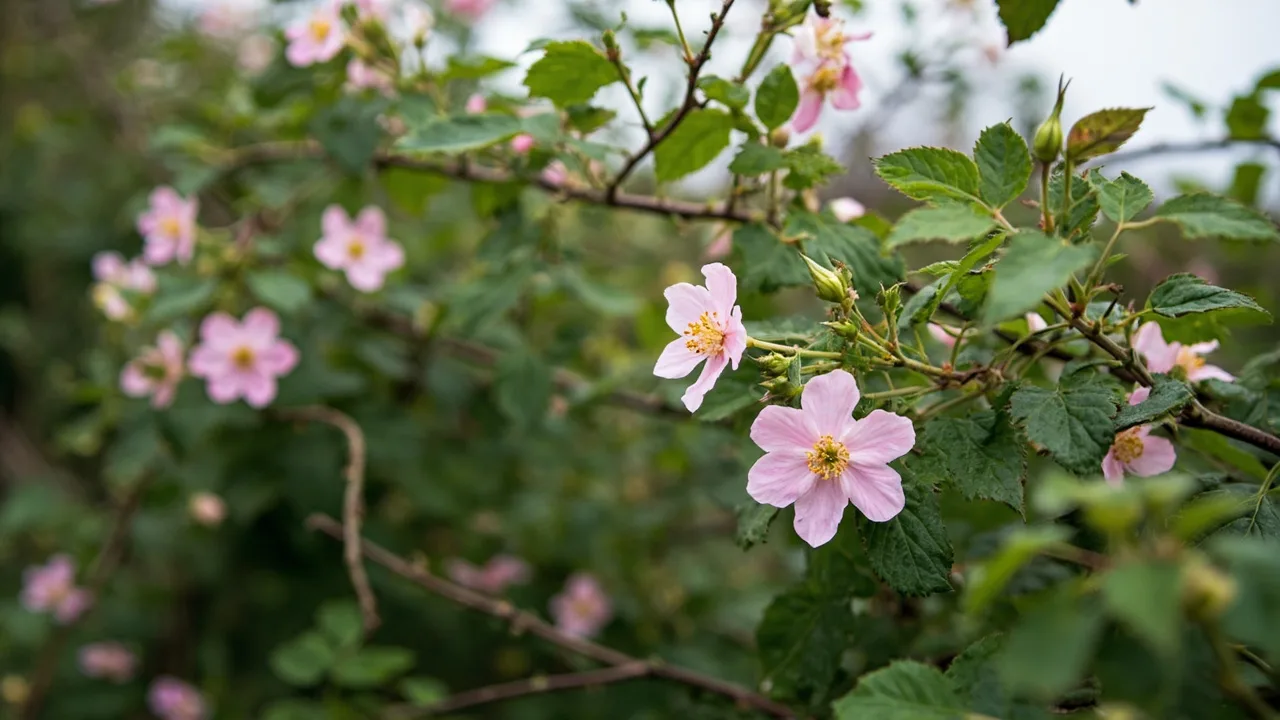
- For spring and summer insects (the food for chicks): native hedging mix — hawthorn, blackthorn, hazel, field maple, dog rose. Allow a 30–60 cm depth.
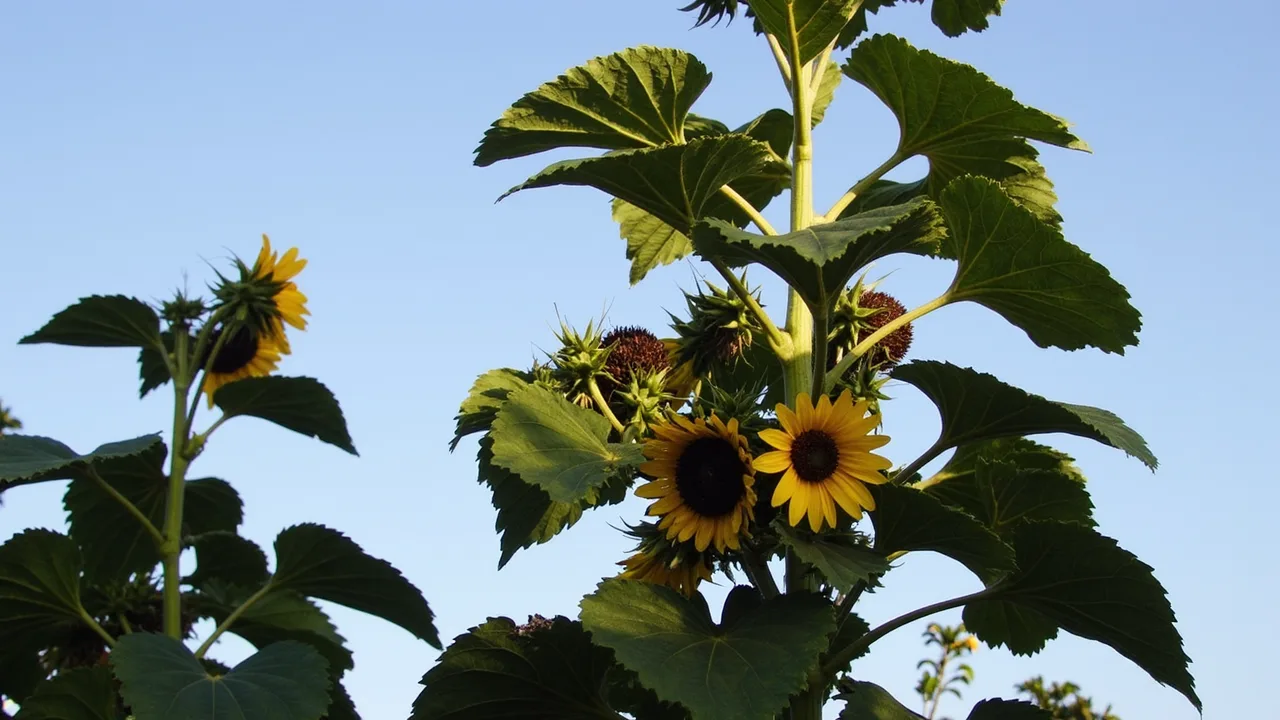
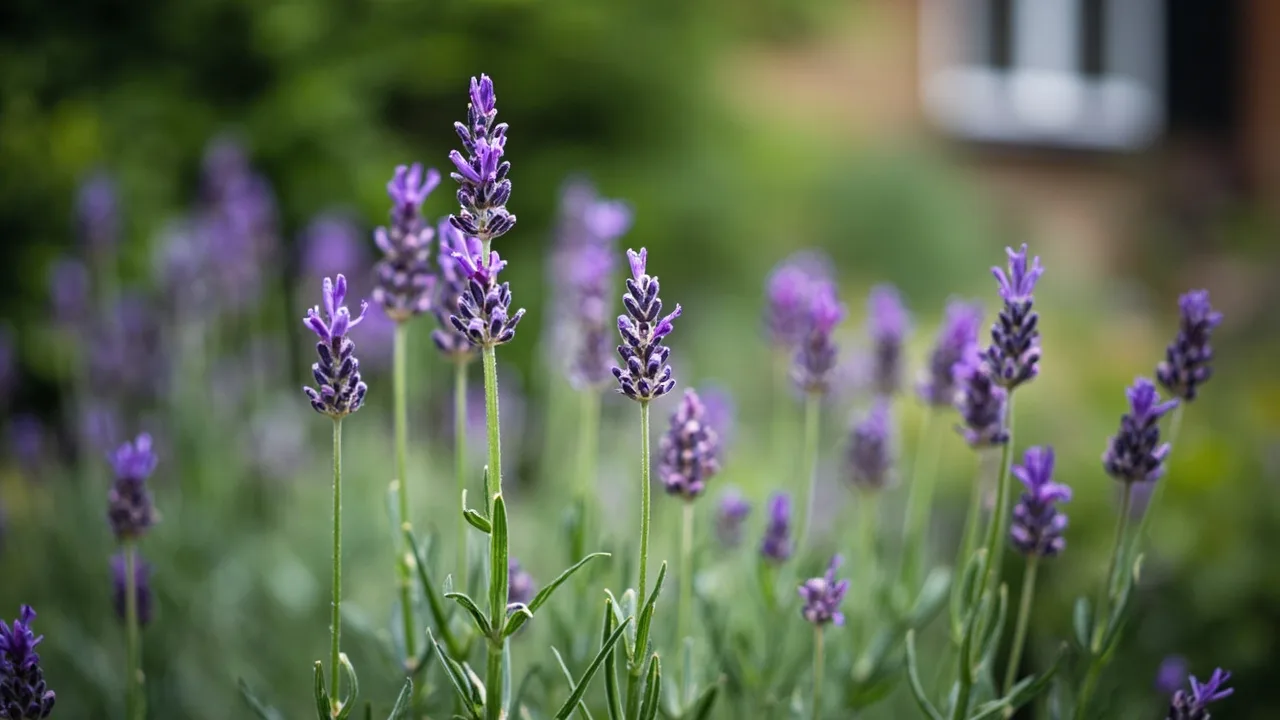
- For autumn seed heads and shelter: teasel, sunflower, lavender, honesty, and ornamental grasses such as Stipa tenuissima. Leave them standing over winter; goldfinches and linnets work them in cold weather.
- For climbing cover and nesting: ivy on a wall or fence. It flowers late (October–November) when little else does, providing nectar and late insects, and its dense evergreen growth is a roost and nest site.
5. Keep a rough log or stone pile in a quiet corner. A 60 × 60 cm pile of logs, bricks and stones in a shaded spot creates a damp, invertebrate-rich refuge. Wrens, robins and dunnocks forage in and around it; frogs and slow worms often move in, and they too will eat slugs.
6. Clean feeders and bath weekly. A quick scrub in weak dilute bleach (1 part bleach to 9 parts water), rinse thoroughly, and air-dry before refilling. This is the single most effective thing you can do to prevent the spread of trichomonosis and other diseases at garden feeders.
Common mistakes UK gardeners make
- Feeding bread, or leaving fat out in net bags. White bread has almost no nutritional value for birds and can cause crop problems. Fat balls in plastic mesh nets are a known entanglement risk — always use a proper wire feeder. Suet blocks in loose mesh should be cut free and put in a cage.
- Putting food out in spring and stopping in summer. Nesting birds need high-protein food (insects, sunflower hearts, soaked sultanas) from March through July. Stopping feeding in spring is the most common reason a feeder "stops working".
- Siting a nest box in full sun or on a south wall. Boxes on south or west walls overheat in summer and can kill chicks. North or east is correct for most species.
- Pruning everything tidy in autumn. Cutting hedges and climbers back hard in October removes the berries and the nesting sites birds are about to use. The RSPB and Wildlife and Countryside Act both encourage leaving hedge cutting until late winter, ideally February.
- Using pesticides "to tidy up". A sprayed garden is a near-empty one for birds. Accept some aphids; they are the food that brings the warblers, tits and wrens.
Troubleshooting and pro tips
- Finches flock to the nyjer feeder in summer, ignore it in winter? Check the seed — nyjer goes stale within 6–8 weeks once the bag is opened. Replace it, and try moving the feeder 1–2 m; goldfinches can be surprisingly site-loyal.
- Sparrowhawk visits daily, feeder goes empty of small birds. This is normal in late autumn, and it is not a problem you can solve by removing the feeder. Keep the feeder close to dense cover (within 1.5 m) and the small birds will continue to use it; they have evolved for this.
- Nothing visits the bath. Try a shallow clay saucer on the ground, no deeper than 3 cm, near a hedge. Robins will use this when they will not use a deeper, raised bath. Moving water attracts more birds than still.
- Cats are a problem. A 60 cm tall, close-weave wire collar around a feeder pole blocks most cats from climbing up. Avoid anti-cat spikes that can injure birds; use a plain grease or petroleum jelly band on metal poles only.
- Feed goes mouldy in wet weather. Use a feeder with a proper rain guard/dome, and never refill on top of old, damp seed. Scoop out wet clumps, scrub, and refill.
The simplest measure of whether this is working: stand quietly by a window at first light in November. If you can hear and see four or five different species within ten minutes, you have built the right garden.
Plants in this guide
Recommended Products
GardenWizz earns a commission from qualifying purchases made through affiliate links on this page (including links within the article) — as an Amazon Associate, and from Thompson & Morgan via the Awin network. This does not affect the price you pay. See our disclaimer for details.
Related Articles
More →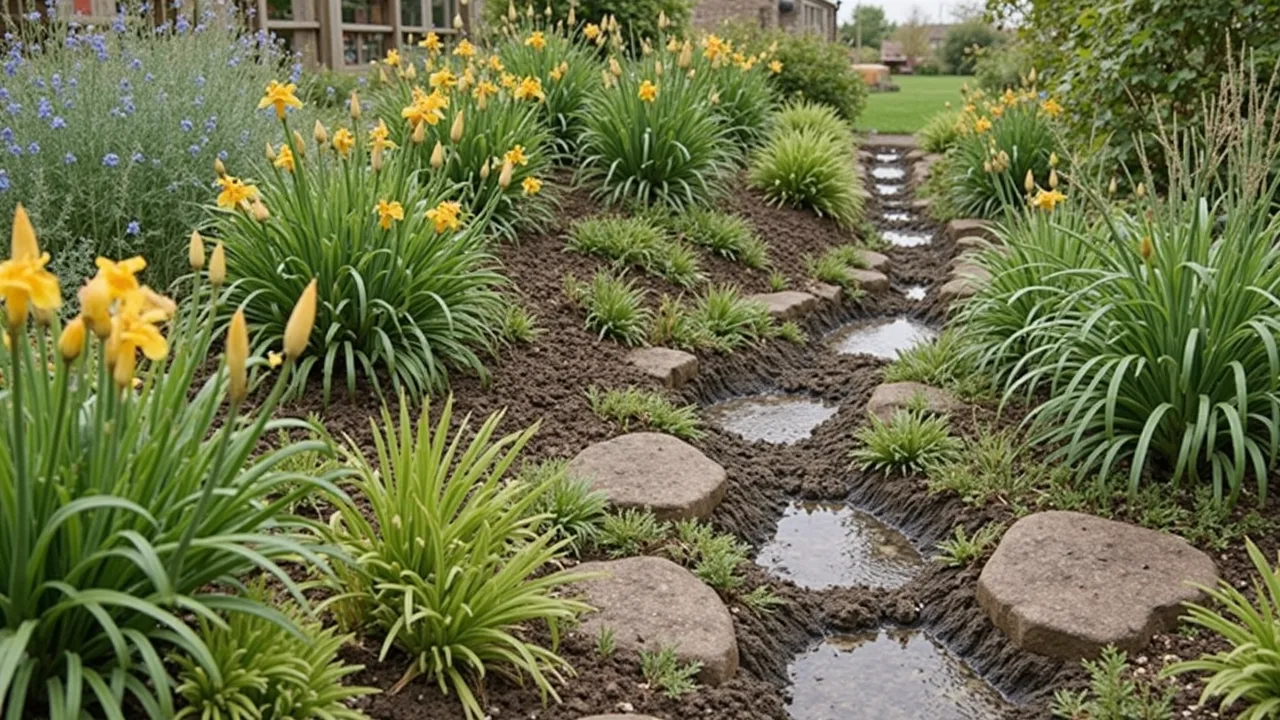 Garden Design
Creating a Rain Garden
12 June 2026A rain garden is a shallow, planted dip in the lawn or border that catches roof and paving runoff, lets it soak into the ground, and filters it through plant roots on the way down. In a UK garden it…
 Garden Design
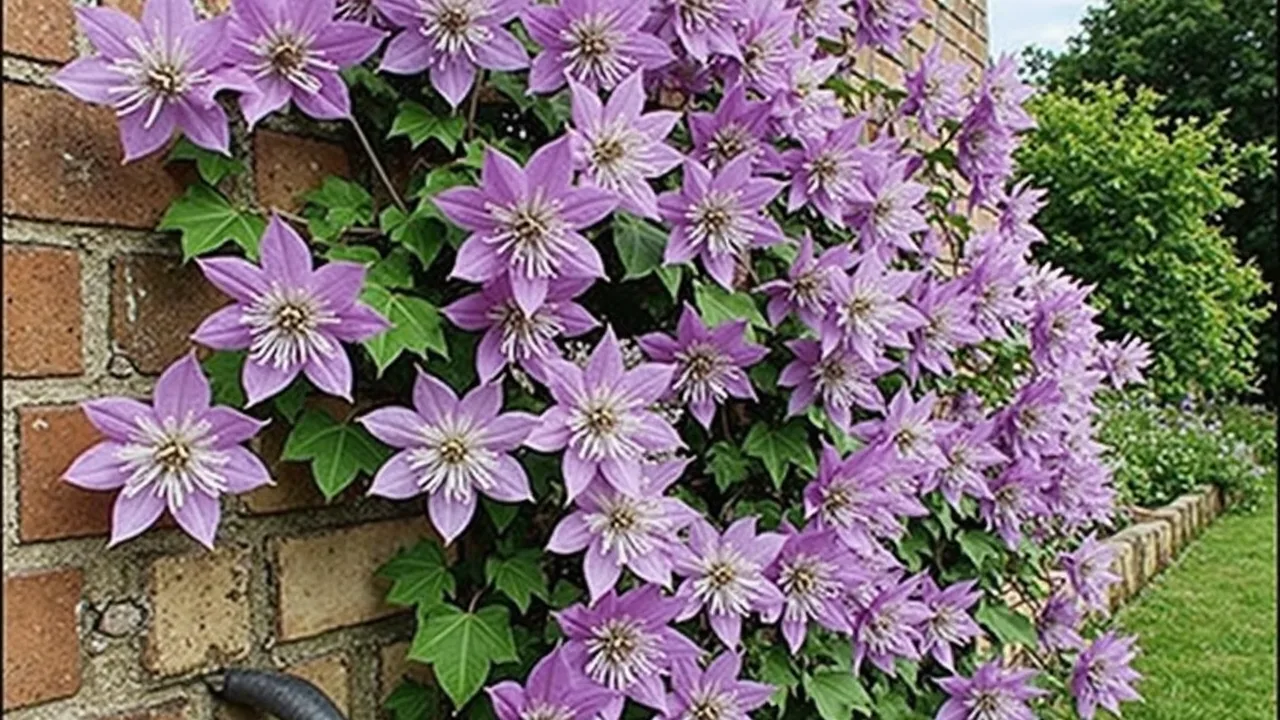
Best Climbing Plants for UK Walls and Fences
12 June 2026A bare fence or blank wall is wasted growing space. Choose the right climber and that same square metre of garden becomes flowers from May to October, shelter for nesting birds, a windbreak for the…
 Garden Design
Planting a Shady Border
11 June 2026A shady border is the bit of garden everyone calls "the difficult patch" — the north-facing wall, the strip under the hedge, the side return nobody walks down. Planted badly, it stays bare or fills…